Morning Routines That Make Keto-Paleo Feel Automatic
Let me guess – you’ve started your day with the best intentions, only to find yourself face-first in a bagel by 10 AM? Yeah, I’ve been there too. Building morning routines that actually support your keto-paleo lifestyle isn’t just about what you eat for breakfast. It’s about creating a whole sequence that sets you up to win before your willpower gets tested.
After countless mornings of trial and error (and yes, some spectacular fails), I’ve learned that sustainable morning routines are what make this way of eating feel automatic instead of like a constant uphill battle.
Why Your Morning Sets Your Entire Day’s Success
Here’s what I wish someone had told me when I started: your morning doesn’t begin when you wake up. It actually starts the night before. But we’ll get to that.
The thing about morning routines is they’re not just about discipline – they’re about removing decision fatigue. When you’re running on autopilot in the morning, you’re not using up precious mental energy that you’ll need later when someone brings donuts to the office.
I used to think I could just “wing it” each morning, making healthy choices on the fly. Spoiler alert: that didn’t work. Now I have systems in place, and honestly? It’s changed everything.
The Night-Before Foundation
Before we dive into morning magic, let’s talk about setting yourself up the night before. This is where the real game-changers happen.
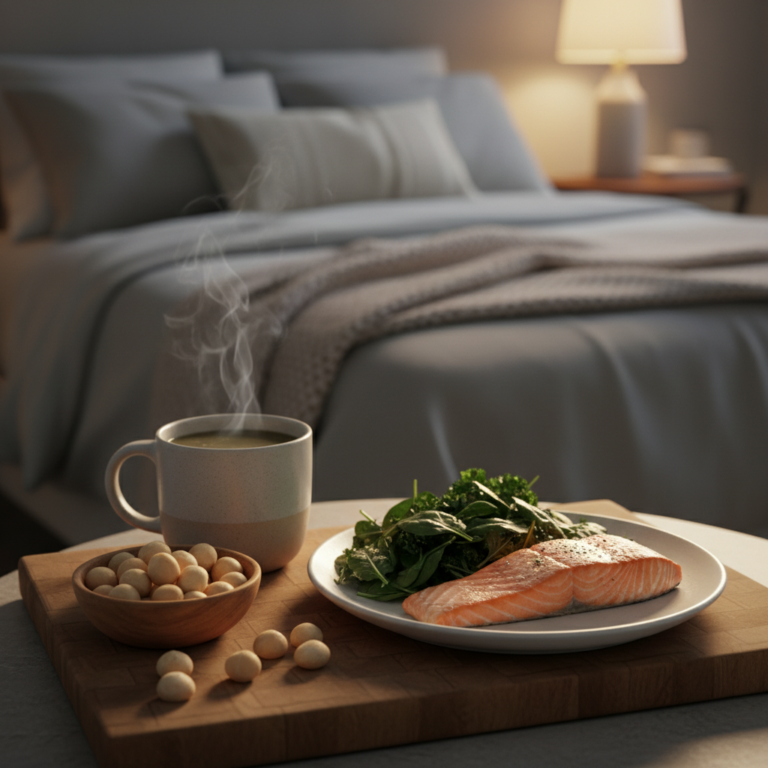
First, your bedroom environment matters more than you might think. I learned this the hard way after struggling with morning energy for months. Creating the right sleep environment isn’t just about feeling rested – it directly impacts your hunger hormones. When you’re sleep-deprived, your body cranks up ghrelin (the hunger hormone) and dials down leptin (the “I’m full” hormone).
Speaking of sleep, if you’re struggling with rest, check out our guide on keto paleo sleep foods that can naturally improve your sleep quality.
Here’s my night-before checklist that’s made mornings so much smoother:
- Set out workout clothes (even if it’s just for stretching)
- Prep your morning drink ingredients
- Check tomorrow’s schedule for potential food challenges
- Set three specific intentions for the next day
The Power of Delaying Your First Bite
Now here’s where things get interesting. You don’t have to eat the moment you wake up. I know, revolutionary, right?
When I first started experimenting with intermittent fasting alongside my keto-paleo approach, I was terrified I’d be hangry and miserable. Instead, I discovered something amazing: my energy was more stable, my cravings were manageable, and I felt more mentally sharp.
Most of us have been conditioned to believe we need breakfast within an hour of waking. But your body is actually perfectly designed to run on stored energy for several hours after waking. This gives you time to establish other healthy habits before food becomes the focus.
Start small. Maybe push breakfast back by just 30 minutes initially. Use that time for something that nourishes you in a different way.
What to Do Instead of Eating Right Away
Here’s where I get excited about morning routines because this is where the magic really happens. Instead of rushing to the kitchen, I now spend the first hour of my day doing things that set me up for success.
Hydration comes first. I drink a large glass of water with a pinch of sea salt and lemon. This isn’t just about hydration – it’s about supporting your adrenals and giving your body what it needs to produce energy naturally.
Then comes movement. Nothing intense – just 5-10 minutes of gentle stretching or walking. This kickstarts circulation and helps with mental clarity. Plus, it’s a win you can check off before the day even really begins.
I also spend a few minutes planning my day, specifically thinking about when and what I’ll eat. This prevents those “oh crap, what am I going to have for lunch?” moments that usually end in poor choices.
Morning Routines That Curb Cravings Before They Start
The best defense against cravings is a good offense. These pre-breakfast rituals have been game-changers for keeping my appetite stable throughout the day.
Sunlight exposure is huge. I try to get outside within the first 30 minutes of waking, even if it’s just to walk to the mailbox. Natural light helps regulate your circadian rhythm, which affects everything from sleep quality to hunger hormones.
Deep breathing might sound woo-woo, but it works. Just five minutes of intentional breathing activates your parasympathetic nervous system, which helps with digestion and reduces stress-driven cravings later in the day.
Gratitude practice – and I know this one makes some people roll their eyes – actually rewires your brain for positivity. When you’re in a better headspace, you’re less likely to emotionally eat later.
These habits take maybe 15 minutes total, but they create a foundation that makes sticking to keto-paleo feel natural instead of forced.
The Perfect Morning Drink
Let’s talk about what goes in that first cup. Coffee is fine if you love it, but it doesn’t have to be coffee. The key is creating a morning drink that supports your goals.
My current favorite is what I call “morning fuel”: warm water with lemon, a tablespoon of apple cider vinegar, and a pinch of pink salt. It tastes better than it sounds, and it supports digestion, hydration, and stable blood sugar.
If you’re a coffee person, consider adding coconut oil or grass-fed butter for sustained energy without the crash. Just remember that if you’re intermittent fasting, adding fats technically breaks your fast – though it won’t spike insulin like sugar would.
When to Actually Break Your Fast
Timing your first meal is crucial, but it’s not about following someone else’s schedule. It’s about listening to your body and aligning with your lifestyle.
I’ve found that eating my first meal around 10 AM works perfectly for my schedule. It gives me time for my morning routines, and I’m genuinely hungry by then – not just eating out of habit.
Some signs you’re ready to eat: stable energy starts to dip, you feel genuinely hungry (not just bored or thirsty), or you have physical hunger cues like a growling stomach.
Don’t force it if you’re not hungry. Equally important: don’t ignore genuine hunger signals because you think you “should” fast longer.
Making Your First Meal Count
When you do break your fast, make it worth the wait. This meal sets the tone for your entire day’s blood sugar stability.
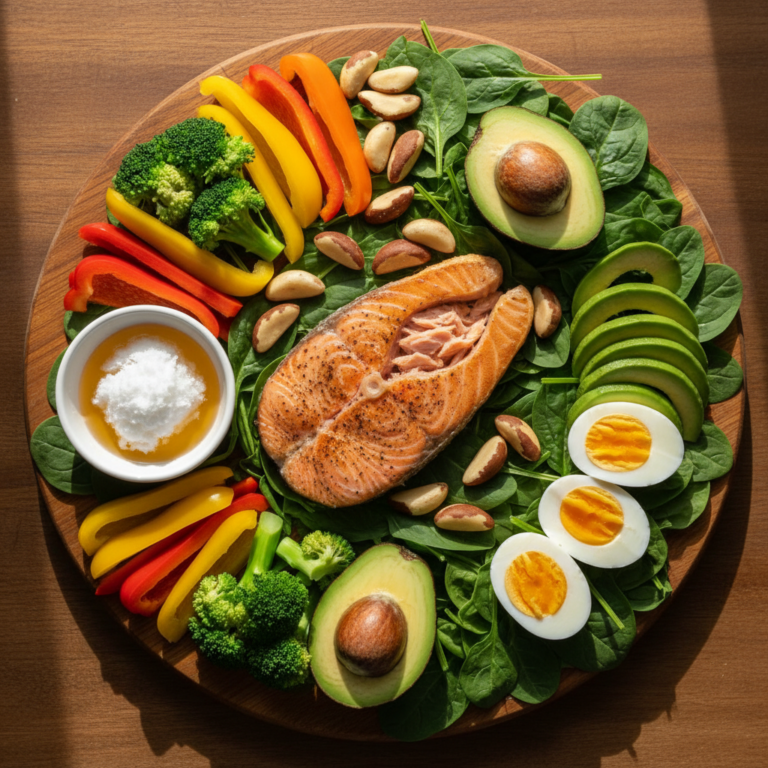
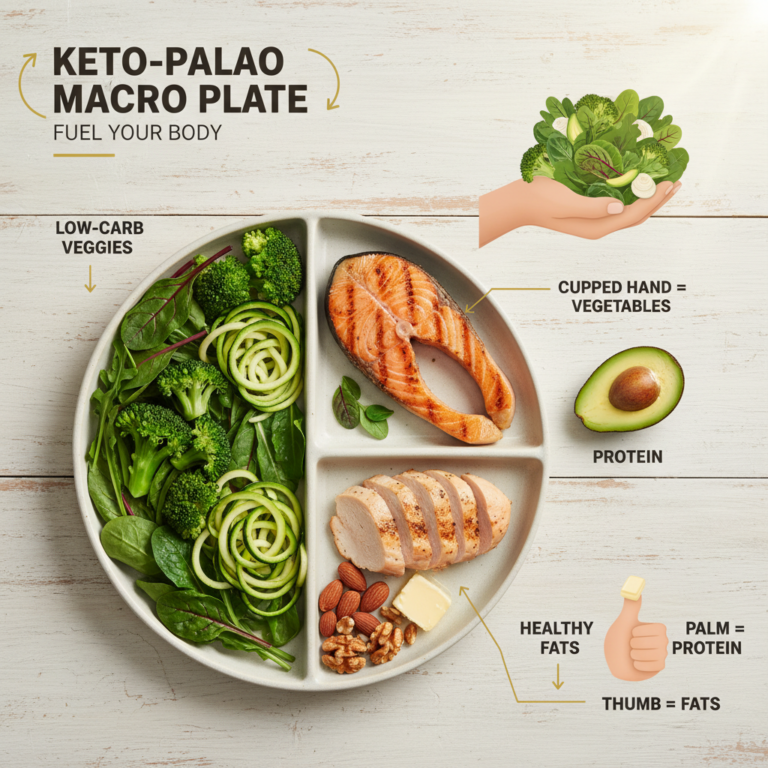
Protein should be the star. I’m talking eggs, leftover dinner protein, or even a protein-rich smoothie. Pair it with healthy fats and some low-carb vegetables if you’re feeling fancy.
Here’s my go-to that takes less than five minutes: scrambled eggs cooked in coconut oil with whatever vegetables are hanging out in my fridge, topped with avocado and a sprinkle of everything bagel seasoning. Simple, satisfying, and it keeps me full for hours.
Building Habits That Actually Stick
The difference between morning routines that last and ones that fizzle out after a week? Starting ridiculously small and stacking habits.
Don’t try to overhaul your entire morning at once. Pick one tiny change – maybe it’s drinking a glass of water before coffee, or stepping outside for two minutes. Do that for a week until it feels automatic, then add something else.
Habit stacking works because you attach new behaviors to existing ones. After I brush my teeth (existing habit), I do 30 seconds of stretching (new habit). After I make my morning drink (existing), I write down three priorities for the day (new).
This approach prevents the all-or-nothing mentality that derails so many of us. Miss a day? No big deal. Just get back to it tomorrow.
Troubleshooting Common Morning Challenges
Let’s be real – mornings don’t always go according to plan. Kids get sick, alarms don’t go off, life happens.
The key is having backup plans. Maybe your full routine takes 45 minutes, but you can do a condensed 10-minute version when needed. Identify the non-negotiables (for me, it’s hydration and movement) and the nice-to-haves.
Also, remember that flexibility is part of sustainability. If you’re traveling and your normal routine is impossible, adapt instead of abandoning. Drink water, move your body somehow, eat protein first. The basics still work even when the details change.
For more tips on maintaining your lifestyle while traveling, check out our keto travel snacks guide.
The Mindset Piece Nobody Talks About
Here’s what I’ve learned after years of experimenting with morning routines: they’re not really about the actions. They’re about identity.
Every morning choice is a vote for the type of person you want to be. Choose water over immediately reaching for your phone? You’re voting for someone who prioritizes their health. Do a few stretches? You’re reinforcing your identity as someone who moves their body.
This might sound dramatic, but it’s powerful. When you see yourself as someone who has healthy morning routines, making good choices throughout the day becomes easier because it aligns with who you are.
I’m not suggesting you need to be perfect. I still have mornings where I snooze my alarm three times and grab whatever’s handy for breakfast. But those days are exceptions now, not the rule.
Working With Your Natural Rhythms
Not everyone is a morning person, and that’s perfectly fine. The goal isn’t to become someone you’re not – it’s to work with your natural tendencies while creating structure that supports your goals.
If you’re naturally a night owl, your “morning” routine might start at 9 AM instead of 6 AM. The principles are the same: hydrate, move, plan, then fuel your body with quality food.
Pay attention to your energy patterns. When do you naturally feel most alert? When do you get hungry? Use this information to create a routine that feels sustainable, not like you’re fighting your biology.
Meal Prep That Makes Mornings Effortless
Nothing derails healthy intentions faster than staring into an empty fridge at 7 AM. This is where a little weekend prep pays huge dividends.
I’m not talking about complicated meal prep that takes your entire Sunday. Simple things like hard-boiled eggs, pre-cut vegetables, or even just having compliant options easily accessible makes all the difference.
For comprehensive meal prep strategies that won’t consume your weekend, check out our weekend warrior meal prep guide.
My lazy person’s breakfast prep: every few days, I scramble a dozen eggs with vegetables and store them in containers. When I’m ready to eat, I just reheat a portion and add fresh avocado or salsa. It takes 30 seconds and tastes way better than grabbing something processed.
Budget-Friendly Morning Fuel
Eating well in the morning doesn’t have to break the bank. Eggs are still one of the most affordable, complete proteins available. Seasonal vegetables, canned fish, and frozen vegetables can all be part of nutritious, budget-friendly morning meals.
For more money-saving strategies without compromising your health goals, our budget keto-paleo guide has tons of practical tips.
Creating Your Personal Morning Blueprint
The best morning routines are the ones that fit your life, not someone else’s Instagram-worthy version. Here’s how to create your own.
Start by identifying what matters most to you. Is it having energy throughout the day? Avoiding afternoon cravings? Feeling mentally clear? Your priorities will shape your routine.
Next, consider your constraints. How much time do you realistically have? What does your living situation allow? Work with reality, not against it.
Then, experiment. Try different wake-up times, different activities, different foods. Keep what works, ditch what doesn’t. Your routine will evolve, and that’s perfectly normal.
Finally, remember that consistency beats perfection every time. A simple routine you can stick to 80% of the time is infinitely better than an elaborate one you abandon after a week.
The Long Game: Making It Automatic
The ultimate goal isn’t to need willpower every morning – it’s to create morning routines that happen on autopilot. This takes time, usually several weeks to a few months, depending on how many changes you’re making.
But here’s the beautiful thing: once these habits are automatic, they actually give you energy instead of requiring it. You stop having to make decisions about what to do, what to eat, how to start your day. It just happens.
This frees up mental space for the things that actually matter – work, relationships, pursuing goals, handling the unexpected challenges that life throws at you.
I’m still tweaking my routine because life changes, priorities shift, and what worked six months ago might not work now. That’s normal and healthy. The key is having a framework that can adapt while keeping the core principles intact.
If you hit a plateau with your overall keto-paleo progress, strong morning routines become even more important. They provide stability and momentum when motivation wavers. For strategies to break through plateaus, check out our plateau breakers guide.
Your Next Steps
Don’t try to implement everything at once. Pick one small change for this week. Maybe it’s drinking water before coffee, or stepping outside for two minutes, or pushing breakfast back by 15 minutes.
Do that one thing for a week. Notice how it affects your energy, your hunger, your mood throughout the day. Then, if it’s working, add something else.
Remember, the goal isn’t perfection – it’s progress. Every small choice that aligns with your health goals is worth celebrating. Those choices compound over time into the lifestyle you want.
Building sustainable morning routines isn’t about following someone else’s formula. It’s about creating a personalized system that makes your keto-paleo lifestyle feel natural, enjoyable, and automatic. Start small, stay consistent, and trust the process. Your future self will thank you.