Keto-Paleo Pressure Cooking: Fast Track to Tender Perfection
If you’ve been dancing around your pressure cooker like it’s some mysterious kitchen contraption, I totally get it. But here’s the thing – keto-paleo pressure cooking is about to become your absolute favorite shortcut to incredibly tender meats and perfectly cooked vegetables. Trust me, once you understand how this magical appliance works with our favorite whole foods, you’ll wonder how you ever lived without it.
I remember my first attempt at pressure cooking a grass-fed roast. I was terrified I’d turn expensive meat into shoe leather, but instead, I discovered the secret to fall-apart tender perfection in half the time. Today, I’m sharing everything I’ve learned through countless trial-and-error sessions in my own kitchen.
Why Pressure Cooking Works Perfectly for Keto-Paleo Lifestyles
The beauty of keto-paleo pressure cooking lies in how it transforms tough, collagen-rich cuts of meat – exactly the kinds of nutrient-dense, budget-friendly proteins we love. Under pressure, that tough connective tissue breaks down into silky gelatin, creating incredibly rich, satisfying meals.
Plus, pressure cooking preserves nutrients better than many other cooking methods. The sealed environment keeps water-soluble vitamins from escaping, while the shorter cooking times mean less nutrient degradation. It’s like the pressure cooker was designed specifically for our nutrient-focused approach to eating.
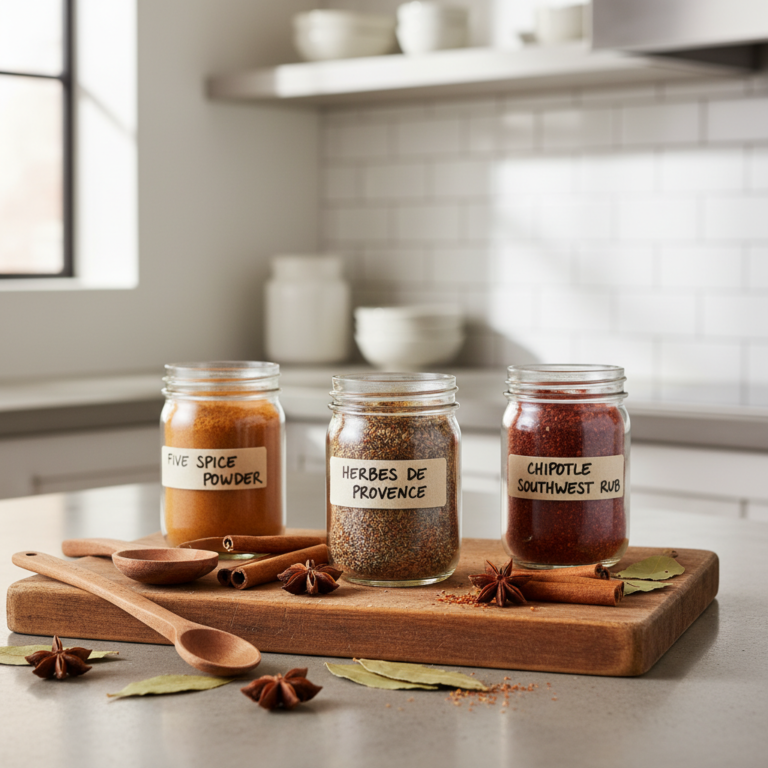
I’ve found that pressure cooking also intensifies flavors beautifully. Remember how we talked about building complex flavors in our Flavor Builders post? The pressure cooker takes that concept and puts it on fast-forward.
The Science Behind Perfect Pressure Cooking Results
Understanding what happens inside your pressure cooker makes all the difference. The high-pressure environment raises the boiling point of water to around 250°F, compared to the usual 212°F. This extra heat, combined with steam and pressure, breaks down proteins and tenderizes even the toughest cuts.
However, this same intensity can work against us with delicate ingredients. Leafy greens turn to mush, and certain vegetables lose their appealing texture. The key is knowing which ingredients thrive under pressure and which ones to add later.
Fat also behaves differently under pressure. Those beautiful marbled cuts we love for keto-paleo eating? The pressure helps render that fat evenly throughout the dish, creating incredibly rich, satisfying flavors that keep us full and energized.
Timing Adjustments That Actually Work
Forget those generic timing charts you see everywhere. After years of pressure cooking keto-paleo meals, I’ve developed my own reliable timing system based on real-world results.
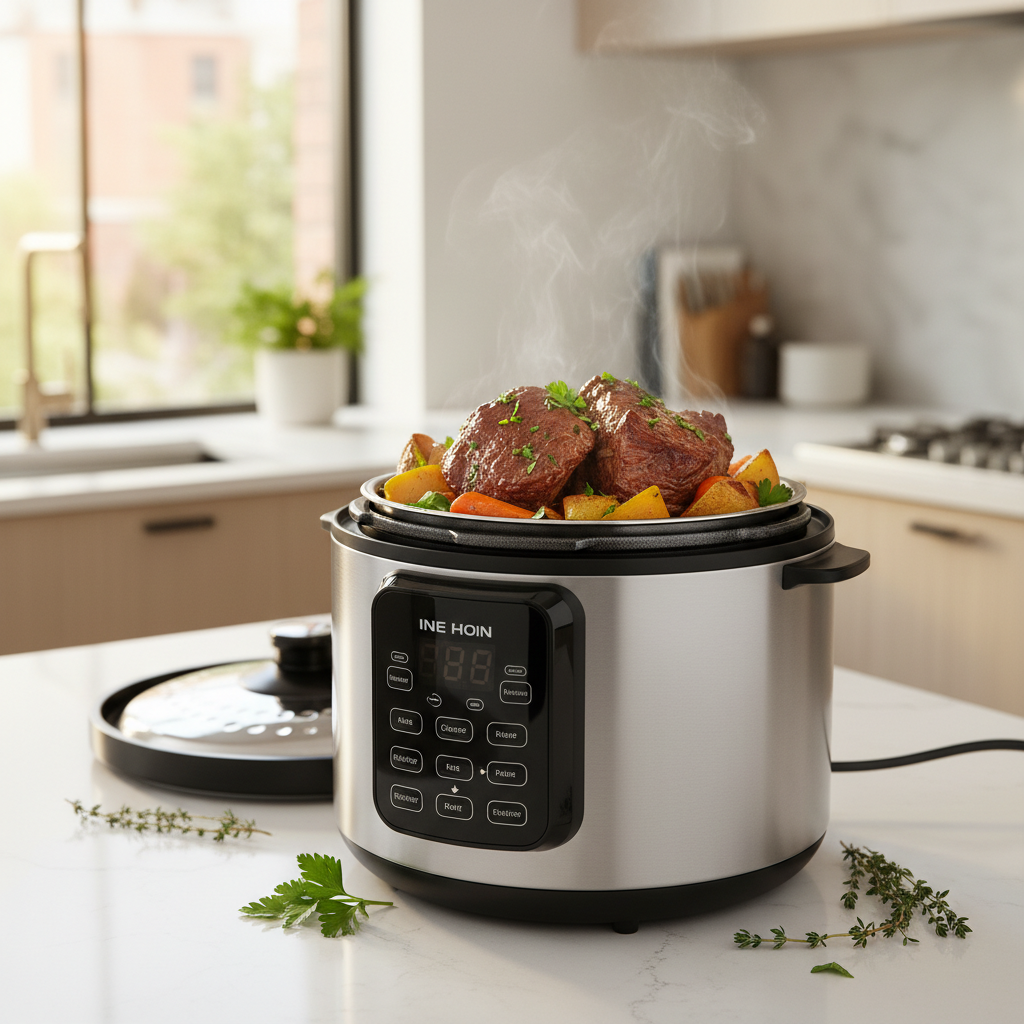
For grass-fed beef chuck roast (2-3 pounds): 90 minutes on high pressure with natural release. I learned this the hard way after several attempts that resulted in either tough meat or complete mush. This timing gives you that perfect fall-apart texture every single time.
Bone-in chicken thighs need just 15 minutes on high pressure. The bones actually help the meat stay tender and juicy. Compare this to boneless thighs, which only need 8 minutes but can easily become dry if overcooked.
Here’s something most guides won’t tell you: altitude matters. I live at a higher elevation and had to add 5% more cooking time to get the same results. If your food consistently comes out undercooked despite following timing guides, elevation might be your issue.
Mastering Liquid Ratios for Keto-Paleo Success
The liquid ratio can make or break your pressure cooking success. Unlike conventional recipes that might use sugary sauces or high-carb thickeners, we need to be strategic about our liquid choices.
My go-to base is bone broth – it adds incredible depth while staying completely keto-paleo friendly. For a 6-quart pressure cooker, I use about 1 cup of liquid for most meat dishes. This creates enough steam for pressure while concentrating flavors beautifully.
Coconut milk works wonderfully for certain dishes, but here’s the catch – full-fat coconut milk can separate under pressure. I’ve found that adding it during the last few minutes of cooking, or stirring it in after pressure release, gives much better results.
Wine (if you include it in your paleo approach) reduces beautifully under pressure. Just remember that alcohol doesn’t completely cook off in the sealed environment, so use it judiciously.
Ingredients That Shine Under Pressure (And Those That Don’t)
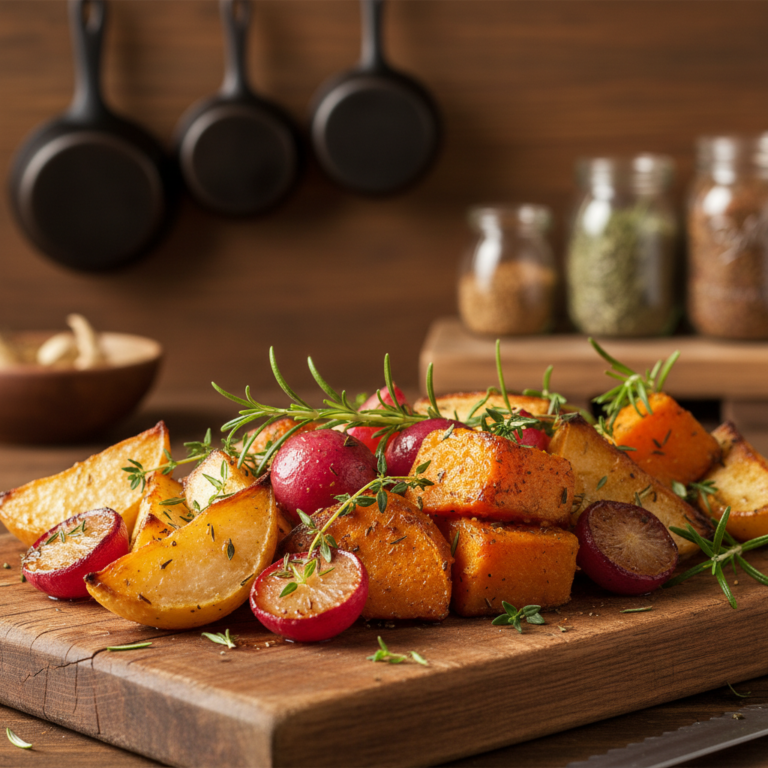
Some ingredients are absolute stars in the pressure cooker. Root vegetables like turnips, rutabaga, and radishes become incredibly tender while maintaining their structure. They’re perfect for replacing higher-carb vegetables in traditional pressure cooker recipes.
Tougher cuts of meat transform beautifully – short ribs, chuck roast, pork shoulder, and lamb shanks all become incredibly tender. These cuts are often more affordable too, making pressure cooking both delicious and budget-friendly.
However, certain ingredients need special treatment. Dairy products typically curdle under pressure, so save cream and cheese for stirring in afterward. Delicate fish falls apart completely – stick to firmer fish varieties and shorter cooking times.
Leafy greens turn to mush, but heartier vegetables like cabbage, Brussels sprouts, and cauliflower hold up well. I’ve learned to add more delicate vegetables during the last few minutes or use the quick-release method to prevent overcooking.
Practical Pressure Cooking Strategies for Busy Lives
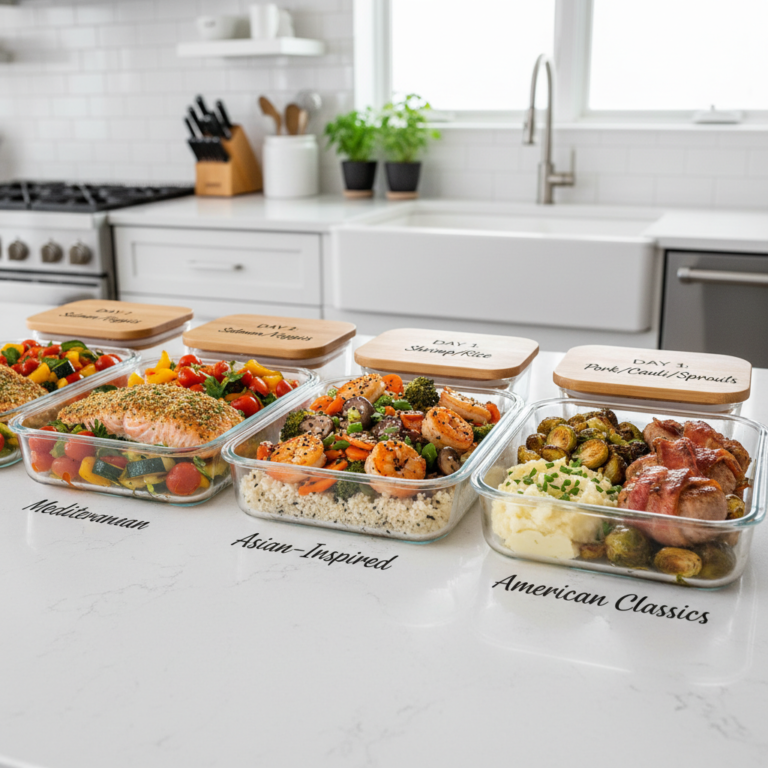
One thing I love about keto-paleo pressure cooking is how it fits into real life. Remember our Athlete-Approved Batch Cooking strategies? The pressure cooker makes batch cooking even more efficient.
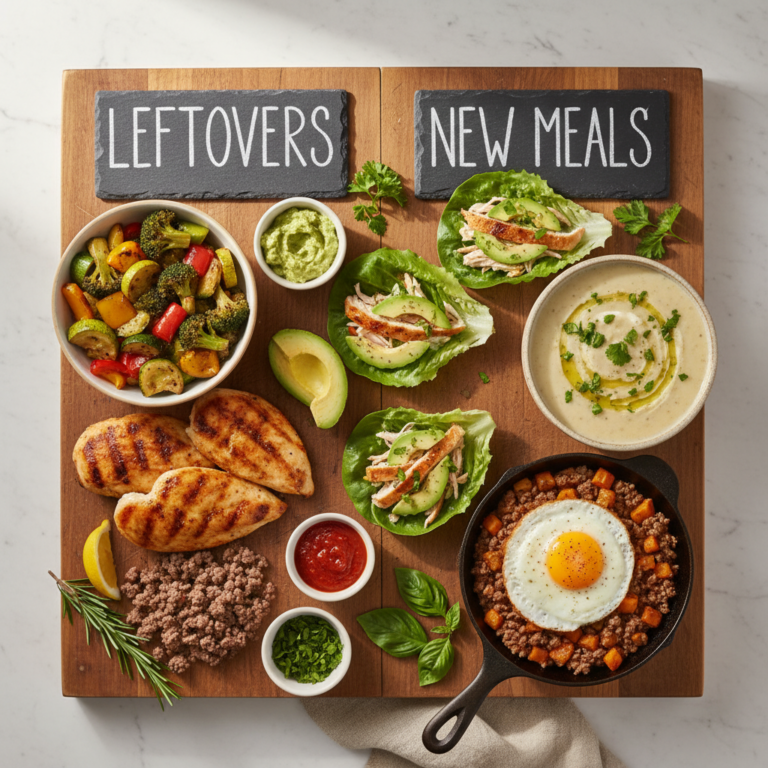
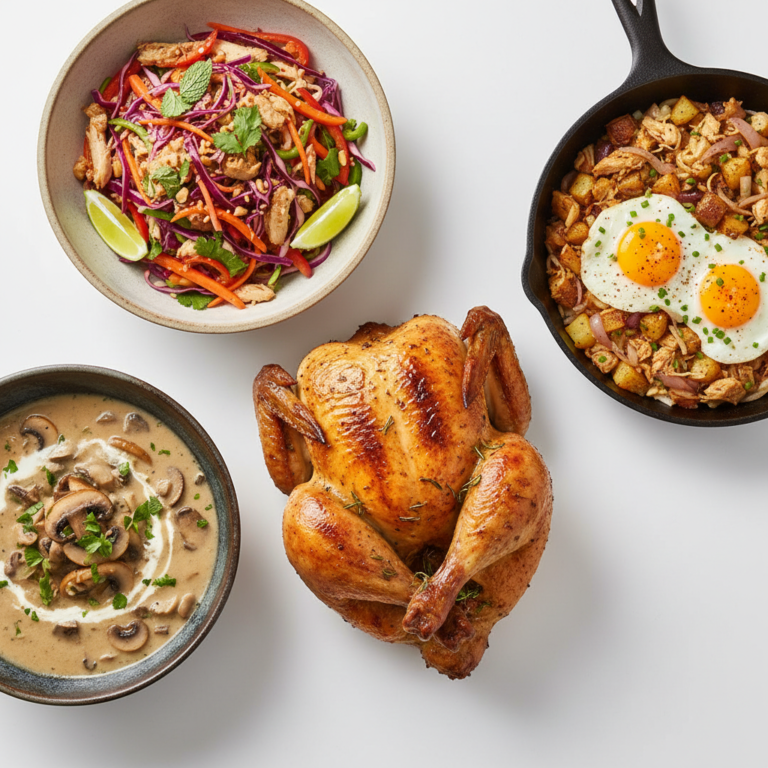
I often cook large batches of protein on Sunday, then use them throughout the week in different ways. That pressure-cooked chuck roast becomes lettuce wrap filling on Monday, soup base on Wednesday, and stuffed pepper filling on Friday.
The “pot-in-pot” method is game-changing for meal prep. You can cook proteins in the main pot while steaming vegetables in a separate container above. This technique works perfectly for our 30-Minute Batch-Cook Blueprint approach.
My Favorite Pressure Cooking Combinations
After countless experiments, I’ve developed some go-to combinations that never fail. Grass-fed beef short ribs with mushrooms and herbs create an incredibly rich, satisfying meal. The mushrooms add umami depth while the herbs brighten everything up.
Whole chicken with root vegetables is another winner. The chicken fat renders into the vegetables, creating incredible flavor while keeping everything moist and tender. It’s like a complete meal in one pot.
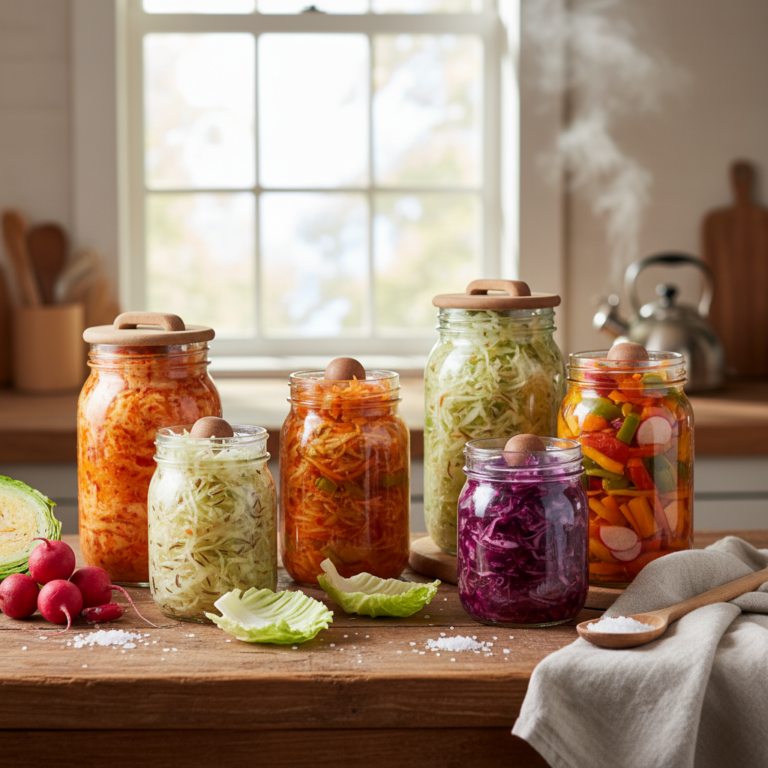
For something different, try pork shoulder with sauerkraut. The fermented vegetables add probiotics and tangy flavor while the pork becomes incredibly tender. It’s a perfect example of how pressure cooking works beautifully with fermented foods we explored in our Ferments and Flavor post.
Troubleshooting Common Pressure Cooking Mistakes
Let’s talk about what goes wrong and how to fix it. Dry, tough meat usually means not enough liquid or cooking time. Conversely, mushy meat often results from too much liquid or overcooking.
If your food tastes bland, you probably need more seasoning upfront. Unlike stovetop cooking where you can adjust as you go, pressure cooking locks in whatever flavors you start with.
Burnt bottom usually means insufficient liquid or food sticking to the pot. Always deglaze properly if you’re searing first, and make sure you have enough liquid to create steam.
Natural release versus quick release makes a huge difference. Natural release continues cooking gently, perfect for tough cuts. Quick release stops cooking immediately, better for vegetables or more tender proteins.
The pressure cooker has revolutionized how I approach keto-paleo cooking. It makes nutrient-dense, satisfying meals more accessible, especially on busy weeknights. Start with simple combinations, master your timing, and soon you’ll be creating incredibly tender, flavorful meals that support your health goals beautifully.
What’s your biggest pressure cooking challenge? I’d love to help you troubleshoot in the comments below!