Budget Keto-Paleo: Make Premium Ingredients Last Longer
Let’s be honest – eating budget keto-paleo can feel like trying to fuel a Ferrari with your grocery budget meant for a compact car. Those grass-fed steaks and organic avocados aren’t exactly wallet-friendly, but I’ve learned some tricks over the years that keep me eating real food without breaking the bank.
I used to think that eating quality keto-paleo meant choosing between my health and my savings account. Then I discovered that with a few strategic approaches, those premium ingredients can stretch much further than you’d expect. Today, I’m sharing the practical strategies that have kept my kitchen stocked with real food while keeping my budget intact.
The Whole Animal Approach: Your Budget Keto-Paleo Game Changer
Here’s what changed everything for me: buying whole animals or large cuts instead of individual portions. When I first heard about this approach, I thought it was only for people with massive chest freezers and butchering skills. Turns out, I was completely wrong.
Most local farms and butchers will process a quarter or half animal for you. Yes, the upfront cost feels scary – I remember staring at that $400 invoice for a quarter grass-fed cow. But when I calculated the per-pound cost later, I was getting premium ground beef for less than grocery store conventional prices.
The key is using every single part. That beautiful ribeye? Obviously perfect for a special dinner. But those tougher cuts become amazing slow-cooked meals, and the bones transform into nutrient-dense broth that forms the base for countless soups and stews.
Even if a whole animal feels overwhelming, try buying larger cuts. I’ll grab a whole pork shoulder instead of individual chops, or a whole chicken instead of just breasts. The butcher counter staff are usually happy to help you break these down, and many will do it for free.
Maximizing Every Part of Premium Ingredients
This is where budget keto-paleo gets creative, and honestly, it’s become one of my favorite parts of cooking. Nothing goes to waste, and I mean nothing.
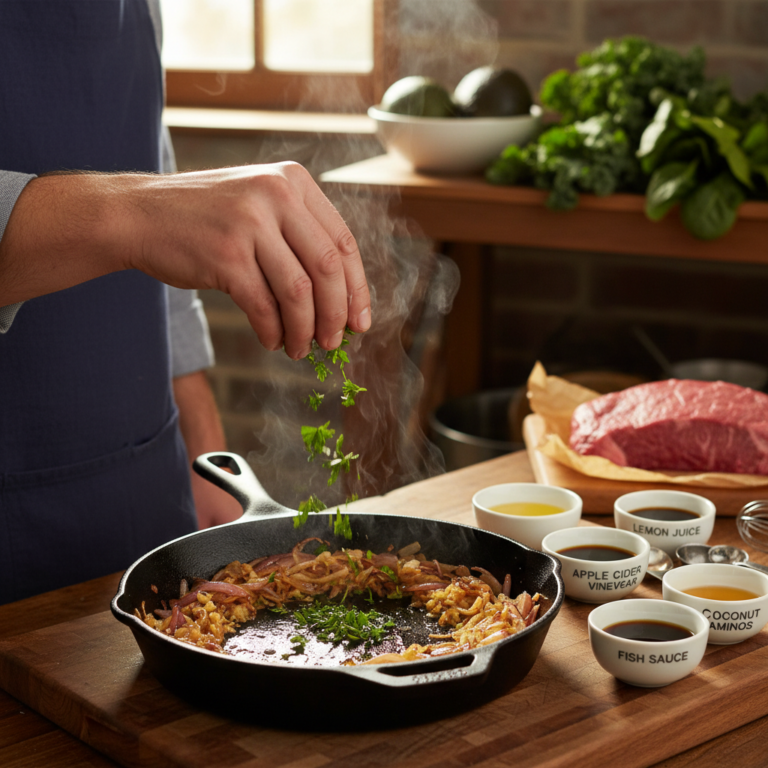
Take that expensive grass-fed roast. After we’ve enjoyed the main meal, I’m simmering those bones overnight for bone broth. The fat cap that I trim? That becomes cooking fat for the rest of the week. Even the drippings get saved and become the base for gravies or get mixed into ground meat for extra flavor.
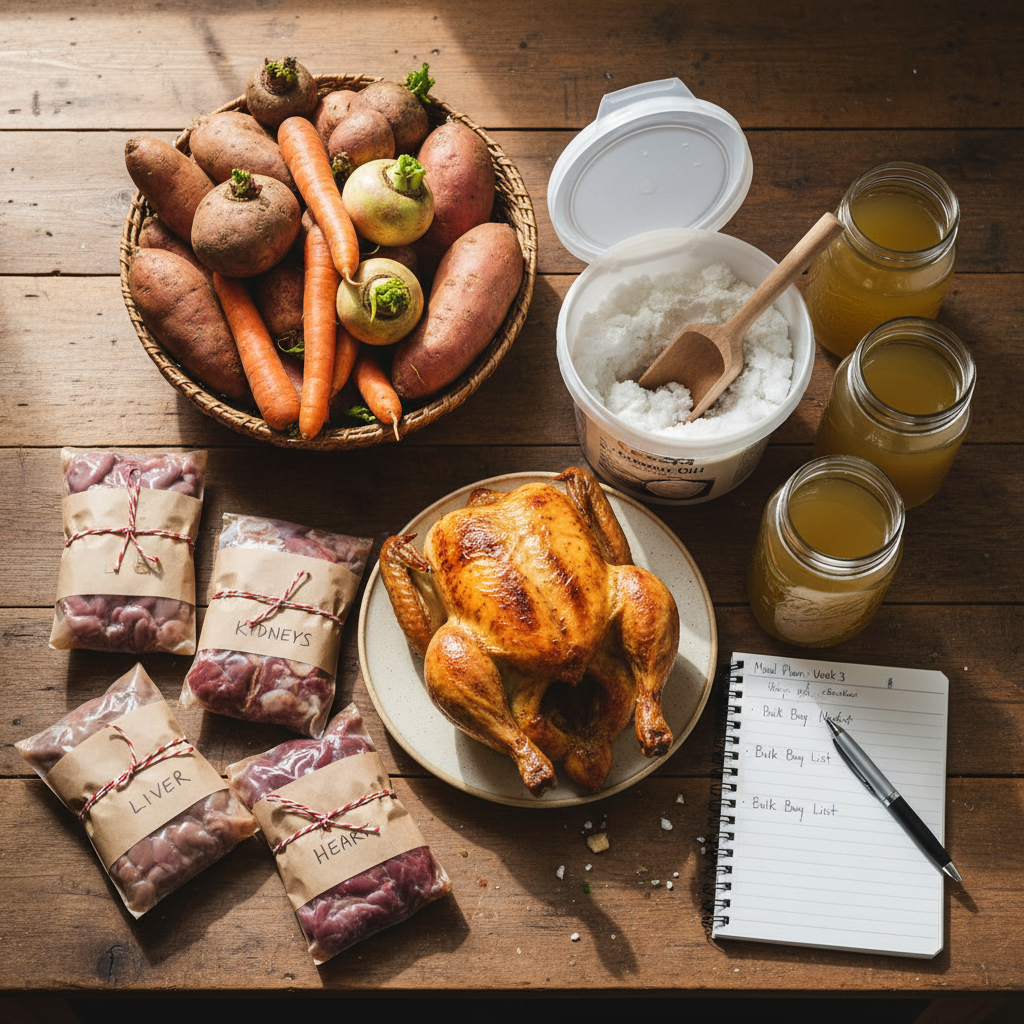
Organ meats might sound intimidating, but they’re nutritional powerhouses and usually cost a fraction of muscle meats. I’ve learned to hide small amounts of liver in ground beef mixtures – my family never notices, and the nutritional boost is incredible. Start with just a quarter pound mixed into two pounds of ground beef.
Vegetable scraps get the same treatment. Onion peels, herb stems, and vegetable tops all go into a freezer bag until I have enough for vegetable stock. It’s like getting free ingredients from ingredients you’ve already paid for.
Strategic Shopping and Seasonal Planning
Timing your purchases can dramatically impact your budget keto-paleo success. I’ve learned to work with the seasons instead of against them.
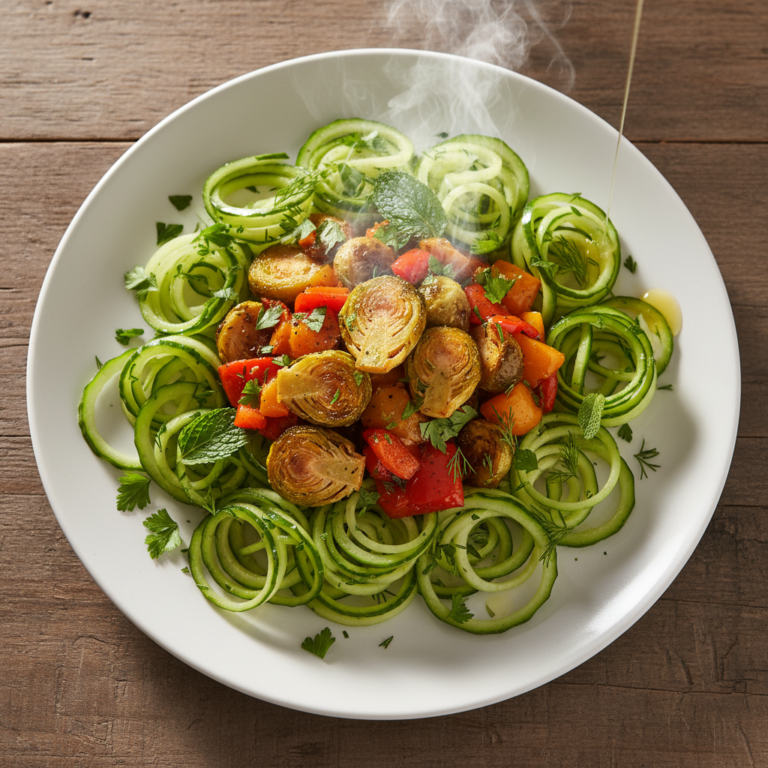
End-of-season sales are goldmines. When summer squash is practically being given away in September, I buy cases and spiralize them for freezing. When avocados go on sale, I buy extra and let them ripen on different schedules so I always have some ready.
Building relationships with local farmers has been another game changer. Many offer bulk pricing or end-of-season deals. I’ve gotten amazing prices on “ugly” vegetables that taste just as good as the pretty ones. Sometimes farmers have excess they need to move quickly – being flexible about exactly which cuts of meat or types of vegetables you accept can lead to incredible deals.
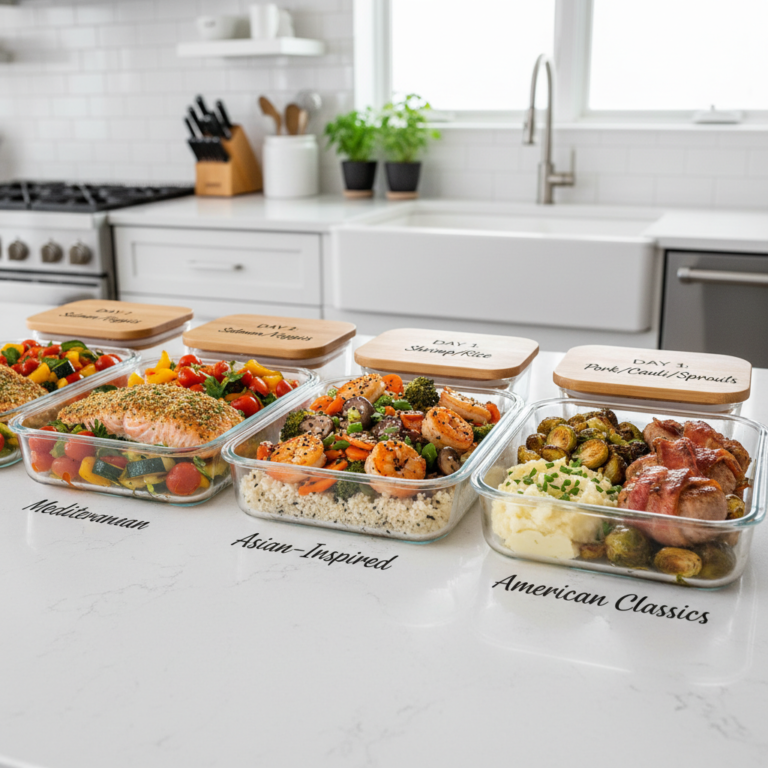
For our Athlete-Approved Batch Cooking sessions, I plan around these sales. When chicken thighs go on sale, that’s batch cooking weekend. I’ll cook multiple preparations at once and freeze them in meal-sized portions.
Preservation and Storage Techniques
Learning to preserve food properly has probably saved me more money than any other single strategy. It’s not just about making things last – it’s about transforming them into convenient, ready-to-use ingredients.
Freezing isn’t just throwing things in bags. I portion everything before freezing. Ground meat gets divided into one-pound portions. Cooked proteins get frozen in serving sizes that match my family’s needs. This prevents the waste that happens when you thaw more than you need.
Dehydrating has become my secret weapon. When herbs are abundant and cheap, I dry them for year-round use. Dehydrated vegetables take up minimal storage space and add concentrated flavor to soups and stews.
Salt-curing and fermentation techniques extend the life of expensive ingredients while adding incredible flavors. A small investment in sea salt can preserve pounds of vegetables. Our Ferments and Flavor guide shows how fermented vegetables can stretch your vegetable budget while adding probiotics to your meals.
Meal Planning with Expensive Ingredients
The key to successful budget keto-paleo meal planning is treating premium ingredients like precious resources that need to be maximized, not rushed through.
I plan meals in “ingredient cascades.” One expensive ingredient becomes the star of multiple meals throughout the week. That grass-fed roast beef becomes Sunday dinner, Monday’s hash with leftover vegetables, Tuesday’s bone broth soup, and Wednesday’s quick stir-fry with the remaining scraps.
Batch cooking becomes even more valuable when you’re working with expensive ingredients. If I’m paying premium prices, I want to maximize both flavor and convenience. Following principles from our Two-Week Keto-Paleo Rotation, I cook larger quantities of expensive proteins and use them in different preparations throughout the week.
Having a solid rotation also helps with budgeting. I know exactly how much of each expensive ingredient I need for two weeks, so I can buy in bulk when prices are good without worrying about waste.
Building Your Budget-Friendly Pantry
A well-stocked pantry is your insurance policy against expensive last-minute purchases. But building it strategically means focusing on shelf-stable ingredients that punch above their weight in terms of flavor and nutrition.
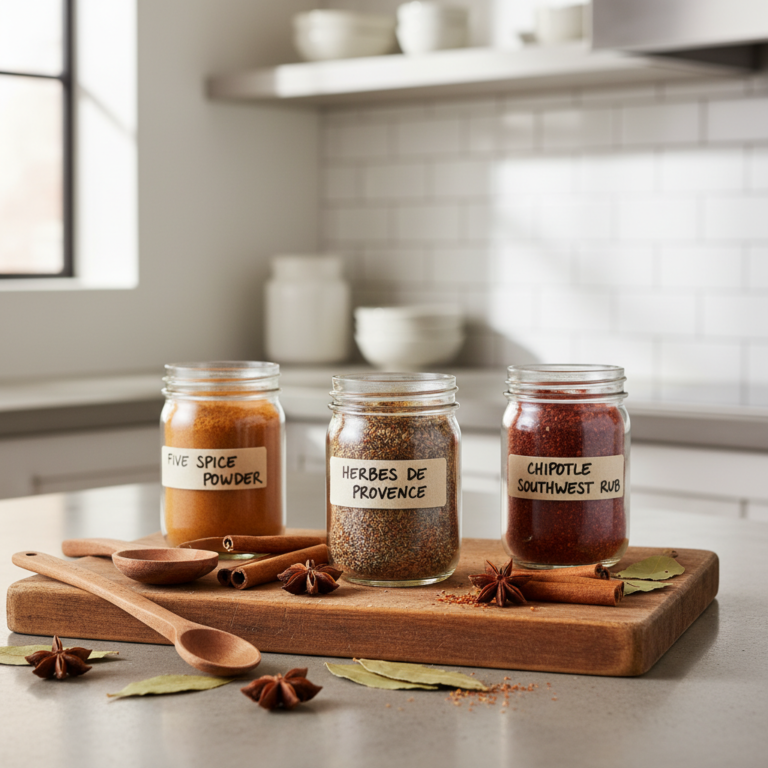
High-quality fats like coconut oil, olive oil, and pastured lard are expensive upfront but last for months and transform inexpensive ingredients into satisfying meals. Good salt, vinegars, and spices fall into the same category – they’re investments that pay dividends in every single meal.
Canned fish like wild-caught salmon, sardines, and anchovies provide premium protein at fraction of fresh prices. I always have several cans on hand for quick meals when fresh proteins are either too expensive or unavailable.
Nuts and seeds in bulk are usually much cheaper than small packages. I buy large quantities when they’re on sale and store them in the freezer to prevent rancidity. They become everything from flour alternatives to protein additions to salads.
Real Kitchen Success Stories
Let me share what this looks like in practice. Last month, I bought a half pastured pig directly from a local farm. The initial cost was $600, which made my stomach flip. But when I calculated everything out, I ended up with premium bacon, chops, roasts, ground pork, and organ meats for about $4.50 per pound – less than grocery store conventional pork chops usually cost.
The bacon alone would have cost more than $200 in stores, and it tastes infinitely better. The leaf lard I rendered from the fat has become my favorite cooking fat, and I’m still using bone broth from those bones three months later.
Another success: buying cases of avocados when they were deeply discounted. I processed them immediately – some became guacamole that I froze in ice cube trays, others were sliced and frozen for smoothies, and the ripest ones became avocado oil in my dehydrator. One case provided healthy fats for months.
Making It Work for Your Situation
You don’t need to completely overhaul your approach overnight. Start with one strategy that feels manageable. Maybe it’s buying larger cuts of one type of meat, or committing to using vegetable scraps for stock, or building relationships with one local farmer.
The beauty of budget keto-paleo is that small changes compound over time. Each strategy you implement makes the others easier and more effective.
Remember, eating real food on a budget isn’t about compromise – it’s about being smart with resources. These strategies have allowed me to eat better food while spending less money, and they’ve made me a more creative and skilled cook in the process.
What premium ingredient would you like to stretch further? Start there, and let me know how it goes. We’re all in this together, figuring out how to nourish ourselves well without breaking the bank.