Keto Paleo Sleep: Foods That Fix Your Rest Naturally
I used to lie awake at 2 AM wondering why my brain wouldn’t shut off, despite being exhausted from keeping up with keto paleo sleep challenges. Sound familiar? After months of tossing and turning, I discovered that the solution wasn’t in my bedroom—it was on my plate. The right foods at the right times can transform your nights from restless battles into restorative victories.
Here’s what I’ve learned about using strategic eating to hack your circadian rhythm naturally. No supplements required—just smart food choices that work with your body’s natural sleep-wake cycle.
Why Sleep Goes Sideways on Keto Paleo (And It’s Not What You Think)
When I first switched to keto paleo, my sleep became a disaster. I thought it was just “adaptation,” but the weeks stretched on with the same 3 AM wake-ups. Turns out, dramatic dietary changes can throw your internal clock completely off track.
Your circadian rhythm depends heavily on nutrient timing and blood sugar stability. When you eliminate grains and most carbs, you’re also removing foods that traditionally helped regulate sleep hormones like melatonin and serotonin.
The good news? Keto paleo foods can actually support better sleep than standard diets—once you know which ones to choose and when to eat them.
The Magnesium Game-Changer: Your Sleep Mineral MVP
Magnesium became my secret weapon for keto paleo sleep optimization. This mineral acts like a natural sedative for your nervous system, helping muscles relax and stress hormones calm down.
The best keto paleo sources include:
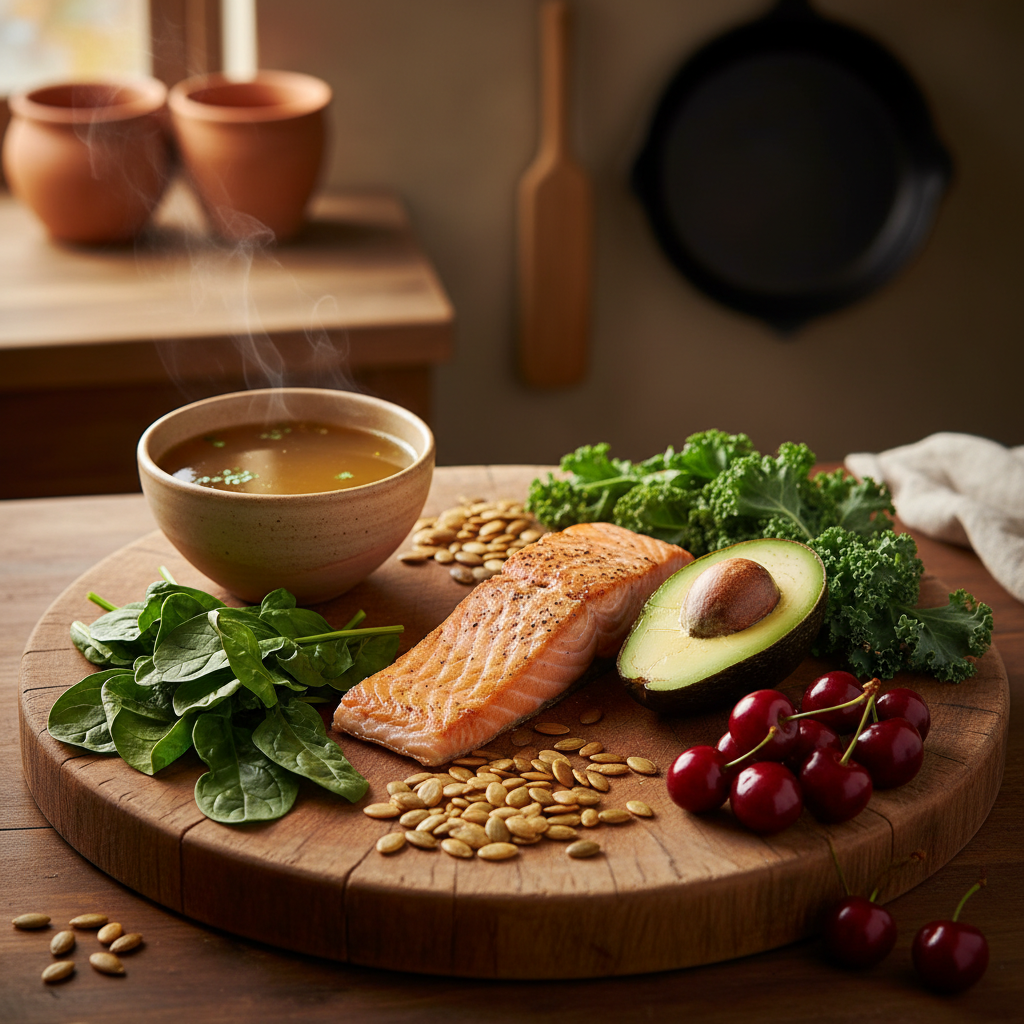
Dark leafy greens like spinach and Swiss chard contain easily absorbed magnesium. I started adding these to my dinner salads and noticed deeper sleep within a week.
Pumpkin seeds pack 150mg of magnesium per ounce. I keep a small bowl on my nightstand for a pre-bed snack that actually helps rather than hurts my sleep.
Avocados provide both magnesium and healthy fats that support hormone production. Plus, they’re filling enough to prevent middle-of-the-night hunger pangs.
Pro tip: Cook your greens lightly. Raw spinach contains oxalates that can interfere with magnesium absorption. A quick sauté makes the nutrients more bioavailable.
Timing Your Fats for Better Sleep Quality
Fat timing dramatically impacts sleep quality—something I learned the hard way after too many late dinners left me wired at bedtime. Your body needs 3-4 hours to properly digest fats, especially the amounts we eat on keto paleo.
I now follow this simple timing strategy:
Heavy fats before 6 PM: Save your fattiest meals for breakfast and lunch. Think grass-fed ribeye, salmon with avocado, or coconut-based curries.
Lighter evening meals: Dinner focuses on moderate fats with plenty of vegetables. A piece of wild-caught fish with roasted vegetables works perfectly.
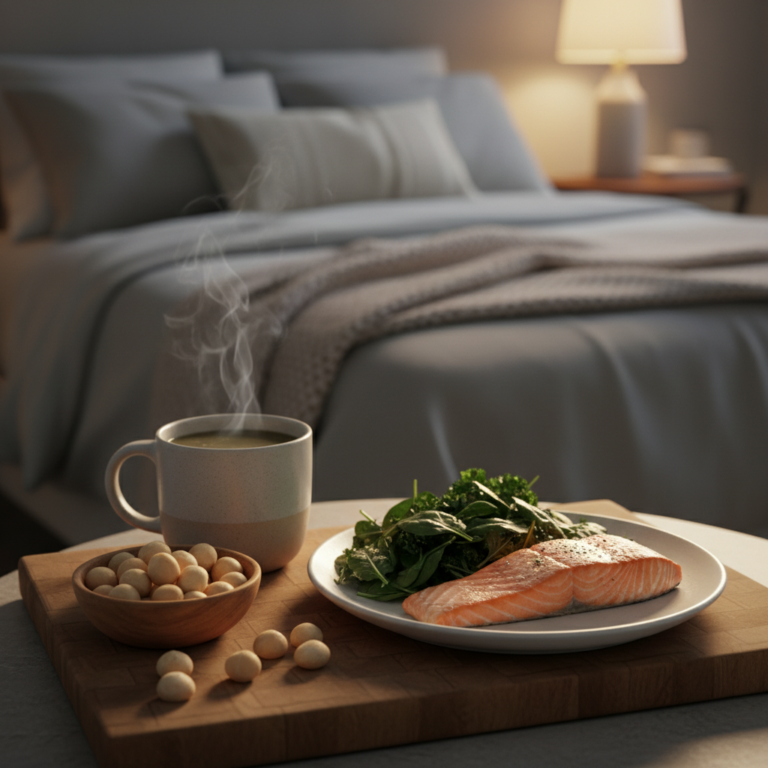
Bedtime snack strategy: If you need something before bed, stick to easily digestible options. A small handful of macadamia nuts or a few slices of cucumber with a tiny bit of almond butter.
This approach has eliminated my 2 AM “food coma” wake-ups entirely. My body can focus on repair instead of digestion during sleep hours.
The Omega Balance Connection
Speaking of fats, getting your omega balance right plays a huge role in sleep quality. Too many omega-6 fats from nuts and seeds can promote inflammation, which interferes with deep sleep stages.
I prioritize omega-3 rich fish like sardines and wild salmon in my evening meals. These help reduce inflammation and support the production of sleep-promoting hormones.
Strategic Carb Timing for Keto Paleo Sleep Success
Yes, you can use strategic carbs for better sleep—even on strict keto paleo. I’m not talking about bread or pasta, but rather targeted use of whole food carbs that support your circadian rhythm.
Sweet potato timing: A small portion (about 1/4 cup) of roasted sweet potato 2-3 hours before bed can boost serotonin production without kicking you out of ketosis.
Berry strategy: A small handful of blueberries or blackberries provides natural sugars that help tryptophan cross the blood-brain barrier. This amino acid then converts to sleep-promoting serotonin.
Seasonal flexibility: During summer, when daylight hours are longer, I occasionally add a few extra berries to dinner. In winter, I stick to lower-carb approaches since my body naturally wants more sleep.
The key is keeping portions small and timing them right. Too many carbs too late will spike blood sugar and interfere with growth hormone release during sleep.
Protein Power: Building Better Sleep Architecture
Getting enough protein throughout the day—but not too much at night—makes a massive difference in sleep quality. Protein provides the amino acids needed to produce sleep hormones and neurotransmitters.
Tryptophan sources: Turkey, grass-fed beef, wild-caught fish, and pasture-raised eggs all contain this sleep-promoting amino acid. I try to include one of these in my dinner.
Glycine benefits: Bone broth, collagen powder, and gelatin provide glycine, which has a calming effect on the nervous system. A warm cup of bone broth an hour before bed has become my favorite sleep ritual.
Portion control: I keep dinner protein portions moderate (about palm-sized). Too much protein late at night can be stimulating and interfere with the natural drop in body temperature needed for deep sleep.
This approach supports muscle recovery during sleep while avoiding the energy spike that comes from oversized protein portions.
Hydration Strategy That Won’t Wake You Up
Balancing hydration for sleep took me months to figure out. You need enough fluids for proper cellular function, but too much leads to midnight bathroom trips that fragment your sleep cycles.
My current strategy works like this:
Front-load hydration: I drink most of my water between breakfast and mid-afternoon. This ensures good hydration without evening urgency.
Electrolyte timing: Adding a pinch of sea salt and lemon to my afternoon water helps with retention. This means I can drink less in the evening while staying properly hydrated.
Evening cutoff: I stop drinking large amounts of water 2 hours before bed. If I’m thirsty later, just small sips.
Morning ritual: I start each day with 16-20 ounces of water with sea salt and lemon. This rehydrates my body after the overnight fast and sets up better hydration patterns for the entire day.
Anti-Inflammatory Foods for Deeper Sleep
Chronic inflammation is a sleep killer, and certain keto paleo foods can either fuel or fight this problem. I’ve learned to structure my meals around keto paleo sleep-supporting anti-inflammatory choices.
Turmeric timing: I add fresh turmeric or turmeric powder to my dinner vegetables. The curcumin helps reduce inflammation that can cause restless sleep. Pair it with black pepper to increase absorption.
Fatty fish priority: Wild-caught salmon, sardines, or mackerel at dinner provides omega-3s that actively fight inflammation while you sleep.
Tart cherry juice alternative: Since traditional tart cherry juice is too high in sugar for keto paleo, I use a few fresh or frozen tart cherries in a small evening salad. They contain natural melatonin precursors.
Avoiding inflammatory foods becomes equally important. I’ve found that even keto paleo foods like nuts can be problematic if I’m eating too many or if they’re rancid. Meal planning with anti-inflammatory foods has helped me stay consistent with sleep-supporting choices.
Meal Prep Strategies for Better Sleep
Consistency is everything when it comes to using food for better sleep. I’ve developed specific meal prep strategies that make it easy to stick with sleep-supporting eating patterns, even during busy weeks.
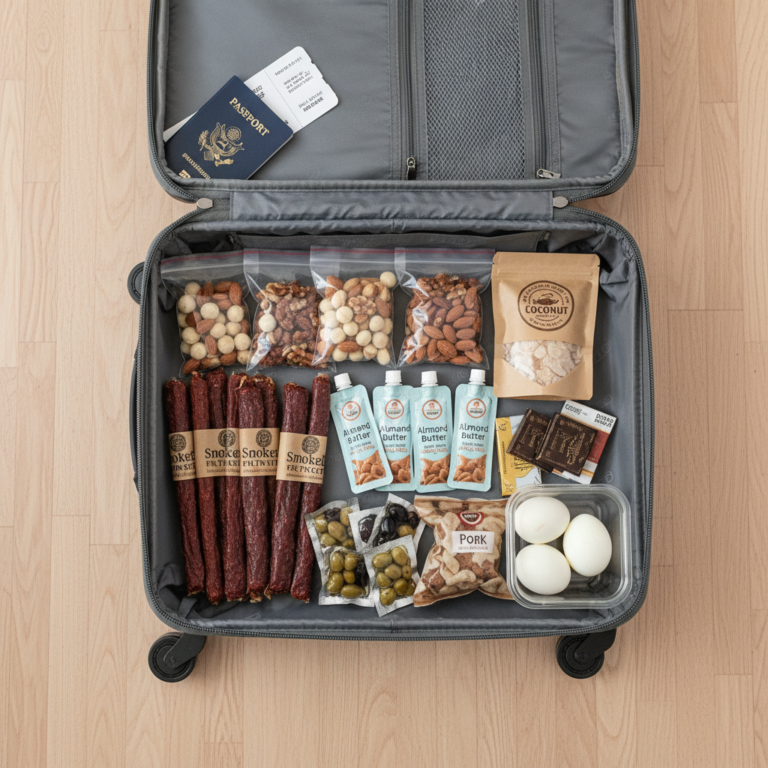
Sunday sleep prep: I prepare sleep-friendly snacks like portioned nuts, cut vegetables, and bone broth ice cubes that I can quickly heat up.
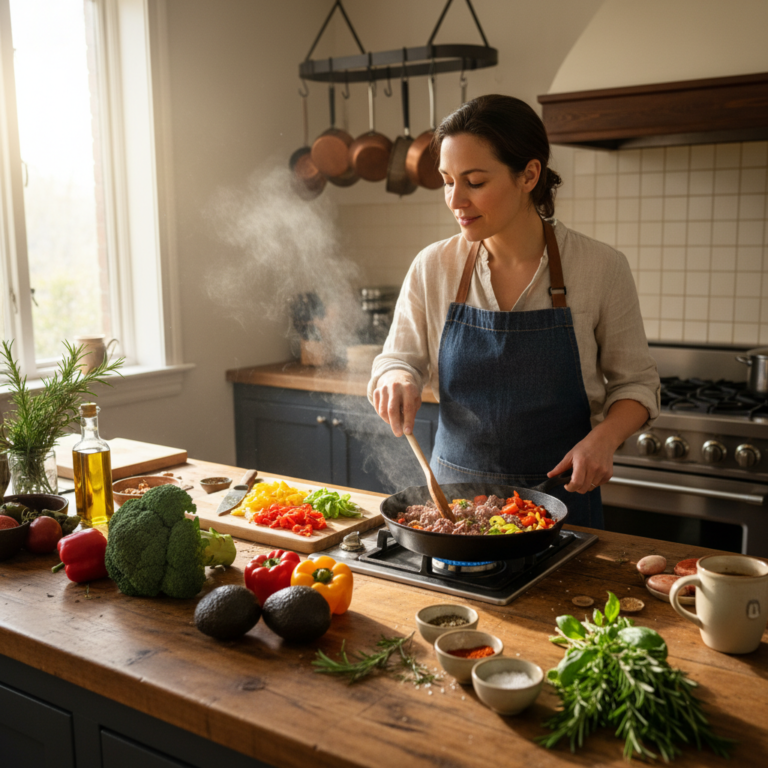
Dinner templates: Having 4-5 go-to dinner combinations means I never have to think about what to eat. Each template includes a moderate protein, anti-inflammatory vegetables, and strategic fats.
Emergency options: I keep leftover-friendly meals in the freezer for nights when I’m too tired to cook. The last thing I want is to resort to inflammatory takeout that will wreck my sleep.
Hormone Balance Through Strategic Eating
Your sleep hormones don’t operate in isolation—they’re part of a complex system that responds to what and when you eat. Balancing hormones naturally through food has been crucial for my sleep transformation.
Cortisol management: Eating regular meals helps prevent cortisol spikes that can keep you wired at night. I never skip meals, even if I’m intermittent fasting.
Insulin stability: Keeping blood sugar stable throughout the day prevents the energy crashes that can throw off circadian rhythms. This means avoiding hidden sugars and focusing on whole foods.
Growth hormone optimization: Going to bed slightly hungry (not starving) allows growth hormone to do its work during sleep. I finish eating 2-3 hours before bedtime.
Troubleshooting Common Sleep Disruptions
Even with perfect food timing, sleep disruptions happen. Here’s how I troubleshoot the most common issues using keto paleo foods:
3 AM wake-ups: Usually blood sugar related. I add a small amount of sweet potato or berries to dinner and make sure I’m getting enough salt throughout the day.
Can’t fall asleep: Often magnesium deficiency or too much stimulation from large meals. I focus on magnesium-rich foods at dinner and eat lighter portions.
Waking up tired: Could be inflammation or poor fat digestion. I reduce evening fat intake and increase anti-inflammatory foods throughout the day.
Restless sleep: Sometimes related to micronutrient deficiencies. Getting proper micronutrient balance through varied whole foods makes a huge difference.
Building Your Personal Sleep-Food Connection
The most important thing I’ve learned is that everyone’s sleep-food connection is slightly different. What works perfectly for me might need tweaking for you, and that’s completely normal.
Start with one change at a time. Maybe begin with magnesium-rich foods at dinner, or try the evening hydration cutoff. Track how you feel and sleep for a week before adding another strategy.
Keep a simple sleep log: Note what you ate for dinner, when you stopped eating, and how you slept. Patterns emerge quickly when you’re paying attention.
Be patient: Just like adapting to keto paleo took time, optimizing your sleep through food is a process. Some changes work immediately, others take weeks to show their full effect.
Stay flexible: Your sleep needs might change with seasons, stress levels, or activity. What works in summer might need adjustment in winter.
The goal isn’t perfection—it’s progress. Every night of better sleep builds on the last, creating momentum toward the deep, restorative rest your body craves.
Using strategic keto paleo sleep optimization through food timing and choices has completely transformed my nights. I hope these practical strategies help you find the same relief I did. Sweet dreams start on your plate, not in a pill bottle.