Post-Workout Recovery Foods: Keto-Paleo Winners That Work
Nothing kills tomorrow’s workout motivation quite like feeling completely drained after today’s session. I learned this the hard way when I first started combining keto-paleo eating with regular exercise. My post-workout recovery foods were all wrong, leaving me sluggish for days instead of energized for the next training session.
Here’s what I’ve figured out: the right recovery nutrition doesn’t have to spike your blood sugar or kick you out of ketosis. In fact, some of the most effective post-workout recovery foods align perfectly with our way of eating.
Why Post-Workout Recovery Foods Matter More on Keto-Paleo
When you’re fat-adapted, your body handles recovery differently than someone running on glucose. This isn’t necessarily bad news – it’s just different, and we need to work with our physiology rather than against it.
Your muscles still need to rebuild after exercise. However, instead of relying primarily on carb replenishment, we’re focusing on providing the right building blocks for repair while supporting our metabolic state.
The challenge? Most conventional recovery advice assumes you’re eating carbs. Meanwhile, we’re trying to stay in ketosis while giving our bodies what they actually need to bounce back stronger.
The Recovery Window Reality Check
That mythical “30-minute window” isn’t as critical as fitness magazines make it seem. Yes, there’s value in post-workout nutrition, but your body doesn’t shut down protein synthesis at the 31-minute mark.
What matters more is consistency over the next 24-48 hours. This takes some pressure off and lets us focus on foods that actually support our lifestyle long-term.
Top Post-Workout Recovery Foods for Keto-Paleo Success
After plenty of trial and error (and some seriously sore recovery days), these foods have proven themselves as reliable recovery allies.
Fatty Fish: The Ultimate Recovery Protein
Salmon, sardines, and mackerel tick every box. High-quality protein for muscle repair, omega-3s for inflammation control, and enough fat to keep you satisfied without needing carbs.
I keep canned wild salmon in my gym bag for those days when I’m not heading straight home. Mixed with some avocado and sea salt, it’s become my go-to post-workout recovery food.
The anti-inflammatory benefits are real too. I notice less joint stiffness the day after intense sessions when I prioritize these fatty fish options. If you’re dealing with inflammation issues, check out our guide on anti-inflammatory keto-paleo foods for more targeted strategies.
Grass-Fed Beef: Powerhouse Protein Plus
Don’t overlook the simple effectiveness of quality beef. Grass-fed varieties provide complete amino acids, creatine, and B-vitamins that support energy production.
Ground beef mixed with sautéed spinach and topped with avocado makes an incredibly satisfying post-workout meal. The protein supports muscle repair while the fat content keeps you satiated for hours.
Plus, it’s usually budget-friendly when bought in bulk. Speaking of budget considerations, our budget keto-paleo shopping guide has some great strategies for getting quality protein without breaking the bank.
Eggs: The Most Complete Recovery Package
Pastured eggs are probably the most versatile recovery food in our arsenal. Perfect amino acid profile, healthy fats, and nutrients like choline that support cellular repair.
I often make a quick scramble with spinach and avocado oil after morning workouts. It’s ready in five minutes and provides everything my muscles need to start rebuilding.
The leucine content in eggs is particularly valuable for triggering muscle protein synthesis. This makes them especially effective when eaten within a few hours of training.
Strategic Timing for Maximum Recovery Benefits
Timing isn’t everything, but it’s not nothing either. Here’s what actually works in practice rather than theory.
Immediately Post-Workout (0-30 minutes)
Honestly? Sometimes I’m not hungry right after a workout, and that’s okay. If you are hungry, focus on easily digestible options.
A small serving of bone broth with some collagen powder works well here. It’s gentle on the stomach but provides amino acids that support recovery. The electrolytes don’t hurt either, especially after a sweaty session.
The Golden Hour (30-90 minutes)
This is where I focus most of my recovery nutrition efforts. My body has settled down from the workout, and I’m usually genuinely hungry.
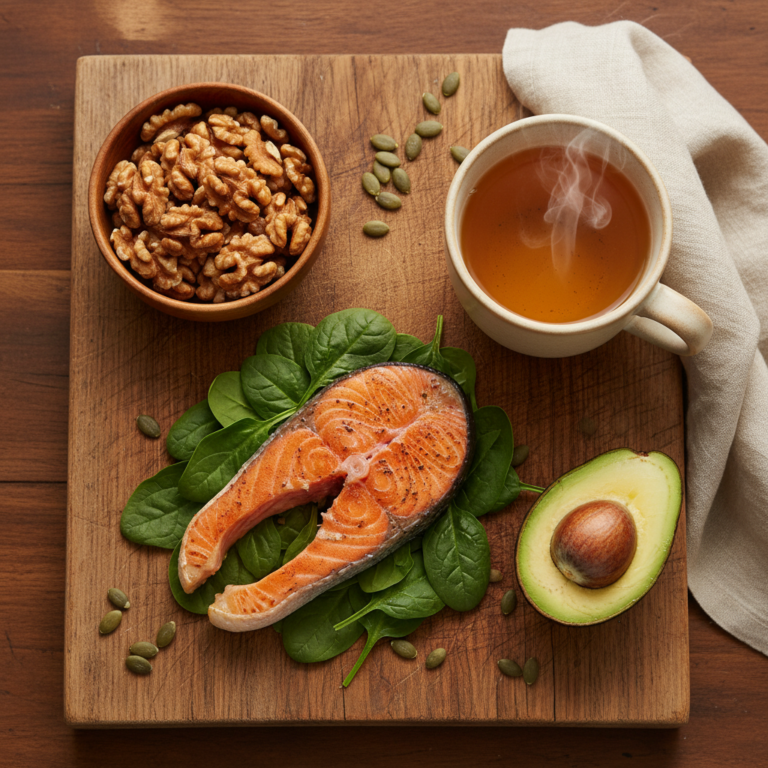
A proper meal with protein, healthy fats, and nutrient-dense vegetables serves me better than any engineered recovery product. Think salmon with roasted Brussels sprouts cooked in avocado oil, or a grass-fed burger wrapped in lettuce with avocado.
The key is making it substantial enough to support recovery but not so heavy that you feel sluggish for the rest of the day.
Extended Recovery (2-24 hours)
This is where consistency really pays off. Every meal becomes an opportunity to support recovery through quality nutrition.
I’ve found that my sleep quality dramatically impacts how well I recover. Certain foods can either support or hinder this process. Our post on keto-paleo sleep foods covers this connection in detail.
Hydration and Electrolyte Balance Without the Sugar
Most commercial sports drinks are basically sugar water with a few minerals thrown in. We can do much better while staying true to our eating principles.
Natural Electrolyte Solutions
Sea salt in water isn’t glamorous, but it works. Add some lemon juice and you’ve got a simple, effective hydration solution.
Bone broth serves double duty here – hydration plus amino acids for recovery. I often sip warm bone broth after evening workouts, and it helps me wind down for better sleep.
Coconut water can work if you’re not strictly limiting carbs, though I personally find it too sweet and prefer to get my electrolytes from whole food sources.
The Water Weight Factor
Don’t panic if the scale fluctuates after intense workouts. Exercise-induced inflammation and glycogen changes can affect water retention significantly.
This is normal and temporary. Our detailed post on keto-paleo water weight fluctuations explains exactly what’s happening and why it’s not worth stressing over.
Recovery Foods That Support Deep Sleep
Quality sleep might be the most underrated recovery tool we have. Certain post-workout recovery foods can actually improve sleep quality, creating a positive recovery cycle.
Magnesium-Rich Options
Dark leafy greens, pumpkin seeds, and avocados all provide magnesium, which supports both muscle recovery and sleep quality.
I often have a salad with spinach, pumpkin seeds, and avocado as my post-workout meal. It hits all the recovery bases while supporting better sleep that night.
Tryptophan Sources
Turkey isn’t just for Thanksgiving. This amino acid can help promote sleepiness, making it a smart choice for evening post-workout meals.
Pastured turkey with roasted vegetables makes for a satisfying dinner that supports both recovery and sleep. The key is not overdoing the portion size, which could interfere with sleep quality.
Meal Prep Strategies for Consistent Recovery
Having the right foods ready makes all the difference between consistent recovery nutrition and grabbing whatever’s convenient (and often not ideal).
Batch Cooking Recovery Essentials
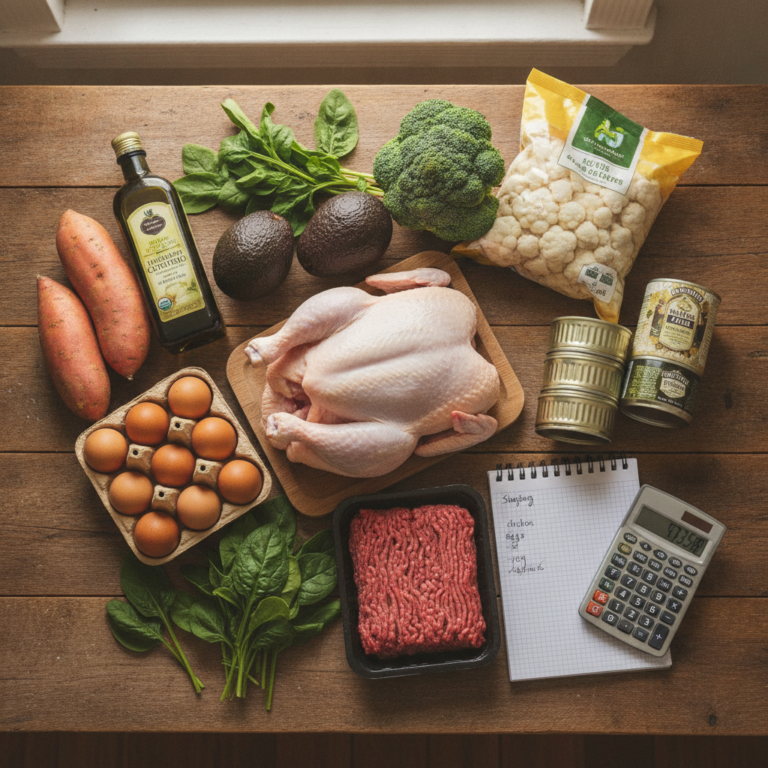
I typically cook large batches of protein on Sundays – grass-fed ground beef, baked salmon, and hard-boiled eggs. This gives me quick options throughout the week.
Roasted vegetables keep well and can be quickly reheated and combined with any protein for a complete recovery meal. Our weekend meal prep guide has more detailed strategies for this approach.
Portable Recovery Options
Not every workout happens at home. Having portable post-workout recovery foods prevents relying on whatever’s available at the gym or nearby.
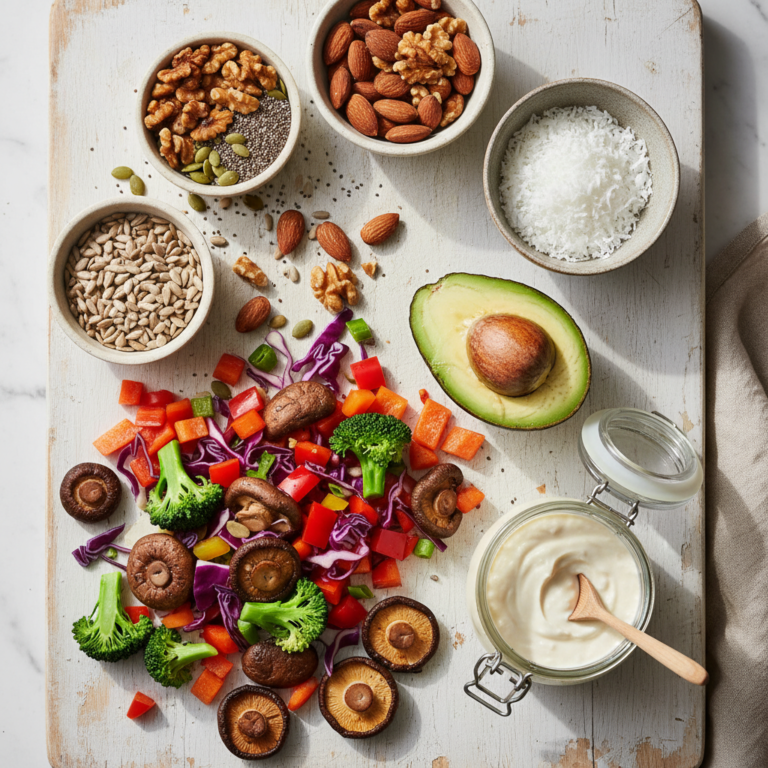
Individual packets of almond butter, canned fish, and beef jerky (check the ingredients) travel well. Combined with some pre-cut vegetables, you’ve got a complete recovery meal anywhere.
This strategy has been especially helpful when traveling. Our keto travel snacks guide has more ideas for maintaining nutrition standards on the road.
Avoiding Common Post-Workout Nutrition Mistakes
I’ve made plenty of mistakes in this area. Here are the biggest ones to avoid, along with what actually works instead.
Mistake #1: Forcing Food When Not Hungry
Sometimes your body genuinely doesn’t want food immediately after exercise. That’s okay. Listen to your hunger cues rather than following arbitrary timing rules.
However, make sure you’re not confusing lack of appetite with dehydration. Sometimes a glass of water with sea salt is all you need in the moment.
Mistake #2: Obsessing Over Protein Amounts
Yes, protein matters for recovery. But you don’t need to stress about hitting exact numbers within specific timeframes.
Focus on including quality protein with most meals throughout the day. Your body is remarkably good at utilizing nutrients when you provide consistent, high-quality options.
Mistake #3: Ignoring Individual Response
What works for your training partner might not work for you. Pay attention to how different foods affect your energy, recovery, and performance.
I can handle dairy after workouts, but some people find it inflammatory. Eggs work great for me, but others feel sluggish. There’s no universal perfect recovery food – only what works for your body.
Building Your Personal Recovery Protocol
Start simple and adjust based on what you notice about your recovery, energy levels, and performance.
Week 1-2: Establish Basics
Focus on getting some quality protein and fat within a few hours of training. Don’t overthink it – a simple meal with meat, vegetables, and healthy fat covers the basics.
Pay attention to how you feel the next day. Are you energized for your next workout, or are you dragging? This baseline helps you adjust from there.
Week 3-4: Fine-Tune Timing
Experiment with meal timing. Some people do better eating immediately after workouts, others prefer waiting an hour or two.
Also consider the type of exercise. I’ve noticed I need more substantial recovery nutrition after strength training compared to steady-state cardio.
Ongoing: Adapt and Optimize
Your needs will change based on training intensity, stress levels, sleep quality, and other factors. Stay flexible and adjust accordingly.
If you’re hitting plateaus in performance or recovery, it might be worth examining your overall nutrition approach. Our plateau breakers guide covers broader strategies that might help.
The goal isn’t perfection – it’s finding a sustainable approach that supports your training while aligning with your eating principles. Some days you’ll nail the recovery nutrition, others you’ll grab whatever’s available and move on. Both are part of the process.
Remember, consistency over time matters more than perfection in any single session. Focus on building habits around quality post-workout recovery foods that you actually enjoy eating and can realistically prepare on a regular basis.