|

Budget Keto Paleo: Stretch Your Dollar Without Compromise

Let’s be honest – sticking to budget keto paleo eating feels nearly impossible when you’re staring at grocery receipts that make your eyes water. I’ve been there, standing in the meat section doing mental math, wondering if I can really afford grass-fed beef again this week. The good news? You absolutely can maintain your keto-paleo lifestyle without breaking the bank, and I’m here to share what’s actually working for me and countless others in our community.

Over the past few years, I’ve learned that budget keto paleo isn’t about cutting corners on quality – it’s about being strategic with your choices. Today, we’re diving deep into practical strategies that will help you stretch every dollar while keeping your health goals on track.

Smart Shopping Strategies for Budget Keto Paleo Success

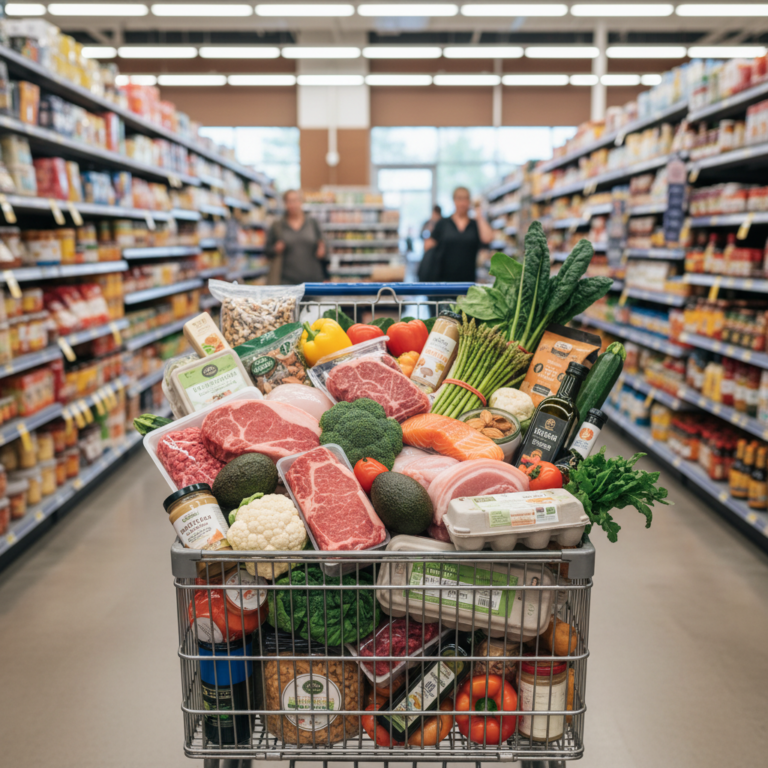
The foundation of budget keto paleo starts before you even enter the store. I’ve found that planning is everything, but not the kind of rigid meal planning that makes you want to give up after day three.

First, shop your freezer and pantry before making any grocery list. I can’t tell you how many times I’ve discovered forgotten proteins or vegetables hiding in the back. This simple step often saves me $20-30 per shopping trip.

Next, embrace seasonal shopping. Those beautiful asparagus spears in January? They’re going to cost you. But root vegetables in winter and leafy greens in spring? That’s where your budget-friendly nutrients live. I keep a simple note on my phone tracking what’s in season each month – it’s become second nature now.

Bulk buying is your friend, but only for items you’ll actually use. I learned this the hard way when I bought 10 pounds of ground turkey on sale, then got tired of it after week two. Now I stick to buying 2-3 pounds of proteins at a time, even when there’s a great deal.

Budget-Friendly Protein Sources That Don’t Compromise Quality

Here’s where budget keto paleo gets really interesting. The most expensive cuts aren’t always the most nutritious, and some of the cheapest options pack incredible nutritional punches.

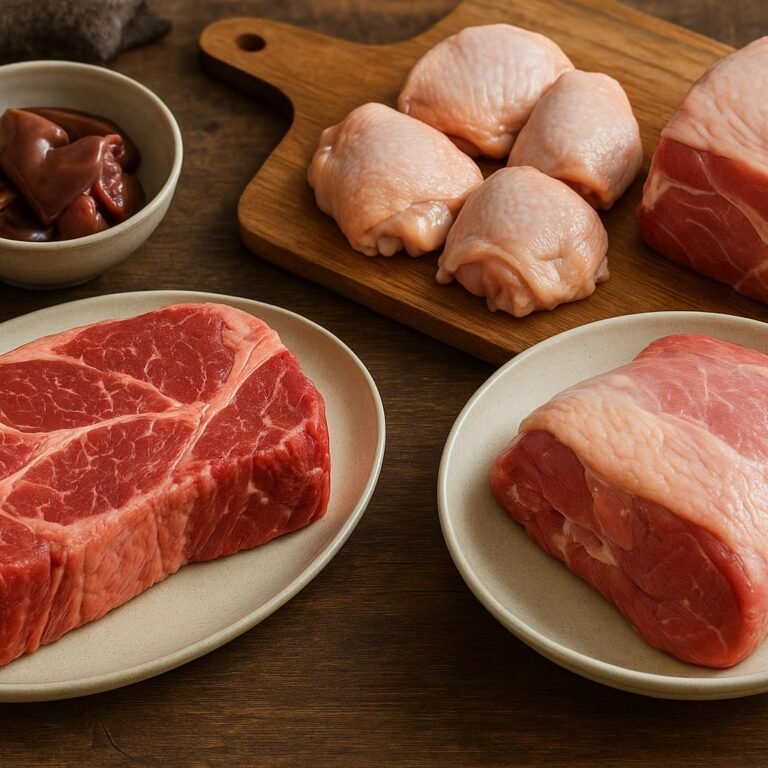
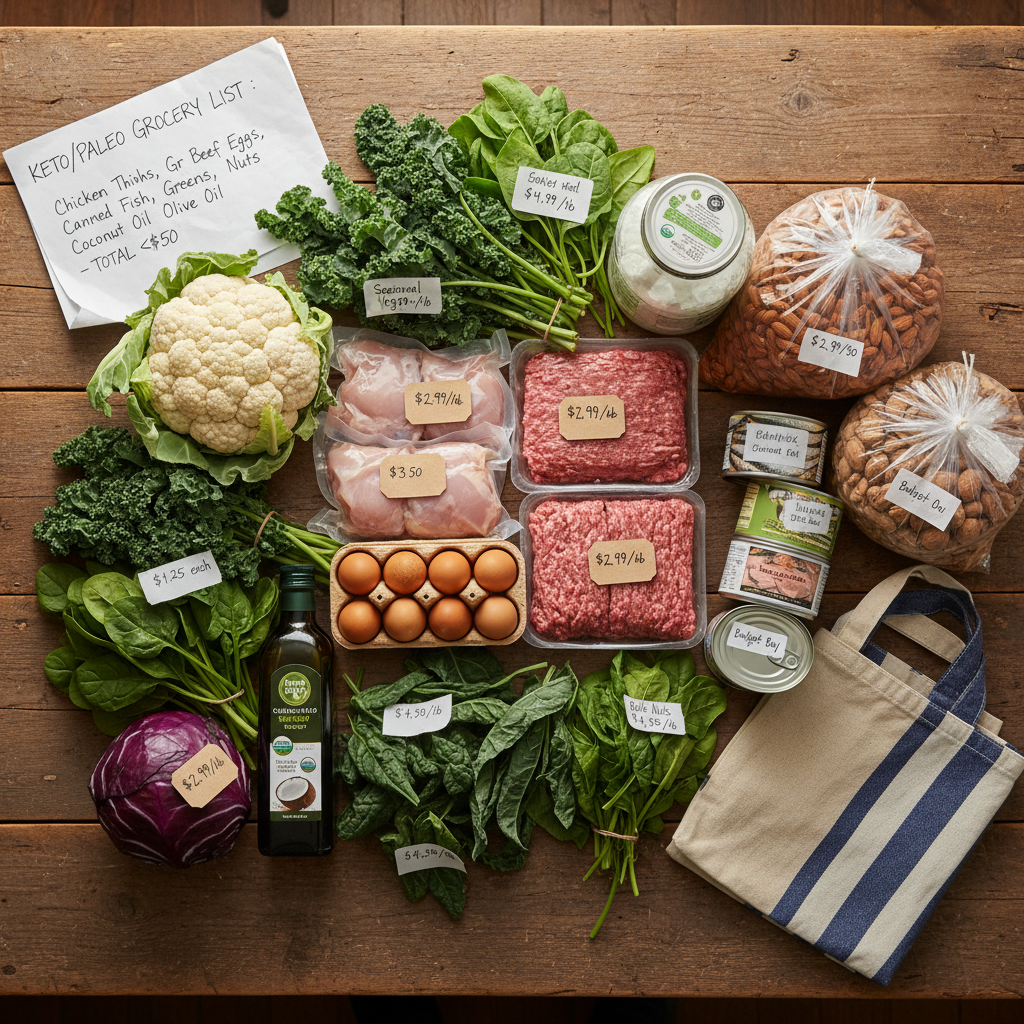
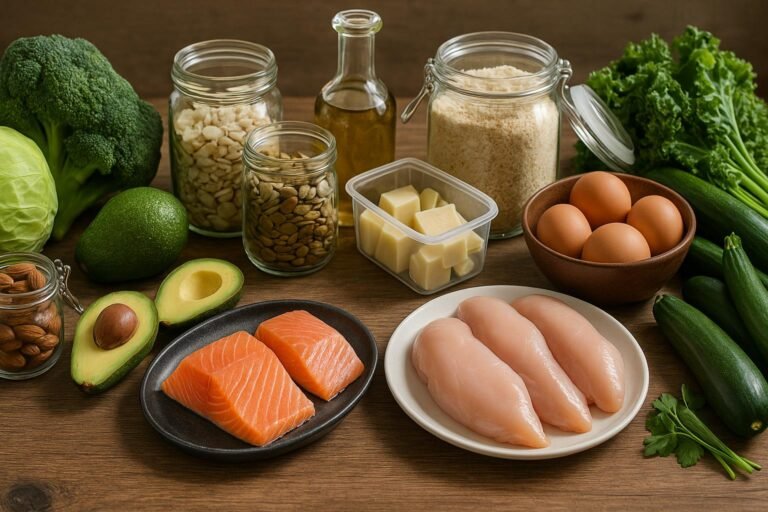
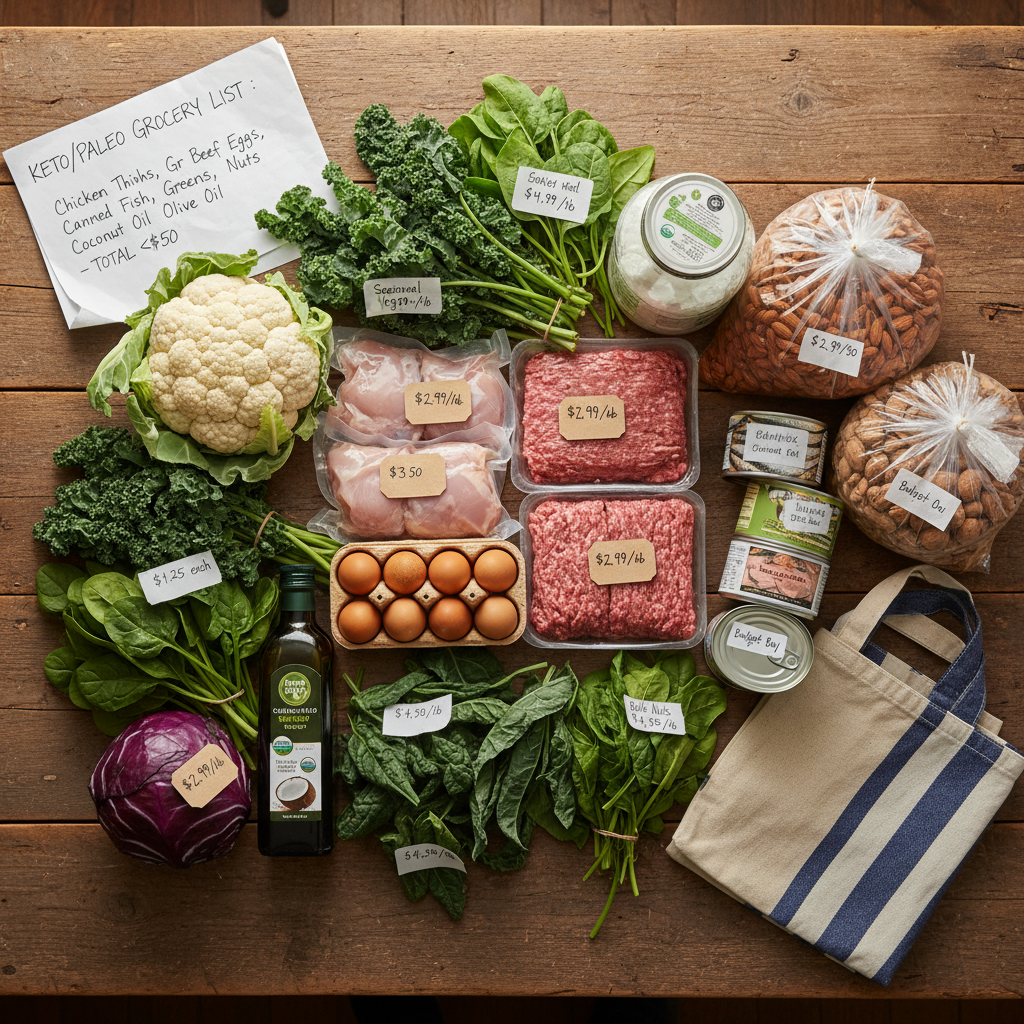
Chicken thighs have become my absolute favorite budget protein. They’re typically half the price of breasts, have better flavor, and the higher fat content makes them perfect for keto ratios. I buy them bone-in and skin-on for maximum savings, then remove bones myself – it takes five minutes and saves dollars.

Ground meats are budget keto paleo gold mines. Ground beef (80/20 mix), ground turkey, and ground pork offer versatility and value. I’ve found that buying these in bulk and immediately portioning them into 1-pound freezer bags prevents waste and makes meal planning effortless.

Don’t overlook organ meats if you can handle them. Chicken livers cost about $2 per pound and are nutritional powerhouses. I blend small amounts into ground beef for burgers – it adds nutrients without changing the taste significantly.

Eggs remain one of nature’s perfect budget keto paleo foods. At roughly $0.25 per egg, they provide complete protein and healthy fats. I go through about 18 eggs per week and consider them one of my best nutritional investments.

Seasonal Produce: Your Secret Weapon for Affordable Nutrients

Learning to eat seasonally has transformed both my budget and my relationship with vegetables. It’s amazing how much better and cheaper food tastes when it’s actually in season.

Spring brings affordable leafy greens like spinach, arugula, and kale. These nutrient-dense options support the anti-inflammatory benefits we’re seeking with keto-paleo eating. I buy them in bulk when they’re cheapest and use techniques from my weekend meal prep routine to preserve them properly.

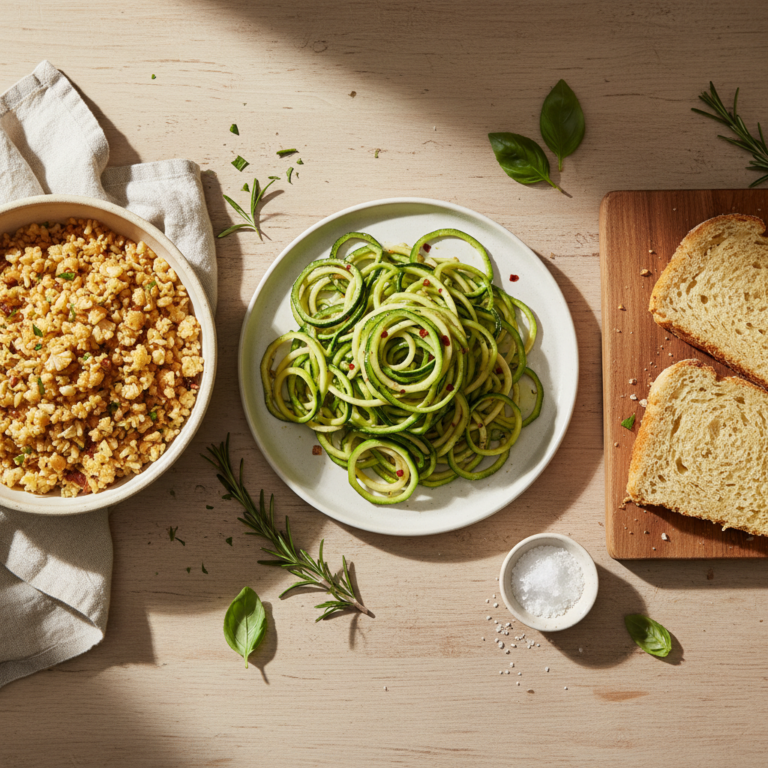
Summer squash, zucchini, and bell peppers become incredibly affordable during peak season. I spiralize zucchini for pasta alternatives and roast bell peppers in large batches for easy meal additions throughout the week.

Fall and winter root vegetables like turnips, rutabagas, and radishes make excellent potato substitutes at fraction of the cost. These vegetables store well and provide the hearty, satisfying elements our bodies crave during colder months.

Frozen vegetables deserve serious consideration too. Flash-frozen at peak ripeness, they often contain more nutrients than “fresh” vegetables that have traveled thousands of miles. Frozen broccoli, cauliflower, and spinach have become staples in my freezer.

Pantry Staples That Maximize Nutrition Per Dollar

Building a smart budget keto paleo pantry means focusing on versatile ingredients that appear in multiple meals throughout the week. These foundational items provide the building blocks for countless variations.

Coconut oil and olive oil top my list. Yes, quality fats cost more upfront, but they’re essential for proper omega balance and go much further than you’d expect. I buy these in larger containers when they’re on sale – the per-ounce cost drops significantly.

Canned fish like sardines, salmon, and mackerel provide incredible nutrition for minimal cost. A can of sardines costs about $2 and provides more omega-3s than many expensive supplements. I’ve learned to embrace these humble proteins, and they’ve become regular parts of my weekly rotation.

Nuts and seeds in bulk offer both protein and healthy fats. I buy almonds, walnuts, and pumpkin seeds in large bags and portion them immediately. They’re perfect for adding substance to salads or eating as quick snacks.

Quality salt, herbs, and spices transform simple ingredients into exciting meals. I invest in a few high-quality basics rather than buying every specialty blend. Garlic powder, oregano, thyme, and paprika can create dozens of flavor profiles.

Strategic Meal Planning on a Budget Keto Paleo Framework

Effective budget keto paleo meal planning looks different from conventional approaches. Instead of planning every single meal, I focus on flexible frameworks that work with whatever’s affordable that week.

I plan around proteins first, since they’re typically the most expensive component. If chicken thighs are on sale, that determines my protein base for several meals. Then I build vegetables and fats around that foundation.

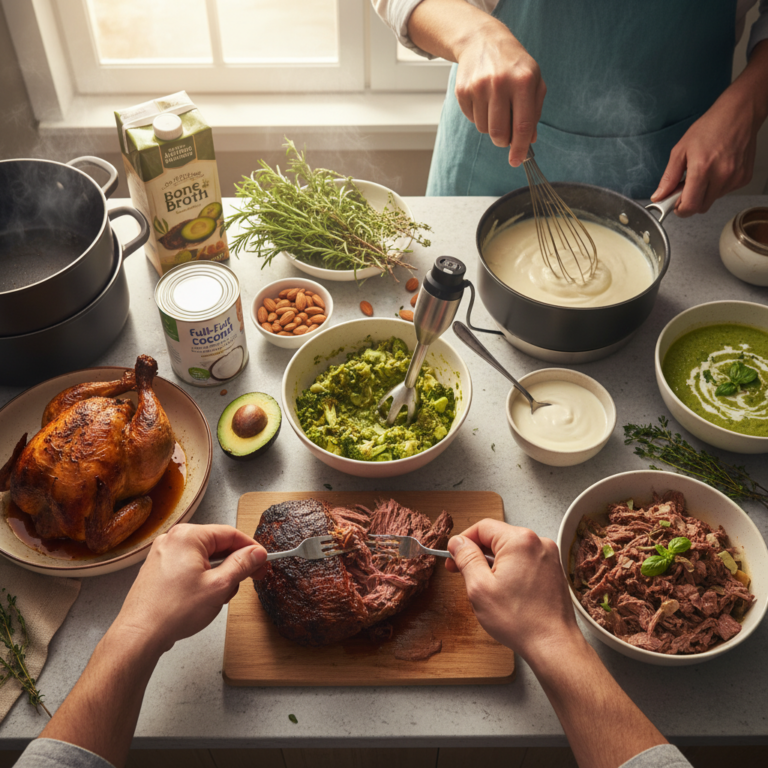
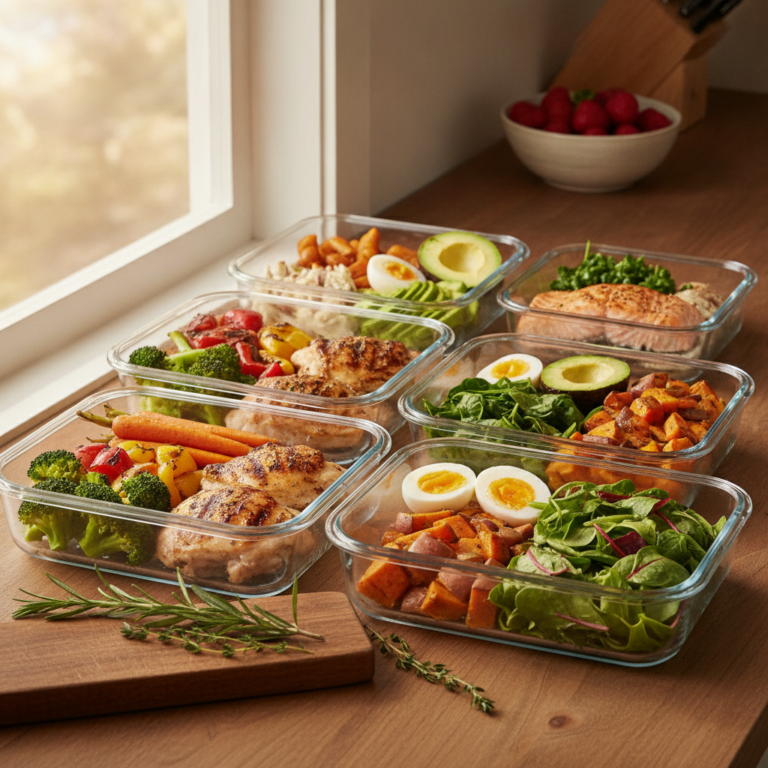
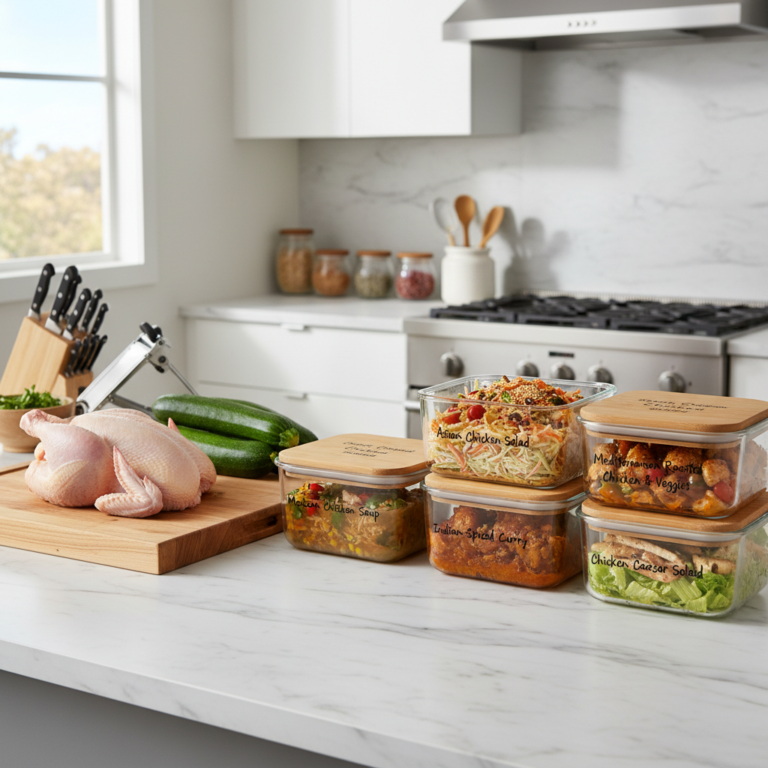
Batch cooking has revolutionized my approach to budget-friendly eating. Following principles from my meal prep strategies, I dedicate two hours on Sunday to preparing proteins and vegetables that can be mixed and matched throughout the week.

Leftover transformation prevents food waste and boredom. The techniques I’ve shared in my leftover makeover guide have saved me both money and time while keeping meals interesting.

One-pot meals maximize flavor while minimizing cleanup and ingredient waste. Stews, braises, and sheet-pan dinners often use less expensive cuts of meat and transform them into tender, flavorful meals.

Smart Shopping Timing and Store Selection

When and where you shop can dramatically impact your budget keto paleo success. I’ve discovered patterns that consistently save money without sacrificing quality.

Shop early in the week for the best selection of marked-down meats. Many stores reduce prices on Sunday or Monday to clear weekend inventory. These proteins are perfect for immediate cooking or freezing.

End-of-day shopping at farmers markets often yields significant discounts. Vendors prefer to sell remaining produce rather than pack it up, and I’ve scored amazing deals on organic vegetables this way.

Warehouse stores can offer substantial savings on specific items, but be selective. I only buy items I know I’ll use completely – those bulk packages of nuts and frozen vegetables, not the giant containers of specialty seasonings.

Local butchers sometimes offer better deals than grocery stores, especially for less popular cuts. Building relationships with local suppliers has led to opportunities for bulk purchases and notifications about special deals.

Preparation Techniques That Stretch Every Ingredient

How you prepare food significantly impacts both flavor and food budget efficiency. These techniques help extract maximum value from every purchase.

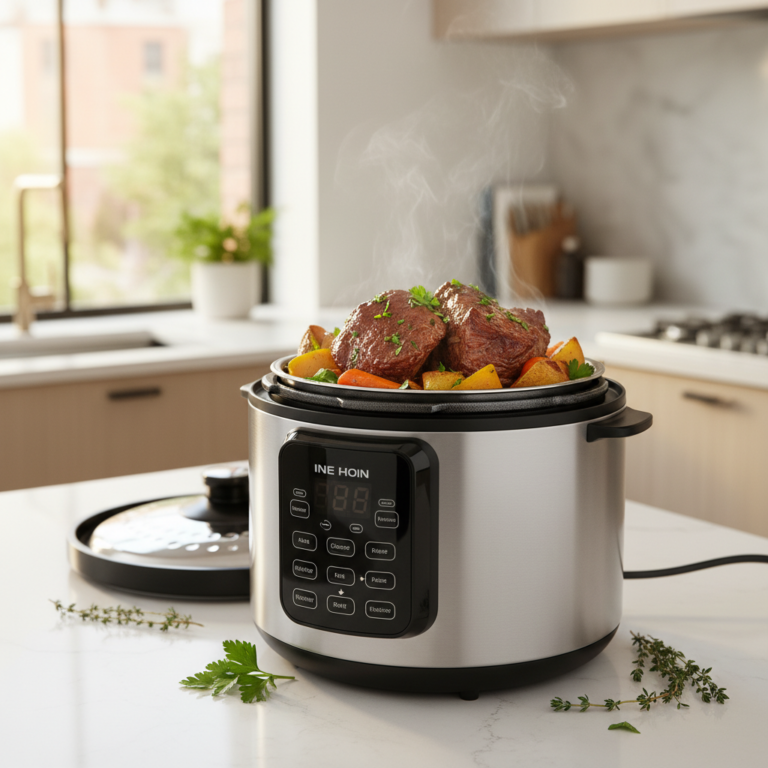
Slow cooking transforms inexpensive, tougher cuts into tender, flavorful meals. Chuck roast, pork shoulder, and chicken thighs become incredibly satisfying when cooked low and slow. These methods also generate rich cooking liquids perfect for future meals.

Bone broth making utilizes parts typically discarded. Save chicken bones, vegetable scraps, and herb stems in the freezer until you have enough for a batch. Homemade bone broth costs pennies compared to store-bought versions and provides nutrients that support metabolism healing.

Fermentation extends vegetable life while adding beneficial probiotics. Simple fermentation techniques can transform cabbage into sauerkraut or cucumbers into pickles, creating probiotic-rich foods for minimal cost.

Proper storage prevents waste and extends freshness. I’ve learned to store different vegetables using specific methods that keep them fresh longer, reducing the frequency of shopping trips and preventing spoilage.

Building Meals Around Budget-Friendly Whole Foods

Creating satisfying budget keto paleo meals requires shifting focus from expensive specialty products to nutrient-dense whole foods that provide natural satisfaction.

Base meals around affordable proteins, then add variety through preparation methods and seasonings. Ground beef can become burgers, meatballs, or seasoned crumbles for salads – three completely different eating experiences from one ingredient.

Use vegetables as both nutrition and volume. Cauliflower rice, zucchini noodles, and spaghetti squash provide satisfying bulk while keeping meals keto-friendly. These substitutions often cost less than their grain counterparts.

Fat additions create satisfaction and support ketosis without breaking budgets. Avocados when in season, olive oil drizzles, and nuts provide the richness that makes meals feel complete and prevents between-meal cravings.

Focus on foods that support overall health goals. The ingredients that help with better sleep quality or inflammation reduction often overlap with budget-friendly options when chosen strategically.

Making Budget Keto Paleo Sustainable Long-Term

The key to long-term budget keto paleo success lies in developing systems rather than relying on willpower or perfect adherence to strict rules.

Start with small changes rather than complete pantry overhauls. Replace one expensive item per shopping trip with a budget-friendly alternative. This gradual approach prevents overwhelming yourself or your budget.

Track what works for your specific situation. Keep notes about which proteins offer the best value, which vegetables your family actually eats, and which preparation methods save the most time. This personal data becomes invaluable for future planning.

Build flexibility into your approach. Some weeks, splurging on grass-fed beef might fit the budget, while other weeks call for more ground turkey and chicken thighs. Rigid rules create stress; flexible frameworks create success.

Connect with others following similar paths. Sharing bulk purchases, recipe ideas, and shopping tips with friends or online communities multiplies everyone’s success while building supportive relationships.

Remember that budget keto paleo is a marathon, not a sprint. Small consistent choices compound over time, creating both financial savings and health improvements that sustain themselves naturally.

The truth is, eating well on a budget requires creativity and planning, but it’s absolutely achievable. Every dollar saved on groceries while maintaining your health goals is a victory worth celebrating. These strategies have transformed my relationship with both food and money, and I’m confident they can do the same for you.

Similar Posts

|

Budget Keto-Paleo Shopping: Eat Well Under $75 Weekly

Let me be real with you – when I first heard about eating keto-paleo on a budget, I laughed. How could anyone maintain quality fats, grass-fed meats, and organic vegetables without spending their entire paycheck? But here’s what I discovered after months of trial and error: budget keto-paleo shopping isn’t just possible, it’s actually easier than you think once you know the right strategies.

I’ve been tracking my grocery spending religiously for the past year, and I can consistently feed my family of three with quality keto-paleo foods for under $75 per week. That’s roughly $3.57 per person per day, which honestly shocked me when I first calculated it.

The Foundation of Smart Budget Keto-Paleo Shopping

First, let’s talk mindset. Budget eating doesn’t mean compromising on health – it means getting strategic about where your money goes. I’ve learned that 80% of successful budget shopping happens before you even enter the store.

The key is understanding which ingredients give you the biggest nutritional bang for your buck. For instance, buying whole chickens instead of pre-cut pieces saves me about 40% on protein costs. Similarly, choosing seasonal vegetables and buying in bulk when items are on sale has transformed my grocery budget.

Here’s my weekly breakdown that consistently keeps me under $75:

  • Proteins: $30-35 (45% of budget)
  • Fats and oils: $10-12 (15% of budget)
  • Vegetables: $20-25 (30% of budget)
  • Pantry staples: $8-10 (10% of budget)

Protein Priorities: Where to Spend and Where to Save

Protein typically eats up the largest chunk of any keto-paleo budget, so this is where strategic shopping makes the biggest impact. I’ve found that focusing on versatile, cost-effective options while splurging selectively gives me the best results.

My go-to budget proteins include whole chickens ($0.99-1.29/lb), ground beef (80/20 blend when on sale), eggs from local farms, and canned wild-caught salmon. These staples form the backbone of most meals throughout the week.

However, I do splurge on grass-fed ground beef about twice a month and wild-caught fish once a week. These higher-quality options support the perfect omega balance that’s crucial for keto-paleo success, making them worth the extra cost.

One game-changing strategy? Building relationships with local farmers or joining a meat CSA. I get grass-fed beef for $4.50/lb by buying a quarter cow annually, which breaks down to significant monthly savings.

Cost-Per-Meal Breakdown for Proteins

Let me share some real numbers from my meal planning. A whole roasted chicken ($4-5) provides dinner for three people plus leftovers for two lunches – that’s about $1.00 per serving. Ground beef stretches even further when mixed with vegetables in skillet meals.

Eggs remain my absolute favorite budget protein. At $2.50 per dozen from local farms, they cost roughly $0.21 per egg. Two eggs plus vegetables make a satisfying meal for under $1.50 per person.

Smart Vegetable Shopping for Maximum Nutrition

Vegetables can either break your budget or become your secret weapon for stretching meals. The trick is knowing which ones pack the most nutritional punch while staying affordable year-round.

My vegetable shopping strategy centers around seasonal buying and versatile choices. Cabbage, for instance, costs $0.50-0.80 per head and works in everything from coleslaw to stir-fries. Frozen vegetables also deserve respect – they’re often more nutrient-dense than “fresh” options that have traveled long distances.

I prioritize vegetables that support inflammation-fighting while staying budget-friendly. Broccoli, spinach, bell peppers, and cauliflower appear on my list weekly because they’re versatile, nutritious, and reasonably priced.

Additionally, I’ve started growing my own herbs and leafy greens. A $3 packet of seeds provides months of fresh herbs, which would otherwise cost $2-3 per small package at the store.

The Fat Budget: Quality vs Quantity

Fats deserve special attention in budget keto-paleo shopping because quality matters tremendously for both health and satiety. This is one area where I refuse to compromise completely, but I’ve found smart ways to get premium fats without premium prices.

Coconut oil in bulk (4-5 lb containers) brings the per-ounce cost way down. Similarly, buying avocados by the bag when they’re in season and freezing them for smoothies saves about 30% compared to buying individually.

For olive oil, I invest in one high-quality bottle for finishing dishes and use a more affordable option for cooking. This approach supports the omega balance principles we need while managing costs effectively.

Animal fats from quality sources offer incredible value. Saving bacon grease, rendering fat from grass-fed beef, and using chicken skin provides free cooking fats that enhance flavor and nutrition simultaneously.

Budget-Friendly Fat Sources

Here are my top picks for affordable, quality fats:

  • Coconut oil (bulk): $0.25-0.30 per tablespoon
  • Avocados (in season): $0.75-1.00 each
  • Eggs from pastured hens: Built-in quality fats
  • Rendered animal fats: Essentially free when cooking quality meats
  • Nuts and seeds (bulk buying): $0.15-0.25 per ounce

Strategic Shopping: Timing and Location Matter

Where and when you shop can impact your budget as much as what you buy. I’ve discovered that shopping patterns significantly affect my ability to maintain consistent budget keto-paleo eating.

Farmers markets near closing time often have deals on produce. Ethnic markets frequently offer better prices on quality spices and specialty items. Warehouse stores work well for bulk staples like coconut oil, nuts, and frozen vegetables.

I also track sale cycles for my protein staples. Ground beef goes on sale every 6-8 weeks at my local stores, so I stock up and freeze portions. This planning approach supports the meal prep strategies that make busy weeks manageable.

Moreover, building relationships with local producers has opened doors to bulk pricing and seasonal deals. My egg supplier gives me a discount for consistent weekly purchases, and my meat source offers end-of-season pricing on grass-fed options.

Meal Planning: The Budget Game-Changer

Successful budget keto-paleo shopping requires intentional meal planning. Random grocery trips destroy budgets faster than anything else. I spend 20 minutes each Sunday planning the week’s meals based on what’s on sale and what I already have.

My planning process starts with proteins. What’s on sale? What do I have frozen? Then I build vegetable sides around seasonal options and sale items. This approach naturally creates variety while keeping costs controlled.

Batch cooking becomes essential for budget success. When I roast a whole chicken, I simultaneously prepare vegetables that will become sides throughout the week. This efficiency extends both my time and food budget significantly.

The anti-inflammatory meal planning approach naturally supports budget-friendly choices because whole, real foods cost less per nutritional unit than processed alternatives.

Sample Week: $72 Budget Breakdown

Let me share last week’s actual shopping list and costs:

Proteins ($32):

  • Whole chicken: $4.50
  • Ground beef (2 lbs on sale): $8.00
  • Dozen eggs: $2.50
  • Canned salmon (3 cans): $9.00
  • Bacon (on sale): $4.50
  • Rotisserie chicken (markdown): $3.50

Vegetables ($22):

  • Broccoli (2 heads): $3.00
  • Spinach (large bag): $3.50
  • Cauliflower: $2.50
  • Bell peppers (3): $4.00
  • Onions (3 lb bag): $2.00
  • Zucchini (4): $3.00
  • Mixed greens: $4.00

Fats and Staples ($18):

  • Avocados (6): $6.00
  • Coconut oil: $8.00
  • Olive oil: $4.00

Total: $72.00 for three people for one week.

Smart Splurges vs Strategic Savings

Not all budget cuts are created equal. Some compromises support long-term health and satisfaction, while others leave you feeling deprived or nutritionally shortchanged.

I splurge on wild-caught fish, quality eggs, and grass-fed meat when possible because these directly impact the nutrient density and omega balance of my meals. However, I save on organic labels for vegetables with thick skins and buy conventional options for items like avocados and onions.

Spices and seasonings deserve investment because they transform simple ingredients into exciting meals. A good spice collection prevents boredom and reduces temptation to order takeout, ultimately saving money.

Conversely, I save on specialty keto-paleo products like expensive nut flours or pre-made sauces. Making these items at home costs a fraction of store prices and often tastes better.

Investment vs Savings Mindset

Think of quality fats and proteins as investments in your health and satiety. These nutrients support the metabolism healing that makes keto-paleo sustainable long-term.

Meanwhile, save on packaging and convenience. Buying whole foods and doing basic prep yourself typically cuts costs by 30-50% compared to pre-prepared options.

Making Leftovers Work Triple Duty

Budget success often depends on getting multiple meals from single ingredients. This is where creativity and planning really pay off financially.

That whole roasted chicken becomes dinner, chicken salad for lunch, and bone broth for the next week’s soups. The leftover transformation strategies I’ve developed turn single purchases into multiple satisfying meals.

Similarly, vegetables bought in bulk get used in various forms throughout the week. Fresh bell peppers become stir-fry ingredients, roasted sides, and soup additions. This versatility prevents waste while maximizing nutrition and satisfaction.

Batch cooking on weekends sets up the entire week for success. When healthy, budget-friendly meals are already prepared, the temptation to overspend on convenience foods disappears.

Real Talk: Where I Still Struggle

Let’s be honest – budget keto-paleo shopping isn’t always perfect. Some weeks, life gets crazy and I end up spending $85-90 instead of my target $75. Usually, this happens when I skip meal planning or need to restock pantry staples all at once.

I also struggle with saying no to seasonal specialties or when grass-fed meat goes on an exceptional sale. Sometimes the long-term savings justify the short-term budget overage, but it requires careful consideration.

Additionally, social situations can challenge budget goals. When friends want to try that new restaurant, staying strictly within grocery budget parameters becomes secondary to maintaining relationships and enjoying life.

Building Your Budget Keto-Paleo System

Creating sustainable budget keto-paleo shopping starts with understanding your own patterns and priorities. Track your spending for two weeks to establish a baseline, then identify the biggest opportunities for savings.

Start with one category – perhaps proteins – and master budget-friendly options there before tackling other areas. This gradual approach prevents overwhelm while building confidence and skills.

Remember that budget constraints can actually improve creativity and cooking skills. When you can’t rely on expensive specialty products, you learn to create incredible flavors with simple, whole ingredients.

The weekend meal prep approach becomes even more valuable when working within budget constraints because it maximizes both time and food investments.

Your First Steps

If you’re ready to try budget keto-paleo shopping, start with these practical steps:

First, calculate your current weekly food spending. Many people are surprised by this number. Then, identify your three most expensive regular purchases and research alternatives.

Next, find one local source for quality proteins at better prices. This might be a farmer, a warehouse store, or simply a different grocery chain in your area.

Finally, commit to meal planning for just two weeks. Track what works and what doesn’t, then adjust your approach based on real experience rather than assumptions.

The Long Game: Budget Skills That Last

Developing budget keto-paleo shopping skills creates benefits that extend far beyond weekly grocery savings. These habits build financial awareness, cooking confidence, and meal planning abilities that serve you for years.

Moreover, focusing on nutrient-dense whole foods within budget constraints often leads to better health outcomes than expensive specialty products. The skills you develop while shopping smart create lasting lifestyle improvements.

Most importantly, proving to yourself that healthy eating doesn’t require unlimited funds removes one of the biggest barriers to long-term success. When budget concerns no longer feel overwhelming, staying consistent with keto-paleo becomes much more sustainable.

Budget keto-paleo shopping has taught me that constraints often spark creativity and that the most satisfying meals don’t always cost the most money. With some planning and the right strategies, eating well for under $75 per week isn’t just possible – it’s actually pretty enjoyable once you get the hang of it.

Similar Posts