Keto-Paleo Meal Prep: 3-Day Rotation That Works
Why Most Keto-Paleo Meal Prep Systems Fall Apart by Wednesday
Here’s the thing nobody talks about: the hardest part of keto-paleo meal prep isn’t the cooking. It’s staring into the fridge on day four at six containers of the same exact chicken and broccoli and feeling absolutely zero motivation to eat any of it.
That moment — that specific, defeated moment — is where most of us fall off. Not because we’re weak. Because we set up a system that forgot we’re actual humans who get bored.
I’ve been there more times than I care to admit. Sunday feeling incredibly proud of my organized containers. By Thursday, ordering takeout and quietly pretending the meal prep never happened.
So I started experimenting with a different approach. Instead of cooking one week’s worth of the same meals, I built a three-day rotation. Same batch cooking effort, completely different experience. And honestly? It changed everything about how sustainable this lifestyle has felt.
Let me walk you through exactly how it works.
The Core Idea Behind the 3-Day Keto-Paleo Meal Prep Rotation
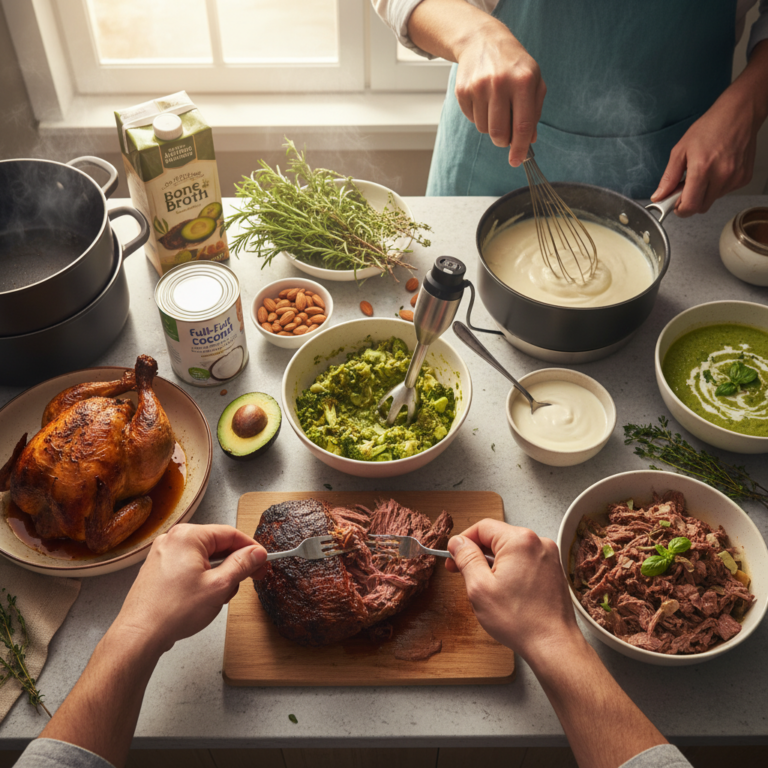
The rotation system is built on one simple principle: you cook components, not complete meals. Then you combine those components differently over three days before refreshing the batch.
Think of it like this. Instead of making twelve identical lunch containers, you prep:
- A big protein batch (say, slow-roasted chicken thighs)
- Two or three different vegetable bases
- A couple of fat-forward sauces or dressings
- Some grab-and-go extras like hard-boiled eggs or avocado
Day one, the chicken goes over roasted cauliflower with a tahini-lemon drizzle. Day two, same chicken gets shredded into a zucchini noodle bowl with pesto. Day three, it shows up in a big salad with avocado and a warm bacon dressing.
Three entirely different eating experiences. One batch cook session. Zero food waste. That’s the whole game.
If you’ve followed the Weekend Warrior Keto-Paleo Meal Prep approach, this builds on that foundation and takes it further — making the effort go even longer without the monotony.
How to Set Up Your Rotation: The Practical Breakdown
Step 1: Choose Your Anchor Protein
Your anchor protein is the workhorse of the rotation. It needs to be something that tastes good cold, reheats well, and plays nicely with different flavor profiles.
Some of my favorites for this:
- Chicken thighs — forgiving, flavorful, versatile
- Ground beef or bison — easy to season differently each day
- Salmon fillets — works hot or cold, pairs with so many sauces
- Slow-cooked pork shoulder — pulls apart beautifully for varied uses
- Hard-boiled eggs — the perfect backup protein for any meal
Cook a large batch of one anchor protein per rotation cycle. You’re aiming for enough to cover lunches and dinners across three days for however many people you’re feeding.
Keep the seasoning simple and neutral at the cooking stage. Salt, pepper, garlic, and maybe some herbs. The flavor transformation happens at assembly through your sauces and pairings — not the initial cook.
Step 2: Prep Two Vegetable Bases
Two is the magic number here. One roasted, one raw or lightly cooked. Having both means you can eat something warm and something fresh across your three days without any extra effort on the day itself.
Good roasted options: cauliflower, broccoli, Brussels sprouts, asparagus, zucchini, sweet potato (if your version of paleo allows it).
Good raw or lightly cooked options: shredded cabbage, mixed greens, cucumber and tomato, spiralized zucchini, thinly sliced radish and fennel.
Roast the warm veg in a big sheet pan situation. For the raw base, prep it but keep the dressing off until serving so nothing wilts on you by day two.
Step 3: Make Two Sauces or Dressings
This is honestly the secret weapon of the whole system. The same protein tastes completely different depending on what sauce it’s sitting in.
Aim for one creamy and one bright and acidic. Some combinations I rotate through:
- Avocado-cilantro crema + apple cider vinegar and herb dressing
- Tahini-lemon sauce + chimichurri
- Coconut aminos ginger sauce + simple olive oil and lemon
- Warm bacon and shallot dressing + a zingy mustard vinaigrette
Make a decent batch of each. Store them separately in small jars. These are your flavor transformation tools — treat them like they matter, because they genuinely do.
Step 4: Stock Your Grab-and-Go Extras
The rotation works best when you also have a handful of no-effort add-ons that boost meals quickly. These extras are what turn a component into a satisfying plate without needing any cooking on a busy day.
Always have on hand:
- A batch of hard-boiled eggs
- Avocados (buy some ripe, some not yet)
- Olives and pickles
- Nuts and seeds for crunch and fat
- Pre-washed leafy greens
- Canned fish (sardines, tuna, salmon) for backup protein
These aren’t glamorous. But they’re the difference between a meal that feels complete and a bowl of sad protein and vegetables.
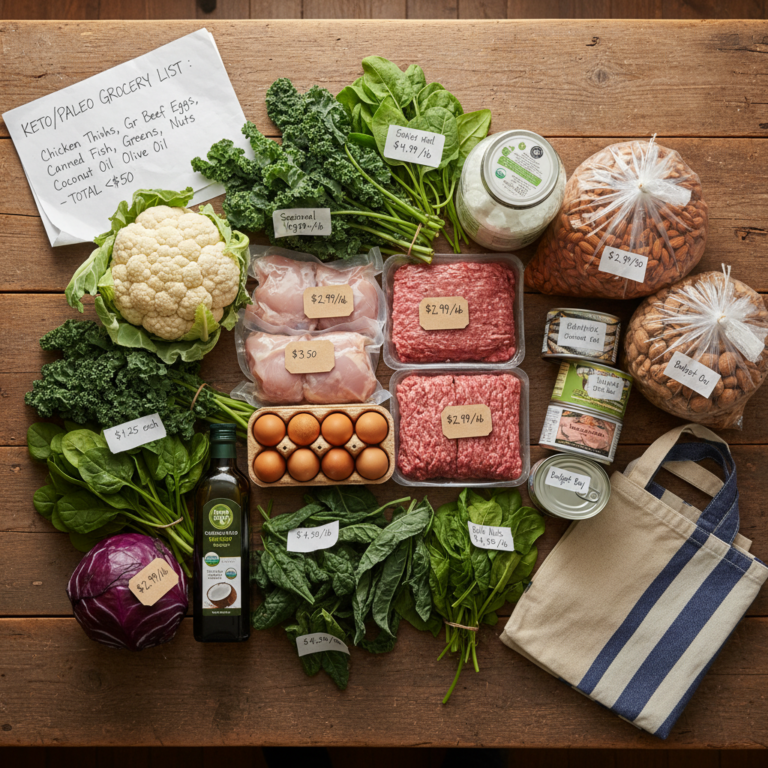
If you’re also keeping an eye on your grocery spending, check out the Budget Keto-Paleo Shopping guide — it has great ideas for building this kind of pantry without overspending.
Your Sample 3-Day Rotation in Action
Let me make this concrete. Here’s a real example of how a single batch cook session plays out across three days.
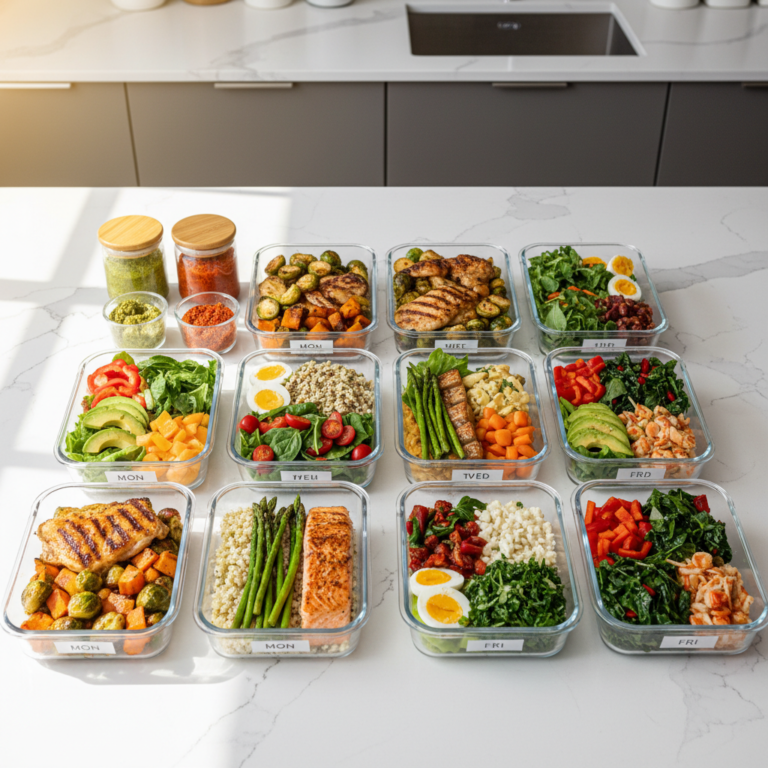
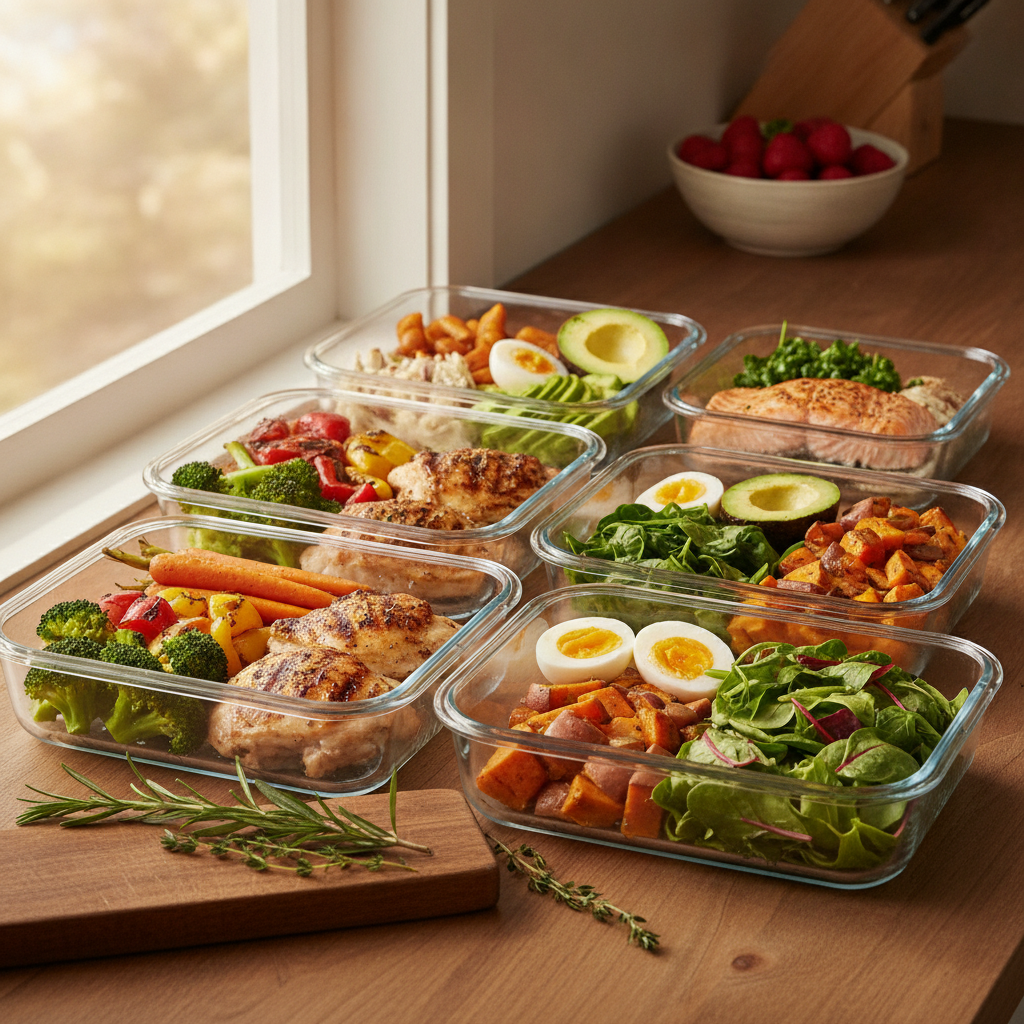
The batch cook: Roasted chicken thighs, sheet pan roasted broccoli and cauliflower, shredded cabbage slaw base, tahini-lemon sauce, apple cider vinegar herb dressing, hard-boiled eggs, avocado on standby.
Day 1: Warm and Grounding
Breakfast: Two eggs fried in ghee over leftover roasted veg with avocado on the side.
Lunch: Chicken thighs over warm roasted cauliflower and broccoli, drizzled with tahini-lemon sauce, topped with sesame seeds.
Dinner: Same chicken, sliced and served over the cabbage slaw with the ACV herb dressing, a hard-boiled egg on the side, and a handful of olives.
Day 2: Fresh and Bright
Breakfast: Hard-boiled eggs with avocado, salt, and everything bagel seasoning (check labels for clean versions).
Lunch: Chicken shredded into the cabbage slaw with the tahini sauce, some sliced cucumber, and a handful of nuts for crunch.
Dinner: Warm broccoli and cauliflower tossed in the ACV herb dressing with sliced chicken, topped with a soft-boiled egg. Feels entirely different from day one despite using the same components.
Day 3: Creative Remixes
Breakfast: Mini egg scramble with whatever veg is left, cooked in coconut oil.
Lunch: Everything remaining gets turned into a big bowl — greens, remaining chicken, veg, both sauces mixed together as a new dressing, avocado, olives. This is the “clean out the fridge” bowl and it’s often the best meal of the rotation.
Dinner: This is your refresh night. Pick up fresh fish or steak, cook it simply, and pair it with any leftover veg or a quick salad. You’re essentially starting the new rotation cycle the next morning.
See how that works? Nothing feels like a repeat. The protein carries through in completely different contexts each time.
For even more creative ideas on using what you’ve already prepped, the Keto Paleo Leftovers: 10 Creative Makeover Ideas post is genuinely brilliant for this.
Making the Rotation Sustainable Week After Week
Rotate Your Anchor Protein Weekly
The system itself stays the same. But what you fill it with changes each week. One week it’s chicken thighs. The next it’s slow-cooked pulled pork. The week after that, maybe salmon or ground beef.
This keeps the method consistent — which means less mental effort — while the actual food stays interesting enough to look forward to.
Theme Your Sauces Around Cuisines
This is a small trick that makes a big difference. Give each rotation week a loose flavor theme. Mediterranean one week (tahini, lemon, za’atar). Latin-inspired the next (cilantro, lime, cumin). Asian-influenced after that (coconut aminos, ginger, sesame).
Same structural approach. Completely different flavor world each week.
Don’t Overthink Breakfast
Breakfast in the rotation is mostly eggs in various forms plus whatever veg and protein is already prepped. Fried, scrambled, soft-boiled, hard-boiled. You don’t need a separate breakfast prep strategy — just let breakfast be the flexible use of what’s already there.
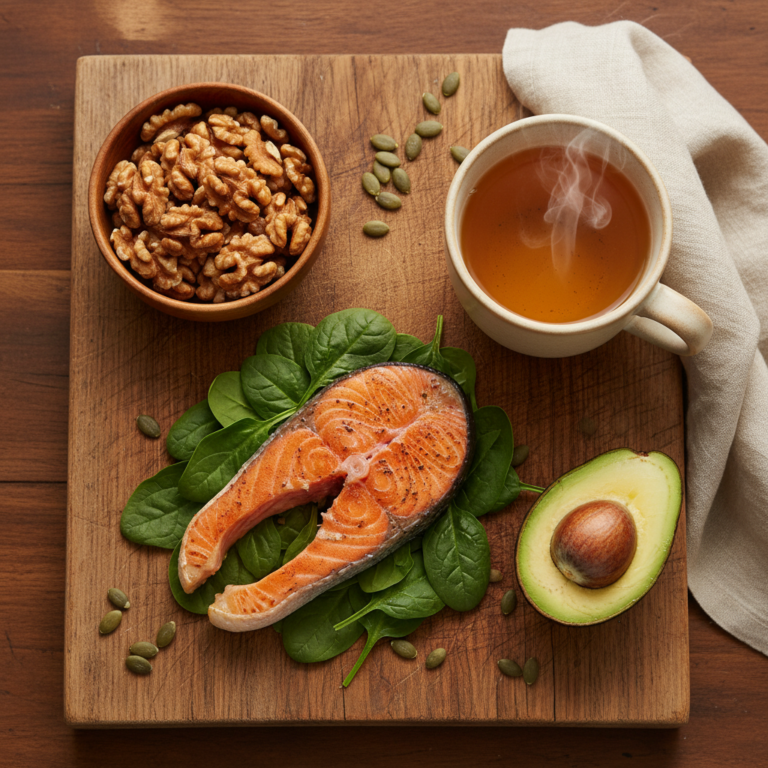
This approach pairs really well with paying attention to how your morning foods affect your energy and even your sleep later. The Keto Paleo Sleep: Foods That Fix Your Rest Naturally article is worth a read if you haven’t connected the dots between what you eat and how you’re sleeping.
Keep a Running Rotation Notes List
Seriously, just a note on your phone. When a combination is really good, write it down. When something doesn’t work (some proteins genuinely don’t reheat well, some sauce and veg combos are weird together), note that too.
After six or eight weeks, you’ll have a personalized rotation playbook that’s entirely based on what you and your family actually enjoy. No one else’s plan. Yours.
Common Mistakes That Break the Rotation
Overcomplicating the Initial Cook
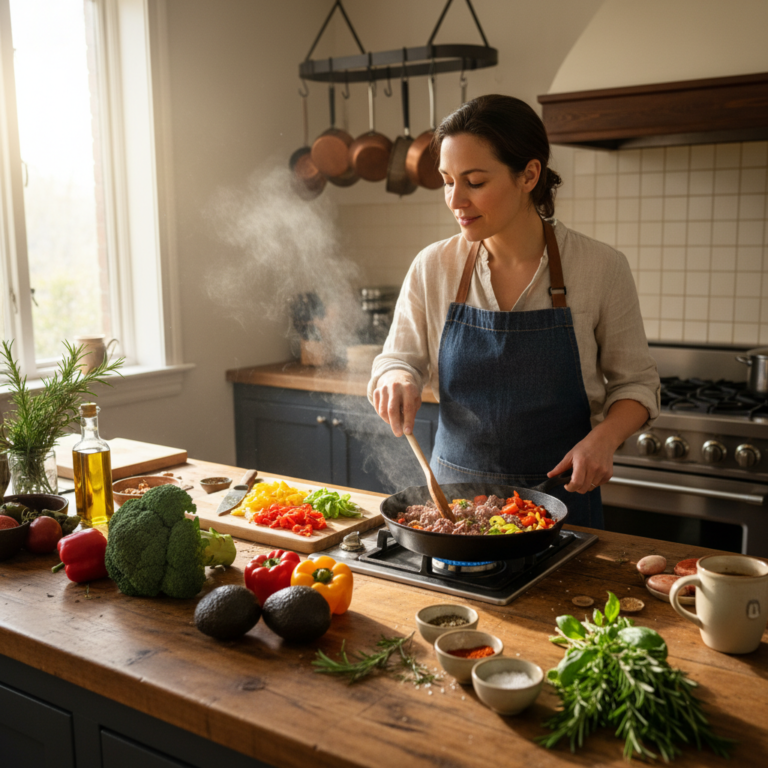
The batch cook should take ninety minutes max. If you’re spending three hours on prep Sunday, you’ve made it too complicated. Scale back. Simpler components actually give you more flexibility at assembly anyway.
The Weekend Warrior Meal Prep: 3-Hour Sunday Setup post has good timing strategies if you feel like prep keeps running over.
Not Accounting for Social Eating or Travel
Real life doesn’t operate in clean three-day blocks. Some weeks you have a dinner party on day two, which throws off your rotation. That’s fine — it’s not a failure, it’s just life.
Build in flexibility by not rigidly assigning specific meals to specific days. Think of the three-day rotation as a loose framework, not a schedule. You have the components. You decide day-by-day how to assemble them.
If you’re heading into a social event, the Social Eating Wins: Keto-Paleo at Gatherings Without Drama post has really practical strategies for staying on track without making things awkward.
Skipping the Sauce Step
I’ve seen people try this system without the sauce component and then report back that it felt boring. The sauces aren’t optional — they’re the actual magic. Don’t skip them to save time. Make the sauces. Your future self will thank you.
Not Refreshing Often Enough
Three days is the sweet spot. Four can work if everything was very fresh when you started. Five days in? The quality starts to drop and boredom sets in hard. Stick to the three-day rhythm. It keeps food quality high and the eating experience genuinely enjoyable.
What This System Does for Your Consistency
Here’s the bigger picture reason this approach matters beyond just solving the boredom problem.
Consistency is the entire game with keto-paleo. You don’t need perfect. You need sustainable. And the number one thing that breaks consistency — way more than cravings or social pressure — is decision fatigue combined with food boredom.
When you have a clear, flexible system that you genuinely look forward to eating from, the decision fatigue disappears. You’re not white-knuckling your way through another sad Tuesday lunch container. You’re actually making a choice from options that all sound good.
That psychological shift is massive. It’s the difference between keto-paleo feeling like a restriction and feeling like a lifestyle you actually want to maintain.
If you’ve hit plateaus or felt like your progress has stalled, it’s worth reading through the Keto-Paleo Plateau Breakers: 7 Real Reset Strategies — sometimes the issue isn’t the food itself but how you’re structuring your approach.
A Quick-Start Checklist for Your First Rotation Week
If you want to start this weekend, here’s your simple checklist:
- ✅ Choose one anchor protein (chicken thighs are a great first choice)
- ✅ Pick two vegetables — one to roast, one to use raw or lightly dressed
- ✅ Choose two sauces from the suggestions above
- ✅ Hard-boil a batch of eggs
- ✅ Make sure you have avocados, olives, and nuts on hand
- ✅ Keep seasoning on the anchor protein simple at the cook stage
- ✅ Store everything separately — components, not assembled meals
- ✅ Plan your day three “clean out” meal in advance so nothing gets wasted
That’s genuinely all you need to start. The system gets more refined as you do it, but even the first attempt will feel noticeably better than the old same-meal-all-week approach.
The Bottom Line on Keto-Paleo Meal Prep That Actually Lasts
The best keto-paleo meal prep system is the one you’ll actually do. Not the most optimized one. Not the one that looks best in a flat-lay photo. The one that fits your real life and your real appetite for variety.
This three-day rotation is my honest answer to that challenge. It’s flexible enough to survive real weeks. Simple enough that Sunday prep doesn’t feel like a second job. And varied enough that you’re actually looking forward to opening those containers instead of dreading them.
Start small. Pick one rotation. Try it for two weeks before you judge it. Adjust what isn’t working. Add your own flavors and combinations.
You’re building a system that belongs to you — and that’s exactly what makes it stick.