Winter Root Veggie Keto-Paleo Magic: Transform Starchy Favorites
There’s something magical about walking through the produce section in late winter and seeing those gorgeous winter root vegetables piled high. The deep orange of carrots, the creamy white of parsnips, the earthy purple of beets – they’re calling your name, but if you’re following a keto-paleo lifestyle, you might hesitate. I get it! I used to walk right past these beauties, thinking they were off-limits. But here’s what I’ve learned: with the right techniques, we can absolutely enjoy winter root vegetables while staying true to our keto-paleo goals.
The key isn’t avoiding these nutrient-dense gems entirely – it’s all about smart preparation and portion awareness. After months of experimenting in my own kitchen, I’ve discovered some game-changing methods that let us have our root veggies and eat them too!
Understanding Winter Root Vegetables on Keto-Paleo
Let’s be honest – most winter root vegetables are naturally higher in carbs than our usual keto-paleo staples. But before you write them off completely, consider this: they’re also packed with fiber, essential minerals, and antioxidants that our bodies crave during the colder months.
The trick is knowing which ones work best and how to prepare them. Through trial and error (and yes, some kitchen failures), I’ve found that certain root vegetables can absolutely fit into our eating style when we use specific preparation techniques.
Some of my favorite winter root vegetables for keto-paleo include radishes (surprisingly!), turnips, rutabaga in small amounts, and even carrots when prepared correctly. The secret weapon? Cooking methods that concentrate flavors while managing carb content.
Smart Preparation Techniques That Actually Work
Here’s where the magic happens. These preparation methods have been complete game-changers in my kitchen, and I’m excited to share them with you.
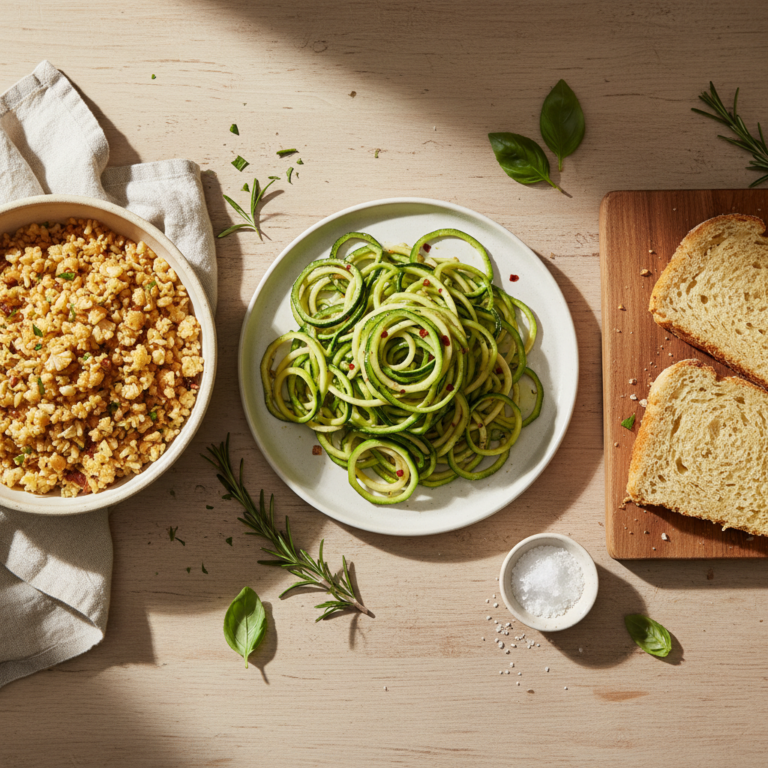
The Spiralizing Method: This technique works beautifully with firmer root vegetables like turnips and large radishes. I spiralize them into noodle shapes, then quickly sauté with garlic and herbs. The result? You get all that satisfying texture and earthy flavor with a fraction of the carbs you’d get from a full serving.
The Roasting and Scraping Technique: This one’s my personal favorite for carrots and parsnips. I roast them whole until they’re caramelized and sweet, then scrape out just the tender, flavorful flesh, leaving behind the fibrous core. It concentrates the flavors beautifully while naturally reducing the overall carb content.
The Fermentation Approach: Drawing inspiration from our Ferments and Flavor techniques, I’ve been fermenting thin slices of root vegetables. The fermentation process actually reduces some of the natural sugars while adding incredible depth of flavor and beneficial probiotics.
My Go-To Winter Root Veggie Transformations
Let me walk you through some of my most successful transformations that have become regular features in my meal rotation.
Radish “Potato” Hash: I dice large daikon radishes into small cubes and sauté them until golden. Seasoned with rosemary and garlic, they develop this amazing nutty flavor that’s incredibly satisfying. This technique fits perfectly into my 5-Ingredient, 15-Minute Keto-Paleo Dinners routine.
Turnip Mash with Herbs: Instead of traditional mashed potatoes, I steam turnips until tender, then mash them with coconut cream and fresh herbs. The key is not over-mashing – you want some texture to remain.
Carrot Ribbon Salad: Using a vegetable peeler, I create thin carrot ribbons and toss them with a tangy vinaigrette. The thin slices mean you’re getting maximum flavor with minimal carbs, and the raw preparation preserves all those beneficial enzymes.
Portion Control and Smart Combining
This is where mindful eating really comes into play. I’ve learned that enjoying winter root vegetables on keto-paleo is all about balance and smart combining.
Instead of making root vegetables the star of the plate, I use them as flavor enhancers and texture builders. A small portion of roasted turnips alongside a generous serving of sautéed greens and quality protein creates a satisfying, balanced meal that honors our keto-paleo principles.
I often incorporate these techniques into my Athlete-Approved Batch Cooking sessions, preparing small portions of various root vegetable preparations that I can add to meals throughout the week.
Maximizing Nutrition While Managing Carbs
One thing I’ve discovered is that the way we prepare these vegetables can actually enhance their nutritional profile while managing the carb content.
The Cooling Trick: After cooking root vegetables, I let them cool completely before eating. This process increases the resistant starch content, which our bodies process differently than regular starch.
Pairing with Fats: I always combine my root vegetable preparations with healthy fats. This not only helps with satiety but also improves the absorption of fat-soluble vitamins. A drizzle of olive oil or a sprinkle of nuts makes all the difference.
Herb and Spice Boosting: I load up on anti-inflammatory herbs and spices when preparing root vegetables. Turmeric, ginger, rosemary, and thyme not only add incredible flavor but also boost the overall nutritional value of the dish.
Real Kitchen Wins and Honest Failures
Let me be completely honest with you – not every experiment has been a success. I’ve had some spectacular failures, like the time I tried to make beet chips and ended up with what looked like purple cardboard.
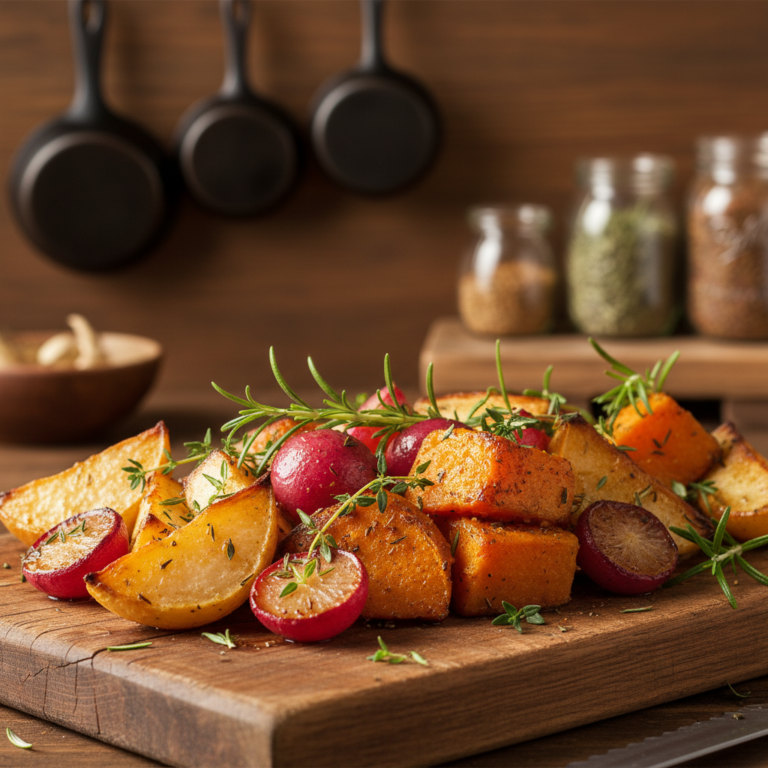
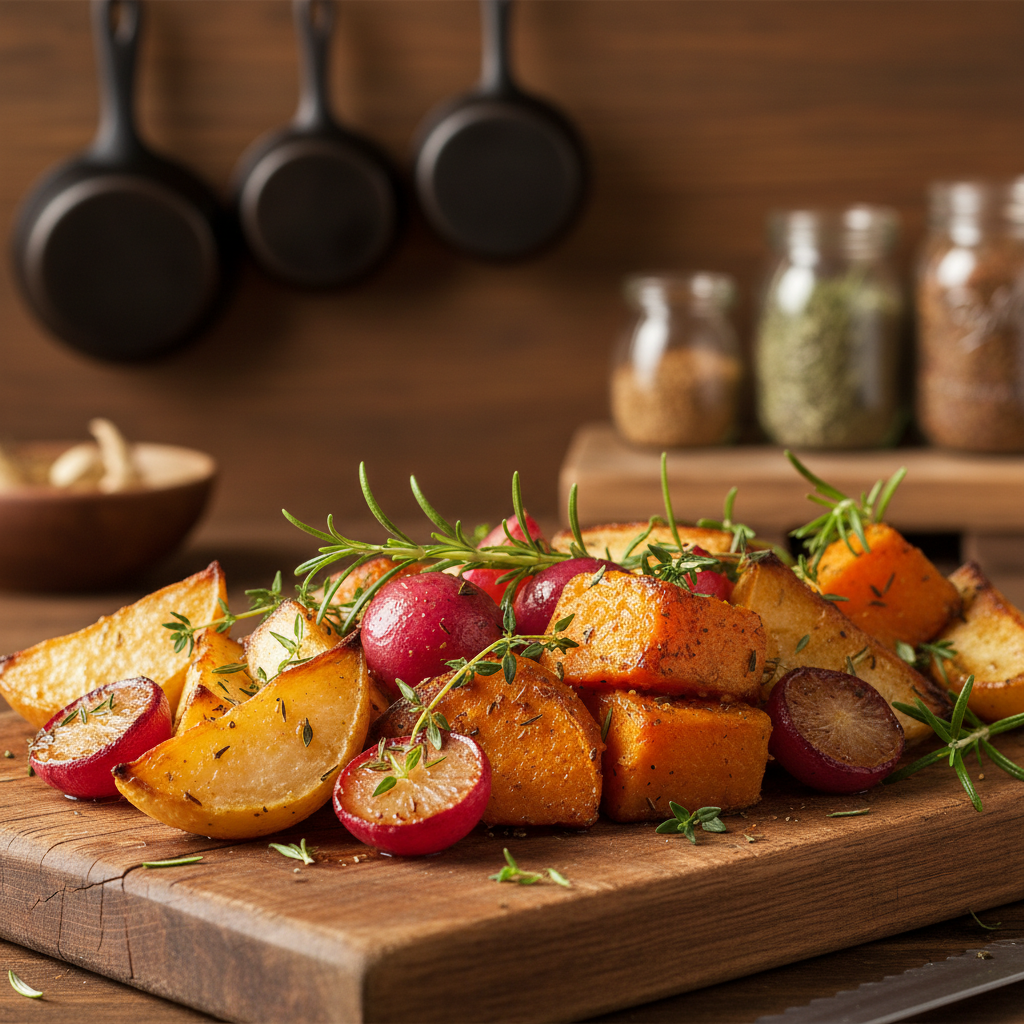
But the wins have been worth it. Last week, I made a roasted radish and turnip medley that had my usually-skeptical family asking for seconds. The vegetables were caramelized and sweet, with just the right amount of earthiness.
One technique that consistently works is treating these winter root vegetables like precious ingredients rather than trying to recreate traditional preparations. When I stopped trying to make turnips taste like potatoes and started appreciating them for their own unique qualities, everything changed.
Building These Into Your Routine
The beauty of these techniques is how easily they integrate into your existing meal planning routine. Whether you’re following a structured approach or keeping things flexible, these methods work with whatever system you have in place.
I often prep several different root vegetable preparations on Sunday, storing them in glass containers for easy additions throughout the week. A spoonful of fermented carrot adds zing to a simple salad, while roasted turnip cubes can transform a basic protein and greens meal into something special.
Remember, the goal isn’t to make these vegetables the foundation of every meal, but rather to enjoy them mindfully as part of a varied, nutrient-dense eating pattern that supports your health and happiness.
Winter doesn’t have to mean missing out on the season’s beautiful bounty. With these techniques in your toolkit, you can enjoy the best of what the season offers while staying true to your keto-paleo lifestyle.