Winter Root Vegetables: Keto-Paleo Transformations That Work
Winter root vegetables and keto-paleo eating don’t have to be enemies! I used to think I had to completely give up those hearty, comforting vegetables once I started focusing on lower-carb eating. But here’s what I’ve discovered over the past few winters: with the right techniques, you can absolutely enjoy winter root vegetables while staying true to your keto-paleo goals.
The secret isn’t avoiding these nutrient-dense gems entirely. Instead, it’s about smart preparation, proper portions, and knowing which varieties work best for your macros. Let me share what I’ve learned through plenty of kitchen experiments (and a few carb miscalculations!).
Which Winter Root Vegetables Actually Work for Keto-Paleo
Not all root vegetables are created equal when it comes to carb content. Through trial and error, I’ve found some clear winners that let me enjoy those earthy, satisfying flavors without derailing my progress.
The keto-paleo friendly options:
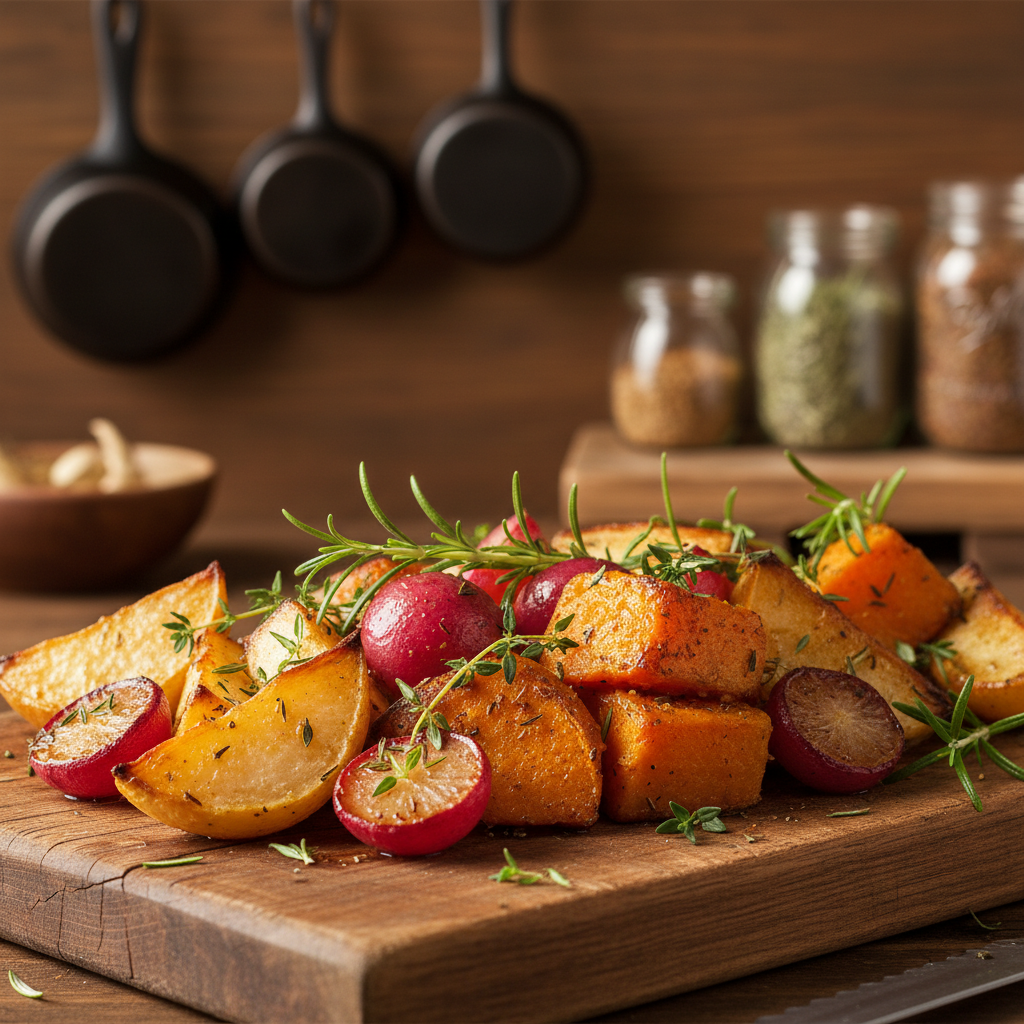
Radishes are my absolute favorite discovery. When roasted, they develop an almost turnip-like flavor and creamy texture. At just 1g net carbs per half cup, they’re practically free food. I use them in place of potatoes in stews and roasts constantly.
Turnips come in at about 4g net carbs per cup, making them perfect for moderate portions. They’re fantastic when you’re craving something substantial and root-vegetable-esque.
Rutabaga sits at around 6g net carbs per cup. While higher than radishes, it brings incredible flavor and that satisfying starchy mouthfeel we sometimes miss.
The portion-controlled players:
Parsnips and carrots need careful handling at 12-15g net carbs per cup. I still use them, but in smaller amounts as flavor enhancers rather than main ingredients.
Sweet potatoes are my “special occasion” choice at 17g net carbs per cup. Perfect for post-workout meals or when I need that extra carb boost.
Game-Changing Preparation Techniques for Winter Root Vegetables
Here’s where the magic happens. These preparation methods have completely transformed how I approach root vegetables, making them work beautifully within my keto-paleo framework.
The Pre-Cook Trick:
This technique has saved me so many times! Par-boil your root vegetables for 5-8 minutes before your final cooking method. This pulls out some of the starch content while maintaining structure. I discovered this accidentally when I was rushing dinner prep, and now it’s my go-to method.
Strategic Spiralizing:
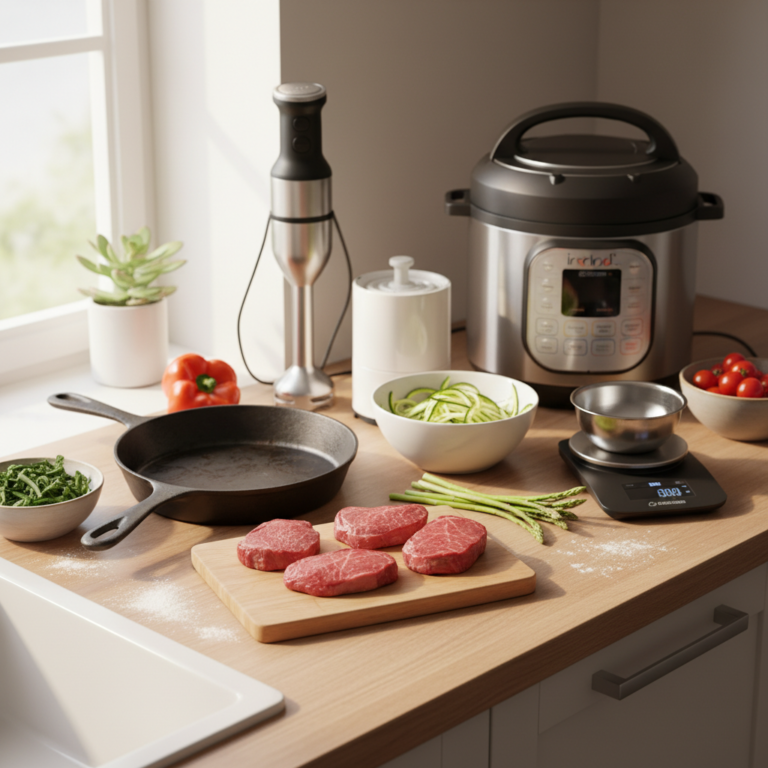
Spiralizing creates more surface area, which means your vegetables cook faster and feel more substantial with smaller portions. Plus, the increased surface area means better seasoning absorption. Win-win!
Fermentation for Digestibility:
I learned about this from my experiments with fermented vegetables. Lightly fermenting root vegetables for 2-3 days breaks down some starches and adds beneficial probiotics. The flavor becomes more complex too.
Combination Roasting:
Mix your higher-carb root vegetables with plenty of low-carb options. I typically do a 1:3 ratio – one part parsnip to three parts radish and turnip. You get the flavor impact without the carb overload.
My Favorite Winter Root Vegetable Transformations
Let me share some specific recipes that have become weekly staples in my kitchen. These work perfectly with the plate-first approach I use for balanced keto-paleo meals.
Crispy Radish “Potatoes”:
Cut large radishes into potato-sized chunks. Toss with avocado oil, sea salt, and rosemary. Roast at 425°F for 25-30 minutes until golden. The transformation is incredible – they develop a fluffy interior and crispy exterior that satisfies every comfort food craving.
Turnip Gratin (Dairy-Free):
Slice turnips thin, layer with coconut cream, garlic, and thyme. Bake covered for 45 minutes, then uncover for the last 15 to brown. It’s indulgent enough for special dinners but totally keto-paleo friendly.
Rutabaga Hash:
Dice rutabaga small, sauté with onions and bell peppers. This works beautifully in my batch cooking routine – I make a big batch on Sunday and use it throughout the week with different proteins.
Maximizing Nutrition While Minimizing Carbs
Here’s something I wish I’d known earlier: the way you prepare root vegetables dramatically impacts their nutritional availability. These techniques help you get maximum nutrition from smaller portions.
Don’t Skip the Skin:
Most of the fiber and nutrients live right under the skin. When possible, just scrub well instead of peeling. The fiber content helps slow carb absorption too.
Cook with Healthy Fats:
Fat-soluble vitamins in root vegetables need fat for absorption. I always roast with avocado oil or ghee, which also improves satiety from smaller portions.
Add Mineral-Rich Sea Salt:
Real sea salt or pink salt adds trace minerals that support the increased electrolyte needs of keto eating. It’s a small detail that makes a big difference.
Timing Matters:
I’ve found that eating root vegetables post-workout or earlier in the day works better for my energy levels and ketosis maintenance. Your mileage may vary, but it’s worth experimenting with timing.
Smart Portioning Strategies
Portion control doesn’t have to feel restrictive when you’re strategic about it. Here are my practical approaches:
Use root vegetables as flavor enhancers rather than base ingredients. A few chunks of parsnip in a pot roast add incredible depth without dominating your carb count.
Bulk up dishes with low-carb vegetables. When I make “mashed turnips,” I typically do half turnips, half cauliflower. You get the root vegetable flavor with fewer carbs.
Save higher-carb options for active days. Sweet potato works great on hiking days or after strength training when my body can best utilize those extra carbs.
Seasonal Shopping and Storage Tips
Winter is actually the perfect time to explore root vegetables – they’re at peak flavor and lowest cost. Here’s how I approach seasonal shopping:
Shop farmers markets late in the day for the best deals on root vegetables. Many vendors are happy to discount items at closing time.
Buy in bulk when you find good quality. Most root vegetables store beautifully for weeks in a cool, dark place. This fits perfectly with batch cooking strategies.
Look for smaller specimens. Baby turnips and radishes often have better flavor and lower carb density than their oversized counterparts.
Making It Work in Real Life
The truth is, sustainable eating happens when we work with our cravings and preferences, not against them. Winter root vegetables can absolutely be part of a successful keto-paleo lifestyle when approached thoughtfully.
I still enjoy a small portion of roasted vegetables with Sunday dinner. The key is balance, preparation, and not letting perfect be the enemy of good. These techniques have allowed me to stay consistent with my eating goals while actually enjoying the seasonal foods I love.
Start with one technique and one vegetable. Maybe try roasted radishes this week, or experiment with turnip gratin. Build your confidence with these methods gradually, and soon you’ll have a whole toolkit for enjoying winter’s bounty while staying true to your health goals.
Remember, this journey is about finding what works for your body, your schedule, and your taste buds. These winter root vegetables transformations have been game-changers for my cold-weather eating – I hope they help you too!