Master Omega Balance: Perfect Fat Ratios for Keto-Paleo
Understanding omega balance is the secret weapon that can transform your keto-paleo journey from good to extraordinary. While you’ve mastered the art of avoiding grains and keeping carbs low, the quality and ratio of fats you consume can make or break your health outcomes. The critical omega-3 to omega-6 ratio isn’t just another nutrition buzzword—it’s the foundation of anti-inflammatory eating that supports optimal brain function, heart health, and metabolic efficiency.
Most people following ketogenic and paleo approaches get this balance completely wrong, unknowingly sabotaging their results. However, when you master the art of fat selection and create the ideal fatty acid profile, you’ll experience enhanced mental clarity, reduced inflammation, and accelerated progress toward your health goals.
Why Omega Balance Matters for Keto-Paleo Success
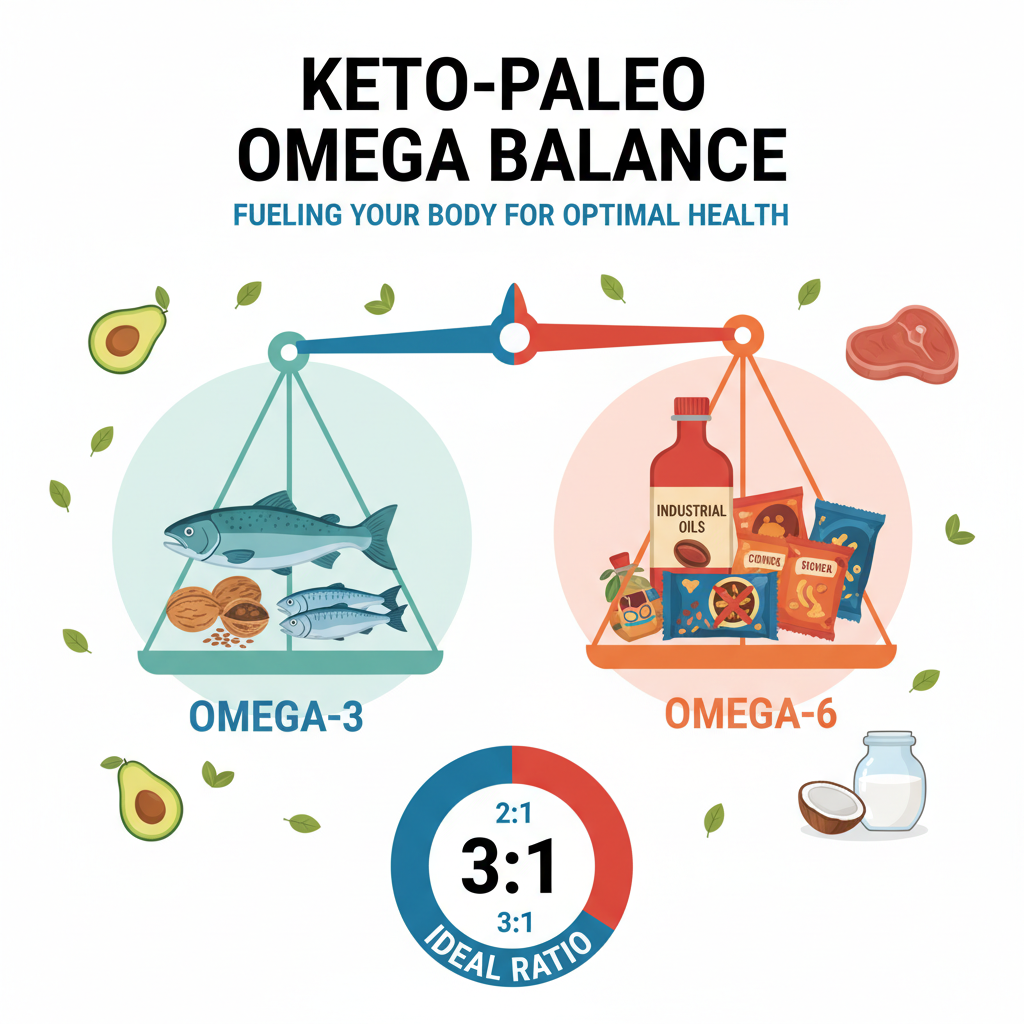
Your body requires both omega-3 and omega-6 fatty acids to function properly. Nevertheless, the ratio between these essential fats determines whether they promote healing or inflammation. The modern Western diet typically delivers a dangerous 15:1 to 20:1 ratio of omega-6 to omega-3 fats, when the optimal ratio should be closer to 2:1 or 3:1.
This imbalance triggers chronic inflammation, which undermines every aspect of your health. Furthermore, it can stall weight loss, cloud mental function, and increase your risk of cardiovascular disease. For keto-paleo enthusiasts, correcting this ratio becomes even more critical because you’re consuming higher amounts of dietary fat overall.
When you achieve proper omega balance, you’ll notice improved recovery from workouts, better sleep quality, and enhanced cognitive performance. Additionally, balanced fatty acids support healthy hormone production and optimize your body’s ability to enter and maintain ketosis.
The Science Behind Optimal Fat Ratios
Omega-3 fatty acids, particularly EPA and DHA, act as powerful anti-inflammatory compounds in your body. They support brain health, reduce inflammation markers, and promote cardiovascular wellness. Conversely, omega-6 fats, while essential, become problematic when consumed in excess.
The enzyme systems that process these fatty acids compete for the same pathways. Therefore, when omega-6 levels are too high, they block your body’s ability to utilize omega-3s effectively. This creates a pro-inflammatory environment that can trigger autoimmune responses and metabolic dysfunction.
Research shows that individuals who maintain a 2:1 or 3:1 omega-6 to omega-3 ratio experience significantly lower levels of inflammatory markers. Moreover, they demonstrate better insulin sensitivity and improved cognitive function compared to those with imbalanced ratios.
High-Quality Fats to Emphasize
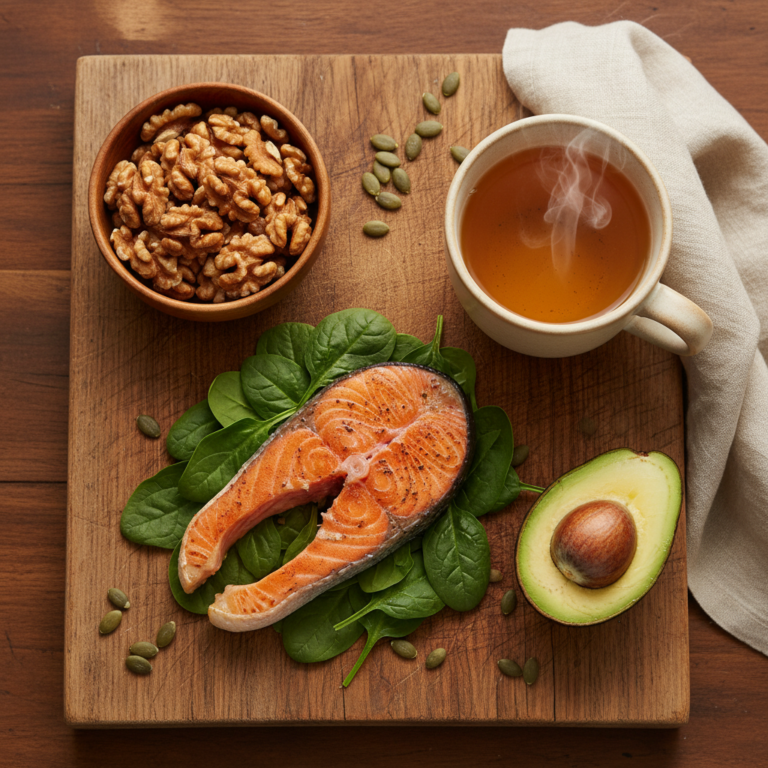
Wild-caught fatty fish should form the cornerstone of your omega balance strategy. Salmon, sardines, mackerel, and anchovies provide abundant EPA and DHA in their most bioavailable forms. Aim for at least three servings per week, prioritizing smaller fish that accumulate fewer environmental toxins.
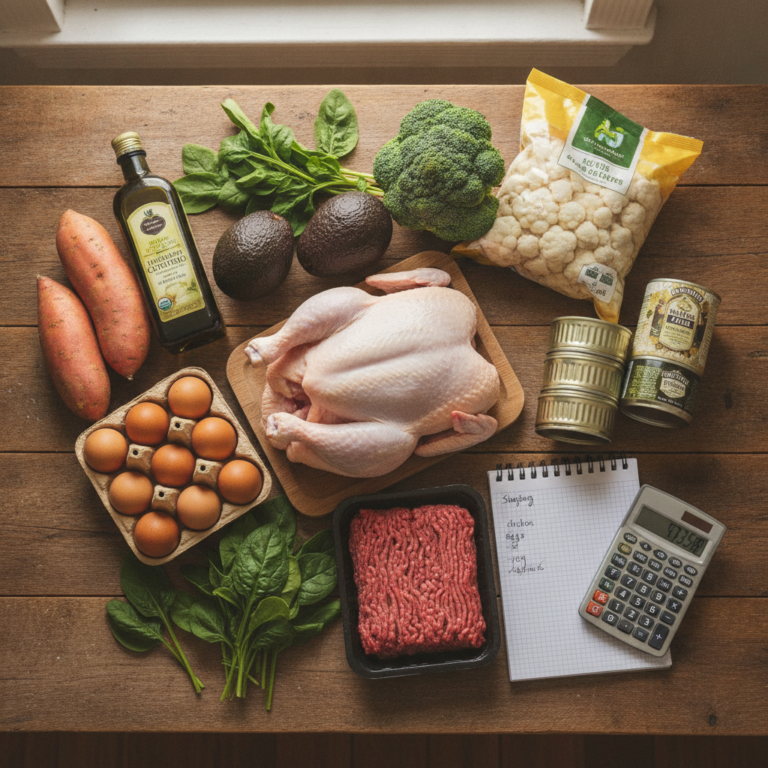
Grass-fed and pasture-raised animal products offer superior fatty acid profiles compared to conventional alternatives. Grass-fed beef, lamb, and bison contain higher levels of omega-3s and conjugated linoleic acid (CLA). Similarly, pasture-raised eggs provide better omega ratios than conventional eggs.
Plant-based omega-3 sources include flaxseeds, chia seeds, hemp seeds, and walnuts. While these provide ALA (alpha-linolenic acid), your body must convert it to EPA and DHA. This conversion process is inefficient, typically yielding only 5-10% of usable omega-3s.
Avocados and olive oil remain excellent choices for monounsaturated fats that don’t interfere with your omega ratios. Coconut oil and MCT oil provide stable saturated fats that support ketosis without contributing to inflammation.
Problematic Fats to Limit or Avoid
Industrial seed oils represent the biggest threat to optimal omega balance. Soybean, corn, sunflower, safflower, and canola oils contain extremely high concentrations of omega-6 fats. These oils are ubiquitous in processed foods, restaurant meals, and even many “healthy” products.
Conventionally raised poultry and pork typically contain poor fatty acid ratios due to grain-based feeding practices. While not completely off-limits, these proteins should be consumed less frequently than grass-fed alternatives.
Nuts and seeds high in omega-6 fats require careful portion control. Brazil nuts, cashews, peanuts, and sunflower seeds can quickly tip your ratios in the wrong direction when consumed liberally.
Many keto-friendly products marketed to dieters contain inflammatory oils disguised as healthy options. Always read ingredient labels carefully, as terms like “vegetable oil” often indicate omega-6-heavy seed oils.
Reading Labels Like a Pro
Manufacturers use various names to disguise inflammatory oils on ingredient lists. Look out for terms like “natural flavors,” which often contain seed oil carriers. Similarly, “vitamin E” may be derived from sunflower oil, contributing hidden omega-6 fats.
Products labeled as “keto” or “paleo” aren’t automatically balanced for optimal fatty acid ratios. Many commercial keto snacks and bars rely heavily on nuts and seeds high in omega-6 fats.
Practical Meal Planning Strategies
Start each week by planning at least three fish-based meals to establish your omega-3 foundation. Incorporate our Plate-First Keto-Paleo approach to ensure proper macronutient balance while emphasizing anti-inflammatory fats.
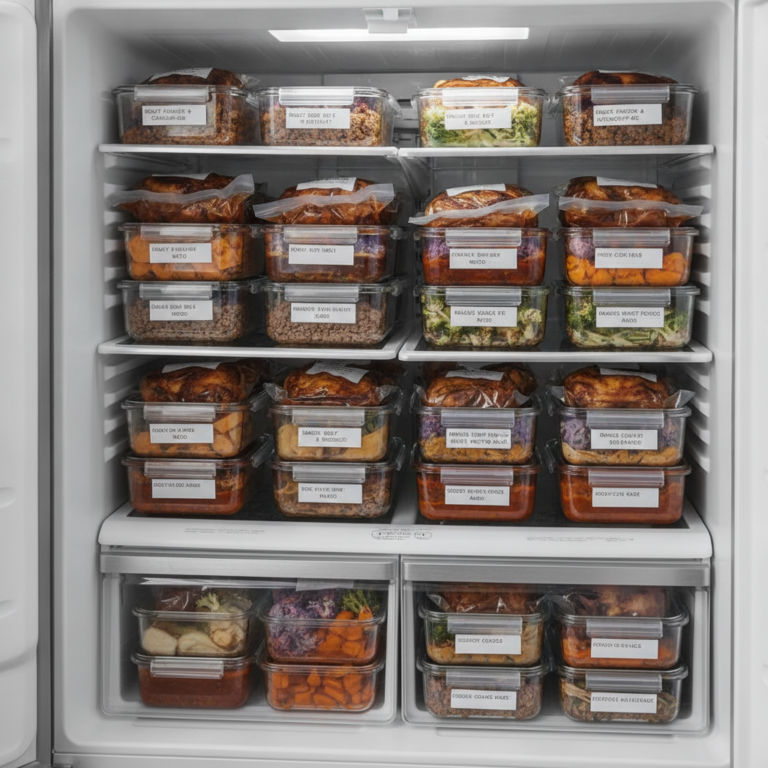
Batch cooking becomes essential for maintaining consistent omega balance throughout busy weeks. Consider implementing strategies from our Athlete-Approved Batch Cooking guide to prep omega-3-rich proteins in advance.
When dining out or traveling, focus on simply prepared fish and grass-fed meats. Request that your food be cooked in butter or olive oil rather than vegetable oils. Our Travel-Light Keto-Paleo guide offers additional strategies for maintaining optimal ratios on the road.
Sample Daily Fat Distribution
Morning: Start with pastured eggs cooked in grass-fed butter or coconut oil. Add a small portion of walnuts or chia seeds for plant-based omega-3s.
Midday: Include a palm-sized portion of wild-caught salmon or sardines with avocado and olive oil-based dressing.
Evening: Choose grass-fed beef, lamb, or another fish serving with vegetables sautéed in grass-fed butter or coconut oil.
This distribution provides multiple omega-3 sources while limiting omega-6 intake from problematic oils and excessive nuts or seeds.
Monitoring Your Progress
Track how you feel rather than obsessing over exact ratios. Improved energy levels, better sleep quality, and enhanced mental clarity indicate successful omega balance optimization. Additionally, reduced joint pain and faster recovery from exercise suggest decreasing inflammation.
Consider periodic omega-3 index testing to objectively measure your fatty acid status. This blood test reveals the percentage of omega-3s in your red blood cell membranes, providing insight into long-term dietary patterns.
Keep a food journal noting which fat sources you emphasize each day. This helps identify patterns that correlate with how you feel and perform.
Your Path to Optimal Fat Balance
Mastering omega balance requires consistent attention to fat quality rather than just quantity. Start by eliminating the worst offenders—industrial seed oils and processed foods containing them. Then, gradually increase your intake of wild-caught fish, grass-fed meats, and other anti-inflammatory fat sources.
Remember that this is a long-term strategy, not a quick fix. Your cell membranes take months to fully reflect dietary changes, so be patient with the process. Focus on making sustainable improvements that you can maintain over time.
By prioritizing optimal fatty acid ratios within your keto-paleo framework, you’ll experience the full potential of this powerful nutritional approach. Your body will thank you with improved energy, enhanced mental clarity, and robust long-term health.