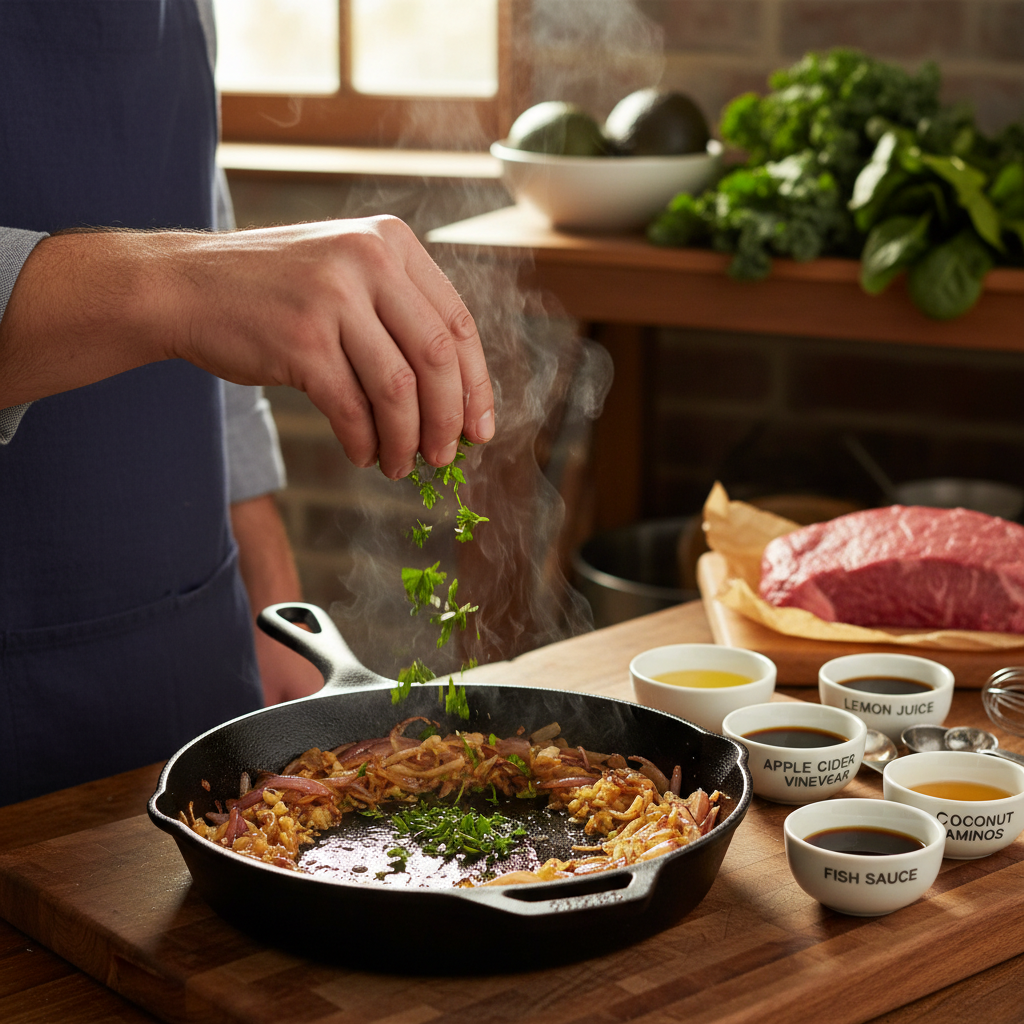
Flavor Layering: Build Restaurant-Quality Keto-Paleo Taste
Have you ever wondered why restaurant dishes taste so much more complex than what you make at home? The secret isn’t expensive ingredients or fancy equipment – it’s flavor layering. This professional technique transforms simple keto-paleo ingredients into meals that sing with depth and complexity.
I used to think good food was just about following recipes perfectly. Then I learned about building flavors in stages, and suddenly everything changed. My cauliflower mash went from bland to brilliant. My grilled chicken became the star of every dinner party.
Let’s dive into the three pillars of flavor layering that will elevate your keto-paleo cooking from good to extraordinary.
Understanding Flavor Layering Fundamentals
Flavor layering is like building a house – you need a solid foundation, strong walls, and a roof that ties everything together. In cooking terms, that means starting with aromatics, building with acids and seasonings, then finishing with umami-rich elements.
Think of it this way: each layer adds a different note to your dish’s symphony. First, you create the base melody with onions, garlic, or herbs. Then you add harmony with bright acids like lemon juice or vinegar. Finally, you bring in the deep bass notes with ingredients like coconut aminos, fish sauce, or aged balsamic.
The magic happens when these layers interact over time and heat, creating flavors that are far more complex than the sum of their parts.
Layer One: Building Your Aromatic Foundation
Every great dish starts with aromatics – those fragrant vegetables and herbs that form the flavor backbone of your meal. In keto-paleo cooking, we’re working with some incredible options that happen to be naturally low-carb and nutrient-dense.
The classic trio of onions, celery, and bell peppers (called mirepoix in French cooking) works beautifully in our approach. I love starting almost every savory dish by slowly cooking diced onions until they’re golden and sweet. This single step adds layers of caramelized flavor that you simply can’t get any other way.
Garlic deserves special mention here. Fresh garlic added at different stages creates entirely different flavor profiles. Add it early with your onions for mellow, sweet notes. Add it later for sharper, more pungent flavors. I often do both – early garlic for depth, fresh garlic at the end for brightness.
Don’t overlook fresh herbs as aromatics either. Hardy herbs like rosemary, thyme, and sage can handle long cooking and infuse your entire dish. Delicate herbs like basil and cilantro shine when added at the very end, bringing fresh, bright notes that wake up all the other flavors.
Pro Tips for Aromatic Success
Temperature matters tremendously when building your aromatic base. Medium-low heat allows vegetables to release their flavors slowly without burning. I learned this the hard way after rushing through this step too many times!
Salt your aromatics as they cook. This draws out moisture and intensifies flavors. Just a pinch at the beginning transforms how everything tastes later.
Layer Two: Acids and Brightness Builders
Acid is the secret weapon that most home cooks underuse. It brightens flavors, balances richness, and makes everything taste more vivid. In keto-paleo cooking, acids are your best friend for making rich, fatty foods feel light and exciting.
Citrus juices work beautifully – lemon, lime, and orange all bring different characteristics. Lemon adds clean brightness, lime brings tropical notes, and orange contributes gentle sweetness. I keep a bottle of each juice in my fridge at all times.
Vinegars offer another dimension entirely. Apple cider vinegar adds fruity tang that pairs perfectly with pork and chicken. Balsamic brings depth and subtle sweetness. Red wine vinegar provides sharp, clean acidity that cuts through rich dishes beautifully.
Here’s something I discovered by accident: adding acid at different stages creates different effects. Early acid (like wine or vinegar) mellows and integrates into the dish. Late acid (like fresh lemon juice) provides bright top notes that make everything pop.
This technique works especially well with the simple yet satisfying recipes from our 5-ingredient, 15-minute dinners collection, where each element needs to shine.
Layer Three: Umami and Depth Creators
Umami – that savory, meaty fifth taste – is what transforms good dishes into crave-worthy ones. It’s the reason you can’t stop thinking about certain meals long after you’ve finished eating them.
In keto-paleo cooking, we have some incredible umami builders that align perfectly with our nutritional goals. Coconut aminos provide that salty-sweet depth traditionally found in soy sauce. Fish sauce adds incredible savory complexity – just a teaspoon can transform an entire pot of soup.
Don’t overlook naturally occurring umami in everyday ingredients. Mushrooms are umami powerhouses, especially when you brown them well. Tomatoes (fresh or canned) contribute both acid and umami. Even properly caramelized onions develop deep umami characteristics.
Aged ingredients typically carry more umami than fresh ones. This is why aged balsamic vinegar tastes so much richer than regular vinegar, or why aged ghee has more complex flavors than fresh butter.
The key with umami ingredients is restraint. These flavors are potent – a little goes a long way. I learned this after making a batch of soup that was basically inedible because I got too heavy-handed with the fish sauce!
Putting It All Together: The Flavor Layering Process
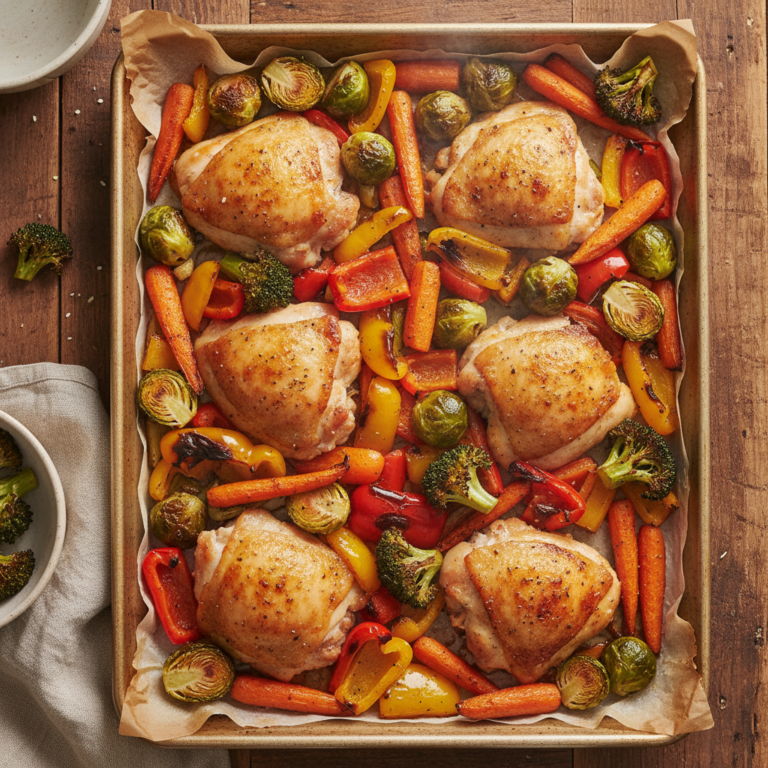
Now let’s walk through how to apply flavor layering to a real dish. I’ll use a simple braised chicken thigh as our example, since it demonstrates every principle beautifully.
Start with your aromatics: diced onions, carrots, and celery in a heavy pot with some ghee or avocado oil. Cook slowly until soft and fragrant – this is your foundation layer.
Add garlic and hardy herbs like thyme. Let them bloom in the oil for 30 seconds, releasing their essential oils. This builds your second aromatic layer.
Pour in a splash of dry white wine or apple cider vinegar. This deglazes the pan and adds your first acid layer. Let it reduce slightly.
Add your protein (seasoned chicken thighs) and brown well. This creates new flavor compounds through the Maillard reaction – more complexity!
Add liquid (bone broth is perfect), a bay leaf, and maybe a dash of coconut aminos. This introduces your umami layer and provides the cooking medium.
Simmer gently, allowing all these flavors to meld and concentrate. Near the end, add a squeeze of fresh lemon juice – your final acid layer that brightens everything.
This same principle applies whether you’re making a quick weeknight dinner or preparing components for your athlete-approved batch cooking routine.
Common Flavor Layering Mistakes and How to Fix Them
Even with the best intentions, flavor layering can go wrong. Here are the mistakes I see most often (and have definitely made myself).
Rushing the aromatic stage is probably the biggest error. Those onions need time to develop sweetness and complexity. If you’re always pressed for time, consider doing this step during your weekend meal prep sessions.
Another common mistake is adding all your acid at once, early in the cooking process. This can make flavors taste flat and muted. Instead, save some bright acid for the very end.
Over-salting early is dangerous because flavors concentrate as liquids reduce. Season lightly at each stage, then adjust at the end.
Finally, don’t forget to taste as you go! Flavor layering is an interactive process. Your palate is the best guide for when each layer is complete and ready for the next addition.
Advanced Techniques for Flavor Layering Masters
Once you’ve mastered the basics, try these advanced techniques that professional chefs use to create truly exceptional dishes.
Compound cooking fats add another layer of flavor from the very beginning. Try cooking your aromatics in herb-infused ghee or bacon fat saved from previous meals. This technique works beautifully with the principles outlined in our sauce mastery guide.
Temperature layering involves adding the same ingredient at different temperatures for varied effects. Room temperature herbs taste different from bloomed herbs, which taste different from fresh herbs added at service.
Time layering means introducing flavors at strategic intervals throughout the cooking process. Long-cooking ingredients go in early, while delicate flavors wait until the end.
Making Flavor Layering Work in Real Life
I know what you’re thinking – this sounds amazing in theory, but who has time for all these steps during busy weeknights?
The truth is, flavor layering doesn’t have to be complicated or time-consuming. Even adding fresh herbs to store-bought compliant ingredients creates layers. A squeeze of lemon over properly seasoned vegetables transforms them completely.
Start small. Pick one element from each layer – maybe caramelized onions, a splash of vinegar, and a pinch of fresh herbs. As these techniques become second nature, you’ll naturally incorporate more layers without thinking about it.
Remember, the goal isn’t to use every technique in every dish. It’s about understanding how flavors work together so you can make conscious choices that elevate whatever you’re cooking.
The beautiful thing about flavor layering is that it makes healthy eating more satisfying. When your keto-paleo meals taste this good, you’ll never feel deprived or bored with your food choices.
What aspect of flavor layering are you most excited to try? I’d love to hear about your experiments in the kitchen – the successes and the learning experiences alike!