Keto-Paleo Plateau Breakthrough: Shake Up Your Routine
So you’ve been doing everything right. You’re eating clean, keeping your carbs low, choosing whole foods — and yet the scale hasn’t budged in weeks. Welcome to the keto-paleo plateau. It’s frustrating, it’s common, and honestly? It doesn’t mean you’ve failed. It just means your body is asking for something a little different right now.
I’ve been there. Multiple times. And the temptation to either give up or completely overhaul everything is real. But here’s what I’ve learned from going through it: the answer is almost never dramatic. It’s usually a handful of small, strategic tweaks that get things moving again.
Let’s walk through what might actually be happening — and what you can do about it without throwing away all the good habits you’ve worked so hard to build.
First, Let’s Get Real About What a Plateau Actually Is
Before we problem-solve, it helps to be honest with ourselves. A true keto-paleo plateau means your weight hasn’t changed in three to four weeks or more — despite consistent eating and movement habits.
If it’s been one or two weeks? That might not be a plateau at all. The scale fluctuates constantly based on water retention, hormones, digestion, and stress. Seriously, you could eat perfectly and still see the number go up or down by two to three pounds in a single day.
If you haven’t read it yet, this post on keto-paleo water weight and when the scale lies to you is genuinely eye-opening. It helped me stop panicking every Monday morning.
Once you’ve confirmed it’s an actual stall, it’s time to dig in.
Macro Tweaks That Can Restart a Keto-Paleo Plateau
One of the most common reasons for a keto-paleo plateau is that your macros made sense when you started — but your body has changed. What worked at 20 pounds heavier may not work now.
Recalculate Your Needs
Your caloric and macro needs shift as you lose weight. A smaller body burns fewer calories. If you haven’t recalculated in a while, it’s worth revisiting your numbers. You might just need a small reduction in overall calories, or a slight shift in your fat-to-protein ratio.
That said, I’m not a fan of obsessively tracking every gram forever. But during a stall? A week or two of careful logging can reveal a lot. Hidden carbs, sneaky calories in cooking oils, or protein that’s crept higher than you realized — these things add up.
Watch for Hidden Carbs
Paleo-friendly foods are not always low-carb foods. Fruit, sweet potatoes, certain nuts, and even some compliant condiments can quietly push your carbs higher than you think. If you’ve loosened up a little over time (we all do), now is a good moment to tighten things back up temporarily.
Our guide on reading labels and finding hidden carbs in paleo foods is a great place to start. Some of the culprits on that list genuinely surprised me.
Consider a Protein Recalibration
Too little protein and you lose muscle. Too much, and excess protein can convert to glucose through gluconeogenesis, which may knock you out of deep ketosis. Aim for roughly 0.7 to 1 gram of protein per pound of lean body mass. If you’ve been eating significantly more or less, that adjustment alone can shake things loose.
Movement Changes That Break Through a Stall
Here’s something that took me a while to accept: doing the same workout every week can stop working. Your body is incredibly adaptive. Once it figures out your routine, it becomes more efficient — which sounds great but actually means it burns fewer calories doing the same work.
Add Variety, Not Just Intensity
You don’t have to go harder. Sometimes you need to go differently. If you walk every day, try adding two days of bodyweight strength training. If you lift weights, add a slow yoga session or a long weekend hike. The goal is to confuse your body in a gentle, sustainable way.
Zone 2 cardio — the kind where you can still hold a conversation — is particularly good for fat burning and metabolic health. It’s low enough in intensity that it doesn’t spike cortisol significantly, which matters a lot during a plateau.
Don’t Underestimate Rest
Counterintuitively, sometimes the answer is to move less, not more. If you’ve been grinding through daily intense workouts, your cortisol levels might be elevated. Chronic high cortisol promotes fat storage, especially around the midsection. A week of lighter movement — walks, stretching, swimming — can actually help more than pushing harder.
Sleep is a huge part of this too. Poor sleep tanks your metabolism, increases hunger hormones, and makes it much harder to stick to your eating plan. If you’ve been skimping on rest, check out this post on keto-paleo sleep foods that fix your rest naturally. Some of the food-based strategies in there are genuinely simple and effective.
Mindset Shifts That Actually Move the Needle
Okay, I want to talk about the part most blog posts skip over. Mindset isn’t fluffy. It’s functional. The mental and emotional state you’re in directly affects your hormones, your choices, and your results.
Stress Is Sabotaging You More Than You Know
Stress is one of the biggest hidden drivers of a keto-paleo plateau. When you’re chronically stressed, your body produces cortisol. Cortisol raises blood sugar, increases fat storage, and suppresses the hormones that help you burn fat efficiently.
And here’s the thing — dietary stress counts too. If you’re obsessively tracking, panicking about every meal, or feeling anxious about social eating situations, that mental stress has a real physiological effect. Sometimes the most productive thing you can do is take a breath and give yourself some grace.
Speaking of social eating — if stress around food at gatherings is a thing for you, this guide on keto-paleo at gatherings without drama has some genuinely helpful mindset reframes alongside the practical tips.
Take Progress Photos and Measurements
The scale is one data point. It’s not the whole story. Body composition can shift significantly — you can lose inches and drop a clothing size — without the number on the scale moving at all. That’s not failure. That’s recomposition.
Take photos every four weeks. Measure your waist, hips, and arms. These numbers often tell a more accurate and encouraging story than the scale alone.
Zoom Out on Your Timeline
We live in a culture obsessed with fast results. But sustainable fat loss on a keto-paleo approach is rarely linear. There are weeks of rapid loss, weeks of nothing, and occasional upticks. Zooming out to look at a four to six week trend gives you much more useful information than day-to-day weigh-ins.
Metabolic Factors Worth Exploring
Sometimes a keto-paleo plateau isn’t about what you’re eating at all. It’s about what your body is doing underneath the surface.
Thyroid and Hormonal Function
If you’ve been stalled for months despite genuinely consistent effort, it’s worth getting bloodwork done. Thyroid function, insulin resistance, and hormonal imbalances can all slow progress significantly. These are things your doctor can check with a simple panel.
We have a deeper dive into keto-paleo hormone balance and natural food solutions that’s worth a read if you think this might be a factor for you.
Inflammation May Be Playing a Role
Chronic low-grade inflammation can interfere with fat loss and make you feel stuck even when you’re doing everything right. Anti-inflammatory eating is already baked into a well-constructed keto-paleo approach, but if you’ve drifted away from the basics — more processed keto products, fewer vegetables, higher stress — it might be time to reset toward whole, anti-inflammatory foods.
Our keto-paleo anti-inflammatory meal planning guide walks through exactly how to build meals that work with your body rather than against it.
Are You Eating Enough?
This one surprises people. Under-eating can stall progress just as easily as over-eating. If you’ve been in a significant caloric deficit for a long time, your body may have downregulated your metabolism to compensate. A brief period of eating at maintenance — sometimes called a diet break — can actually reset your metabolic rate and help restart loss when you resume your deficit.
This isn’t permission to go off the rails. It means eating whole, keto-paleo foods at a calorie level that maintains your weight for one to two weeks, then returning to your usual approach.
Practical Resets You Can Try This Week
Sometimes the best thing is to just have a concrete list. Here are five things you can try right now without overhauling your whole approach.
1. Do a 3-Day Strict Reset
Go back to basics for three days. No keto treats, no eating out, no “flexible” meals. Just meat, fish, eggs, non-starchy vegetables, healthy fats, and water. It sounds simple because it is. But it’s remarkably effective at cutting through the noise and resetting your appetite and blood sugar.
2. Try Intermittent Fasting (If You Haven’t Already)
A simple 16:8 fasting window — eating within an 8-hour period each day — can help deepen ketosis, reduce overall caloric intake without tracking, and give your digestive system a rest. Many people find this easier to maintain than calorie counting.
3. Swap One Meal for Something New
Food boredom is real, and it leads to mindless snacking and portion creep. Shake up one meal each day with something you haven’t tried in a while. New flavors, new textures, and new combinations keep you engaged and often improve satisfaction without adding calories.
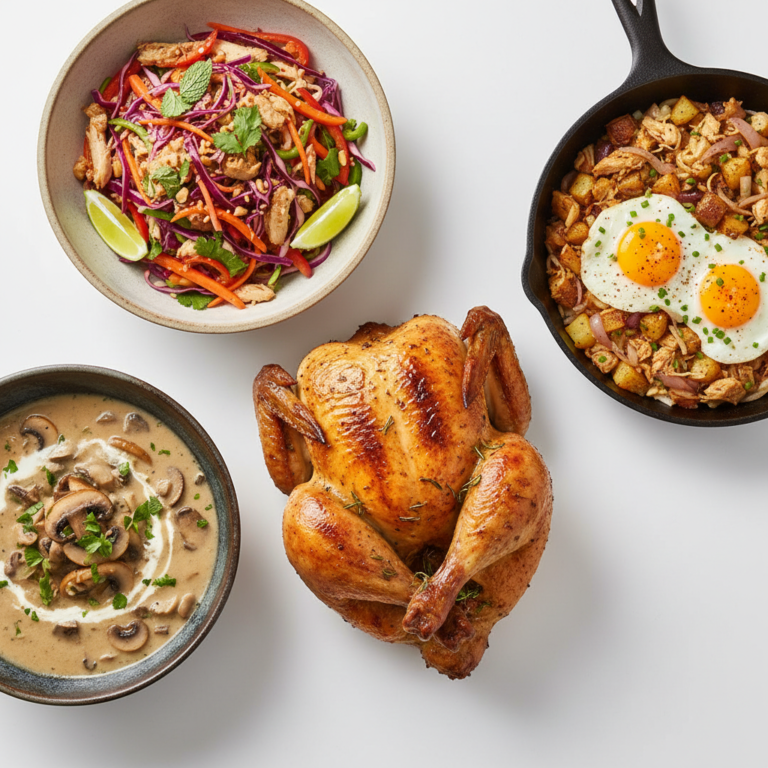
If meal variety feels hard to maintain, these 10 keto-paleo leftover makeover ideas are a fantastic way to keep meals interesting without extra cooking time.
4. Add One Resistance Training Session
If you’re not already lifting weights or doing bodyweight exercises, adding just one session per week can make a meaningful difference. Muscle tissue burns more calories at rest. Building or maintaining muscle while losing fat is one of the most effective long-term strategies for keeping the weight off.
5. Review Your Budget and Food Quality
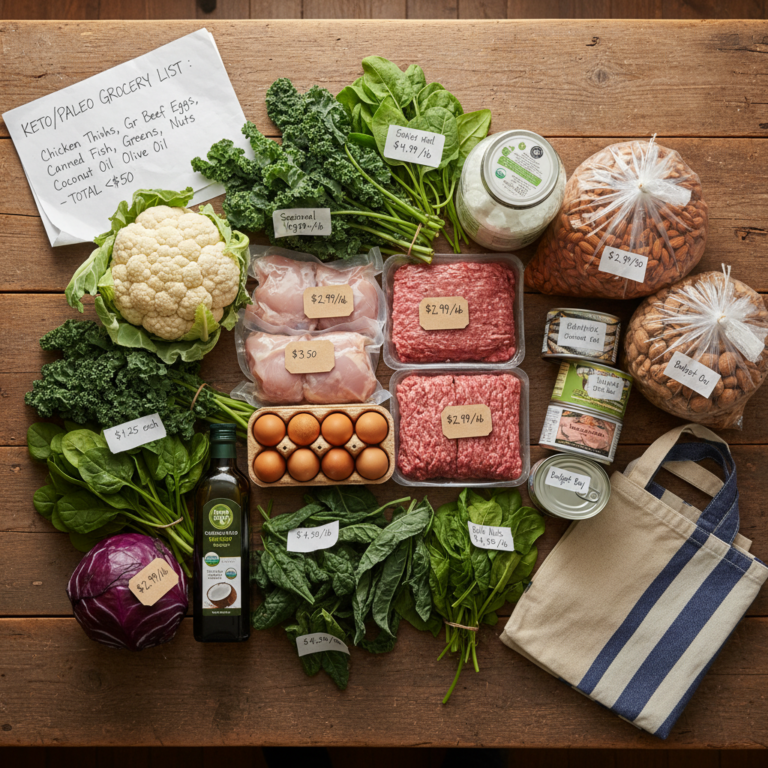
Sometimes we cut corners on food quality when money gets tight, and it affects results in subtle ways. If you’ve shifted toward lower-quality proteins, more vegetable oils, or fewer nutrient-dense vegetables to save money, it’s worth finding a better balance. This budget keto-paleo shopping guide shows how to eat well for under $75 a week without sacrificing quality.
What to Avoid During a Plateau
Just as important as what to do is what NOT to do when you’re stuck.
Don’t slash calories dramatically. Eating very low calories triggers survival mode and makes everything harder — including energy, mood, and muscle retention.
Don’t add extreme exercise. Going from moderate activity to daily intense workouts spikes cortisol and often leads to increased appetite and injury.
Don’t abandon your approach entirely. A keto-paleo plateau doesn’t mean keto-paleo isn’t working. It means it’s time to fine-tune, not restart from scratch.
Don’t compare your timeline to someone else’s. Social media is a highlight reel. Your body, your history, your hormones, your stress levels — they’re unique to you.
You’re Closer Than You Think
Breaking through a keto-paleo plateau rarely requires a dramatic intervention. More often, it asks for a little patience, a little curiosity, and a few small adjustments applied consistently over a few weeks.
The fact that you’re here, reading this, troubleshooting instead of quitting — that says everything about where your head is at. You’re not failing. You’re problem-solving. And that’s exactly the kind of person who figures this out.
Try one or two of the tweaks above. Give them two to three weeks. Pay attention to how you feel, not just what the scale says. And remember — this isn’t a sprint. It’s a lifestyle you’re building, one meal, one choice, one week at a time.
You’ve got this.