Keto-Paleo Water Weight: When the Scale Lies to You
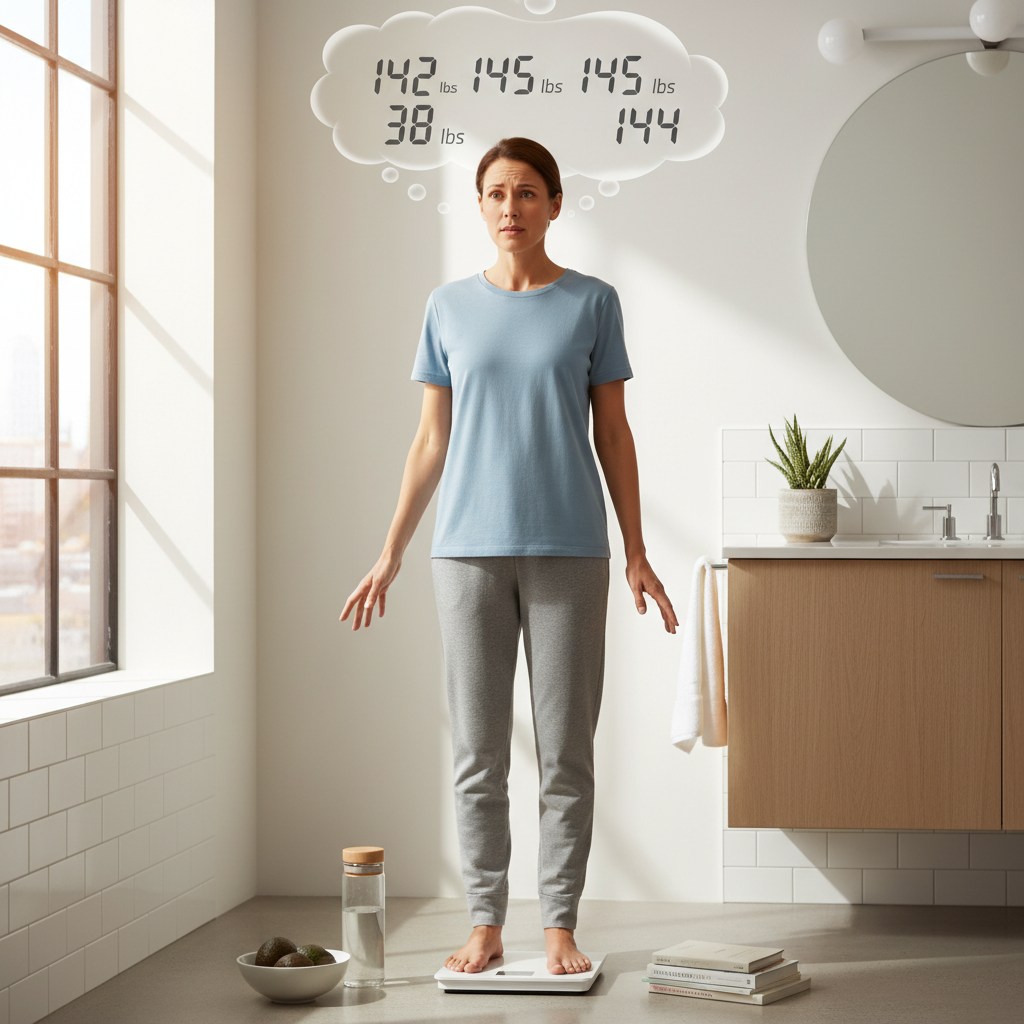
I stepped on the scale this morning and nearly threw it out the window. Up three pounds from yesterday, despite eating perfectly on my keto paleo water weight journey. Sound familiar? If you’ve been following a keto-paleo lifestyle for more than a week, you’ve probably experienced this maddening dance with the numbers.
Here’s the truth nobody talks about enough: your scale is a pathological liar when it comes to measuring real progress. Those daily fluctuations that make you question everything? They’re mostly water, not fat. Let me walk you through what’s really happening in your body.
Why Keto Paleo Water Weight Fluctuations Happen
First, let’s get one thing straight. Water weight changes are completely normal and expected on any low-carb lifestyle. Your body stores carbohydrates as glycogen, and each gram of glycogen holds onto about 3-4 grams of water.
When you cut carbs drastically (hello, keto-paleo life), your glycogen stores deplete quickly. That’s why many people see a dramatic 5-10 pound drop in their first week. Unfortunately, it’s mostly water, not the fat we’re actually trying to lose.
But here’s where it gets tricky. Your body doesn’t just dump all its water and call it a day. Various factors continuously influence how much water you’re retaining:
Hormonal fluctuations play a huge role, especially for women. Estrogen and progesterone levels affect fluid retention throughout your menstrual cycle. I’ve seen my weight swing 4-6 pounds based purely on where I am in my cycle.
Sodium intake is another major player. Eat a particularly salty meal, and you might wake up holding onto extra water. This is why I always feel puffy after dining out, even when I stick to keto-paleo choices.
Stress and cortisol levels also impact water retention. High stress triggers cortisol release, which can cause your body to hold onto fluids. If you’ve had a rough week at work, don’t be surprised if the scale reflects it.
The Real Truth About Daily Weight Fluctuations
Let me share something that changed my entire relationship with the scale. Your weight can naturally fluctuate 2-5 pounds daily, even when you’re doing everything right. This has nothing to do with fat gain or loss.
I started tracking my weight daily for three months while maintaining the exact same eating pattern. The results were eye-opening. My weight varied by up to 6 pounds within a single week, despite zero changes to my diet or exercise routine.
Here’s what causes these fluctuations:
Timing matters. Weigh yourself first thing in the morning after using the bathroom, before eating or drinking anything. Your weight will be higher later in the day simply from food and fluid intake.
Exercise affects the scale. Intense workouts cause temporary inflammation and water retention as your muscles repair themselves. Don’t panic if you’re up a pound or two after a particularly challenging workout.
Sleep quality impacts everything. Poor sleep affects hormones that regulate fluid balance. When I don’t sleep well, I almost always see higher numbers on the scale. This is why focusing on keto paleo sleep foods has been so important for my overall progress.
Bathroom habits matter more than you think. Constipation can add several pounds to the scale. On a keto-paleo diet, make sure you’re getting enough fiber and staying hydrated.
How Much Water Weight Is Normal?
Most people can expect to see water weight fluctuations of 2-4 pounds daily. However, certain situations can cause larger swings:
During the initial transition to keto-paleo, you might lose 5-10 pounds of water weight in the first week. This rapid loss often slows down significantly in week two, which can be discouraging if you don’t understand what’s happening.
Women may experience larger fluctuations during certain times of their menstrual cycle. It’s not uncommon to see 5-7 pound swings during the week before your period.
After eating out or consuming more sodium than usual, you might see a 3-5 pound increase overnight. This typically resolves within 24-48 hours of returning to your normal eating pattern.
Distinguishing Water Weight From Real Progress
So how do you tell the difference between meaningless water fluctuations and actual changes in body composition? This is where most people get confused, and I don’t blame them.
Here’s my approach: focus on trends over time, not daily numbers. I track my weight daily but only pay attention to the overall direction over 2-4 week periods. If the general trend is downward, I’m making progress, regardless of daily ups and downs.
Look for patterns in your data. After tracking for a few months, you’ll start to notice your personal patterns. I know I’m typically 2-3 pounds heavier on Mondays because I tend to eat more sodium on weekends. This knowledge helps me avoid Monday morning scale panic.
Use multiple progress indicators. The scale is just one tool. Take body measurements, progress photos, and note how your clothes fit. I’ve had weeks where the scale didn’t budge, but my jeans felt looser and my energy levels improved.
For budget-conscious folks following our lifestyle, tracking progress doesn’t have to be expensive. You don’t need fancy equipment beyond a basic scale and measuring tape. Focus your money on quality ingredients instead, like we discuss in our budget keto paleo guide.
Red Flags vs. Normal Fluctuations
While most weight fluctuations are normal, certain patterns might indicate something else is going on:
Consistent upward trends over 2-3 weeks might suggest you need to adjust your approach. This could mean reassessing portion sizes or checking for hidden carbs in your foods. Our hidden carbs guide can help identify sneaky culprits.
Extreme fluctuations (8-10+ pounds overnight) aren’t typically just water weight and might warrant a conversation with your healthcare provider.
Persistent bloating or discomfort alongside weight fluctuations could indicate food sensitivities or digestive issues that need addressing.
Managing the Mental Game of Scale Fluctuations
Let’s be honest – seeing higher numbers on the scale messes with your head, even when you know it’s just water weight. I’ve been there, questioning everything about my food choices because of a meaningless daily fluctuation.
Here’s what helps me maintain perspective:
Remember your why. You’re not just chasing a number on the scale. You’re working toward better health, more energy, reduced inflammation, and feeling amazing in your body. These benefits matter more than daily weight variations.
Celebrate non-scale victories. Did you sleep better this week? Have more energy? Feel less bloated? These improvements often happen before the scale reflects your progress.
Consider weighing less frequently. If daily weigh-ins stress you out, try weekly or even monthly check-ins. Some people do better with this approach, especially when starting out.
Focus on consistency, not perfection. A sustainable keto-paleo lifestyle isn’t about never having fluctuations. It’s about consistently making choices that support your health over time.
The Role of Inflammation in Water Retention
One aspect of water weight that doesn’t get enough attention is inflammation. Chronic inflammation can cause your body to retain excess fluid, making the scale numbers less meaningful.
This is where the anti-inflammatory benefits of a well-planned keto-paleo diet really shine. By focusing on anti-inflammatory keto paleo foods, you’re not just supporting fat loss – you’re reducing overall inflammation and the water retention that comes with it.
Foods high in omega-3 fatty acids, antioxidant-rich vegetables, and quality proteins all help combat inflammation. Getting your omega balance right is particularly important for managing inflammation-related water retention.
Practical Strategies for Dealing with Water Weight
Now that we understand why keto paleo water weight fluctuations happen, let’s talk about practical strategies for managing them:
Stay consistently hydrated. It sounds counterintuitive, but drinking more water actually helps reduce water retention. When you’re dehydrated, your body holds onto whatever fluid it can get.
Keep sodium intake consistent. You don’t need to avoid sodium completely on keto-paleo, but try to keep your intake relatively steady day to day. Large variations cause corresponding water weight swings.
Prioritize quality sleep. Poor sleep disrupts hormones that regulate fluid balance. Making sleep a priority has been one of the most impactful changes for stabilizing my weight fluctuations. Check out our keto paleo sleep foods guide for natural ways to improve your rest.
Manage stress levels. Chronic stress elevates cortisol, which promotes water retention. Find stress management techniques that work for you, whether that’s meditation, walking, or whatever helps you unwind.
Time your weigh-ins consistently. Same time, same conditions, same scale. This eliminates as many variables as possible from your measurements.
When to Trust the Scale vs. When to Ignore It
The scale can be a useful tool when used correctly, but it shouldn’t be your only measure of progress. Here’s when to pay attention and when to ignore those numbers:
Trust longer-term trends. If your average weight over the past month is lower than the previous month, you’re likely making progress, even if daily numbers vary wildly.
Ignore day-to-day fluctuations. That 3-pound jump overnight? Probably just water. Don’t let it derail your efforts or send you into a spiral of self-doubt.
Pay attention to how you feel. Are you sleeping better? Do you have more energy? Is your digestion improving? These factors matter more than scale numbers for long-term health.
The Science Behind Glycogen and Water Storage
Let’s dive a bit deeper into why water weight changes are so dramatic on a keto-paleo lifestyle. Understanding the science helps take the emotional charge out of scale fluctuations.
Your muscles and liver store glucose as glycogen for quick energy. Each gram of stored glycogen binds with about 3-4 grams of water. An average person stores roughly 400-500 grams of glycogen, which means 1.2-2 kilograms (2.6-4.4 pounds) of water weight just from glycogen storage.
When you drastically reduce carbs, your body rapidly depletes these glycogen stores and releases the bound water. This is why the initial weight loss on keto feels so dramatic and encouraging.
However, glycogen stores aren’t completely eliminated on a keto-paleo diet. They fluctuate based on your activity level, stress, sleep quality, and even small variations in carb intake from vegetables.
This explains why you might see the scale jump up after a particularly carb-heavy (but still keto-friendly) meal with extra vegetables, or why it drops after a few days of being extra strict with portions.
Hormones and Their Impact on Water Weight
Hormonal fluctuations significantly impact water retention, especially for women. Understanding these patterns helps normalize the experience and reduces scale-related stress.
Estrogen promotes water retention, which is why many women see higher numbers on the scale during the luteal phase of their menstrual cycle. Progesterone has diuretic effects, but the interplay between these hormones creates complex patterns of fluid retention and loss.
Cortisol, our primary stress hormone, also promotes fluid retention. This is why stressful periods often correlate with higher scale numbers, even when your eating stays consistent.
The good news is that a well-formulated keto-paleo diet can help balance these hormones over time. Our hormone balance guide explores this topic in more detail.
Building a Healthy Relationship with the Scale
After years of letting scale fluctuations control my mood and motivation, I’ve learned to view daily weigh-ins as data collection rather than judgment day. This shift in perspective has been game-changing for my mental health and long-term consistency.
Here’s how I recommend approaching scale use:
Set clear expectations. Before you step on the scale, remind yourself that you’re collecting data, not receiving a grade on your worth as a person. The number reflects many factors beyond your eating choices.
Look for patterns, not perfection. Track your weight for at least 4-6 weeks before drawing any conclusions about your progress. This timeframe accounts for normal hormonal fluctuations and gives you a clearer picture of trends.
Pair scale data with other metrics. How are your energy levels? Sleep quality? Digestion? Mood? These qualitative measures often improve before quantitative ones and provide a more complete picture of your health journey.
Consider your individual patterns. Maybe you always weigh more on Mondays after a more relaxed weekend, or perhaps your weight spikes mid-cycle every month. Knowing your patterns helps normalize the fluctuations.
Alternative Progress Tracking Methods
While we’re talking about the limitations of scale weight, let’s explore other ways to track progress that might be more meaningful for your journey:
Body measurements can reveal changes when the scale stays stagnant. Measure your waist, hips, arms, and thighs monthly. I’ve had periods where I lost inches while maintaining the same weight, indicating body composition improvements.
Progress photos capture changes that neither the scale nor measurements might show. Take photos in the same lighting, clothing, and poses monthly. The changes might surprise you.
Performance metrics matter too. Can you walk farther without getting winded? Do you have more endurance during workouts? Are you sleeping more soundly? These improvements often precede scale changes.
How your clothes fit is one of the most practical indicators of progress. That pair of jeans doesn’t lie – if they’re getting looser, you’re making progress regardless of what the scale says.
Creating Sustainable Habits Beyond the Scale
Ultimately, successful long-term health isn’t about achieving a specific number on the scale. It’s about building sustainable habits that support your wellbeing regardless of daily fluctuations.
Focus on consistency with your food choices rather than perfection. A sustainable keto-paleo lifestyle includes flexibility for real life while maintaining your core healthy habits most of the time.
Meal planning and prep can help maintain consistency even when life gets hectic. Our weekend warrior meal prep guide shows how to set yourself up for success without spending all day in the kitchen.
Remember that this journey is about more than weight loss. You’re working to reduce inflammation, balance hormones, improve energy levels, and feel amazing in your body. These benefits are worth celebrating, even when the scale seems stuck.
Finally, be patient with yourself and the process. Sustainable changes take time, and your body needs time to adapt and heal, especially if you’re healing your metabolism from years of standard diet damage.
The scale will continue to fluctuate – that’s just physics and biology working together in your body. But now you understand why those fluctuations happen and how to interpret them in the context of your overall health journey. Use this knowledge to stay focused on what really matters: consistent healthy choices that make you feel amazing, regardless of what the numbers say.