Reading Labels: Hidden Carbs in Paleo Foods Guide
Starting your keto-paleo journey feels empowering, but hidden carbs in seemingly paleo-friendly products can sabotage your progress. Many health-conscious individuals discover that reading labels becomes their secret weapon for maintaining ketosis while following paleo principles.
You’re not alone if you’ve experienced mysterious weight stalls or energy crashes despite eating “clean” foods. The truth is, food manufacturers often add sneaky ingredients that can kick you out of ketosis faster than you’d expect.
Why Hidden Carbs Matter for Your Keto-Paleo Success
When you’re combining keto and paleo approaches, every gram of carbohydrates counts toward your daily limit. Most keto-paleo enthusiasts aim for 20-50 grams of net carbs daily, making label reading absolutely essential.
Hidden sugars and starches can quickly accumulate throughout your day. For instance, that “paleo-friendly” almond butter might contain 8 grams of added sugars per serving. Similarly, your favorite coconut milk could have unexpected thickeners that add unnecessary carbs.
Furthermore, many processed foods marketed as paleo contain ingredients that technically aren’t paleo-compliant. These additions not only increase carb counts but can also trigger inflammation and digestive issues.
The Sneakiest Hidden Carb Culprits
Understanding where hidden carbs lurk helps you make informed decisions at the grocery store. Here are the most common offenders hiding in paleo products:
Sugar Disguises
Food manufacturers use over 60 different names for sugar. Watch out for these common aliases:
Agave nectar, coconut nectar, and date syrup often appear in paleo products. While these might seem natural, they’re still high in fructose and can spike blood sugar levels.
Additionally, ingredients ending in “-ose” (fructose, dextrose, maltose) are pure sugars. Even “natural” versions like brown rice syrup contain significant carbohydrates that can derail ketosis.
Starchy Thickeners and Fillers
Many paleo-marketed products contain unexpected starches. Tapioca starch, arrowroot powder, and cassava flour frequently appear in paleo baked goods and sauces.
These ingredients, while technically paleo, are high in carbohydrates. A single tablespoon of tapioca starch contains about 8 grams of carbs, which could represent 40% of your daily allowance.
Moreover, potato starch and sweet potato flour sometimes sneak into paleo products. Always check ingredient lists carefully, especially in packaged foods.
Decoding Nutrition Labels Like a Pro
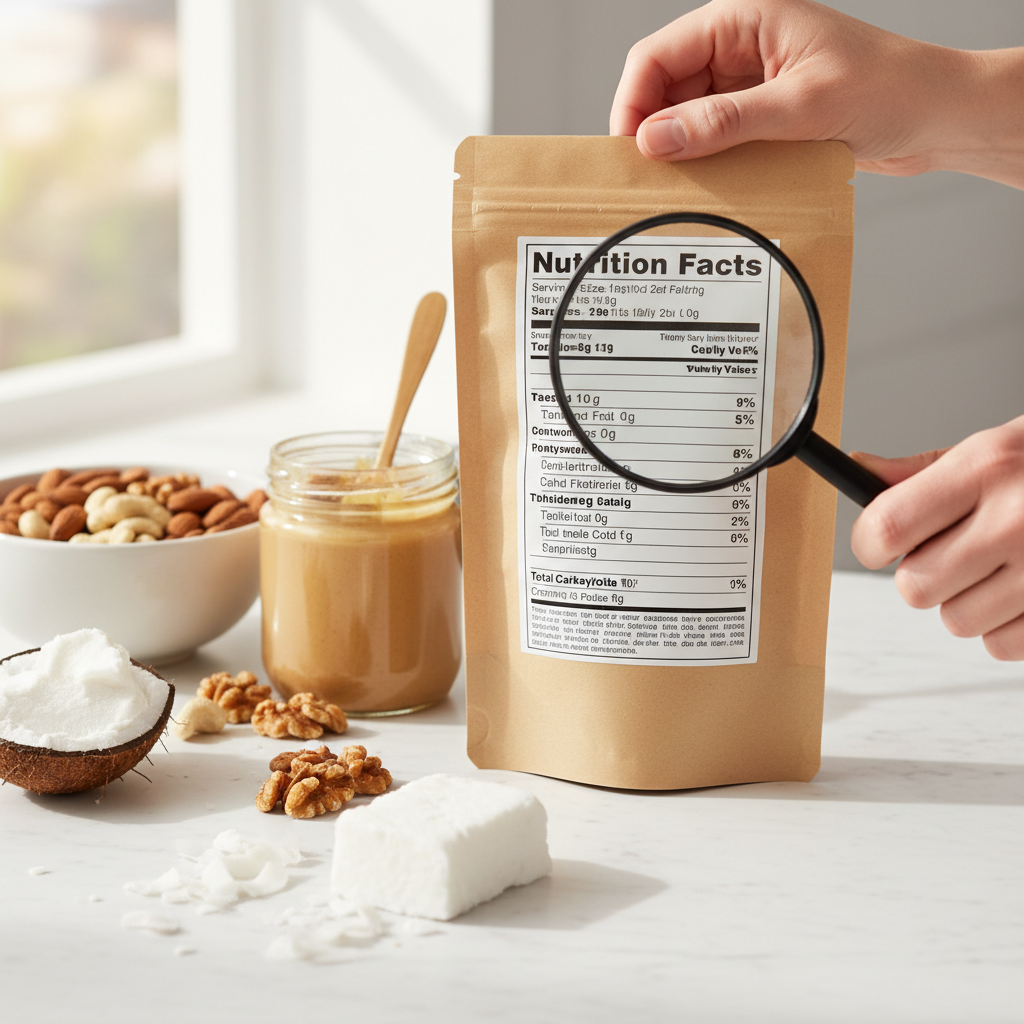
Effective label reading requires a systematic approach. Start by examining the ingredient list before looking at nutrition facts, as ingredients appear in descending order by weight.
Next, focus on total carbohydrates rather than just sugars. Calculate net carbs by subtracting fiber from total carbohydrates. However, remember that some sugar alcohols and alternative sweeteners can still impact blood sugar.
Pay special attention to serving sizes, as manufacturers often use unrealistically small portions to make nutrition facts appear healthier. That paleo granola might look low-carb until you realize the serving size is only ¼ cup.
The 5-Gram Rule
When following a strict keto-paleo approach, consider implementing the 5-gram rule. If a single serving contains more than 5 grams of net carbs, evaluate whether it fits your daily macro goals.
This strategy helps you budget carbohydrates effectively throughout the day. You might choose to enjoy that 8-gram carb almond butter while being extra careful with other foods.
Common Paleo Products That Surprise
Even experienced keto-paleo followers get caught off-guard by these seemingly innocent products:
Nut and seed butters often contain added oils and sweeteners. Pure almond butter should contain only almonds and perhaps salt. Anything else increases carb content unnecessarily.
Coconut products vary dramatically in carb content. Unsweetened coconut flakes contain about 2 grams of net carbs per ounce, while sweetened versions can contain 8+ grams.
Paleo-friendly sauces and dressings frequently hide sugars and thickeners. That organic balsamic vinegar might contain grape must, adding unexpected carbohydrates to your salad.
When meal planning becomes overwhelming, consider our Plate-First Keto-Paleo approach for simpler decision-making.
Smart Shopping Strategies
Successful label reading starts before you enter the store. Create a shopping list focused on single-ingredient, whole foods whenever possible.
Shop the perimeter first, where fresh meats, vegetables, and unprocessed foods typically live. This strategy reduces exposure to heavily processed products with hidden carbs.
When you do venture into inner aisles, stick to your predetermined list. Impulse purchases often contain the most problematic ingredients.
Building Your Clean Pantry
Stock up on staple ingredients that support your keto-paleo goals. Focus on items like:
Single-ingredient nuts and seeds, pure nut butters without additives, and high-quality oils like avocado and olive oil. These form the foundation of successful meal preparation.
For busy weeknights, our 5-Ingredient, 15-Minute Keto-Paleo Dinners guide helps you create satisfying meals without questionable ingredients.
Technology Tools for Label Reading
Modern apps can streamline your label-reading process. Popular options include Carb Manager, MyFitnessPal, and Cronometer, which help track hidden carbohydrates effectively.
Additionally, some apps allow you to scan barcodes for instant nutrition information. This feature proves invaluable when comparing similar products in-store.
However, don’t rely solely on apps. Many databases contain errors, so always verify information against actual product labels.
When to Bend the Rules
Perfect adherence isn’t always realistic or necessary. Sometimes, a product with slightly higher carbs fits better into your lifestyle than complete avoidance.
The key lies in making informed decisions. If you choose to include a higher-carb paleo product, adjust other meals accordingly to stay within your targets.
Remember that sustainability matters more than perfection. Overly restrictive approaches often lead to eventual abandonment of healthy eating patterns.
For comprehensive meal planning support, explore our 21-Day Keto-Paleo Fusion Meal Blueprint for balanced, sustainable approaches.
Your Action Plan Moving Forward
Start implementing these label-reading strategies gradually. Begin with products you use most frequently, then expand your scrutiny to occasional purchases.
Keep a food diary for one week, noting hidden carb sources you discover. This awareness-building exercise often reveals surprising patterns in your eating habits.
Most importantly, remember that knowledge empowers better choices. Every label you read builds your expertise in navigating the complex world of food marketing.
With practice, identifying hidden carbs becomes second nature. You’ll soon shop with confidence, knowing exactly what you’re putting into your body and how it supports your keto-paleo journey.