Keto Paleo Sleep Foods: Fix Your Rest Naturally
Are you tossing and turning at night despite eating clean? You’re not alone in this struggle. Many of us following keto paleo sleep optimization discover that what we eat and when we eat it can dramatically impact our rest quality. The good news? Your food choices can be your sleep’s best friend – or worst enemy.
Let’s dive into which foods support better sleep and which ones might be keeping you wide-eyed at midnight. Plus, I’ll share the timing strategies that have made a real difference in my own sleep journey.
Understanding Sleep on Keto Paleo
When we first switch to this way of eating, sleep patterns often go haywire. Your body is adapting to burning fat instead of glucose, which affects everything from hormone production to neurotransmitter balance. This transition period can feel rough, but understanding what’s happening helps us make better choices.
Sleep quality depends heavily on several key factors: blood sugar stability, magnesium levels, cortisol rhythms, and the production of sleep-promoting neurotransmitters like serotonin and GABA. Our food choices directly influence all of these.
The beauty of combining keto and paleo principles is that we naturally eliminate many sleep disruptors – like refined sugars and inflammatory processed foods. However, we need to be strategic about what we include and when we eat it.
Keto Paleo Sleep Foods That Support Deep Rest
After years of experimenting with different approaches, I’ve identified specific foods that consistently improve sleep quality without compromising our eating plan. These aren’t magic bullets, but they’ve made a noticeable difference in my rest.
Magnesium-Rich Powerhouses
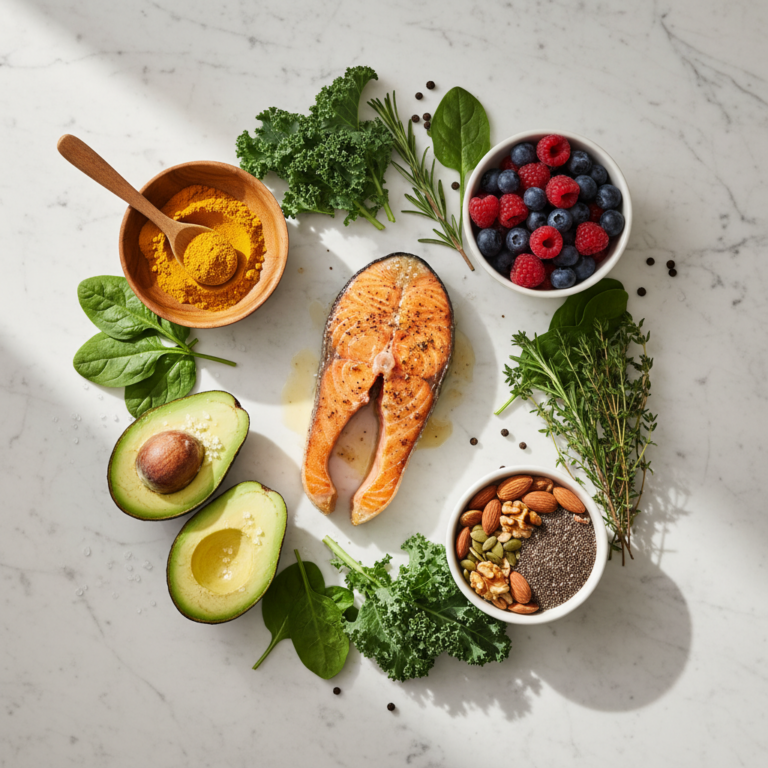
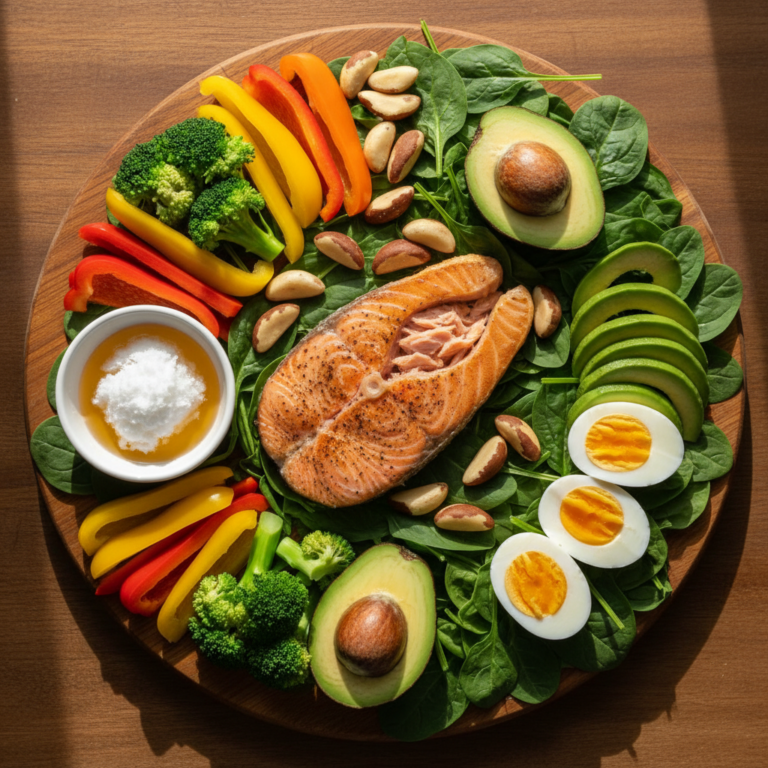
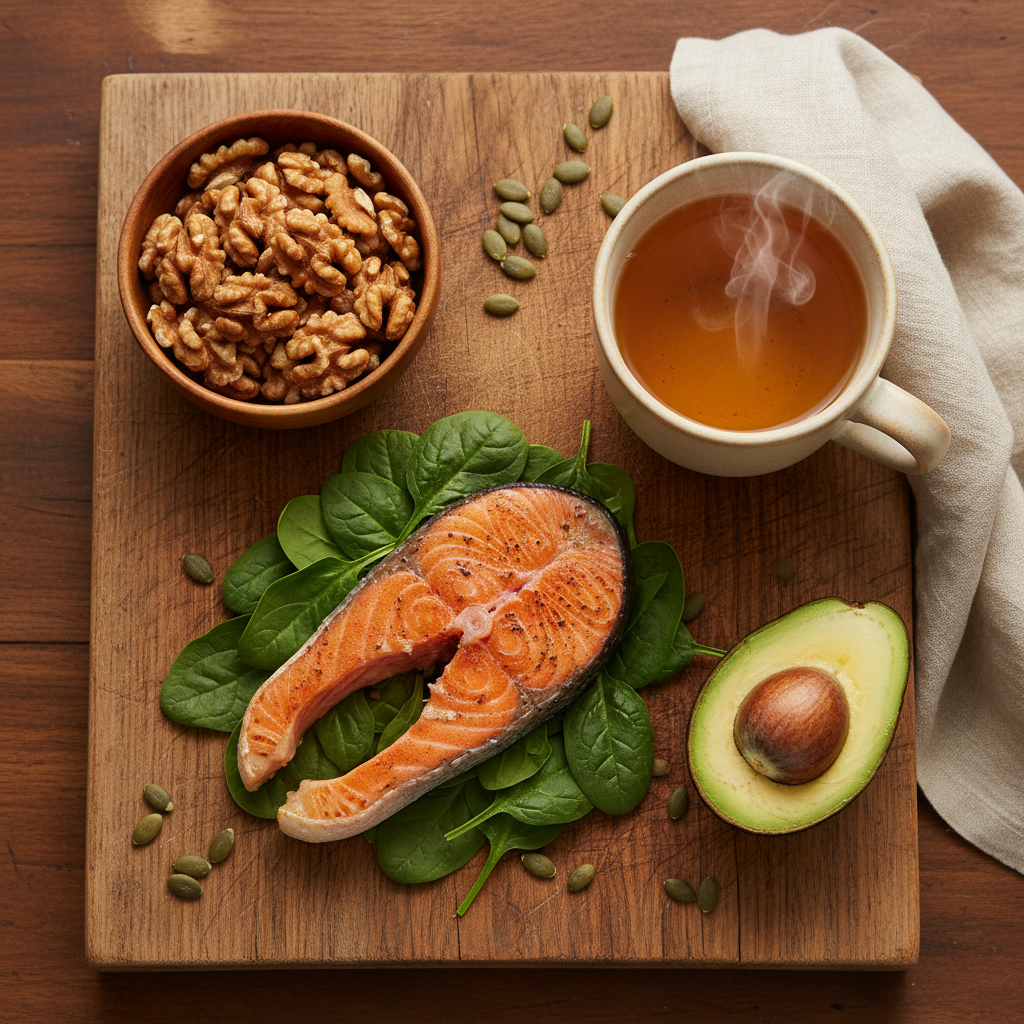
Dark leafy greens like spinach and Swiss chard are absolute stars for evening meals. They’re packed with magnesium, which helps calm the nervous system. I love adding a big handful to my dinner salad or sautéing them with garlic.
Pumpkin seeds deserve special mention here. Just a small handful provides a significant magnesium boost plus healthy fats that support hormone production. I keep them in my desk drawer for afternoon snacks.
Avocados are another magnesium winner, plus they provide potassium which helps regulate blood pressure during sleep. Half an avocado with dinner has become my go-to addition.
Fatty Fish for Sleep Success
Wild-caught salmon, mackerel, and sardines provide omega-3 fatty acids that reduce inflammation and support melatonin production. The timing matters though – I find these work best at lunch or early dinner.
These fish also provide vitamin D, which plays a crucial role in sleep regulation. Many of us are deficient without realizing it, especially during winter months. For more details on optimizing your fat intake, check out our guide on Master Omega Balance: Perfect Fat Ratios for Keto-Paleo.
Nuts and Seeds for Evening Calm
Walnuts contain natural melatonin, making them an excellent evening snack choice. Just a small handful about two hours before bed can help signal sleepiness. Almonds provide magnesium and protein that helps stabilize blood sugar overnight.
Chia seeds are incredibly versatile. I often make a simple chia pudding with coconut milk for dessert – it’s satisfying without being heavy, and the magnesium helps promote relaxation.
Foods That Can Sabotage Your Sleep
Even within our keto paleo framework, some foods can interfere with quality rest. Learning to identify these has been game-changing for my sleep routine.
Caffeine Culprits
This one seems obvious, but the timing is crucial. Even dark chocolate contains enough caffeine to affect sensitive individuals. I’ve learned to enjoy my 85% dark chocolate before 2 PM to avoid evening restlessness.
Be aware of hidden caffeine sources too. Some herbal teas contain green tea or yerba mate. Always check labels carefully – our guide on Reading Labels: Hidden Carbs in Paleo Foods Guide covers this in detail.
High-Protein Evening Meals
While protein is essential, too much at dinner can interfere with sleep. Large portions of meat require significant energy to digest, potentially keeping your body “active” when it should be winding down.
I aim for moderate protein portions at dinner – about the size of my palm – and focus more on vegetables and healthy fats. This approach has improved both my digestion and sleep quality.
Spicy and Acidic Foods
Foods high in capsaicin (hot peppers) or acids (tomatoes, citrus) can cause digestive discomfort that interferes with sleep. While these foods have their place in a healthy diet, timing matters.
I’ve found that enjoying spicier foods at lunch works much better than having them for dinner. Your digestive system has time to process them before bedtime.
Strategic Meal Timing for Better Sleep
When we eat can be just as important as what we eat. Through trial and error, I’ve developed a timing strategy that supports both my eating plan and sleep quality.
The Three-Hour Rule
Finishing dinner at least three hours before bedtime has made the biggest difference in my sleep quality. This gives your digestive system time to handle the workload without competing with sleep processes.
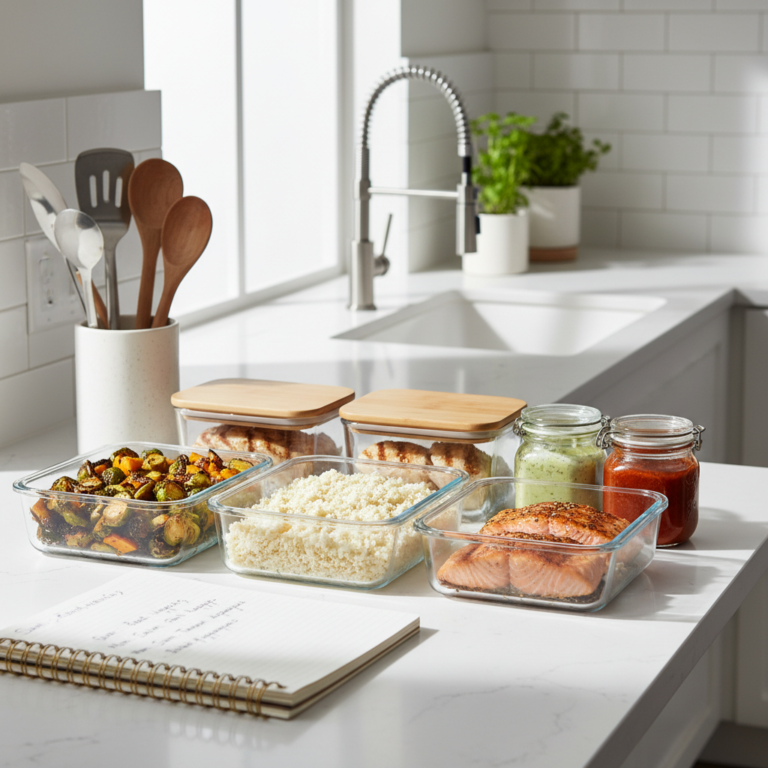
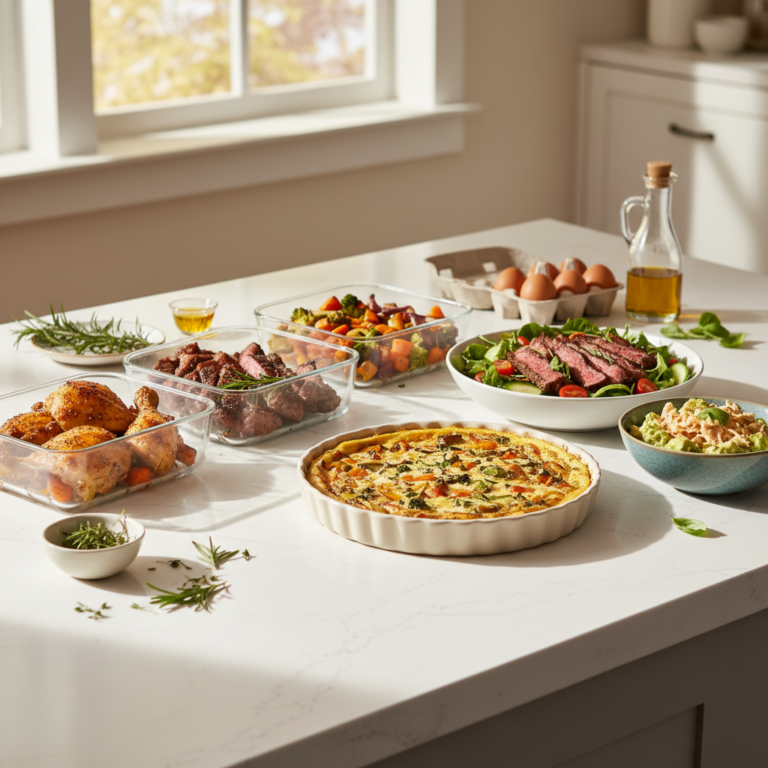
If you’re used to eating late, this adjustment takes some planning. I often use Weekend Warrior Keto-Paleo Meal Prep strategies to have earlier dinners ready without stress.
Light Evening Options
When life demands later dinners, I opt for lighter, easily digestible meals. A salad with avocado and olive oil, or some leftover soup from batch cooking works well.
Speaking of leftovers, our Keto Paleo Leftovers: 10 Creative Makeover Ideas post has great suggestions for transforming heavier meals into lighter evening options.
The Bedtime Snack Debate
Some people swear by small bedtime snacks, while others find them disruptive. I fall into the “small snack” camp, but it has to be the right choice.
A few walnuts or a small piece of aged cheese about an hour before bed can help stabilize blood sugar without causing digestive issues. The key is keeping portions tiny and choosing easily digestible options.
Key Nutrients for Sleep Optimization
Understanding which nutrients support sleep helps us make better food choices throughout the day. These aren’t supplements – they’re nutrients we can get from whole foods within our eating plan.
Magnesium: The Sleep Mineral
Magnesium deficiency is incredibly common and directly impacts sleep quality. This mineral helps regulate GABA, a neurotransmitter that promotes relaxation and sleep.
Beyond the foods I mentioned earlier, bone broth is an excellent source of magnesium plus other minerals that support sleep. I often have a warm mug in the evening as part of my wind-down routine.
Glycine for Deeper Sleep
Glycine is an amino acid that promotes deeper, more restorative sleep. The best food source is collagen-rich foods like bone broth, skin-on chicken, and fish with bones.
Making bone broth might seem daunting, but it’s actually quite simple. I use a slow cooker and let it run while I’m busy with other things. The result supports both sleep and overall health.
Tryptophan Sources
This amino acid is a precursor to serotonin, which converts to melatonin. Turkey gets all the attention, but other poultry, grass-fed beef, and wild-caught fish are also good sources.
The key with tryptophan is that it competes with other amino acids for brain absorption. Pairing it with some carbohydrates helps, which is where paleo-friendly options like sweet potato come in handy.
Supporting Your Sleep-Wake Cycle Naturally
Our circadian rhythms depend on more than just food, but nutrition plays a supporting role in maintaining healthy sleep-wake cycles. Small adjustments can make a big difference.
Morning Light and Food Timing
Eating breakfast within an hour of waking helps set your circadian clock. Even if you practice intermittent fasting, having some nutrients early signals to your body that it’s time to be awake and alert.
I often start with bone broth or a small amount of coconut oil in my morning routine. It’s not a full meal, but it provides enough signal without breaking extended fasting periods.
Evening Wind-Down Foods
Creating food-based evening rituals can signal to your body that it’s time to prepare for sleep. Herbal teas like chamomile, passionflower, or lemon balm work wonderfully.
I’ve made golden milk (turmeric latte with coconut milk) part of my evening routine. The warm drink is comforting, and turmeric has anti-inflammatory properties that support overall health.
Troubleshooting Common Sleep Issues
Even with the best intentions, sleep challenges can arise. Here are some common issues I’ve encountered and the food-based solutions that have helped.
Middle-of-the-Night Waking
If you’re waking up between 2-4 AM, blood sugar instability might be the culprit. This often happens when we’re not eating enough fat or are spacing meals too far apart.
Adding more healthy fats to dinner – like extra olive oil, avocado, or nuts – can help maintain steady blood sugar throughout the night. The process described in Healing Metabolism After Standard Diet Damage can also address underlying metabolic issues.
Racing Mind at Bedtime
When your mind won’t quiet down, cortisol levels might be elevated. Anti-inflammatory foods can help manage this stress response naturally.
Focus on incorporating more foods from our Keto-Paleo Anti-Inflammatory Meal Planning guide. These foods help manage inflammation that can interfere with sleep quality.
Energy Crashes and Sleep
If you’re experiencing afternoon energy crashes followed by restless evenings, your blood sugar might be on a roller coaster. This is particularly common during the adaptation phase.
Stabilizing energy throughout the day with consistent meal timing and balanced macros usually resolves evening sleep issues. The hormone balance strategies in our Keto-Paleo Hormone Balance guide can provide additional support.
Creating Your Personal Sleep-Food Strategy
The most effective approach is personalized. What works for me might need tweaking for your body and schedule. Start with these foundational principles and adjust based on your results.
Keep a Simple Sleep-Food Log
For two weeks, note what you eat for dinner, when you eat it, and how you sleep. Look for patterns. Do you sleep better after fish versus red meat? Does earlier eating consistently improve your rest?
This doesn’t need to be complicated. A simple note in your phone works perfectly. The goal is identifying your personal sleep supporters and disruptors.
Experiment with Timing
Try different dinner times and see how your body responds. Some people do better with earlier meals, while others need a small evening snack. There’s no one-size-fits-all approach.
Remember that changes take time to show results. Give each adjustment at least a week before deciding if it’s working for you.
Making It Work Long-Term
The goal isn’t perfection – it’s finding sustainable practices that support both your eating plan and sleep quality. Some nights will be better than others, and that’s completely normal.
Focus on consistency rather than perfection. Having your sleep-supporting dinner routine in place most nights will yield better results than occasional perfect nights followed by chaotic eating patterns.
Your keto paleo sleep optimization journey is unique to you. These strategies provide a foundation, but listen to your body and adjust accordingly. Quality sleep supports every aspect of health, making it worth the effort to get right.
Sweet dreams and restful nights are absolutely possible within your eating plan. With the right foods, timing, and consistency, you can optimize both your nutrition and your rest naturally.