Keto-Paleo Texture Building: Crunchy, Creamy, Chewy Magic
Let’s talk about the texture building secrets that can transform any keto-paleo meal from “meh” to “wow!” I used to think texture was just a nice-to-have until I realized it’s actually the difference between meals that satisfy and ones that leave you reaching for snacks an hour later.
You know that feeling when you bite into something and it has that perfect combination of textures? That’s what we’re after here. And honestly, mastering texture building in keto-paleo cooking has been one of my favorite discoveries in the kitchen.
Why Texture Building Matters More Than You Think
Here’s what I’ve learned after years of keto-paleo cooking: our brains are wired to crave variety in every bite. When we eliminate grains and dairy, we lose some of our go-to texture providers. But that doesn’t mean we’re stuck with boring meals.
Think about it – traditional comfort foods work because they hit multiple texture notes. Pizza has that chewy crust, creamy cheese, and various toppings. Cereal gives you crunch with creamy milk. We can absolutely recreate these satisfying combinations using whole food ingredients.
The key is understanding which natural ingredients deliver specific textures consistently. Once you know your texture toolbox, every meal becomes an opportunity to create something truly satisfying.
The Crunch Factor: Your Natural Crispy Arsenal
Let me share my favorite crunch builders that actually work in real kitchens. Nuts and seeds are obvious choices, but there’s so much more to explore.
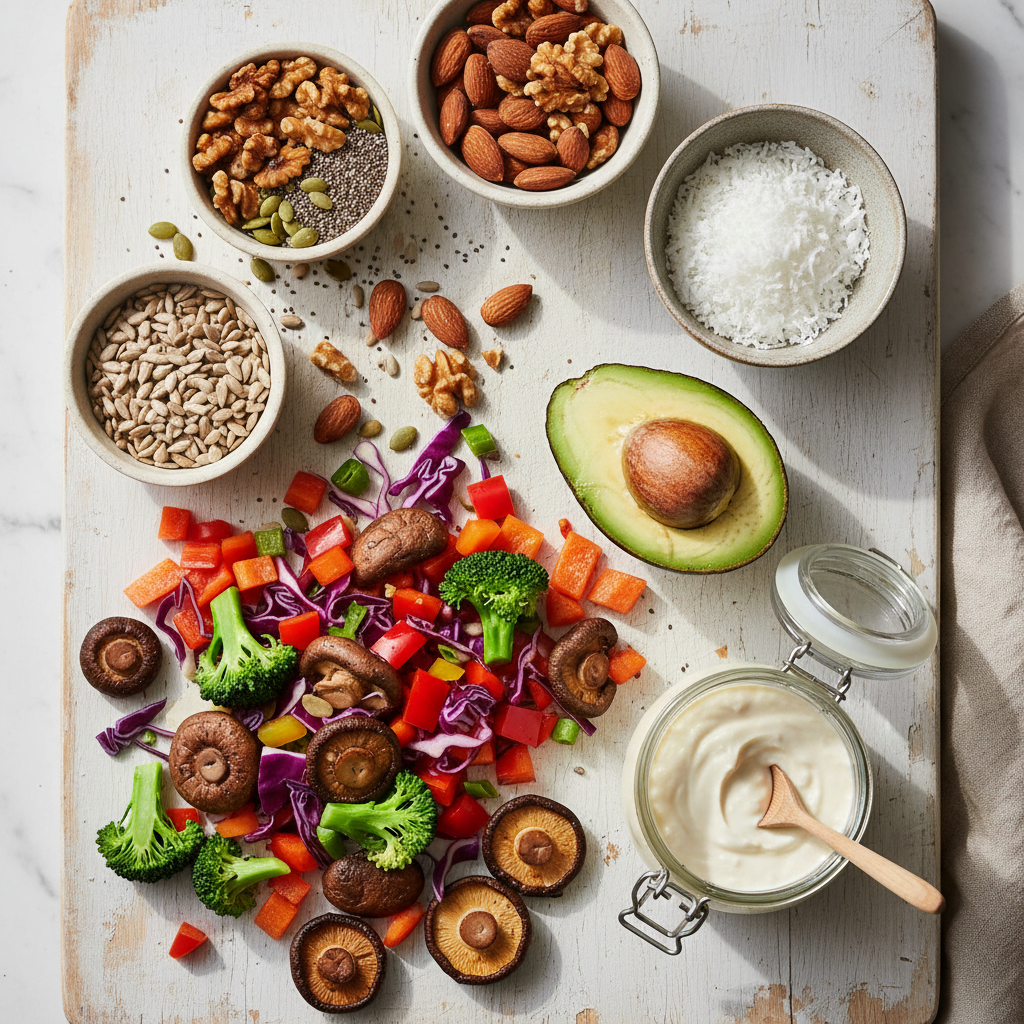
Toasted coconut flakes have become my secret weapon. I keep a batch in the fridge and sprinkle them on everything from salads to soups. The natural oils create an incredible toasted flavor that dairy-based toppings just can’t match.
Raw vegetables deserve more credit for texture building. Thinly sliced radishes give you that perfect peppery crunch. Cucumber ribbons add freshness and snap. Even something as simple as finely diced bell peppers can wake up a creamy soup or smooth avocado bowl.
For cooking adventures, try roasting chickpeas (if legumes work for your paleo approach) or making your own veggie chips. Kale chips, sweet potato rounds, or even roasted Brussels sprout leaves create amazing textural interest.
Quick Crunch Additions That Work Every Time
These are my go-to texture boosters that I always keep ready:
Toasted pine nuts, pumpkin seeds, and sunflower seeds store well and add instant crunch to any dish. I learned to toast them in small batches and keep them in airtight containers.
Chopped fresh herbs like parsley or cilantro might seem minor, but they add a subtle textural element that makes everything feel more complete. Plus, they’re nutritional powerhouses.
Crispy bacon or pancetta (if you eat pork) crumbled over salads or soups creates that irresistible salty crunch we all crave.
Mastering Creamy Elements Without Dairy
Creating creamy textures without traditional dairy took me some experimentation, but now I actually prefer these natural alternatives. They taste cleaner and don’t leave you feeling heavy.
Avocado is the obvious star, but let’s go deeper. Blended cashews create incredibly rich, creamy sauces and dressings. I soak them for a few hours, then blend with water, lemon juice, and seasonings. The result rivals any dairy-based cream sauce.
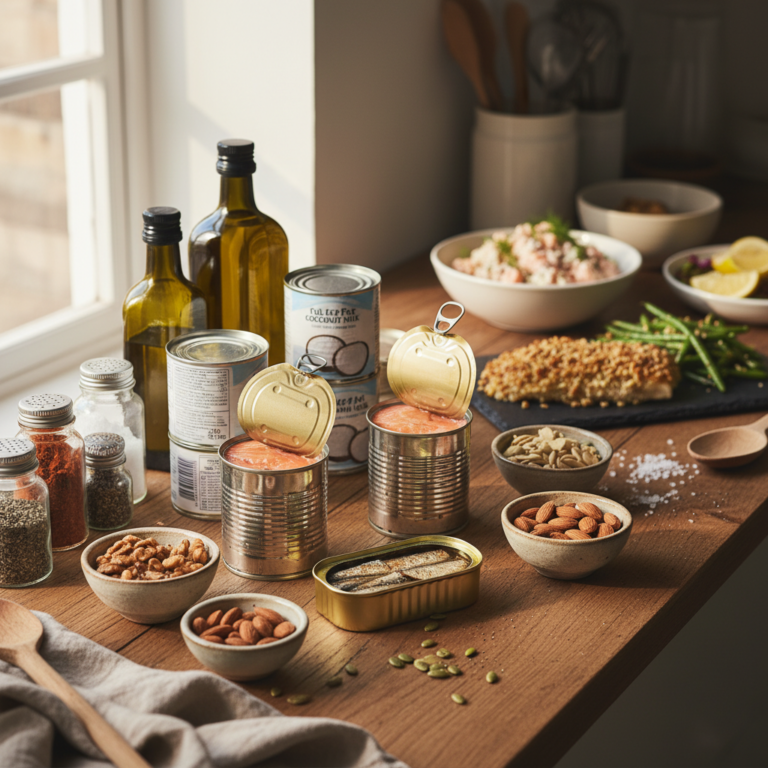
Coconut cream from full-fat canned coconut milk whips beautifully and adds richness to both sweet and savory dishes. I’ve used it in everything from curries to dessert mousses.
Here’s something that surprised me: pureed roasted vegetables make amazing creamy bases. Roasted cauliflower, butternut squash, or even roasted red peppers blend into silky smooth sauces that feel indulgent but are completely whole food based.
For meal prep enthusiasts, these creamy elements work beautifully in batch cooking scenarios. Make a big batch of cashew cream or coconut-based sauce and use it throughout the week.
Texture Building in Everyday Cooking
What I love about texture building is how it transforms simple ingredients into restaurant-quality meals. Take a basic salad – add some toasted nuts, creamy avocado, and maybe some fermented vegetables for tang and crunch. Suddenly you have a meal that satisfies on multiple levels.
Speaking of fermented vegetables, they’re incredible texture builders. The slight crunch and tangy bite of sauerkraut or kimchi adds complexity to any dish. If you haven’t explored fermentation yet, check out our guide on ferments and flavor – it’s a game-changer for both taste and texture.
The Missing Link: Achieving Perfect Chewiness
This is where many people struggle with keto-paleo cooking. That satisfying chewy texture often comes from gluten or processed starches, but we can recreate it naturally.
Properly cooked root vegetables give you that substantial, chewy satisfaction. Sweet potatoes, parsnips, and turnips roasted until caramelized have incredible texture. They’re filling and satisfying in a way that lighter vegetables just aren’t.
Mushrooms are underrated chewy champions. Meaty varieties like portobello, shiitake, or king oyster mushrooms develop amazing texture when sautéed properly. I cook them until they release their moisture and start to caramelize – that’s when the magic happens.
For protein-based chewiness, slow-cooked meats like braised short ribs or pulled pork shoulder deliver that fork-tender yet substantial bite that makes meals memorable.
Putting It All Together: The Perfect Plate
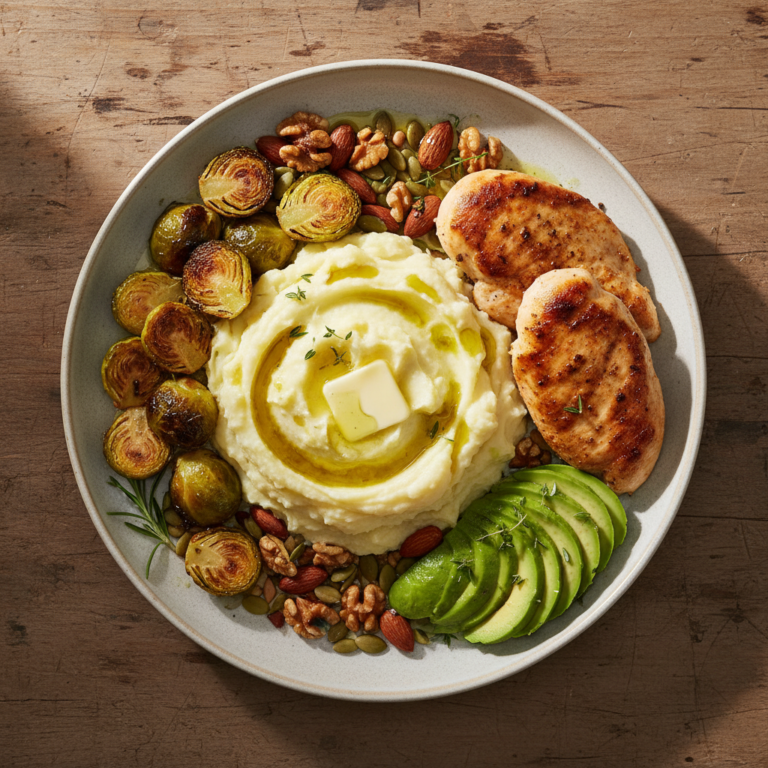
The best meals combine all three textures thoughtfully. Think about plate-first keto-paleo approaches – you want visual and textural variety in every meal.
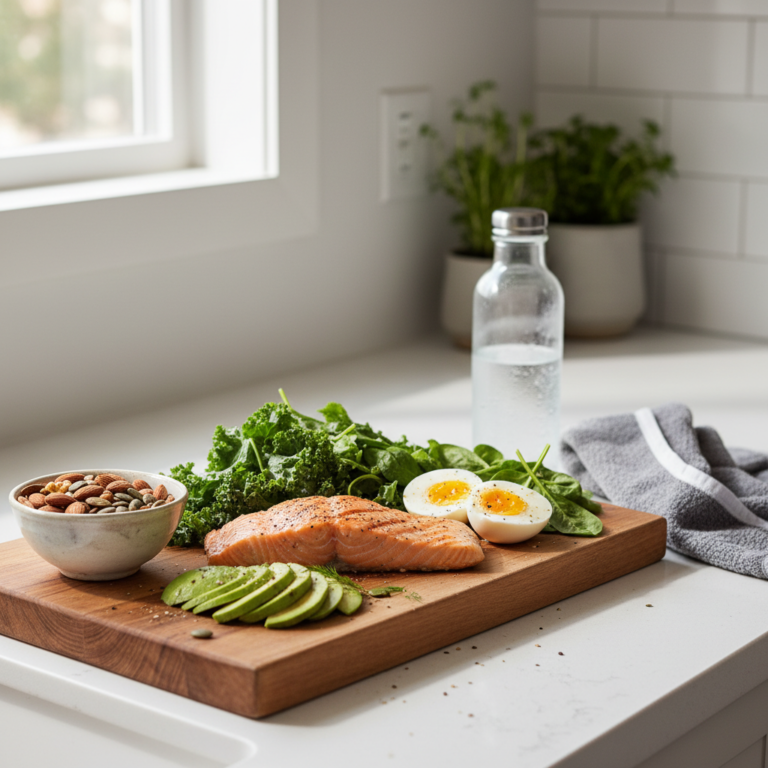
Start with your protein, add a creamy element (maybe avocado or a cashew-based sauce), include something crunchy (toasted seeds or fresh vegetables), and ensure there’s a chewy component (roasted vegetables or properly cooked mushrooms).
This framework works whether you’re planning elaborate dinner parties or throwing together quick weeknight meals. The key is having your texture building ingredients prepped and ready.
Practical Tips for Everyday Texture Success
Here’s what actually works in busy real-life cooking: prep your texture elements in batches. Spend twenty minutes on Sunday toasting nuts and seeds, making a batch of cashew cream, and prepping your vegetables.
Keep texture boosters visible in your kitchen. I store toasted nuts in clear containers on the counter and keep a jar of my favorite seed mixture near the stove. When they’re visible, I remember to use them.
Don’t overthink it initially. Start by adding just one new texture element to meals you already make. Once that becomes natural, layer in more complexity.
Temperature contrast counts as texture too. A warm soup with cold, crunchy toppings creates textural interest that keeps every spoonful interesting.
Building Your Texture Toolbox
Think of texture building like any cooking skill – it develops with practice. Start with ingredients you already enjoy and experiment with different preparation methods.
Raw almonds become completely different when toasted, sliced, or ground into flour. Coconut transforms from sweet flakes to rich cream to crispy chips depending on how you treat it.
The beauty of this approach is that it makes healthy eating genuinely satisfying. When your meals hit all the right texture notes, you’re not fighting cravings later – you’re genuinely satisfied.
Remember, texture building isn’t about perfection. It’s about creating meals that feel complete and satisfying. Some days that might mean simply adding toasted seeds to your salad. Other days you might layer multiple textures into a complex dish. Both approaches work perfectly.
The goal is developing an intuitive sense of how different textures work together, so every meal you create feels intentional and satisfying, no matter how simple or complex it might be.