Keto Texture Tricks That Make Every Bite Irresistible
Let’s be honest – sometimes keto texture tricks are what make or break a meal. I’ve been there, staring at a plate of perfectly seasoned but sadly mushy vegetables, wondering where I went wrong. The good news? Creating amazing textures in keto-paleo cooking isn’t rocket science, but it does require some strategic thinking about how ingredients and techniques work together.
After years of experimenting in my own kitchen (and plenty of texture fails along the way), I’ve discovered that the secret lies in understanding how to layer different elements. We’re talking crispy, creamy, chewy, and crunchy – all in harmony on one plate.
Why Keto Texture Tricks Matter More Than You Think
Here’s something I learned the hard way: our brains associate certain textures with satisfaction. When we eliminate grains and traditional starches, we lose some of those familiar mouthfeels that signal “this is a real meal.” That’s where texture layering becomes our secret weapon.
Think about it – what makes a burger satisfying? It’s not just the meat. It’s the contrast between the juicy patty, crispy lettuce, soft avocado, and that slight crunch from onions. We can absolutely recreate these experiences within our keto-paleo framework.
I remember the first time I nailed this concept. I was making what I thought would be a boring chicken salad, but I added toasted nuts for crunch, mashed avocado for creaminess, and crispy bacon bits for that satisfying chew. Suddenly, it wasn’t diet food anymore – it was genuinely delicious.
The Crispy Element: Your Texture Foundation
Getting that perfect crisp is probably the most requested texture trick in my kitchen. The key is understanding moisture control and fat distribution. For vegetables, I’ve found that patting them completely dry and using high heat makes all the difference.
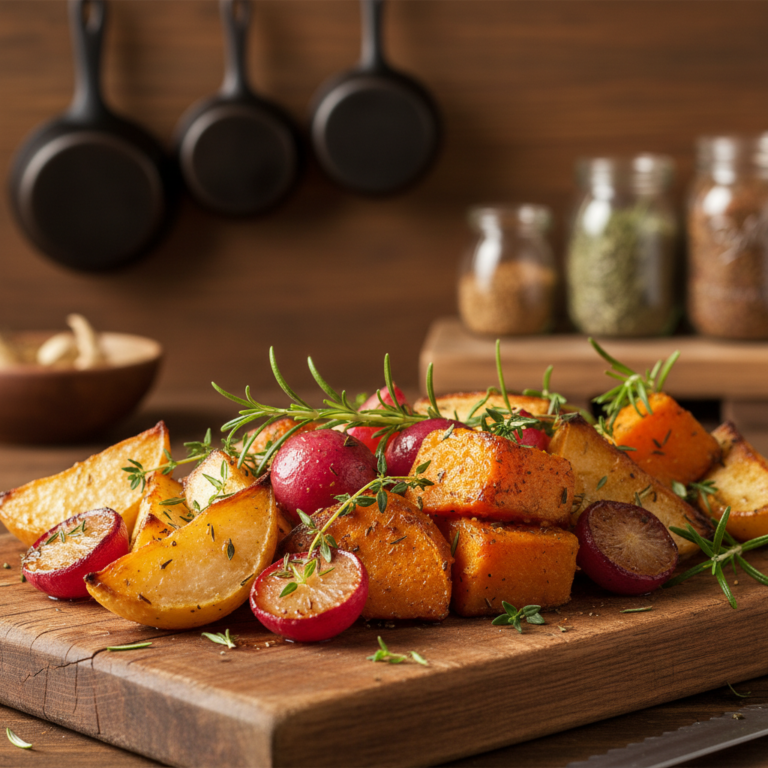
My go-to crispy vegetables method involves tossing them in avocado oil, spreading them in a single layer, and roasting at 425°F. Brussels sprouts become golden and caramelized, cauliflower gets those beautiful brown edges, and even zucchini can crisp up beautifully when done right.
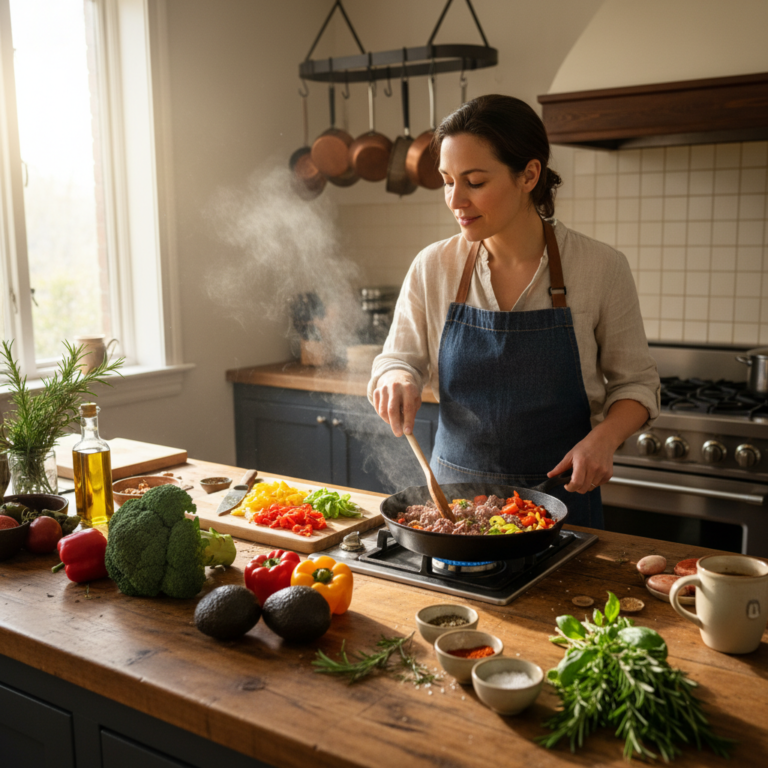
For proteins, the trick is often starting with a dry surface. I pat meat completely dry, let it come to room temperature, then sear it in a screaming hot pan. The Maillard reaction gives you that gorgeous crust that adds so much textural interest to any meal.
Nuts and seeds are your friends here too. Toasting them for just 3-4 minutes in a dry pan transforms them from soft additions to textural powerhouses. I keep toasted almonds, pumpkin seeds, and pine nuts in my fridge for instant crunch.
Mastering Creamy Without the Carbs
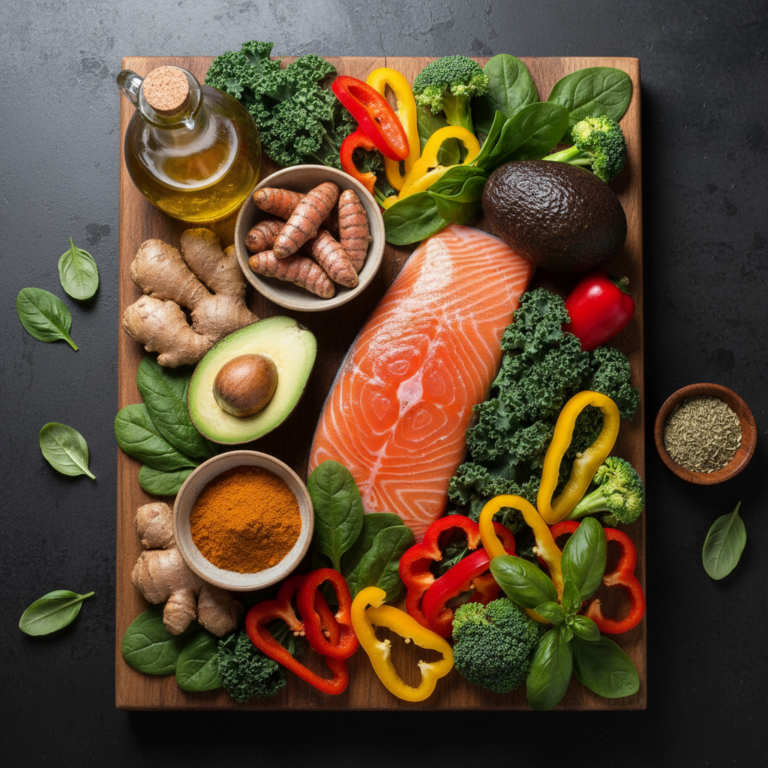
This is where keto-paleo cooking really shines, honestly. We have so many naturally creamy options that work beautifully together. Avocados, coconut cream, egg yolks, and nut butters all bring richness without the need for heavy cream or cheese.
One of my favorite discoveries has been using cauliflower as a creamy base. When you steam it until very tender and blend it with some coconut milk and good fat, it becomes incredibly silky. I use this technique in my Two-Week Keto-Paleo Rotation meals all the time.
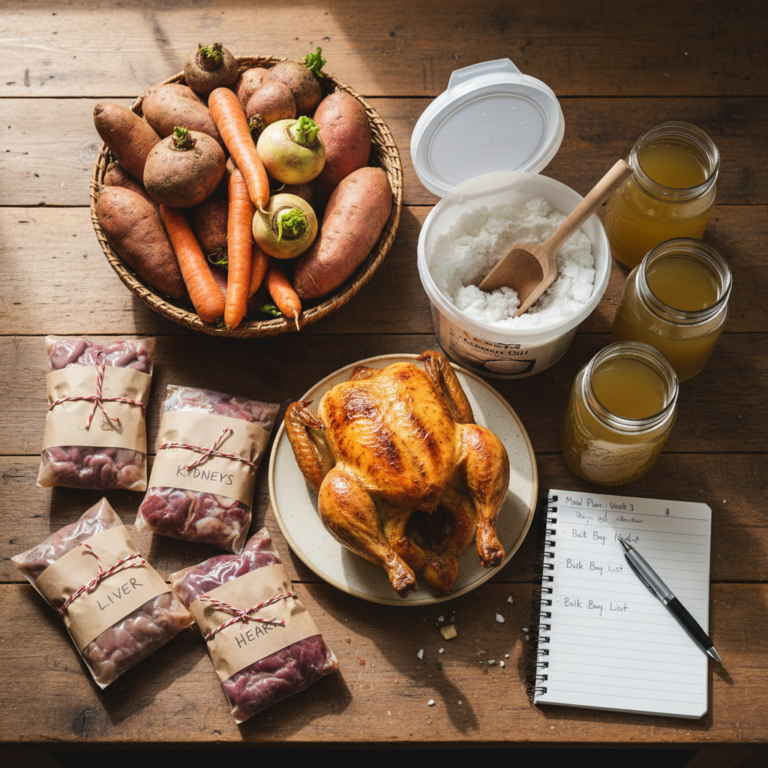
Bone broth is another game-changer for adding body and richness to dishes. When you reduce it down, it becomes naturally gelatinous and adds an almost sauce-like quality to whatever you’re cooking. I always keep some simmering when I’m doing my Athlete-Approved Batch Cooking sessions.
Don’t overlook egg yolks for instant creaminess either. A soft-poached egg on top of roasted vegetables creates that luxurious sauce when you break it open. It’s one of those simple techniques that feels fancy but takes zero extra effort.
Creating Satisfying Chew and Bite
This might be the trickiest texture to master, but it’s so worth it. Mushrooms are your best friend here – they have that naturally meaty texture that adds substance to any dish. I love using king oyster mushrooms shredded with a fork to mimic pulled meat.
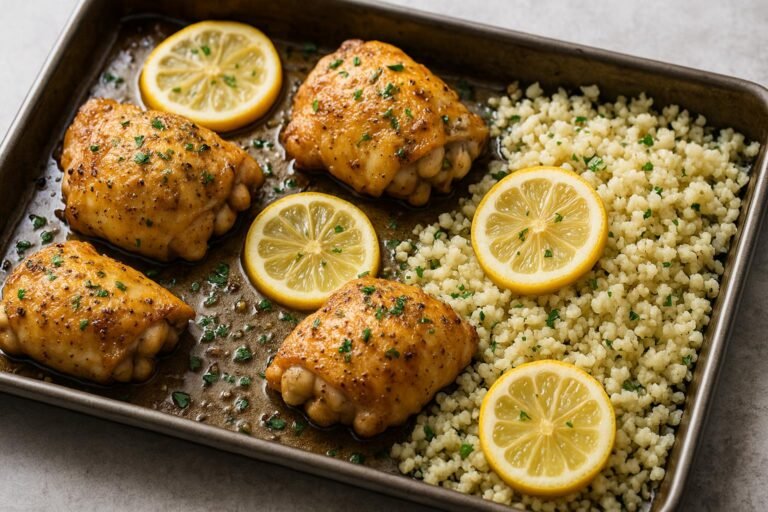
Slow-cooked meats develop that perfect tender-but-substantial texture too. When collagen breaks down during long, low cooking, you get that satisfying chew that makes a meal feel complete. This works beautifully in sheet-pan meals like the ones I share in my Two-Protein Sheet-Pan approach.
Fermented vegetables add another dimension of texture and flavor. The fermentation process creates a slight firmness that’s different from raw or cooked vegetables. If you haven’t explored this yet, check out my Ferments and Flavor post for some easy starting points.
Practical Keto Texture Tricks for Everyday Cooking
Let me share some specific techniques that have become second nature in my kitchen. First, temperature contrast is huge. Serving warm proteins over cool, crisp salads creates an immediate textural interest that makes every bite different.
I also love the technique of adding textural elements at the very end. Toasted seeds sprinkled over a finished dish, a drizzle of good olive oil, or some fresh herbs all add layers that make the meal feel more complete.
Another trick I use constantly is varying the size of ingredients. Instead of dicing everything uniformly, I might rough-chop some vegetables while finely mincing others. This creates different textural experiences throughout the dish.
For meal prep, I keep textural components separate until serving. Crispy elements stored separately maintain their crunch, and you can assemble each meal with fresh contrast every time.
Putting It All Together
The real magic happens when you start thinking about texture combinations from the beginning of meal planning. Instead of just choosing proteins and vegetables, ask yourself: what textures am I missing? How can I create contrast?
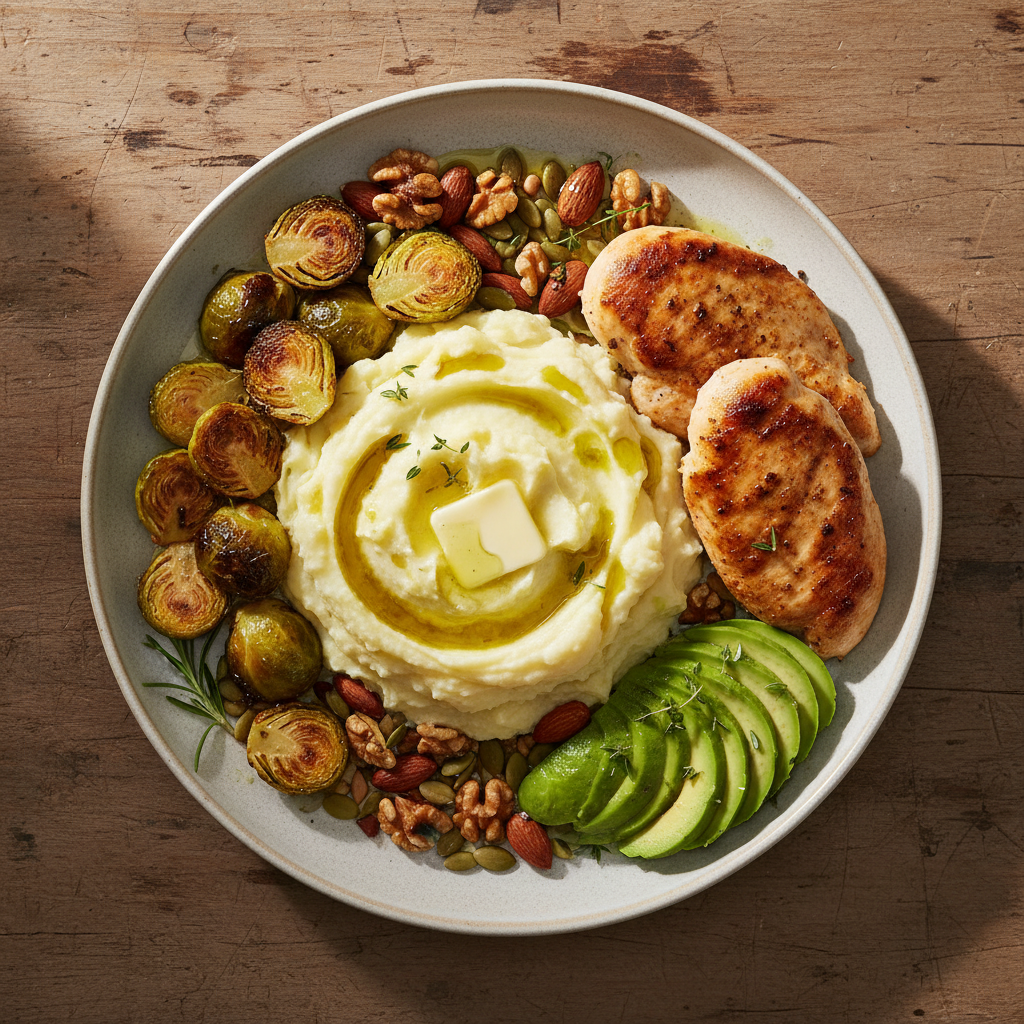
I’ve found that the most satisfying keto-paleo meals have at least three different textures. Maybe it’s crispy skin on chicken, creamy mashed cauliflower, and crunchy roasted Brussels sprouts. Or tender braised short ribs, smooth avocado, and crispy shallots.
These keto texture tricks have honestly transformed how I think about cooking. When you master these techniques, you stop feeling restricted by what you can’t eat and start getting excited about all the amazing combinations you can create. That’s when this way of eating becomes sustainable and genuinely enjoyable.
Try implementing just one or two of these techniques in your next meal. You’ll be amazed at how much more satisfying it becomes when you pay attention to texture alongside flavor. That’s the difference between eating for fuel and creating meals you actually crave.