Keto Paleo Sleep Quality: Foods That Transform Your Rest
I used to lie awake at 2 AM wondering why my keto paleo sleep quality was so hit-or-miss. Some nights I’d sleep like a baby, others I’d toss and turn despite eating “perfectly” all day. Sound familiar?
After months of tracking what I ate and how I slept, I discovered that certain keto-paleo foods were either helping or sabotaging my rest. The timing of these foods mattered just as much as the foods themselves.
Let me share what I’ve learned about optimizing sleep on our low-carb journey. These discoveries might just transform your nights from restless to restorative.
Why Keto Paleo Sleep Quality Matters More Than You Think
Sleep isn’t just about feeling rested. When we’re following keto-paleo, quality sleep becomes even more crucial for several reasons.
First, poor sleep messes with our hunger hormones. Leptin (which tells us we’re full) drops while ghrelin (which makes us hungry) rises. This makes sticking to our eating plan incredibly difficult.
Second, inadequate rest impacts our stress hormone cortisol. High cortisol can actually kick us out of ketosis by triggering glucose production. Talk about counterproductive!
Third, deep sleep is when our bodies do their best repair work. Since keto-paleo eating often helps with inflammation and healing, we want to maximize this recovery time.
I’ve noticed that when my sleep suffers, my cravings for off-plan foods skyrocket. It’s like my willpower gets hijacked by my tired brain.
The Sleep-Disrupting Keto Paleo Foods (That Surprised Me)
Some foods that are perfectly keto-paleo compliant can still mess with your sleep. Here are the biggest culprits I’ve identified:
Dark Chocolate After 2 PM
Yes, even that 85% dark chocolate square can contain enough caffeine to disrupt sleep. I learned this the hard way after weeks of enjoying my afternoon treat.
The caffeine in dark chocolate has a half-life of 6 hours. That 3 PM chocolate break could still be affecting you at bedtime.
Large Amounts of Protein Close to Bedtime
While protein is essential on keto-paleo, eating a huge steak right before bed can keep you awake. Your body needs energy to digest all that protein, which can interfere with your natural wind-down process.
I now try to finish my largest protein portions at least 3 hours before sleep.
Too Much Fat Too Late
This one shocked me initially. Fat takes significant energy to digest, and a very high-fat meal close to bedtime can leave you feeling uncomfortably full and restless.
Avocados, nuts, and coconut oil are amazing foods, but timing matters for optimal sleep quality.
Aged Cheeses and Cured Meats
These contain tyramine, an amino acid that can be stimulating for some people. If you’re sensitive, that charcuterie board might be keeping you up.
I’ve found that enjoying these foods earlier in the day works much better for my sleep.
The Sleep-Supporting Keto Paleo Superstars
Now for the good news! Several keto-paleo foods can actually improve your keto paleo sleep quality. These have become my go-to choices for better rest.
Magnesium-Rich Foods
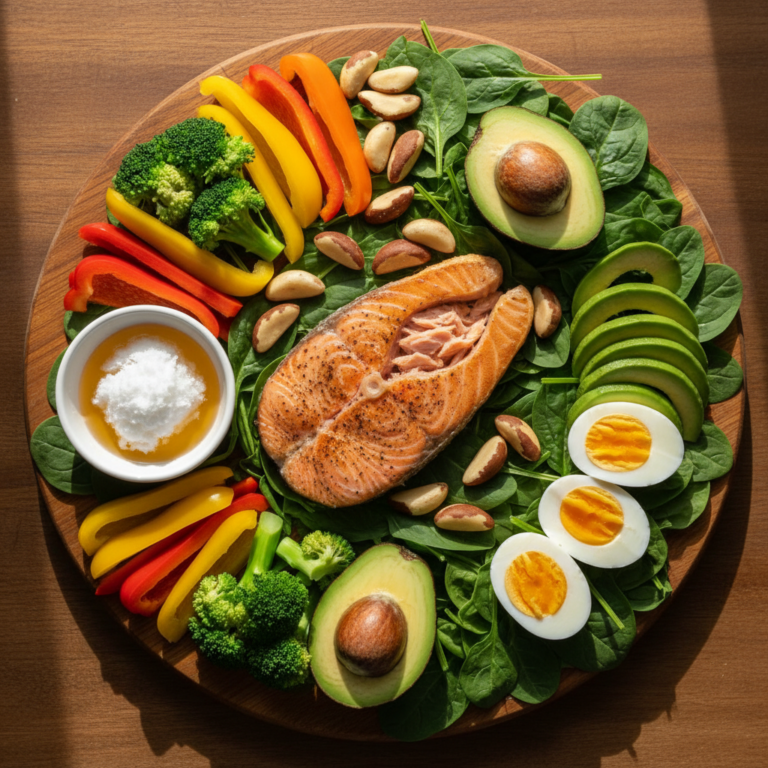
Leafy greens, pumpkin seeds, and dark chocolate (eaten earlier in the day) provide magnesium, which helps relax your nervous system.
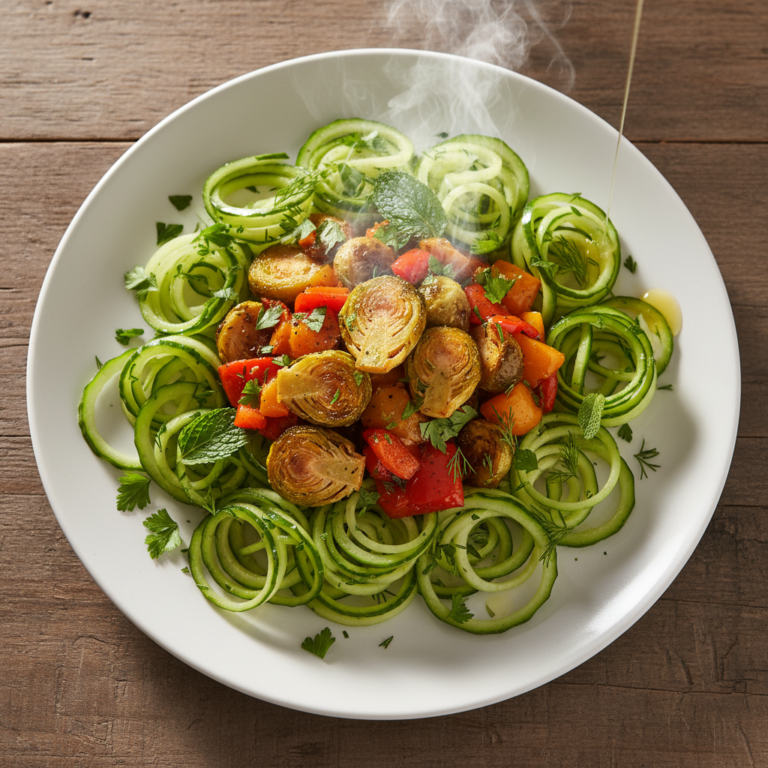
Since starting keto-paleo, I’ve made sure to include spinach or other greens in my dinner most nights. The difference in how easily I fall asleep is noticeable.
Tart Cherries (If You Include Fruit)
For those following a less strict paleo approach, tart cherries naturally contain melatonin. A small serving in the evening can support natural sleep cycles.
Bone Broth Before Bed
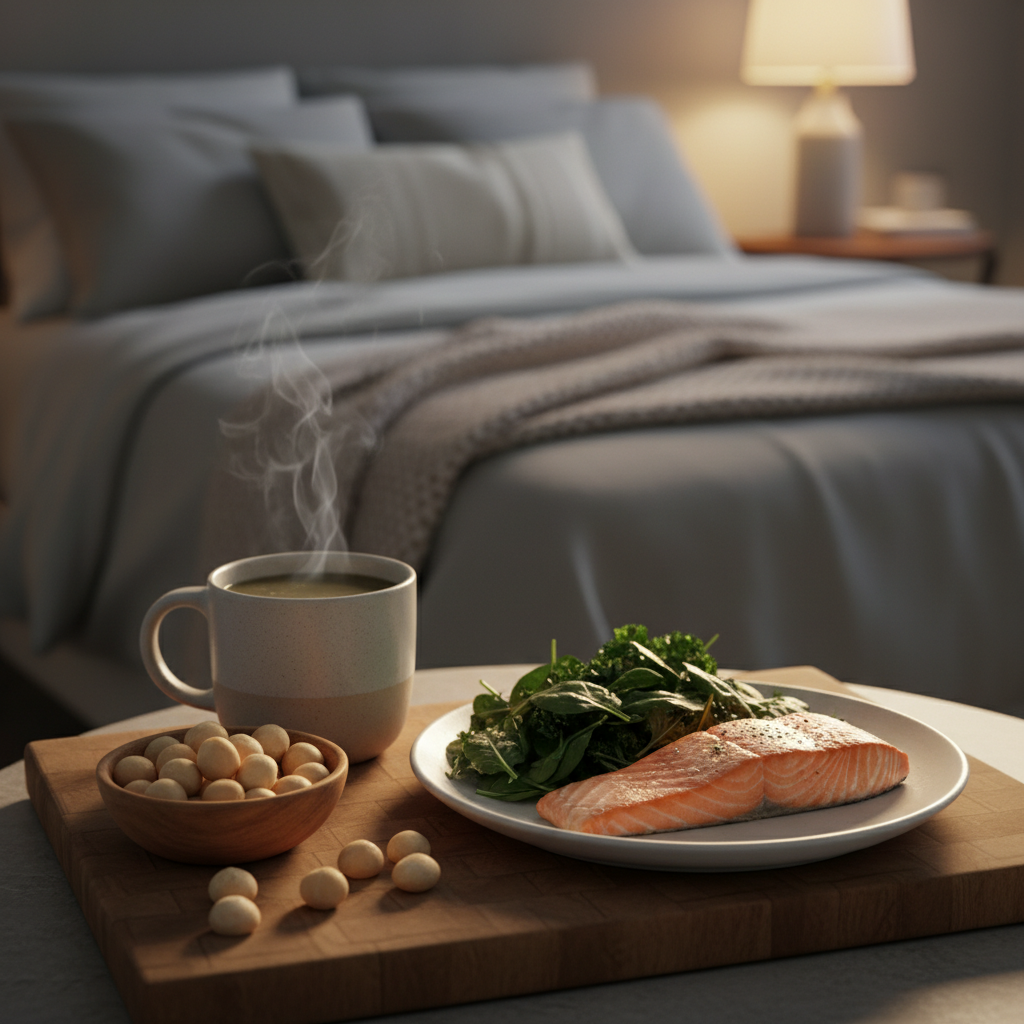
This has become my secret weapon. The glycine in bone broth has a calming effect on the brain. Plus, the warm liquid feels comforting and signals bedtime to my body.
I keep homemade bone broth in my freezer and heat up a small cup about an hour before sleep.
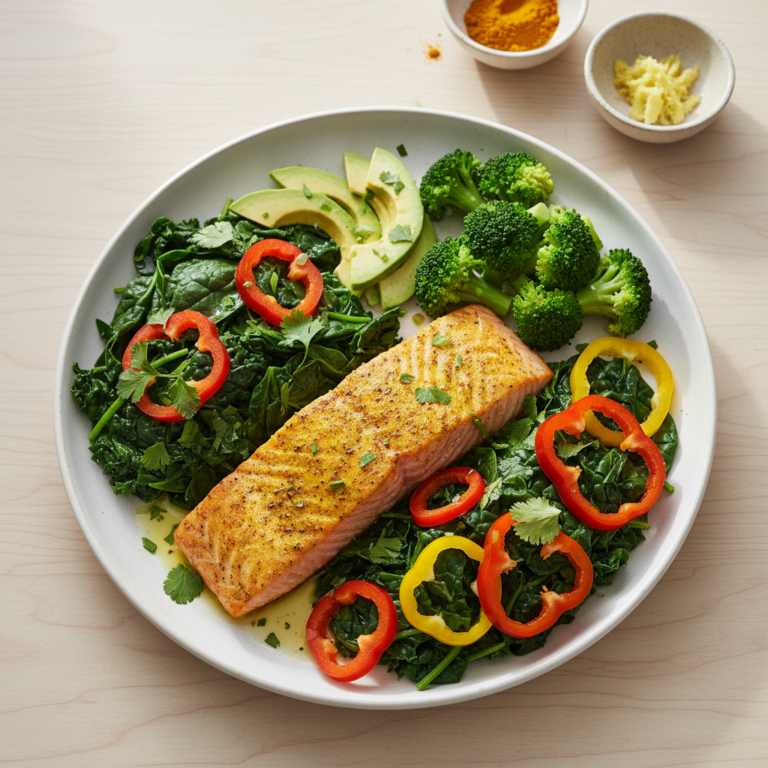
Wild-Caught Salmon
The omega-3s in salmon support healthy sleep patterns. When I have salmon for dinner, I consistently sleep more soundly.
This ties into the importance of maintaining proper omega balance in our keto-paleo approach.
Timing Tricks That Changed My Sleep Game
What you eat matters, but when you eat it can make or break your sleep quality. Here’s what I’ve learned through trial and error.
The 3-Hour Rule
I stop eating substantial meals 3 hours before bedtime. This gives my body time to digest without interfering with sleep onset.
However, if I’m genuinely hungry closer to bedtime, I’ll have a small portion of something light and sleep-supportive.
Strategic Snacking
When I need an evening snack, I choose foods that won’t spike my energy. A few macadamia nuts or a small cup of herbal tea with coconut oil works well.
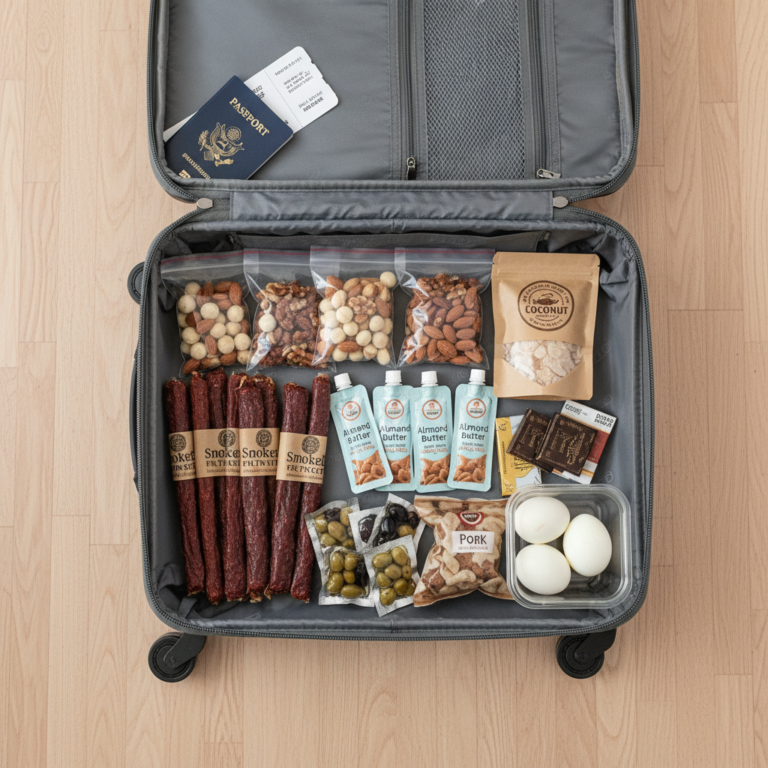
This approach has also helped when I’m traveling and need portable sleep-friendly options.
Morning Light, Evening Dim
This isn’t directly about food, but it impacts how well keto-paleo foods work for sleep. Getting bright light in the morning and dimming lights after dinner helps regulate circadian rhythms.
I’ve noticed that this simple change makes my sleep-supporting foods more effective.
Hydration and Sleep: The Delicate Balance
Staying hydrated on keto-paleo is crucial, but too much liquid before bed disrupts sleep with bathroom trips. I’ve found a sweet spot that works.
I aim to get most of my water intake finished by 6 PM. After that, I limit fluids to small sips if needed.
This is especially important because water weight fluctuations are common on keto-paleo, and proper hydration helps stabilize this.
Electrolyte balance also affects sleep quality. I make sure to get adequate sodium, potassium, and magnesium throughout the day rather than trying to catch up at night.
Stress Eating and Sleep: Breaking the Cycle
When I’m stressed or haven’t slept well, I’m much more likely to overeat or choose foods that don’t serve my sleep goals. It becomes a vicious cycle.
I’ve learned to recognize when stress is driving my food choices. In these moments, I focus on anti-inflammatory meal planning to support both my stress levels and sleep quality.
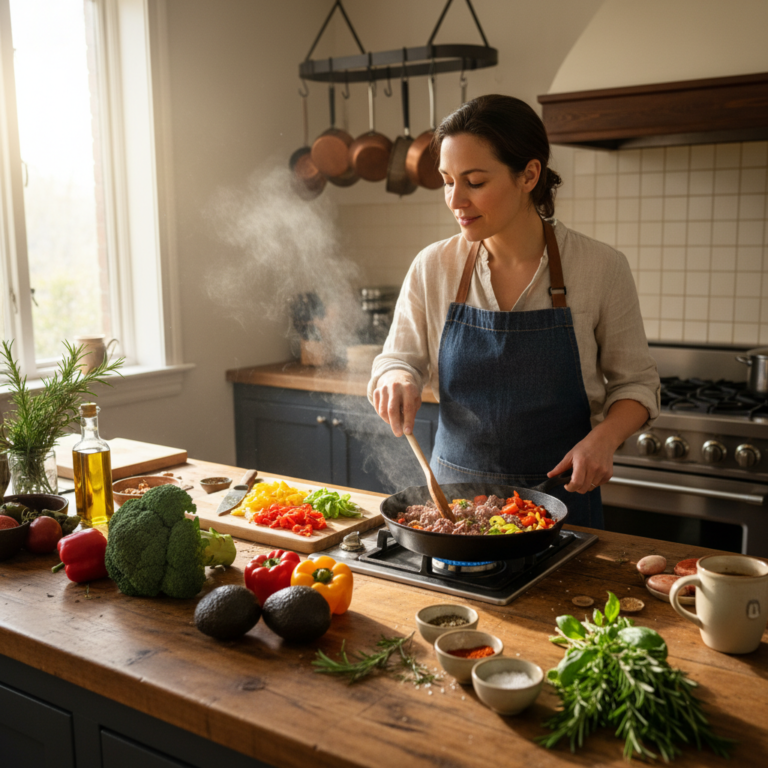
Having prepared meals ready helps me avoid impulsive food choices when I’m tired or stressed.
Social Situations and Sleep
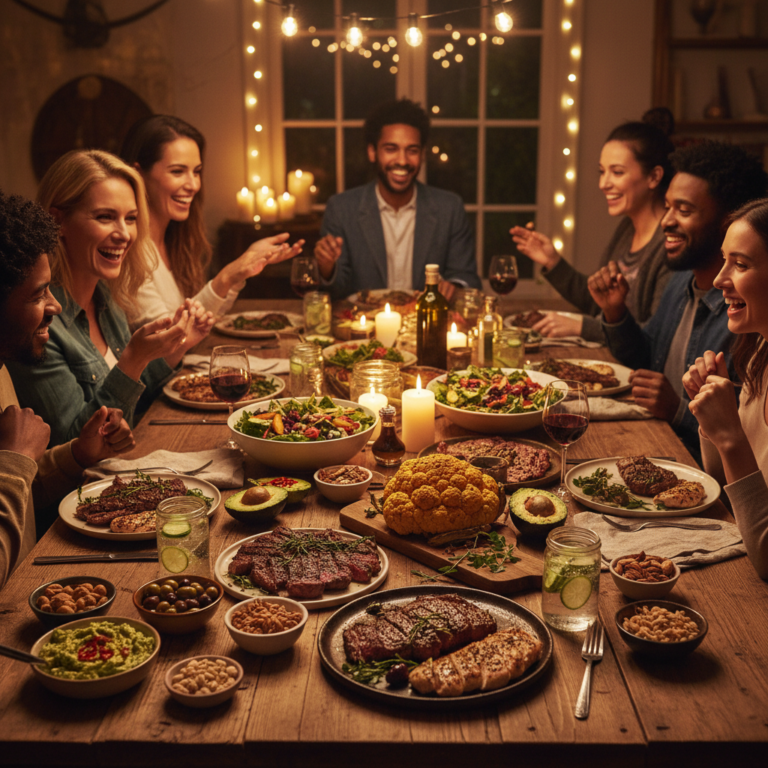
Eating out or attending gatherings can throw off both our food choices and sleep schedule. I’ve developed strategies that help me maintain good keto paleo sleep quality even during social events.
When I know I’ll be eating later than usual, I adjust my afternoon eating to accommodate. I might have a lighter lunch or skip my usual afternoon snack.
These social eating strategies help me enjoy gatherings without sacrificing sleep quality.
Creating Your Personal Sleep-Food Map
Everyone responds differently to foods and timing. What works for me might not work exactly the same for you, and that’s okay.
I suggest keeping a simple food and sleep log for a few weeks. Note what you eat, when you eat it, and how you sleep that night.
Look for patterns. Maybe you sleep better on days when you have eggs for breakfast, or worse when you eat nuts after 7 PM.
Common Patterns I’ve Noticed
Most people sleep better when they avoid caffeine after 2 PM. This includes not just coffee, but also dark chocolate and green tea.
Eating your largest meal at lunch rather than dinner often improves sleep quality. Your body has more time to digest before bedtime.
Including some magnesium-rich foods in your evening meal supports relaxation and sleep onset.
Troubleshooting Common Sleep Issues
Even with perfect food timing, sometimes sleep still doesn’t come easily. Here are solutions I’ve found for common problems.
Can’t Fall Asleep
If your mind is racing at bedtime, you might be eating too much protein late in the day. Protein can be energizing, which is great for morning meals but not ideal before sleep.
Try shifting more protein to earlier in the day and having lighter, more fat-focused evening meals.
Waking Up in the Middle of the Night
This often happens when blood sugar drops too low during sleep. A small bedtime snack with some healthy fat can help stabilize blood sugar overnight.
A teaspoon of almond butter or a few macadamia nuts about an hour before bed works well for many people.
Waking Up Groggy
If you’re waking up tired despite adequate sleep time, look at your evening meal composition. Too much food or the wrong types of food can affect sleep quality even if they don’t prevent sleep.
Also consider whether you’re getting enough variety in your diet. Anti-inflammatory foods support better recovery during sleep.
The Bigger Picture: Sleep as Part of Healing
Quality sleep is essential for the healing and metabolic benefits we’re seeking through keto-paleo eating. Poor sleep can actually work against our health goals.
When we don’t sleep well, our bodies produce more inflammatory compounds. This counteracts many of the anti-inflammatory benefits of our food choices.
Additionally, poor sleep makes it much harder to maintain stable energy throughout the day. This often leads to overeating or choosing convenient but less optimal foods.
I think of optimizing keto paleo sleep quality as an investment in making everything else easier. When I sleep well, staying on track with my eating feels effortless.
Making It Work Long-Term
Like any aspect of keto-paleo living, improving sleep quality through food choices is a practice, not perfection. Some nights will be better than others, and that’s completely normal.
The key is having strategies that you can return to consistently. I don’t stress if I occasionally eat later than planned or have that extra piece of dark chocolate.
What matters is having a foundation of sleep-supporting habits that serve you most of the time.
Focus on progress over perfection. Small improvements in sleep quality compound over time, just like the benefits of keto-paleo eating itself.
Remember, we’re all figuring this out together. What works for you might be slightly different from what works for me, and that’s exactly how it should be.