Intuitive Cooking on Keto-Paleo: Build Kitchen Confidence
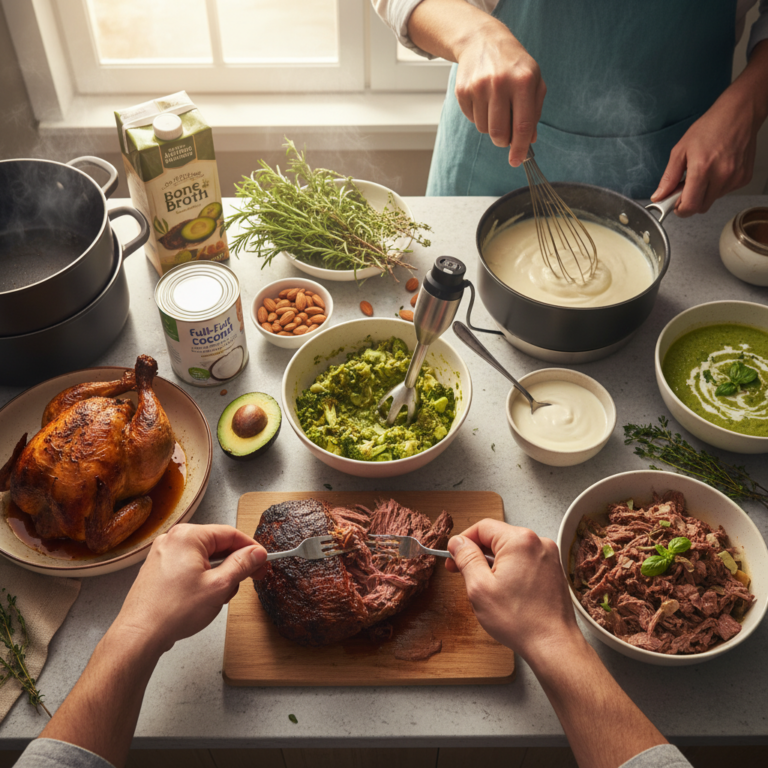
You know that moment, right? You’re standing in front of an open fridge at 6 PM, stomach growling, staring at random ingredients like they’re going to magically arrange themselves into dinner. Maybe you’ve got some leftover chicken, half a bag of broccoli, and a lonely avocado. No recipe in sight, no meal plan to follow. Just you, your hunger, and the need to create something that doesn’t make you miss your old carb-heavy comfort foods.
Here’s the thing about intuitive cooking on keto-paleo: it’s not about being a culinary genius. It’s about building confidence in the kitchen so you can turn whatever you have into something satisfying. And honestly? Once you get the hang of it, this approach might just become your favorite way to eat.
Why Intuitive Cooking Makes Keto-Paleo Easier
Let’s be real – following recipes every single night gets exhausting. Especially when you’re already navigating the mental load of keeping carbs low and ingredients clean. I used to stress about having the exact ingredients for every planned meal, which led to either expensive grocery runs or ordering takeout that didn’t fit my eating goals.
But here’s what I’ve learned: intuitive cooking actually makes this lifestyle more sustainable. When you understand how flavors work together and which cooking methods bring out the best in keto-paleo ingredients, you become incredibly adaptable. No more panic when the store is out of zucchini noodles or when life throws off your meal prep schedule.
Plus, there’s something deeply satisfying about creating a meal from scratch using just your instincts and what’s available. It connects you to your food in a way that following someone else’s recipe never quite does.
The Foundation: Understanding Your Flavor Building Blocks
Think of successful intuitive cooking like building with blocks. You need to understand your basic components before you can stack them into something amazing.
Fat is your friend and flavor carrier. Good fats don’t just keep you satiated – they carry and amplify other flavors. Coconut oil adds subtle sweetness, ghee brings richness, olive oil contributes grassy notes, and avocado oil stays neutral. Each one changes the personality of your dish.
Protein becomes your canvas. Chicken thighs cook differently than ground beef, which behaves differently than salmon. Understanding how each protein responds to different cooking methods gives you the confidence to adapt on the fly.
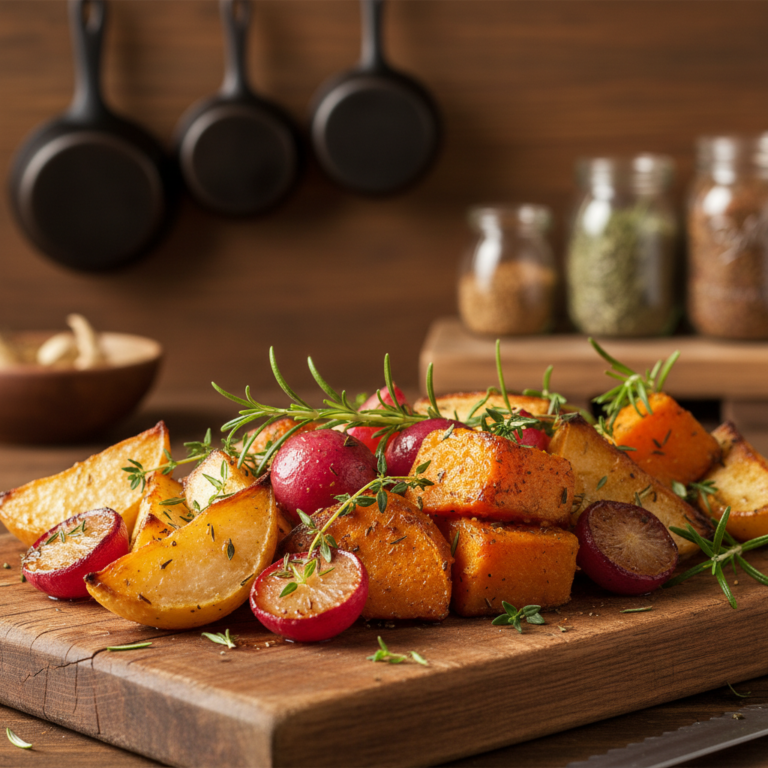
Vegetables provide texture and freshness. Some work better roasted (Brussels sprouts, cauliflower), others shine when sautéed quickly (spinach, zucchini), and some are perfect raw (cucumber, bell peppers).
Building Your Intuitive Cooking Toolkit
Before we dive into techniques, let’s talk about having the right tools and staples on hand. This isn’t about having a fancy kitchen – it’s about being prepared for spontaneous meal creation.
Essential cooking methods to master: Pan-searing, roasting, and quick sautéing. These three techniques can handle pretty much any combination of ingredients you throw at them. Master these, and you’re golden.
Your spice cabinet is your secret weapon. I keep these workhorses on rotation: garlic powder, onion powder, smoked paprika, Italian herbs, cumin, and good salt. With these six, you can create completely different flavor profiles from the same basic ingredients.
However, don’t forget about fresh herbs when possible. A handful of fresh basil, cilantro, or parsley can transform a simple protein and vegetable combo into something that tastes intentional and restaurant-quality.
Reading Your Ingredients Like a Story
This might sound weird, but I’ve started thinking about ingredients like characters in a story. Each one has a personality, and some play well together while others need a mediator.
Strong personalities like mushrooms, bell peppers, and onions can handle bold seasonings and high heat. Delicate ones like fish, zucchini, and leafy greens prefer gentler treatment. Fatty ingredients like avocado and nuts add richness but can become overwhelming without something acidic to balance them out.
Start paying attention to these personalities, and you’ll begin to intuitively know what works together. It’s like developing a sixth sense for flavor combinations.
The Art of Intuitive Cooking: Practical Techniques
Okay, let’s get practical. Here’s how I approach creating meals without recipes, step by step.
Step 1: Start with your protein. This anchors your meal and determines cooking time. Season it generously – under-seasoned protein is the fastest way to create a disappointing meal. Let it come to room temperature if you have time, which helps it cook more evenly.
Step 2: Choose your fat and cooking method. High-heat searing? Use avocado oil or ghee. Gentle cooking? Olive oil or coconut oil work beautifully. The fat you choose will influence the final flavor, so pick intentionally.
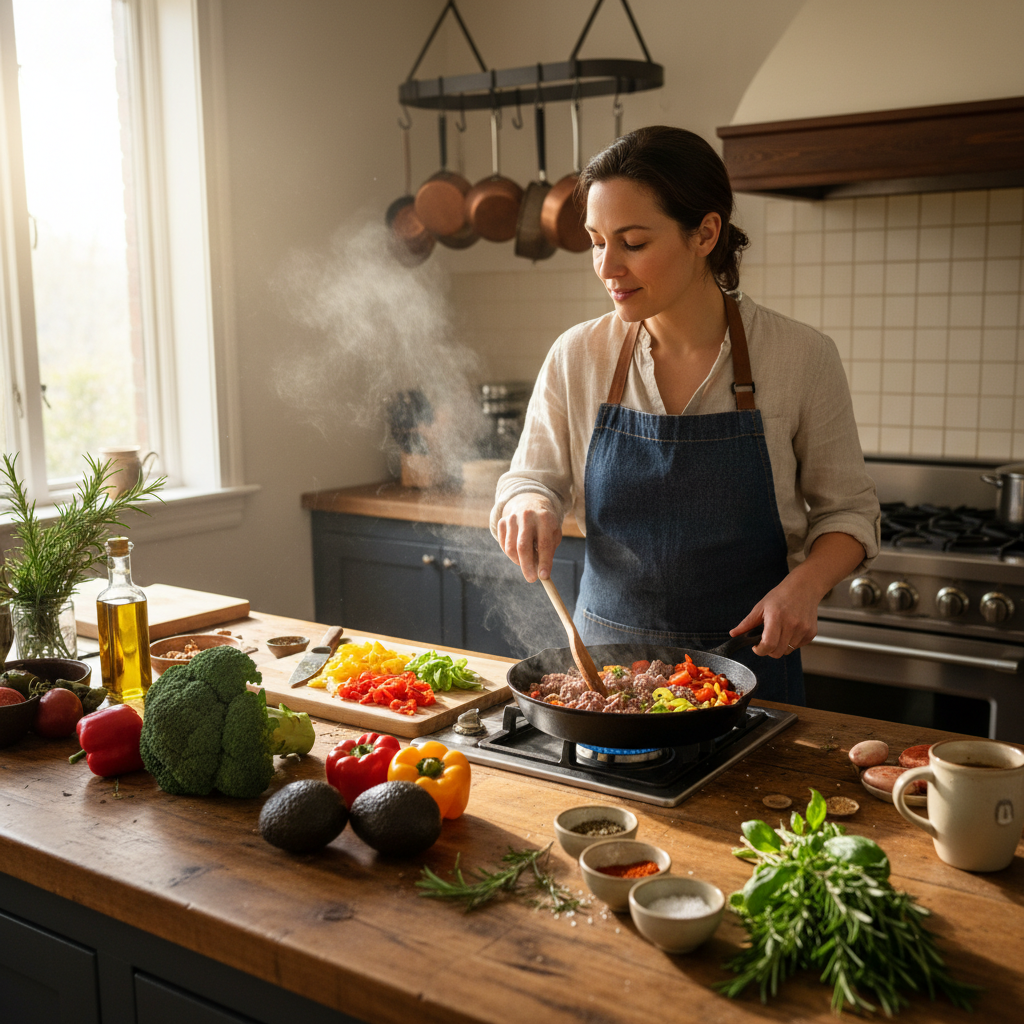
Step 3: Build layers of flavor. Start aromatics (onions, garlic) first, add heartier vegetables next, then delicate ones last. Each ingredient gets its moment to shine without anything getting overcooked.
This layered approach means everything finishes cooking at roughly the same time, and flavors have a chance to meld together naturally.
Common Combinations That Always Work
While the beauty of intuitive cooking is its flexibility, having some reliable combination templates gives you confidence when you’re starting out.
The Mediterranean approach: Olive oil, garlic, herbs, and lemon work with almost any protein and vegetable combination. Add some olives or sun-dried tomatoes if you have them.
The Asian-inspired route: Coconut oil, ginger, coconut aminos, and lime create an entirely different flavor profile using similar cooking techniques.
The comfort food angle: Ghee, onions, mushrooms, and fresh herbs turn simple ingredients into something that feels like a warm hug.
These aren’t rigid recipes – they’re flavor frameworks that you can adapt based on what’s in your fridge.
Troubleshooting Common Intuitive Cooking Challenges
Let’s be honest – not every experimental meal turns out amazing. I’ve created my share of “learning experiences” over the years. Here’s how to avoid the most common pitfalls.
Problem: Everything tastes bland. Solution: You probably under-seasoned, especially the protein. Salt enhances other flavors, so don’t be shy. Also, add acid – a squeeze of lemon or splash of vinegar brightens everything up.
Problem: Textures are all wrong. Solution: This usually happens when everything gets cooked the same way. Mix it up – if you’re roasting the protein, sauté some vegetables. If you’re pan-searing, add some fresh raw elements for contrast.
Problem: Flavors don’t work together. Solution: When in doubt, add fat and acid. They’re like flavor translators that help incompatible ingredients get along.
Remember, even experienced cooks have off nights. The key is learning from what doesn’t work so you can avoid those combinations next time.
Building Confidence Through Practice
Here’s what I wish someone had told me when I started: give yourself permission to experiment during low-stakes meals. Don’t try intuitive cooking for the first time when you’re hosting dinner guests or when you’re absolutely starving.
Start with lunch or a casual weekend breakfast. Use ingredients you know you like, and don’t be afraid to taste and adjust as you go. Cooking is one of the few skills where you can literally taste your progress.
Keep notes – mentally or physically – about combinations that work. I have a running list on my phone of successful flavor pairings that I can reference when I’m feeling uninspired.
Making It Work with Your Keto-Paleo Lifestyle
One of the biggest advantages of developing intuitive cooking skills is how well it supports long-term success with keto-paleo eating. When you can confidently turn any collection of compliant ingredients into something delicious, you’re less likely to reach for non-compliant convenience foods.
This skill becomes especially valuable during challenging situations. Remember those times when your meal prep gets derailed, or when you’re navigating social eating situations where you need to make the best of available options? Intuitive cooking confidence translates directly to these scenarios.
It also pairs beautifully with budget-conscious shopping. When you can work with whatever proteins are on sale and whatever vegetables look best, you spend less money while eating more variety.
Seasonal Adaptation Made Simple
Another beautiful thing about intuitive cooking is how naturally it adapts to seasonal availability. Instead of forcing yourself to follow summer recipes in winter or spring meal plans in fall, you learn to work with what’s fresh and affordable.
Winter calls for heartier cooking methods – more roasting, more warming spices, more comfort-food approaches. Summer ingredients often shine with minimal cooking – quick sautés, fresh preparations, lighter seasoning.
This seasonal awareness keeps your eating interesting and ensures you’re getting the most nutrition and flavor from your ingredients.
Advanced Tips for Kitchen Confidence
Once you’re comfortable with basic intuitive cooking, here are some advanced strategies that can take your skills to the next level.
Mise en place is your friend. This fancy culinary term just means having everything prepared before you start cooking. When you’re working without a recipe, having all your ingredients chopped and ready makes it easier to focus on timing and flavor development.
Learn to taste and adjust. This might be the most important skill of all. Taste your food throughout the cooking process and trust your palate. Too salty? Add acid or a touch of fat. Too bland? More salt or aromatics. Too rich? A squeeze of citrus can brighten everything.
Understand residual heat. Food continues cooking even after you remove it from heat. Slightly undercook delicate vegetables and proteins, and let residual heat finish the job. This prevents overcooking and keeps textures perfect.
These might seem like small details, but they’re the difference between okay meals and ones you’ll crave again.
Creating Your Personal Flavor Database
As you experiment more, you’ll start noticing patterns in what you enjoy. Maybe you gravitate toward smoky flavors, or fresh and bright combinations, or rich and savory profiles. Pay attention to these preferences.
Building your personal flavor database helps you make quicker decisions when faced with a fridge full of ingredients. You’ll intuitively know which direction to take a dish based on your mood and preferences.
This personal touch is what makes intuitive cooking so satisfying – you’re not just following someone else’s idea of delicious, you’re creating meals that perfectly match your taste preferences.
Making Peace with Imperfection
Here’s something I really want you to understand: not every intuitive cooking experiment needs to be Instagram-worthy. Some meals will be just okay, and that’s completely fine. The goal isn’t perfection – it’s building confidence and skills that make your keto-paleo lifestyle more sustainable and enjoyable.
I’ve had plenty of “learning experience” meals over the years. The oversalted chicken, the mushy vegetables, the flavor combinations that seemed like a good idea in theory. Each one taught me something valuable about cooking and about my own preferences.
Besides, even mediocre homemade keto-paleo food is usually better for your health and goals than perfectly executed processed alternatives.
Building Long-Term Success
The real magic of intuitive cooking happens over time. As your skills develop, cooking becomes less of a chore and more of a creative outlet. You start looking forward to the challenge of turning random ingredients into something delicious.
This shift in mindset is huge for long-term success. When cooking becomes enjoyable rather than stressful, maintaining your eating goals becomes much easier. You’re more likely to stick with meal prep routines, more confident about handling travel situations, and more resilient when life disrupts your usual patterns.
Plus, there’s something deeply satisfying about being resourceful in the kitchen. It connects you to food in a more meaningful way and builds genuine life skills that serve you well beyond just eating keto-paleo.
Your Next Steps in Kitchen Confidence
If you’re ready to start building your intuitive cooking skills, start small. Pick one meal this week to experiment with – maybe a simple protein and vegetable combination using ingredients you already have.
Focus on the basics: proper seasoning, appropriate cooking methods for each ingredient, and tasting as you go. Don’t worry about creating anything revolutionary – just aim for something tasty that you’d be happy to eat again.
Remember, every experienced cook started exactly where you are now. The difference is just practice and the willingness to learn from both successes and failures. Give yourself permission to experiment, and trust that your skills will develop naturally over time.
Most importantly, enjoy the process. Cooking should be nourishing for both your body and your spirit. When you approach it with curiosity and patience, you’ll be amazed at how quickly your confidence grows.