Sheet Pan Dinners: One Pan Keto-Paleo Magic
There’s something absolutely magical about sheet pan dinners that makes my weeknight cooking heart sing. You know that feeling when you slide one perfectly orchestrated pan into the oven, set a timer, and suddenly have 30 minutes to actually breathe? That’s the power of mastering sheet pan dinners – and when they’re both keto and paleo-friendly, you’re looking at pure dinner gold.
I’ll be honest, my first attempts at sheet pan cooking were… educational. Burned Brussels sprouts next to raw chicken, anyone? But once I cracked the code on timing and temperature coordination, these one-pan wonders became my weeknight salvation. Let me walk you through everything I’ve learned about creating restaurant-quality meals with literally zero cleanup drama.
Why Sheet Pan Dinners Are Your New Best Friend
Beyond the obvious appeal of minimal dishes, sheet pan dinners solve so many real-world cooking challenges. First, there’s the timing magic – everything finishes at once, so you’re not juggling multiple pots and pans. Second, the high heat creates amazing caramelization on both proteins and vegetables, delivering flavors that rival any fancy restaurant.
For those of us following keto and paleo lifestyles, sheet pans are particularly brilliant. They naturally encourage the perfect plate composition: quality protein, tons of vegetables, and healthy fats all roasting together. Plus, the hands-off cooking time gives you space to prep tomorrow’s lunch or just sit down for five minutes.
The real game-changer? Once you understand the basic principles, you can improvise endlessly based on what’s in your fridge. No more staring into the void wondering what to make for dinner.
The Science Behind Perfect Sheet Pan Timing
Here’s where I had my biggest breakthrough: not everything needs to go in the oven at the same time. I know, revolutionary, right? But seriously, understanding cook times transforms everything.
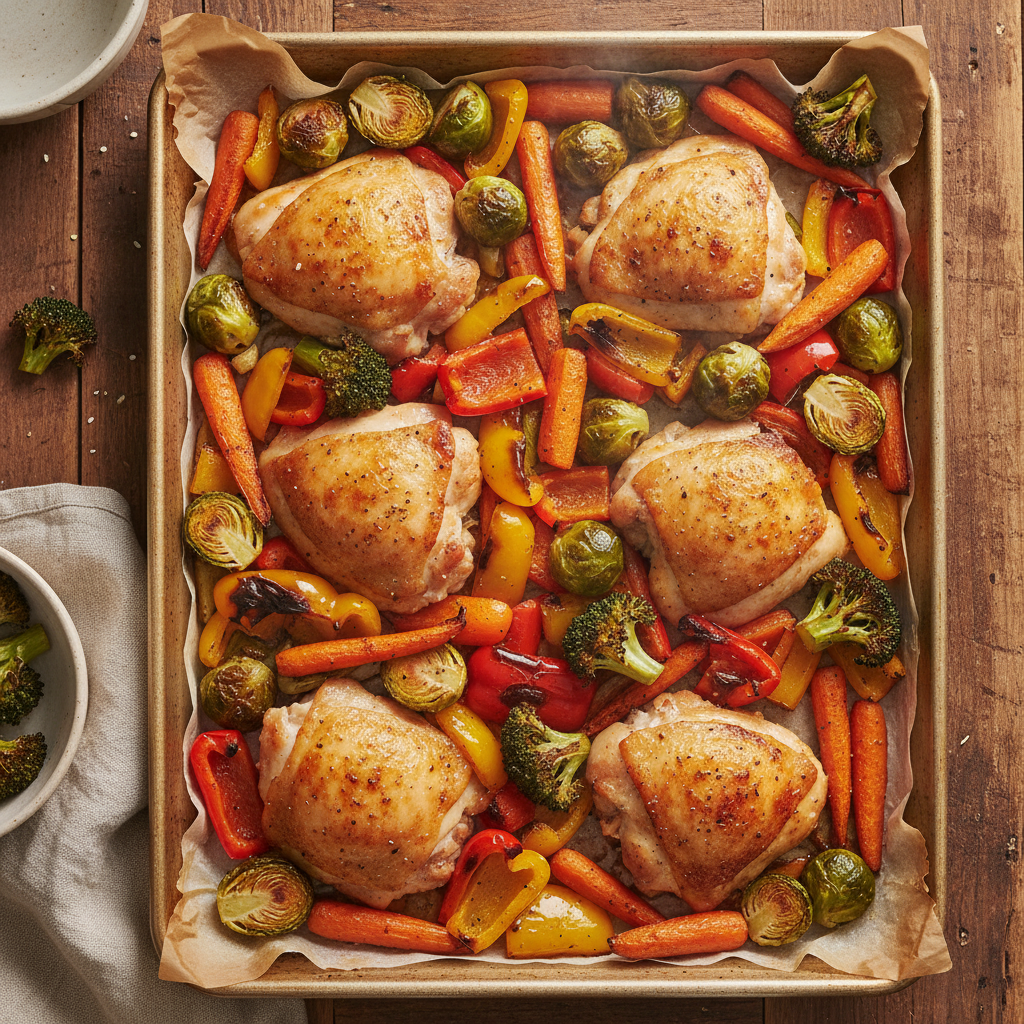
Dense vegetables like butternut squash, carrots, and beets need a 15-20 minute head start. Medium vegetables like Brussels sprouts, cauliflower, and bell peppers go in with your protein. Quick-cooking items like asparagus, zucchini, and leafy greens get added in the final 10-15 minutes.
For proteins, chicken thighs and salmon fillets are your sheet pan superstars. Thighs stay juicy even if they cook a few minutes longer, and salmon cooks quickly enough to pair with most vegetables. Beef and pork work beautifully too, but require a bit more attention to timing.
Temperature-wise, 425°F is the sweet spot for most combinations. It’s hot enough for good caramelization but not so aggressive that delicate items burn before heartier ones finish.
Essential Equipment and Setup Tips
You don’t need fancy equipment, but a few key items make all the difference. Heavy-duty rimmed baking sheets are non-negotiable – those flimsy ones warp and create uneven cooking. I use 18×13 inch half-sheet pans, which give everything room to breathe.
Parchment paper is your friend, but not just for easy cleanup. It prevents sticking and creates a barrier that helps regulate heat distribution. For proteins that might stick or delicate vegetables, I always line the pan.
Don’t overcrowd – this was my biggest early mistake. Vegetables need space to roast rather than steam. If you’re feeding a crowd, use two pans rather than cramming everything onto one.
A reliable instant-read thermometer takes the guesswork out of protein doneness, especially when you’re coordinating multiple elements.
Foolproof Flavor Combinations That Actually Work
Let me share some of my go-to combinations that never fail to impress. The Mediterranean combo features chicken thighs with zucchini, bell peppers, and red onion, all tossed in olive oil with oregano, garlic, and lemon zest. Everything goes in together for 35-40 minutes at 425°F.
For something more warming, try the autumn harvest: pork tenderloin with butternut squash, Brussels sprouts, and apples. The squash gets a 15-minute head start, then everything else joins for the final 25 minutes. Sage and thyme make it absolutely divine.
The tropical twist never gets old: salmon with asparagus, bell peppers, and pineapple chunks, seasoned with coconut aminos, ginger, and lime. Quick and bright – perfect for busy nights.
These combinations work because they balance cooking times, complement flavors, and create beautiful color contrast. Plus, they align perfectly with our Plate-First Keto-Paleo approach to balanced nutrition.
Temperature Coordination Secrets
Here’s where the magic really happens. I’ve learned to think of sheet pan cooking like conducting an orchestra – everything needs to come together at the right moment, but different sections have different entrances.
Start your oven 10-15 minutes before you plan to cook. A properly preheated oven creates immediate searing, which locks in juices and starts the caramelization process right away.
Use the staggered approach I mentioned earlier, but also consider size variations. Cut denser vegetables slightly smaller so they cook faster, or slice quick-cooking items thicker to slow them down. This technique lets you cook almost any combination successfully.
For proteins, thickness matters more than weight. A thick salmon fillet needs more time than a thin one, regardless of total weight. When in doubt, check the thickest part with your thermometer.
Meal Prep Magic with Sheet Pan Dinners
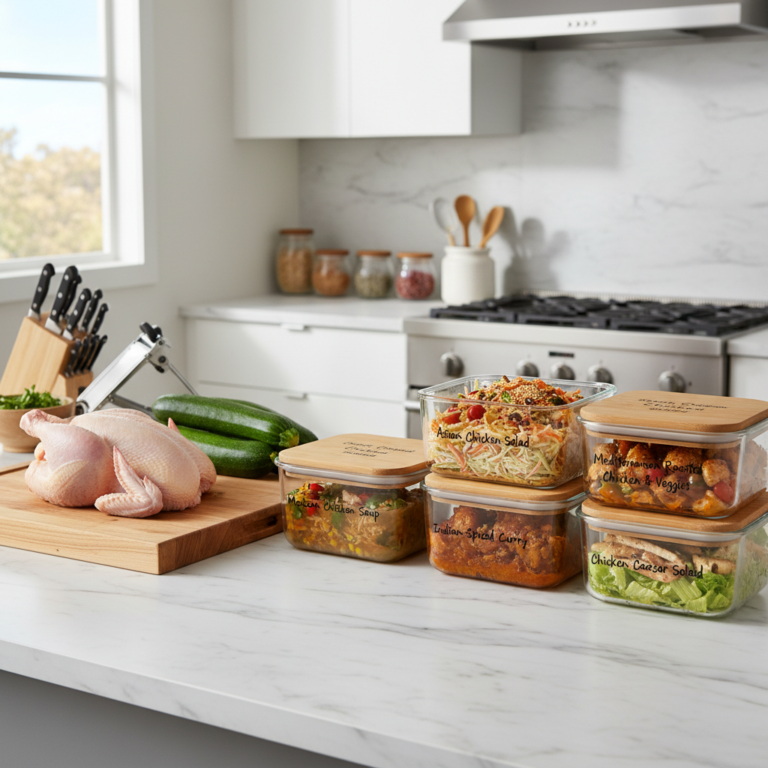
Sheet pan dinners are absolutely perfect for meal prep, and they integrate beautifully with Athlete-Approved Batch Cooking strategies. I often double recipes on Sunday and have lunches sorted for half the week.
The key is slight undercooking for meal prep portions. Vegetables that will be reheated should retain a bit of firmness, and proteins should be just done rather than well-done. This prevents the mushy, overcooked texture that makes reheated meals sad.
Portion everything into containers while still warm – the residual heat continues the cooking process slightly and helps flavors meld. Most combinations keep beautifully for 4-5 days and reheat well in both microwave and oven.
Troubleshooting Common Mistakes
Let’s talk about the mistakes I’ve made so you don’t have to. Overcrowding is the biggest culprit behind disappointing results. When vegetables are packed too tightly, they steam instead of roast, resulting in limp, flavorless sad vegetables instead of the caramelized beauties you’re after.
Inconsistent cutting is another common issue. When pieces vary dramatically in size, some finish before others even start cooking properly. Take the extra two minutes to cut everything uniformly – your taste buds will thank you.
Don’t forget about carryover cooking. Everything continues cooking for several minutes after leaving the oven, especially proteins. Factor this into your timing, particularly for delicate fish or if you prefer vegetables with more bite.
Finally, seasoning timing matters. Salt your vegetables before roasting to help draw out moisture and concentrate flavors. But delicate herbs should go on after cooking to prevent burning.
Beyond Basic: Creative Variations
Once you master the fundamentals, the creative possibilities are endless. Try layering flavors with compound butters – herb butter melting over hot vegetables creates instant richness. Or finish dishes with fresh elements like chopped herbs, citrus zest, or a drizzle of good olive oil.
Different oils create different flavor profiles. Coconut oil works beautifully with tropical combinations, while avocado oil’s high smoke point makes it perfect for higher-temperature roasting. Even rendered animal fats like duck fat or ghee can transform ordinary vegetables into something special.
Consider textural contrasts too. Sprinkle chopped nuts over finished dishes, or add crispy elements like bacon or prosciutto in the final few minutes of cooking.
The beauty of sheet pan cooking lies in its flexibility – once you understand the principles, you can adapt any flavor combination to work. Whether you’re following 5-Ingredient, 15-Minute Keto-Paleo Dinners for Busy Weeknights or planning more elaborate weekend meals, these techniques scale beautifully.
Tomorrow night, grab whatever protein and vegetables are calling to you, arrange them thoughtfully on a sheet pan, and discover the pure joy of one-pan cooking. Your future self – the one not scrubbing multiple pots and pans – will definitely thank you.