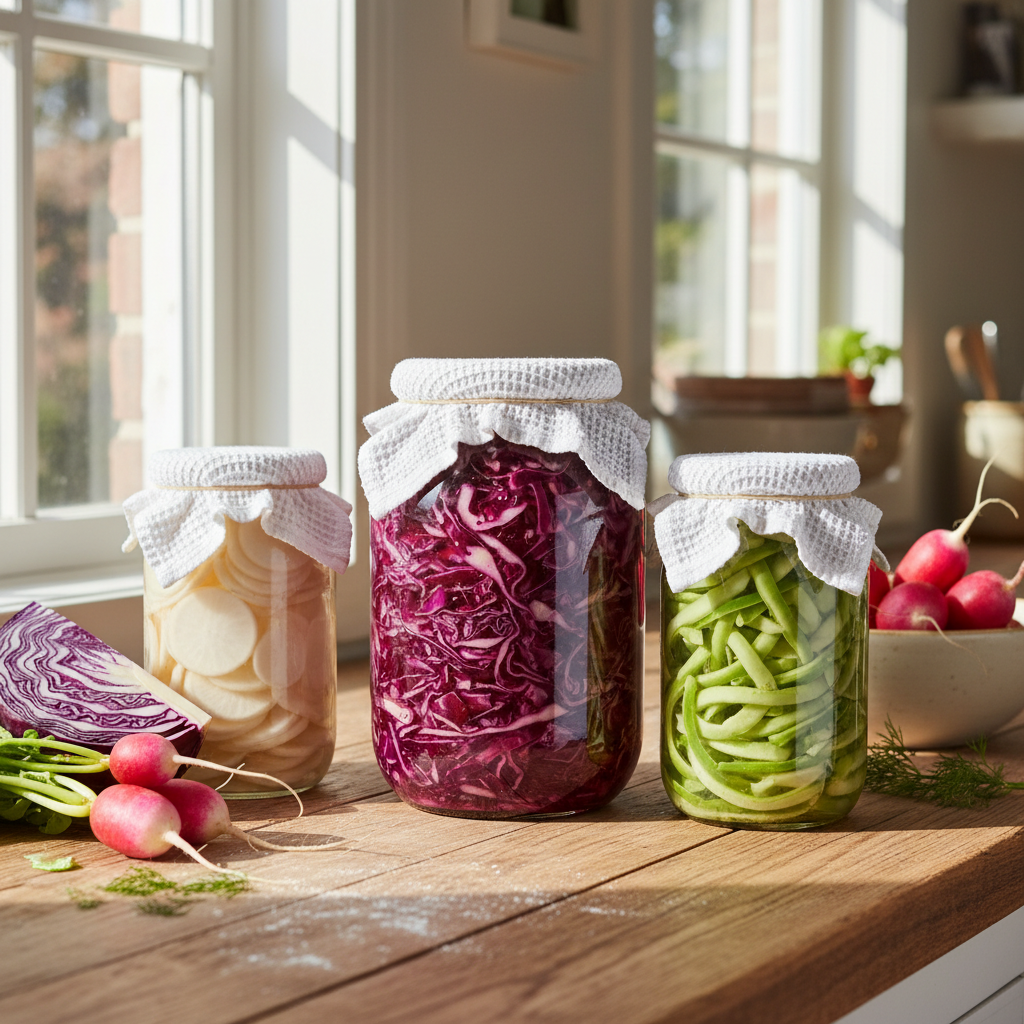
Fermented Keto Paleo: Gut Health Meets Low-Carb Living
Hey there, fellow keto-paleo adventurers! Let me tell you about my latest kitchen obsession that’s been absolutely game-changing for my gut health. Fermented keto paleo foods have become my secret weapon for adding incredible flavors while keeping my digestive system happy and my carb count in check.
I’ll be honest – when I first started this journey, I thought fermentation was this mysterious, complicated process that belonged only in fancy health food stores. Boy, was I wrong! These probiotic powerhouses are not only surprisingly simple to make at home, but they’re also perfect for our low-carb lifestyle.
Why Fermented Keto Paleo Foods Are Your New Best Friend
First, let’s talk about why fermented keto paleo foods deserve a spot on your plate. These tangy treasures pack a serious nutritional punch without breaking your carb budget.
The fermentation process actually reduces the carb content of many foods. Those beneficial bacteria essentially “eat” some of the natural sugars, leaving you with gut-friendly probiotics and complex, deep flavors that make your taste buds dance.
What really sold me was how these foods transformed my digestion. After incorporating fermented vegetables into my routine, I noticed improved energy levels and better overall gut comfort – something that’s especially important when you’re focusing on plate-first keto-paleo eating.
Getting Started: Your Fermented Keto Paleo Toolkit
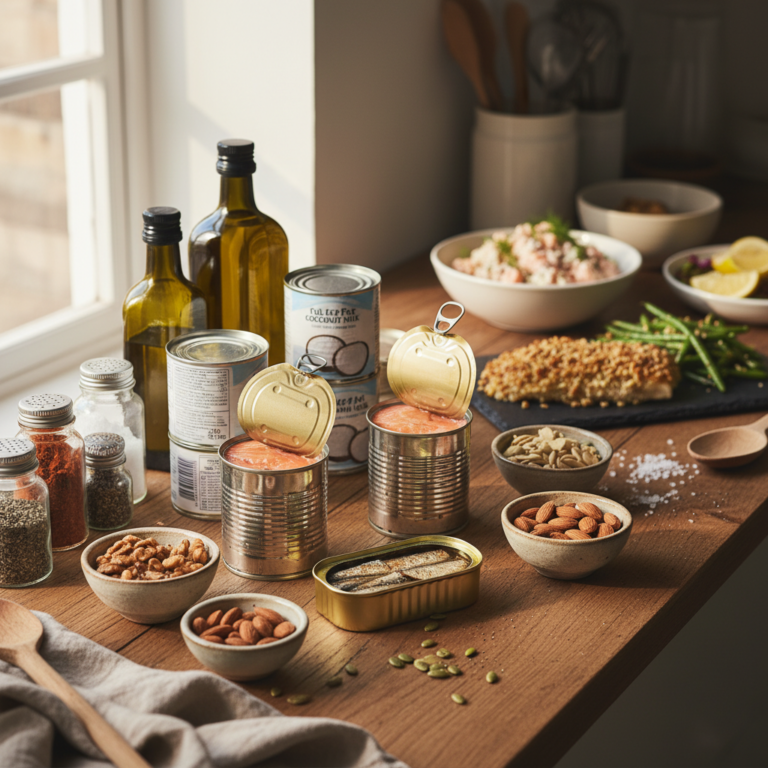
You don’t need fancy equipment to start your fermentation journey. Here’s what I keep in my kitchen:
Essential Tools:
- Glass mason jars (various sizes)
- Kitchen scale for precise measurements
- Fine sea salt (avoid iodized salt)
- Clean kitchen towels
- Rubber bands
The beauty of fermentation is its simplicity. Salt, time, and beneficial bacteria do most of the work while you go about your day.
Keto-Paleo Fermented Vegetables That Actually Taste Amazing
Let me share my go-to fermented keto paleo vegetables that have become absolute staples in my meal rotation.
Basic Fermented Cabbage (Beyond Sauerkraut)
This isn’t your store-bought sauerkraut. I love experimenting with different cabbage varieties – purple cabbage creates this gorgeous magenta color, while adding fresh ginger gives it an amazing zing.
My Simple Method:
- 2 pounds cabbage, finely shredded
- 1 tablespoon fine sea salt
- Optional: 1 teaspoon caraway seeds or fresh ginger
Massage the salt into the cabbage until it releases its juices (this takes about 10 minutes of good arm work). Pack it tightly into jars, ensuring the liquid covers the vegetables. The fermentation magic happens over 3-7 days at room temperature.
Fermented Radishes: The Crunchy Game-Changer
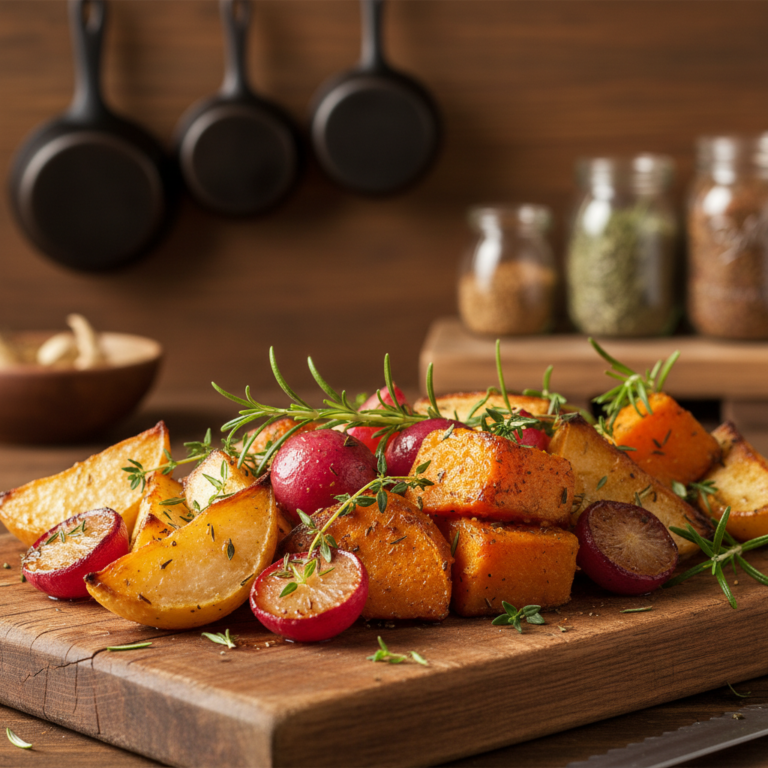
These have become my favorite crunchy addition to salads and batch-cooked proteins. They develop this incredible tangy bite that cuts through rich, fatty foods beautifully.
Simply slice radishes thin, toss with salt (about 1 teaspoon per pound), and let them ferment for 2-4 days. They stay wonderfully crisp and add amazing flavor complexity.
Creative Fermented Keto Paleo Additions
Here’s where things get really fun. These fermented additions have completely elevated my cooking game.
Fermented Garlic Honey: Sweet Meets Savory Magic
This combination sounds unusual, but trust me – it’s incredible. The raw honey provides food for beneficial bacteria while the garlic adds immune-boosting properties.
I use this fermented garlic honey as a glaze for roasted meats or drizzled over fermented vegetables. The fermentation process reduces the honey’s sugar content while creating complex, umami-rich flavors.
Fermented Hot Sauce: Heat with Benefits
Store-bought hot sauces often contain sugar and preservatives. Making your own fermented version gives you complete control over ingredients while adding beneficial probiotics.
I ferment hot peppers with salt for about a week, then blend them with a splash of apple cider vinegar. The result is a tangy, complex hot sauce that’s perfect for our lifestyle.
Making Fermented Foods Work in Your Keto-Paleo Routine
The key to successfully incorporating fermented keto paleo foods is treating them as flavor enhancers rather than main dishes. They’re perfect for adding that missing acidic element to rich, fatty meals.
I love adding a forkful of fermented vegetables to my batch-cooked proteins or using fermented hot sauce to brighten up simple grilled meats. They’re also fantastic when you’re eating keto-paleo on the road – they travel well and add instant flavor to simple meals.
Troubleshooting Your Fermentation Adventures
Let’s be real – fermentation doesn’t always go perfectly, especially when you’re starting out. Here are some common issues I’ve encountered and how to handle them.
When Things Get Too Salty
If your ferments taste too salty, don’t worry! This often happens in the beginning. Simply rinse them lightly before eating, or let them ferment a bit longer – the bacteria will mellow that saltiness over time.
Mold vs. Kahm Yeast
White film on top of your ferments is usually harmless kahm yeast, not mold. Real mold is fuzzy and often colored. When in doubt, trust your nose – bad ferments smell truly awful, while good ones smell tangy and appealing.
Building Your Fermented Food Rhythm
The beautiful thing about fermentation is that it works with your schedule, not against it. I typically start new batches on weekends when I have a few extra minutes for prep.
Once you get into a rhythm, you’ll always have something fermenting on your counter. It becomes this wonderful background process that rewards you with incredible flavors and gut-health benefits.
Consider starting small with just one type of fermented vegetable. Once you’re comfortable with that process, you can expand your repertoire. I love having three different ferments going at once – it gives me variety and ensures I never run out.
Your Fermented Keto-Paleo Journey Starts Now
The world of fermented keto paleo foods offers endless possibilities for enhancing your meals while supporting your health goals. These tangy, probiotic-rich additions transform simple proteins and vegetables into complex, satisfying meals.
Start with one simple ferment – maybe basic sauerkraut or fermented radishes – and see how it enhances your cooking. You’ll be amazed at how these ancient preservation techniques perfectly complement our modern approach to healthy eating.
Remember, fermentation is forgiving and flexible. Don’t worry about perfect timing or exact measurements. Trust your senses, embrace the process, and enjoy discovering how these gut-healthy powerhouses can elevate your keto-paleo journey.