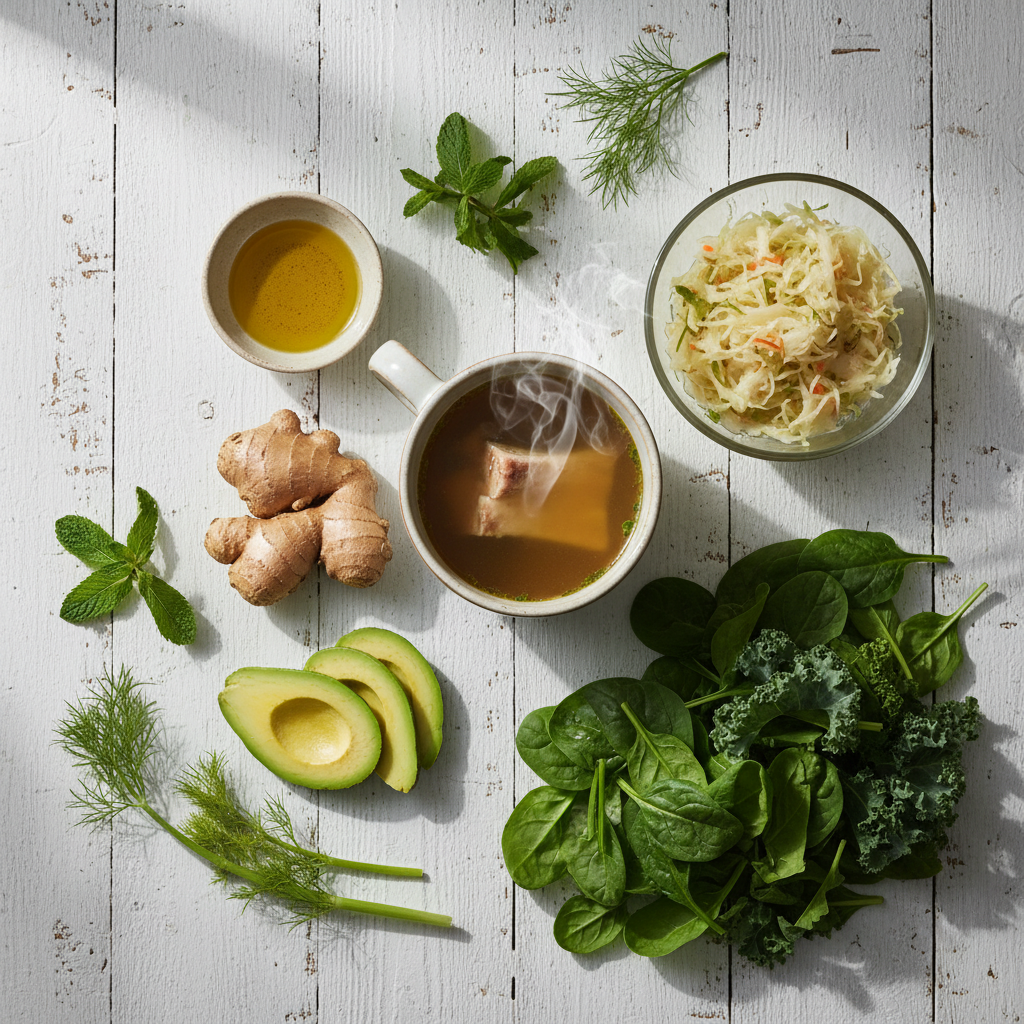
Fix Keto Paleo Digestive Issues: Gentle Food Solutions
Let’s be honest – keto paleo digestive issues are one of those things nobody warns you about when you’re starting this journey. You’re feeling great about your food choices, then suddenly your gut decides to throw a tantrum. I’ve been there, and I’m betting you have too.
The good news? These digestive hiccups are usually temporary and totally fixable with some gentle, food-based tweaks. Today, I want to share what’s actually worked for me and countless others navigating these same waters.
Why Your Gut Gets Confused During Keto Paleo Transitions
First things first – your digestive system isn’t broken. It’s just adjusting to a completely different way of eating. Think about it: you’ve likely spent years eating processed foods, grains, and higher-carb meals.
Now suddenly, you’re asking your gut to process more fats, fewer carbs, and eliminate foods it’s used to breaking down. Your gut bacteria need time to rebalance. Your digestive enzymes need to adjust their production levels.
This transition period typically lasts 2-6 weeks. Some people sail through it, others need more support. Neither experience makes you weak or wrong – we’re all different.
The Most Common Digestive Issues We Face
Before we dive into solutions, let’s identify what we’re dealing with. These are the digestive challenges I hear about most often:
Bloating and Gas
This usually happens when you’re eating more cruciferous vegetables or nuts than your system is used to. Your gut bacteria are literally having a party with all this new fiber.
Constipation
Super common when switching to keto paleo. Lower fiber intake initially, plus dehydration from losing water weight, can slow things down considerably.
Loose Stools or Diarrhea
Often happens when you dramatically increase fat intake too quickly. Your gallbladder and pancreas need time to ramp up bile and enzyme production.
Stomach Cramps
Usually tied to eating too much of something your gut isn’t ready for yet, or not chewing thoroughly enough.
Sound familiar? Let’s fix these issues naturally.
Gentle Solutions for Keto Paleo Digestive Issues
Here’s what’s actually worked for me and my community. These aren’t overnight magic bullets, but they’re sustainable approaches that support your gut health long-term.
Start with Digestive Enzymes (The Natural Way)
Before you run to the supplement store, try food-based digestive support first. Fresh ginger is incredible for digestion – I keep it in smoothies and teas daily.
Pineapple and papaya contain natural enzymes that help break down proteins and fats. A few chunks before meals can make a real difference.
Apple cider vinegar in water before eating helps stimulate your natural acid production. Start with just a teaspoon in a glass of water.
Slow Down Your Fat Increase
This one’s huge. I made the mistake of going from low-fat to high-fat overnight. My poor digestive system couldn’t keep up.
Instead, gradually increase healthy fats over 2-3 weeks. Start with an extra tablespoon of olive oil or half an avocado. Let your body adjust before adding more.
Focus on easier-to-digest fats first: olive oil, avocado oil, and coconut oil. Save the nuts and seeds for later in your transition.
Hydration and Electrolyte Balance for Better Digestion
Here’s something that surprised me – proper hydration dramatically improves digestion. When you’re keto paleo, you lose water and electrolytes faster than before.
Dehydration slows down everything in your digestive tract. Your body starts conserving water instead of using it for optimal digestion.
My daily hydration routine includes:
- Sea salt in my morning water
- Bone broth in the afternoon
- Herbal teas throughout the day
- Magnesium-rich foods like leafy greens
Speaking of magnesium – this mineral is crucial for smooth muscle contractions in your intestines. Low magnesium equals sluggish digestion.
The Fiber Transition Strategy
Fiber on keto paleo looks different than standard diet advice suggests. We’re not eating beans and whole grains anymore. Instead, focus on gradual increases in vegetable fiber.
Start with easier-to-digest options like zucchini, cucumber, and lettuce. Gradually add broccoli, cauliflower, and Brussels sprouts as your gut adapts.
Fermented vegetables are absolute game-changers. Sauerkraut, kimchi, and pickled vegetables provide both fiber and beneficial bacteria. Start with just a fork-full daily.
Similar to how proper sleep supports overall health (check out our guide on foods that fix your rest naturally), good digestion requires consistent, gentle support.
Timing Your Meals for Optimal Digestion
When you eat matters almost as much as what you eat. Your digestive system has natural rhythms that we can work with instead of against.
Intermittent fasting, common in keto paleo lifestyles, can actually help reset digestive issues. Giving your gut 12-16 hours between meals allows it to complete the full digestive cycle.
However, if you’re dealing with digestive issues, don’t jump into extended fasting right away. Start with a gentle 12-hour overnight fast and see how you feel.
Eating your largest meal earlier in the day often helps too. Your digestive fire is strongest in the morning and afternoon, naturally slowing down as evening approaches.
Chewing and Mindful Eating
This sounds so basic, but proper chewing is half the battle. Digestion starts in your mouth with both mechanical breakdown and enzyme production.
I aim for 20-30 chews per bite, especially with tougher foods like nuts or meat. It feels weird at first, but your stomach will thank you.
Eating without distractions helps too. When you’re stressed or distracted, your body diverts energy away from digestion. Try eating at least one meal daily without phones, TV, or work.
Troubleshooting Specific Digestive Challenges
Let’s get practical about the most stubborn issues you might face:
When Bloating Won’t Quit
Persistent bloating usually means you’re eating something your gut can’t handle yet, or eating too much of it at once.
Common culprits include:
- Too many nuts at once (limit to 1-2 oz daily initially)
- Raw cruciferous vegetables in large amounts
- Certain sweeteners like erythritol or xylitol
- Eating too fast or when stressed
Try eliminating suspected foods for a week, then reintroduce them slowly. Your gut might just need more time to adapt.
Constipation Solutions That Actually Work
Beyond just drinking more water, here’s what’s helped me and others:
Morning movement gets things flowing. Even gentle stretching or a short walk signals your digestive system to wake up.
Magnesium-rich foods like leafy greens, pumpkin seeds, and dark chocolate support healthy elimination. If you need extra support, magnesium glycinate is gentle and effective.
Healthy fats are crucial here. Don’t go too low-fat trying to fix other issues – your body needs adequate fat for bile production and smooth elimination.
Just like maintaining your social eating strategies (our guide to gatherings without drama has great tips), consistency with these digestive support strategies matters more than perfection.
Foods That Heal and Support Digestion
Some foods are particularly healing for digestive issues. I’ve found these especially helpful during rough patches:
Bone Broth: Your Gut’s Best Friend
Bone broth contains glycine, collagen, and minerals that literally help heal your intestinal lining. I sip it warm between meals when my digestion feels off.
Making your own is ideal, but good store-bought versions work too. Look for ones with minimal ingredients and no weird additives.
Fermented Foods for Gut Flora
These provide beneficial bacteria that support healthy digestion. Start small – maybe a tablespoon of sauerkraut or a few sips of kombucha daily.
Kefir (if you tolerate dairy) or coconut kefir are excellent options too. The key is consistency rather than large amounts.
Anti-Inflammatory Herbs and Spices
Turmeric, ginger, and fennel are particularly soothing for digestive inflammation. I add these to teas, cooking, or even just chew on fresh herbs after meals.
These natural anti-inflammatory approaches work well alongside the strategies in our anti-inflammatory meal planning guide.
When to Seek Additional Support
Most digestive adjustments resolve within a few weeks with gentle support. However, some situations warrant professional guidance:
If symptoms persist beyond 6-8 weeks, worsen instead of improving, or interfere significantly with your daily life, consider consulting a healthcare provider familiar with keto paleo approaches.
Severe pain, blood in stool, or dramatic weight loss aren’t normal transition symptoms and need medical attention.
Sometimes underlying issues like SIBO, candida overgrowth, or food sensitivities need specific treatment approaches beyond dietary changes.
Building Your Personal Digestive Protocol
Everyone’s digestive system is unique. What works for me might need tweaking for you. Here’s how to build your own gentle protocol:
Start a simple food and symptom journal. Note what you eat, when you eat it, and how you feel afterward. Patterns usually emerge within a week or two.
Implement one change at a time. It’s tempting to overhaul everything at once, but gradual changes help you identify what actually helps.
Be patient with yourself. Digestive healing takes time, just like other aspects of health improvement we discuss, such as healing metabolism after standard diet damage.
The Road to Better Digestive Health
Remember, keto paleo digestive issues are usually temporary roadblocks, not permanent destinations. Your body is incredibly adaptable and wants to heal.
Most people find their digestion actually improves significantly once they’ve made the full transition. Reduced inflammation, better nutrient absorption, and improved gut bacteria balance are common long-term benefits.
The key is supporting your body gently through the adjustment period rather than fighting against it. These natural, food-based approaches work with your body’s healing mechanisms instead of masking symptoms.
Focus on consistency over perfection. Small, daily actions compound into significant improvements over time. Your future self will thank you for taking this gentle, sustainable approach.
Keep in mind that digestive health connects to everything else – your energy levels, sleep quality, mood stability, and even how well you handle social eating situations. Taking care of your gut is taking care of your whole self.
Trust the process, listen to your body, and remember that this journey looks different for everyone. You’ve got this, and your digestive system will find its new happy place with a little time and support.