Winter Root Veggie Keto-Paleo Transformations
Let me tell you about my biggest kitchen revelation last winter – discovering that winter root vegetables don’t have to be off-limits on keto-paleo. I used to walk past those gorgeous turnips, radishes, and even cauliflower at the farmer’s market, thinking they were too starchy. Then I learned some game-changing preparation techniques that transformed these seasonal beauties into satisfying, low-carb masterpieces.
The secret isn’t avoiding root vegetables entirely. It’s understanding which ones work best and how to prepare them to maximize flavor while keeping carbs in check.
The Best Winter Root Vegetables for Keto-Paleo
Not all root vegetables are created equal when it comes to carb content. After countless kitchen experiments, here are my go-to choices that actually work within our macros:
Turnips are absolute game-changers. At just 4 grams of net carbs per cup, they’re incredibly versatile. I’ve made everything from turnip “mashed potatoes” to roasted turnip fries that fooled my skeptical teenagers.
Radishes might surprise you. When cooked, they lose their sharp bite and become almost potato-like. Two grams of net carbs per cup make them incredibly budget-friendly for your daily carb allowance.
Rutabagas require more careful portioning at 9 grams net carbs per cup, but their sweet, complex flavor makes them worth the splurge for special meals.
Smart Preparation Techniques for Winter Root Vegetables
The magic happens in how you prepare these vegetables. Here are the techniques I’ve refined through trial and error:
Salt-draw method: This changed everything for me. Slice your root vegetables, salt them generously, and let them sit for 30 minutes. The salt draws out moisture and some of the starches. Rinse, pat dry, and proceed with your recipe. This technique works especially well with turnips and radishes.
Double-cooking approach: First, steam or blanch your vegetables until just tender. Then proceed with roasting, mashing, or sautéing. This pre-cooking step removes more starch and creates better texture in your final dish.
Proper portioning: Unlike traditional recipes that load up on starchy vegetables, I use them more as flavor accents. Mix roasted turnips with cauliflower rice, or add diced radishes to your egg scramble for texture without overwhelming your carb count.
Flavor-Maximizing Cooking Methods
Here’s where the real magic happens. These cooking methods intensify flavors while keeping carbs manageable:
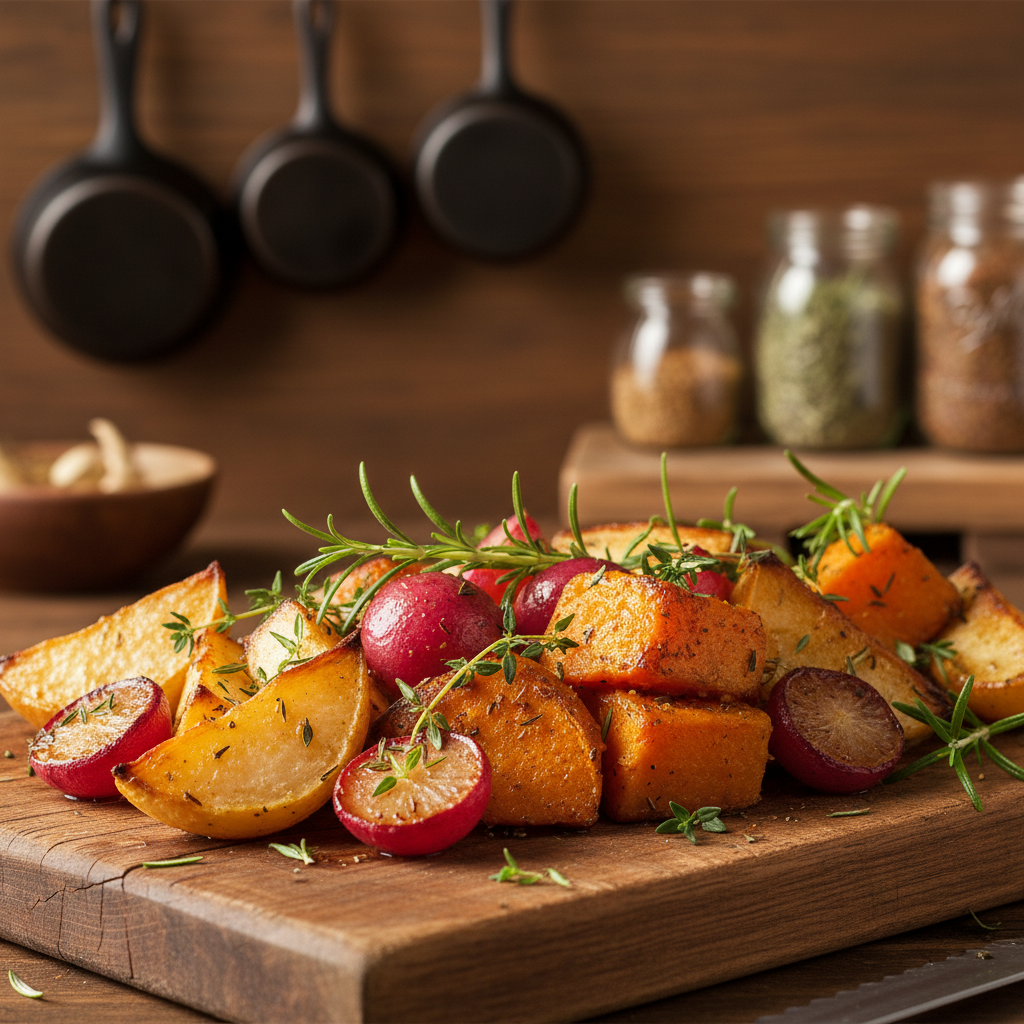
High-heat roasting caramelizes the natural sugars in root vegetables, creating incredible depth of flavor. I toss chunks with avocado oil, sea salt, and herbs, then roast at 425°F until golden and tender.
My favorite combination? Turnips and radishes roasted with rosemary and garlic. The turnips become creamy while the radishes develop this amazing nutty flavor that rivals any potato dish I’ve ever made.
Braising transforms tougher root vegetables into silky, flavorful sides. I learned this technique from my grandmother, though she used it for traditional potatoes. Now I braise rutabaga wedges in bone broth with fresh thyme – it’s become a winter staple in our house.
The key is using high-quality fats and plenty of seasoning. These vegetables are like flavor sponges, so don’t be shy with your herbs and spices. Speaking of flavor building, this pairs beautifully with the techniques I shared in my Flavor Builders post.
Weekly Meal Integration Strategies
The real success comes from integrating these winter root vegetables into your regular meal rotation. Here’s how I make it work in real life:
Sunday prep sessions: I dedicate part of my weekend to prepping root vegetables. Salt-drawing turnips, blanching radishes, and portioning everything for the week ahead. This connects perfectly with my Athlete-Approved Batch Cooking approach.
Mixture strategy: I rarely use root vegetables alone. Instead, I create blends. Half cauliflower rice, half diced turnips. Traditional zucchini noodles mixed with thin radish slices. This keeps carbs controlled while adding variety and nutrition.
Seasonal rotation: Winter is perfect for heartier root vegetables, but I adjust portions based on my activity level and how my body feels. Some weeks I can handle more rutabaga, other weeks I stick to just radishes and turnips.
Nutritional Benefits Beyond Carb Counts
What I love most about incorporating these vegetables is the nutrition boost they provide. Turnips are loaded with vitamin C and potassium. Radishes provide sulfur compounds that support liver detoxification. Rutabagas offer beta-carotene and fiber that supports gut health.
This variety is crucial for long-term success on any eating plan. The diversity helps prevent nutrient deficiencies while keeping meals interesting. It’s exactly the kind of balanced approach I outline in my Plate-First Keto-Paleo strategy.
The fiber content alone makes these vegetables worth including. Unlike processed low-carb substitutes, these whole foods provide the kind of fiber that feeds beneficial gut bacteria while helping you feel satisfied.
Troubleshooting Common Challenges
Let’s be honest – I’ve made plenty of mistakes with root vegetables over the years. Here’s what I’ve learned:
Bitterness issues: If your turnips or radishes taste too sharp, you probably skipped the salt-drawing step. Don’t rush this process – those 30 minutes make all the difference.
Texture problems: Mushy vegetables usually mean they were overcooked or not properly dried after rinsing. Pat them completely dry before cooking, and don’t be afraid of higher heat for roasting.
Carb creep: It’s easy to get carried away when these vegetables taste so good. I measure portions until I develop a good eye for appropriate serving sizes. Remember, they’re supporting players, not the star of your plate.
The most important lesson? Start small and experiment. What works for my family might need tweaking for yours. Pay attention to how your body responds and adjust accordingly.
These winter root vegetables have completely changed how I approach seasonal eating on keto-paleo. They’ve brought back the comfort and satisfaction I thought I’d given up, while keeping me well within my nutritional goals. Give them a try – I think you’ll be as surprised as I was by how delicious healthy eating can be, even in the depths of winter.