Keto-Paleo Anti-Inflammatory Meal Planning Made Simple
Transform your health with a keto-paleo anti-inflammatory approach that combines the best of both worlds. By merging ketogenic fat-burning principles with paleo whole-food wisdom, you can create meals that naturally reduce inflammation while supporting optimal wellness. This powerful combination helps your body fight chronic inflammation at the cellular level.
Inflammation is your body’s natural response to injury or infection. However, chronic inflammation can contribute to various health issues. The good news? Your food choices can be your medicine, especially when you focus on nutrient-dense, healing ingredients.
Understanding Keto-Paleo Anti-Inflammatory Foundations
The foundation of anti-inflammatory meal planning lies in choosing foods that actively combat inflammation. This means emphasizing omega-3 rich fats, antioxidant-packed vegetables, and high-quality proteins while eliminating inflammatory triggers like processed foods, refined sugars, and industrial oils.
Your keto-paleo anti-inflammatory meals should center around three key components: healing fats, clean proteins, and colorful, low-carb vegetables. These work synergistically to reduce inflammatory markers throughout your body.
Additionally, timing matters. Consistent meal spacing helps maintain stable blood sugar levels, which directly impacts inflammatory responses. This approach supports both ketosis and your body’s natural healing processes.
Power-Packed Anti-Inflammatory Fats for Healing
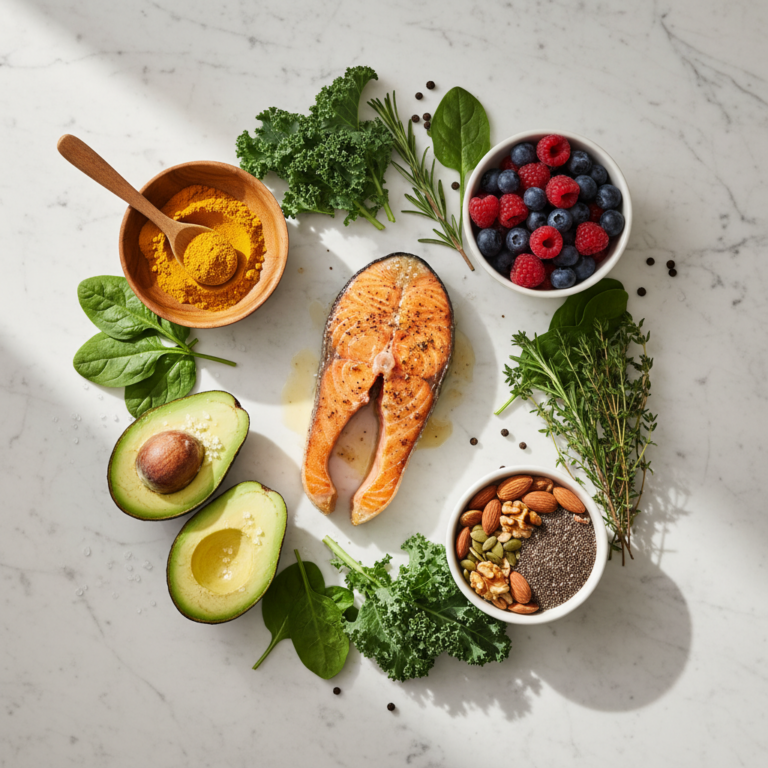
Healthy fats form the cornerstone of your anti-inflammatory arsenal. Omega-3 fatty acids from wild-caught salmon, sardines, and mackerel provide potent anti-inflammatory compounds called EPA and DHA. These essential fats actively reduce inflammatory cytokines in your body.
Monounsaturated fats from avocados, olive oil, and macadamia nuts offer additional anti-inflammatory benefits. Extra virgin olive oil contains oleocanthal, a compound that mimics the anti-inflammatory effects of ibuprofen naturally.
Medium-chain triglycerides (MCTs) from coconut oil provide quick energy while supporting ketone production. These fats don’t require bile acids for digestion, making them gentler on your digestive system and reducing inflammatory stress.
Remember to avoid inflammatory oils like vegetable oil, canola oil, and corn oil. These processed oils contain high levels of omega-6 fatty acids, which can promote inflammation when consumed in excess.
Strategic Protein Choices for Optimal Healing
Quality protein sources provide the building blocks your body needs for tissue repair and immune function. Grass-fed beef contains higher levels of anti-inflammatory omega-3s compared to conventional beef. Wild-caught fish offers the added benefit of astaxanthin, a powerful antioxidant.
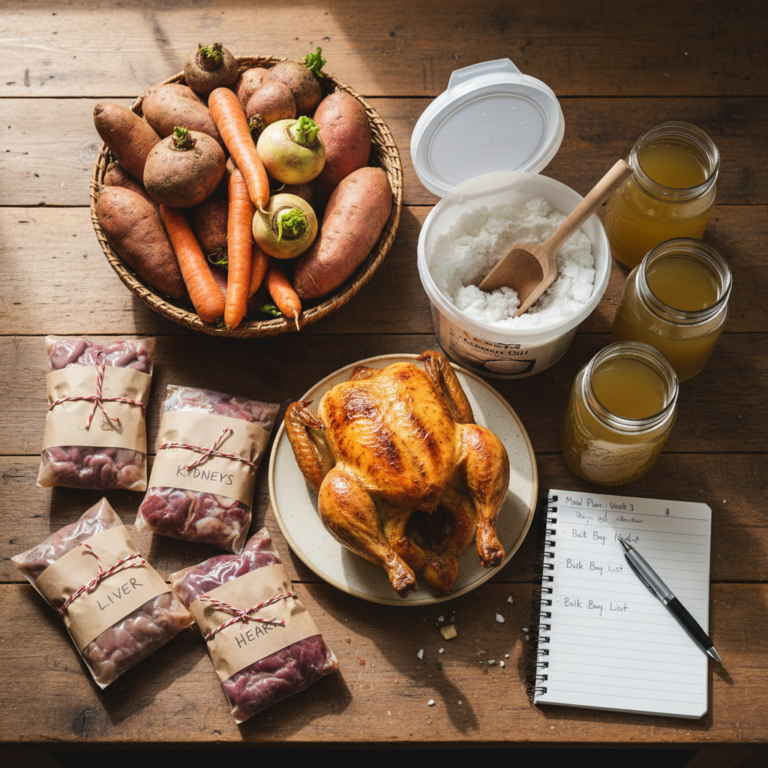
Pasture-raised eggs provide choline and selenium, nutrients that support your body’s natural detoxification processes. Organ meats, while often overlooked, contain concentrated amounts of anti-inflammatory vitamins and minerals.
Plant-based proteins like hemp seeds and chia seeds offer additional fiber and omega-3s. However, ensure these fit within your carbohydrate targets to maintain ketosis effectively.
For meal planning success, check out our 4-Week Keto-Paleo Protein Rotation to keep your protein choices varied and exciting throughout the month.
Low-Carb Vegetables That Fight Inflammation
Colorful, low-carb vegetables provide essential phytonutrients that combat inflammation naturally. Leafy greens like spinach, kale, and arugula contain high levels of antioxidants and nitrates that support vascular health and reduce inflammatory markers.
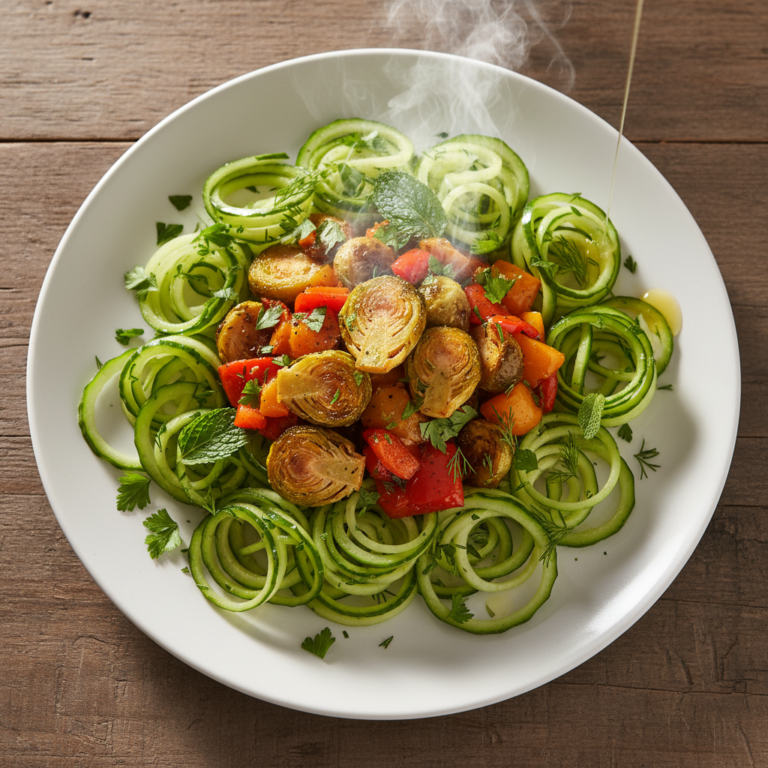
Cruciferous vegetables such as broccoli, cauliflower, and Brussels sprouts contain sulforaphane, a compound that activates your body’s natural detoxification pathways. These vegetables also provide fiber that supports beneficial gut bacteria.
Colorful peppers, both sweet and hot varieties, offer vitamin C and capsaicin. These compounds work together to reduce inflammatory prostaglandins while supporting immune function.
Mushrooms deserve special attention for their unique beta-glucan content. These compounds modulate immune responses and provide anti-inflammatory benefits. Shiitake, maitake, and reishi mushrooms offer the highest concentrations of these healing compounds.
Weekly Anti-Inflammatory Meal Planning Strategy
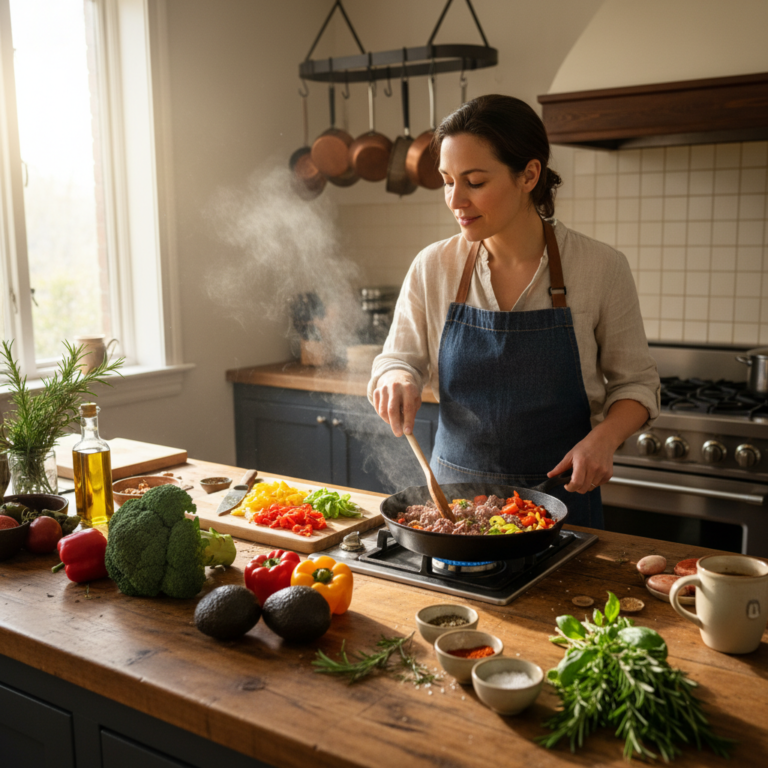
Successful keto-paleo anti-inflammatory meal planning requires strategic preparation. Start by planning your week around seasonal, anti-inflammatory ingredients. This ensures maximum nutrient density while keeping costs manageable.
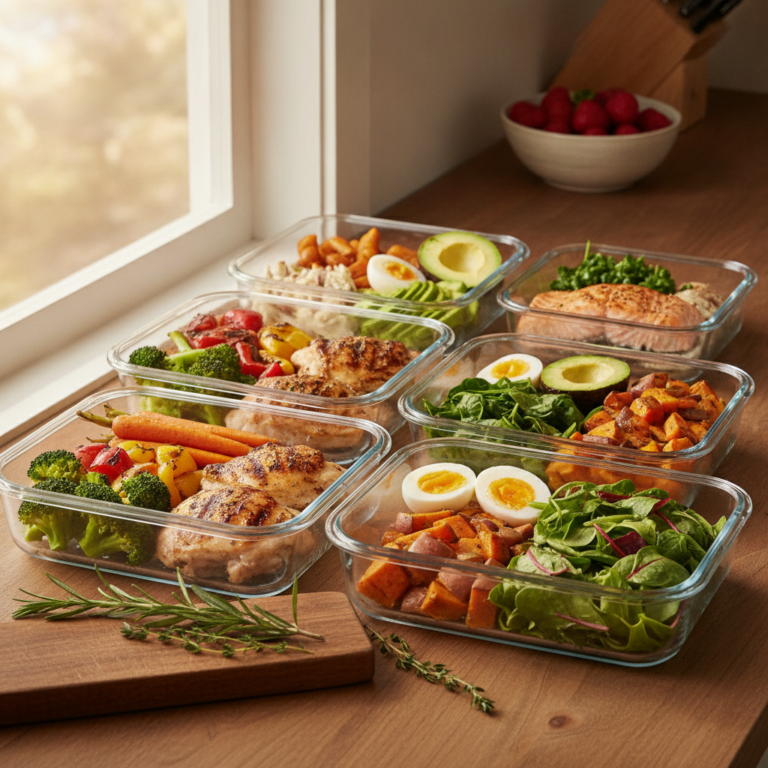
Begin each week by selecting one omega-3 rich fish, one grass-fed protein, and five different colorful vegetables. This foundation provides variety while ensuring consistent anti-inflammatory benefits throughout the week.
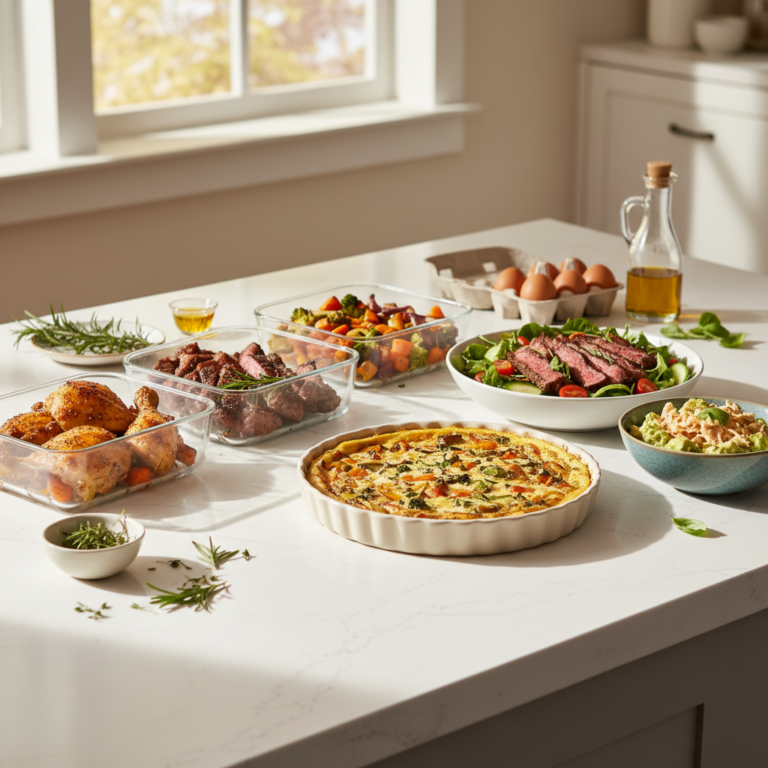
Batch cooking becomes essential for maintaining consistency. Prepare large portions of anti-inflammatory staples like bone broth, roasted vegetables, and seasoned proteins. Our Athlete-Approved Batch Cooking guide offers specific strategies for efficient meal prep.
Consider implementing a rotation system to prevent boredom. Week one might focus on Mediterranean flavors with olive oil and herbs, while week two emphasizes Asian-inspired dishes with coconut oil and ginger.
Sample Anti-Inflammatory Meal Combinations
Breakfast combinations should emphasize healthy fats and quality proteins. Try pasture-raised eggs cooked in coconut oil with sautéed spinach and avocado. Add a sprinkle of turmeric for additional anti-inflammatory benefits.
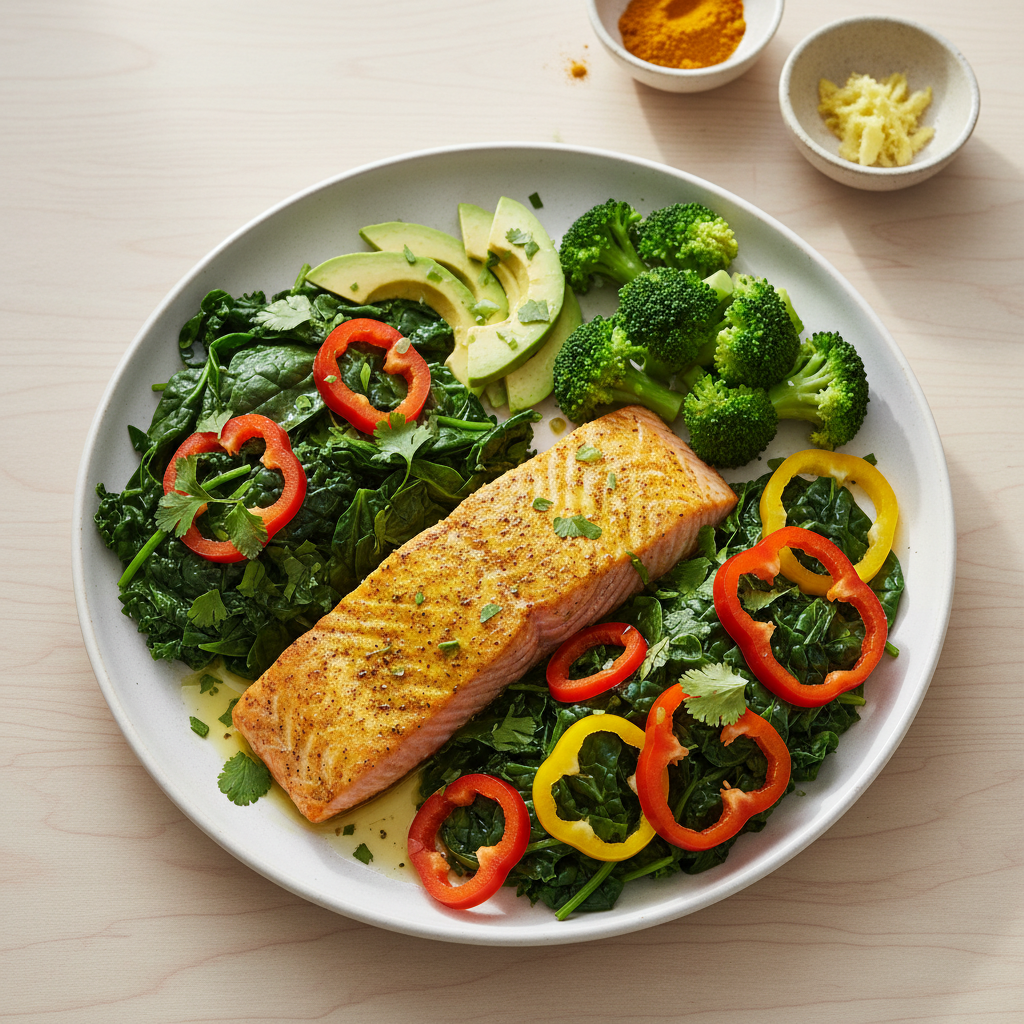
Lunch options might include wild-caught salmon over mixed greens with olive oil dressing and hemp seeds. The combination of omega-3s, antioxidants, and healthy fats creates a powerful anti-inflammatory meal.
Dinner can feature grass-fed beef with roasted cruciferous vegetables and a side of fermented vegetables. The probiotics from fermented foods support gut health, which directly impacts whole-body inflammation levels.
For snack ideas and quick meal solutions, explore our collection of 5-Ingredient, 15-Minute Keto-Paleo Dinners that prioritize anti-inflammatory ingredients.
Herbs and Spices: Nature’s Anti-Inflammatory Pharmacy
Herbs and spices provide concentrated anti-inflammatory compounds without adding carbohydrates. Turmeric contains curcumin, one of the most researched anti-inflammatory compounds. Combine it with black pepper to enhance absorption significantly.
Ginger offers gingerol, which reduces inflammatory markers while supporting digestive health. Fresh ginger provides the highest concentration of active compounds, though dried ginger also offers benefits.
Garlic and onions contain sulfur compounds that support your body’s natural detoxification processes. These allium vegetables also provide prebiotic fibers that feed beneficial gut bacteria.
Fresh herbs like parsley, cilantro, and basil offer additional antioxidants while making your meals more flavorful. These herbs also support natural detoxification pathways in your liver and kidneys.
Tracking Progress and Adjusting Your Plan
Monitor your body’s response to your keto-paleo anti-inflammatory approach through both subjective and objective measures. Keep a food and symptom diary to identify patterns and potential trigger foods.
Pay attention to energy levels, joint comfort, skin clarity, and digestive function. These markers often improve within the first few weeks of consistent anti-inflammatory eating.
Consider working with a healthcare provider to track inflammatory markers like C-reactive protein (CRP) if you have specific health concerns. However, don’t rely solely on lab values – your daily experience matters most.
Remember that healing takes time. Be patient with yourself and focus on consistency rather than perfection. Small, sustainable changes create lasting results for both inflammation reduction and overall health.
Your journey toward reduced inflammation through mindful eating starts with your next meal. Choose ingredients that nourish and heal, and trust in your body’s remarkable ability to restore balance naturally.