Fix Overcooked Keto-Paleo: Turn Kitchen Disasters Into Wins
We’ve all been there – you’re cooking your favorite keto-paleo meal, get distracted by life, and suddenly smell something that makes your heart sink. Maybe your beautiful grass-fed steak is now leather, or your carefully planned vegetables look more like charcoal. Before you reach for the takeout menu and toss everything in the trash, let me share some game-changing ways to fix overcooked disasters that have saved countless meals in my kitchen.
Trust me, I’ve rescued more culinary catastrophes than I care to admit. From hockey puck chicken to sauce that looks like it belongs in a science experiment, these techniques will turn your kitchen fails into surprising wins while keeping everything perfectly keto-paleo friendly.
The Reality of Real Kitchen Life
Let’s be honest – cooking happens in real life, not Instagram perfection. Sometimes we’re juggling work calls, helping kids with homework, or simply having one of those days where our brain decides to take a vacation. I’ve learned that knowing how to fix overcooked meals isn’t just helpful; it’s essential for maintaining both our sanity and our food budget.
The beauty of keto-paleo cooking is that we’re already working with quality ingredients. When something goes sideways, we have a solid foundation to build from. Plus, many of our go-to recovery techniques actually align perfectly with our dietary approach – think rich fats, bone broths, and fermented additions that can work magic on distressed food.
Rescuing Overcooked Proteins: Your Meat Salvation Guide
Overcooked protein is probably the most heartbreaking kitchen disaster, especially when you’ve invested in quality grass-fed or wild-caught options. However, all hope isn’t lost when you fix overcooked meat with these proven techniques.
The Shred and Sauce Method
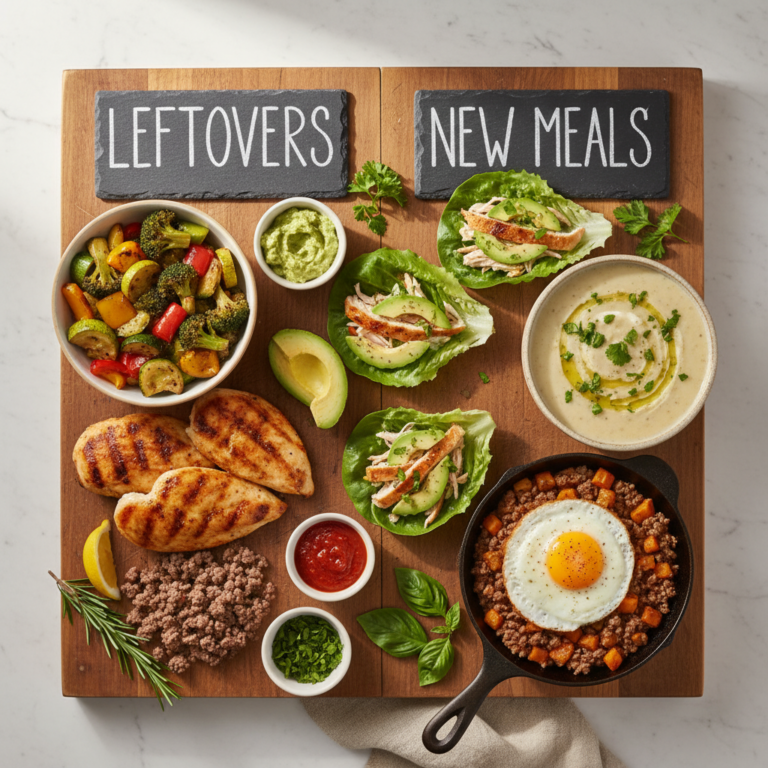
This has become my go-to rescue technique. Shred that tough chicken, beef, or pork using two forks. The key is working with the grain that’s already been broken down by overcooking. Then, create a rich sauce using bone broth, coconut cream, or even just good quality fat like ghee or avocado oil.
For example, that dry chicken breast becomes amazing when shredded and mixed with a creamy avocado-herb sauce. I’ve transformed countless tough steaks into delicious “pulled beef” by shredding and tossing with homemade barbecue sauce sweetened with monk fruit.
The Slow Simmer Recovery
Sometimes the best approach is embracing the overcook and going all the way. Place your tough protein in a slow, gentle simmer with bone broth, herbs, and healthy fats. This technique works particularly well with tougher cuts that can handle the extended cooking time.
I’ve salvaged many a batch cooking session this way, turning what seemed like ruined protein into tender, flavorful additions for my athlete-approved batch cooking rotation.
Vegetable Revival: From Burnt to Beautiful
Overcooked vegetables might seem like a lost cause, but they often have more potential than you think. The key is working with their changed texture rather than fighting it.
The Puree Transformation
Those mushy Brussels sprouts or overcooked cauliflower? They’re perfect candidates for creamy purees. Add some coconut cream, bone broth, or even just good salt and healthy fats. You’ll end up with something that tastes intentional and delicious.
I’ve created some of my family’s favorite side dishes this way. What started as accidentally overcooked broccoli became our signature “creamy broccoli mash” that everyone requests at dinner parties.
The Soup Solution
When vegetables are past the point of serving as sides, they often make excellent soup bases. Blend them with bone broth, add some protein, and you’ve got a nourishing meal. This approach works especially well with root vegetables that have gotten too soft.
Sauce Disasters: When Things Separate, Curdle, or Worse
Broken sauces might look catastrophic, but they’re often the easiest fixes in the kitchen. Most sauce failures happen because of temperature shock or ingredient ratios, both of which can be corrected.
The Emulsification Reset
For separated sauces, start fresh with a clean pan and a small amount of your base liquid. Slowly whisk in the broken sauce, bit by bit. This technique works wonderfully with hollandaise, mayo-based sauces, and even coconut cream-based sauces that have split.
If you’re working with a cream sauce that’s curdled, strain it to remove the solids, then slowly reheat while whisking continuously. Sometimes adding a splash of bone broth or a pinch of coconut flour can help stabilize things.
Prevention Through Smart Cooking Techniques
While learning to fix overcooked meals is crucial, I’ve also picked up some techniques that help prevent disasters in the first place. These fit perfectly into our keto-paleo lifestyle and make cooking more enjoyable.
Temperature control is everything. I’ve learned to use lower heat and longer cooking times, which not only prevents overcooking but also develops better flavors. This approach aligns perfectly with the gentle cooking methods that work best for our plate-first keto-paleo approach.
Preparation is your friend. Having mise en place – everything chopped, measured, and ready – means you’re less likely to get distracted and overcook something. This is especially important when you’re following something like a 15-minute keto-paleo dinner plan.
The Mindset Shift: From Perfectionism to Adaptability
Here’s what I’ve learned after years of kitchen disasters and recoveries: the ability to adapt and problem-solve is more valuable than perfect technique. Every “mistake” has taught me something new about flavors, textures, and cooking methods.
Some of my family’s favorite meals started as cooking failures. That oversalted soup became a concentrated flavor base that we now use intentionally. The overcooked vegetables that became puree are now a regular part of our meal rotation.
Building Your Recovery Toolkit
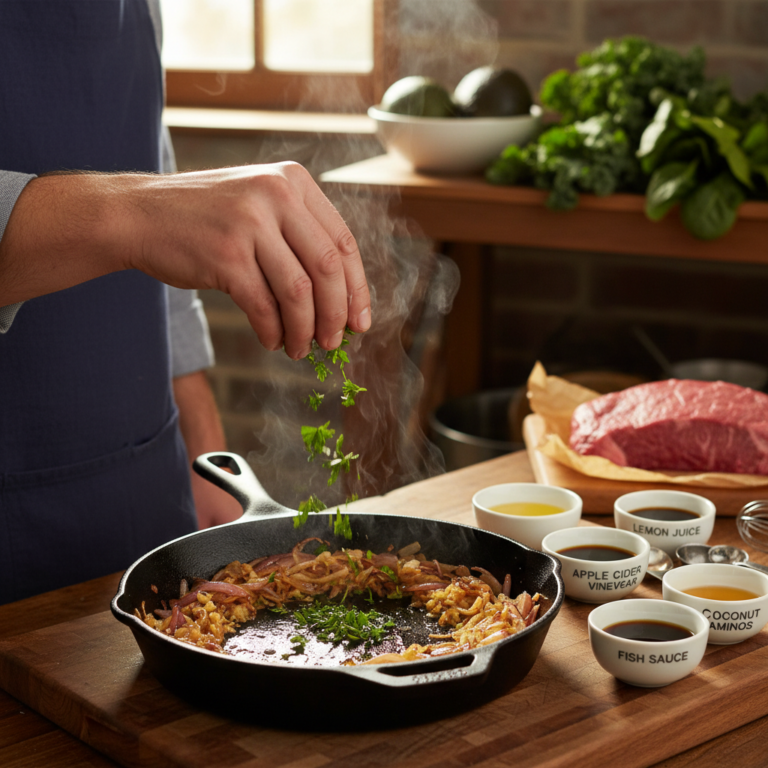
Keep certain ingredients on hand specifically for rescue missions. Bone broth, coconut cream, good quality fats, and acid (like lemon juice or vinegar) can fix most disasters. Having these staples means you’re always prepared to turn a potential disaster into a delicious save.
Fresh herbs, especially hardy ones like thyme and rosemary, can mask overcooking flavors while adding brightness. A pinch of high-quality sea salt can often balance out other flavors and make everything taste more intentional.
When to Call It and Start Fresh
Sometimes, despite our best efforts, a dish is truly beyond saving. Learning to recognize when to cut your losses is part of becoming a better cook. If something is burnt beyond repair or has developed off-flavors, it’s okay to start over.
However, I’ve found that most cooking disasters are more salvageable than they first appear. With a little creativity and the right techniques, you can usually create something delicious from what seems like a total loss.
Remember, every experienced cook has a collection of disaster stories and rescue victories. The key is approaching these situations with curiosity rather than panic. Your overcooked meal might just become your next signature dish in disguise.