Keto-Paleo Meal Prep: 3-Day Rotation That Never Gets Boring
Let’s be honest – I used to dread Sundays. Not because of Monday blues, but because of that looming keto-paleo meal prep marathon. Four hours of chopping, cooking, and cramming containers into the fridge, only to eat the same soggy chicken and vegetables by Thursday. Sound familiar?
Then I discovered something game-changing: the 3-day rotation system. Instead of prepping an entire week at once, I now prep just three days ahead and rotate through different flavor profiles. The result? Fresh, exciting meals without the burnout.
Why the Traditional Week-Long Keto-Paleo Meal Prep Fails
We’ve all been there. Sunday afternoon rolls around, and you’re armed with twenty containers and good intentions. You batch cook enough food to feed a small army, convinced this time will be different.
But here’s what actually happens:
- Day 1-2: You’re motivated, meals taste fresh
- Day 3-4: Food quality starts declining, flavors get boring
- Day 5-7: You’re ordering takeout because reheated salmon from five days ago just isn’t appealing
The problem isn’t your willpower – it’s the system. Week-long prep works against our natural desire for variety and fresh-tasting food. Plus, some ingredients simply don’t hold up well for seven days, especially delicate vegetables and seafood that are staples in our eating style.
Moreover, life happens. Plans change, schedules shift, and suddenly half your prepped meals go to waste. I learned this the hard way when I threw out $40 worth of perfectly prepared food because an unexpected work dinner threw off my entire week.
The 3-Day Keto-Paleo Meal Prep Rotation System
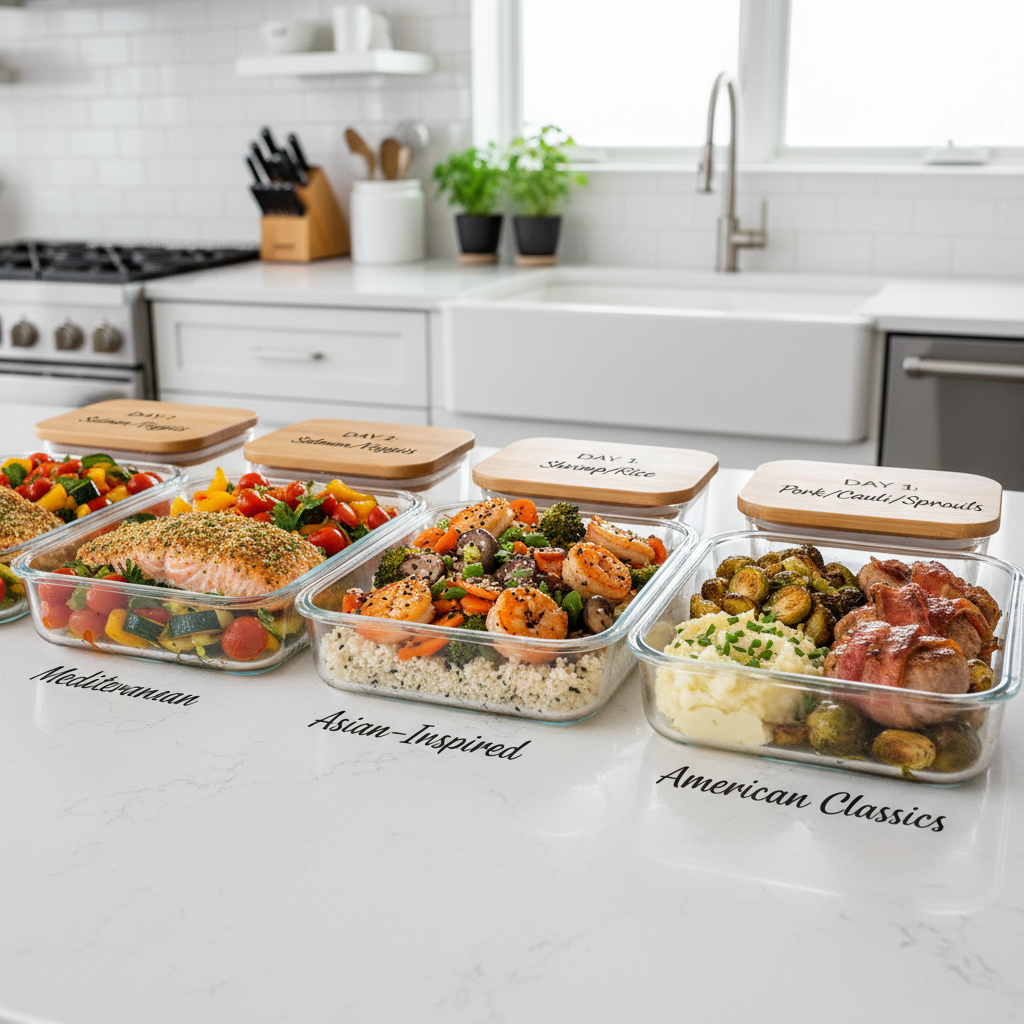
The beauty of the 3-day rotation lies in its flexibility and freshness. Instead of prepping seven days at once, you prep three days ahead and cycle through three distinct themes. Each rotation takes about 90 minutes – less time than your old marathon sessions.
Here’s how it works: You’ll have three meal themes that you rotate through. Each theme focuses on different proteins, cooking methods, and flavor profiles. This keeps your taste buds engaged while maintaining the convenience of batch cooking.
The system prevents flavor fatigue because you’re never eating the same combination for more than three days. By the time you cycle back to a theme, you’re actually excited to eat it again. It’s like having three different meal plans that keep rotating.
Plus, shorter prep sessions mean better food quality. Vegetables stay crisp, proteins don’t dry out, and you’re never more than three days away from fresh-cooked food. If something unexpected comes up, you’re only risking three days of meals, not an entire week.
Rotation A: Mediterranean Comfort (Days 1-3)
This rotation centers around olive oil, herbs, and satisfying proteins that transport you straight to the Mediterranean coast. The focus is on simple, clean flavors that satisfy without overwhelming.
Core Proteins:
- Herb-crusted salmon fillets
- Lemon-garlic chicken thighs
- Italian-seasoned ground turkey
Supporting Vegetables:
- Roasted zucchini and bell peppers
- Sautéed spinach with garlic
- Cucumber and tomato salad
Prep Strategy:
Start with your proteins in the oven – chicken thighs and salmon can roast together at 400°F. While they cook, brown the ground turkey with Italian herbs. Simultaneously, roast your vegetables and prepare the fresh cucumber salad.
The beauty of this rotation is that most ingredients improve with time. The herbs penetrate the proteins, and the flavors meld beautifully. Pack everything in glass containers with a drizzle of good olive oil to keep ingredients moist.
Rotation B: Asian-Inspired Fresh (Days 4-6)
When you’re ready for something completely different, this rotation delivers bright, umami-rich flavors that wake up your palate. The focus shifts to ginger, garlic, and coconut-based sauces.
Core Proteins:
- Coconut-ginger shrimp
- Teriyaki-style beef strips (using coconut aminos)
- Sesame-crusted pork tenderloin
Supporting Vegetables:
- Stir-fried broccoli and snap peas
- Cauliflower rice with scallions
- Asian-style cucumber salad
Prep Strategy:
This rotation requires slightly more active cooking but results in incredibly flavorful meals. Start by marinating your beef and pork while you prepare the cauliflower rice. Cook proteins in batches, using the same pan to build layers of flavor.
The key here is not overcooking the vegetables – they should retain some crunch. This rotation tends to be lighter than Mediterranean, which provides a nice contrast and prevents palate fatigue.
Rotation C: Hearty American Classics (Days 7-9)
Sometimes you need comfort food that reminds you of home. This rotation focuses on familiar flavors with a keto-paleo twist. Think everything you loved growing up, but optimized for your current lifestyle.
Core Proteins:
- Herb-roasted chicken breast
- Grass-fed beef patties with mushrooms
- Bacon-wrapped pork tenderloin
Supporting Vegetables:
- Roasted Brussels sprouts with bacon
- Mashed cauliflower with herbs
- Green beans with almonds
Prep Strategy:
This rotation is perfect for batch cooking because most dishes actually improve overnight. The mashed cauliflower becomes creamier, and the flavors in the Brussels sprouts deepen.
Start with the bacon-wrapped pork in the oven, then use the rendered fat to cook your vegetables. This creates incredible flavor layering that makes each meal satisfying and nostalgic.
Smart Shopping for Your Keto-Paleo Meal Prep Rotation
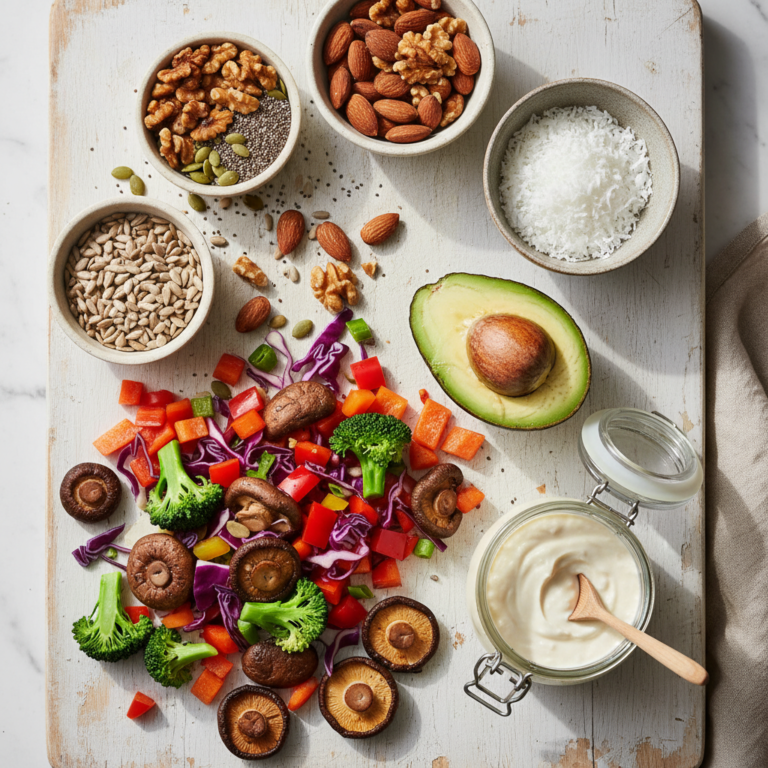
The 3-day system changes how you shop. Instead of buying ingredients for seven different meals, you’re focusing on three cohesive themes. This actually saves money and reduces waste.
For each rotation, create a master shopping list that includes all proteins, vegetables, and seasonings. I keep these lists on my phone and can shop for any rotation in about 30 minutes. The focused approach means fewer impulse purchases and less time wandering the aisles.
Buy proteins in bulk when they’re on sale, then freeze portions sized for each rotation. This way, you always have options available and can choose your rotation based on what sounds appealing rather than what’s defrosting in your fridge.
Fresh herbs and vegetables should be purchased 1-2 days before prep day for optimal freshness. However, hardy vegetables like Brussels sprouts, cauliflower, and broccoli can be bought earlier in the week.
If you’re working within a tight budget, check out my guide on Budget Keto-Paleo Shopping: Eat Well Under $75 Weekly for strategies that work perfectly with this rotation system.
Prep Day Logistics That Actually Work
The key to successful keto-paleo meal prep isn’t just what you cook – it’s how you organize the cooking process. After months of trial and error, I’ve found a system that minimizes active time while maximizing results.
Start with your longest-cooking items first. Proteins that need 45+ minutes in the oven should go in while you’re still energized and focused. This usually means starting with whole chickens, pork tenderloins, or large cuts of beef.
While proteins cook, prep your vegetables. Wash, chop, and season everything you’ll need. This is also when I prepare any marinades or sauces for the next rotation – a small time investment that pays huge dividends later.
Use every cooking method available: oven, stovetop, and even a slow cooker if you have one. The goal is to have multiple items cooking simultaneously without creating chaos in your kitchen.
For containers, invest in good glass storage. Plastic can absorb flavors and make everything taste the same after a few days. Glass keeps flavors separate and reheats more evenly. I learned this lesson after wondering why my Mediterranean rotation started tasting like my Asian rotation by day three.
The 90-Minute Prep Timeline
Minutes 1-15: Preheat oven, take proteins out to come to room temperature, gather all ingredients and tools.
Minutes 16-30: Season and start cooking your longest-cooking proteins (typically in the oven).
Minutes 31-60: Prep all vegetables, start cooking medium-cooking items, prepare any sauces or marinades.
Minutes 61-75: Cook quick-cooking proteins and vegetables, finish any stovetop items.
Minutes 76-90: Package everything, label containers, clean up, and prepare marinades for the next rotation.
This timeline is flexible – some rotations might take slightly longer, others shorter. The important thing is maintaining the flow and not trying to do everything at once.
Avoiding Common Rotation Pitfalls
Even with a solid system, there are mistakes I made early on that you can avoid. The biggest one was not accounting for different reheating requirements across rotations.
Some proteins reheat beautifully – chicken thighs, beef strips, and ground meats actually improve with time. Others, like shrimp and fish, need gentle reheating or they become rubbery. Package these separately and add them to reheated vegetables just before serving.
Another common mistake is not varying textures within rotations. If everything is roasted, meals become monotonous even with different flavors. Include at least one fresh element (like salads) and one different cooking method (like stir-frying) in each rotation.
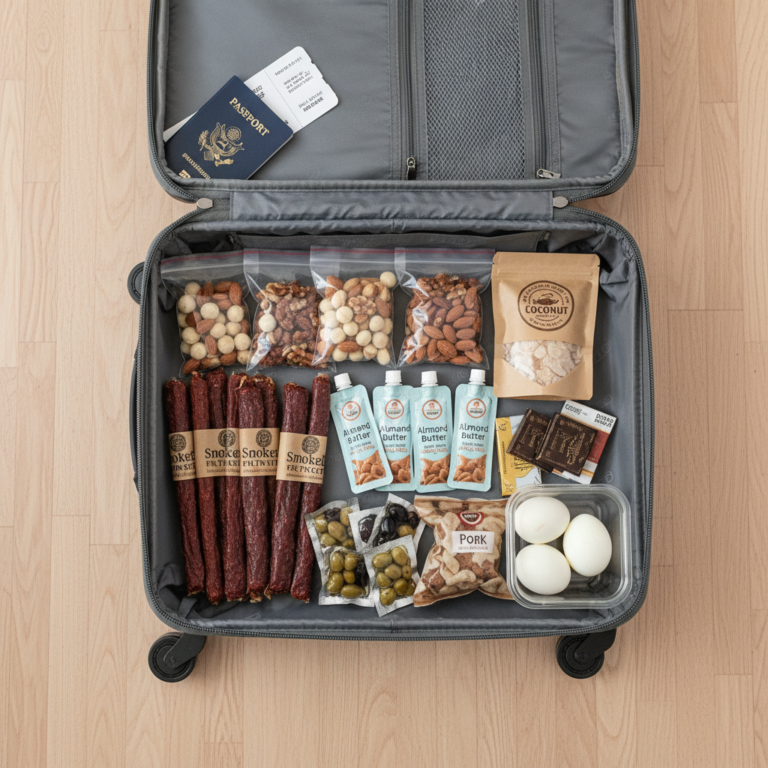
Don’t forget about emergency backups. Keep some Keto Travel Snacks on hand for those days when life throws you a curveball and you can’t get to your prepped meals.
Also, remember that this system works best when you’re flexible. If you’re craving something from Rotation B but you’re technically on Rotation A, switch it up! The system serves you, not the other way around.
Making It Work for Your Lifestyle
The beauty of the 3-day rotation is its adaptability. If you’re frequently traveling for work, check out my strategies in the Keto Travel Snacks post for portable options that complement this system.
For those dealing with social eating situations, the rotation system actually makes it easier to navigate gatherings. You can read more about this in my guide to Social Eating Wins: Keto-Paleo at Gatherings Without Drama.
If you’re struggling with energy levels or sleep, consider how your meal timing affects your rest. Some proteins and preparations work better for dinner than others. My post on Keto-Paleo Sleep: Foods That Fix Your Rest Naturally provides insights that pair perfectly with this meal prep approach.
The system also works well if you’re working through plateaus or metabolic challenges. The variety prevents your body from adapting to one eating pattern, which can help with continued progress. For more on this, check out my guide on Keto-Paleo Plateau Breakers: 7 Real Reset Strategies.
Expanding Your Rotation Options
Once you’ve mastered the basic three rotations, you can start developing variations. Maybe you create a “Mexican-Inspired” rotation with cumin, lime, and chili peppers. Or a “French Country” rotation featuring herbs de Provence and rich, slow-cooked proteins.
The framework stays the same: three proteins, three vegetable preparations, and cohesive flavoring. But the combinations are endless. I now have about six different rotations I cycle through, keeping detailed notes on prep times and storage tips for each.
You can also create seasonal variations. Summer rotations might focus on grilled proteins and fresh salads, while winter rotations emphasize braised meats and roasted root vegetables (the keto-paleo approved ones, of course).
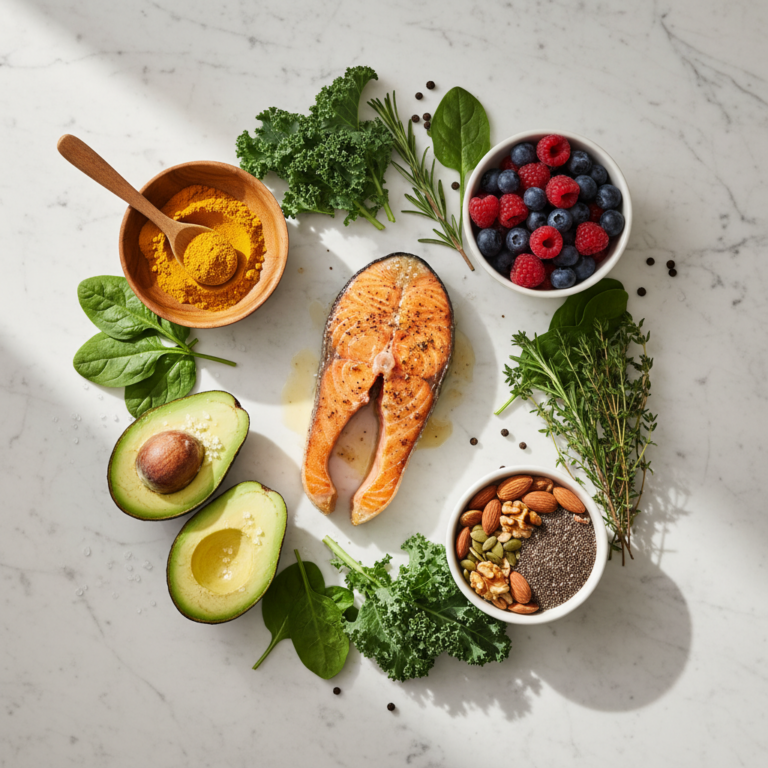
For those interested in the anti-inflammatory benefits of this way of eating, many rotation ingredients naturally support this goal. You can learn more in my comprehensive guide to Keto-Paleo Anti-Inflammatory Meal Planning Made Simple.
Your Next Steps to Rotation Success
Here’s how to implement your first keto-paleo meal prep rotation this week: Choose one rotation that appeals to you most – maybe the Mediterranean if you love simple, clean flavors, or the Asian-inspired if you’re craving something bright and fresh.
Make your shopping list and buy only what you need for those three days. This focused approach reduces overwhelm and increases your chances of success. Plan your 90-minute prep session for a time when you won’t be rushed or interrupted.
After completing your first rotation, take notes. What worked well? What would you change? How did the food hold up over the three days? These insights will help you refine the system for your preferences and schedule.
Most importantly, give yourself permission to adapt. If a protein doesn’t reheat well, try cooking it fresh on day two. If you get tired of a vegetable combination, swap in something else. The system should make your life easier, not create additional stress.
Remember, the goal isn’t perfection – it’s progress. Even if your first rotation isn’t flawless, you’re building skills and habits that will serve you long-term. The 3-day system has transformed how I approach meal preparation, and I believe it can do the same for you.
Ready to break free from boring meal prep? Start with one rotation this week. Your future self – and your taste buds – will thank you.