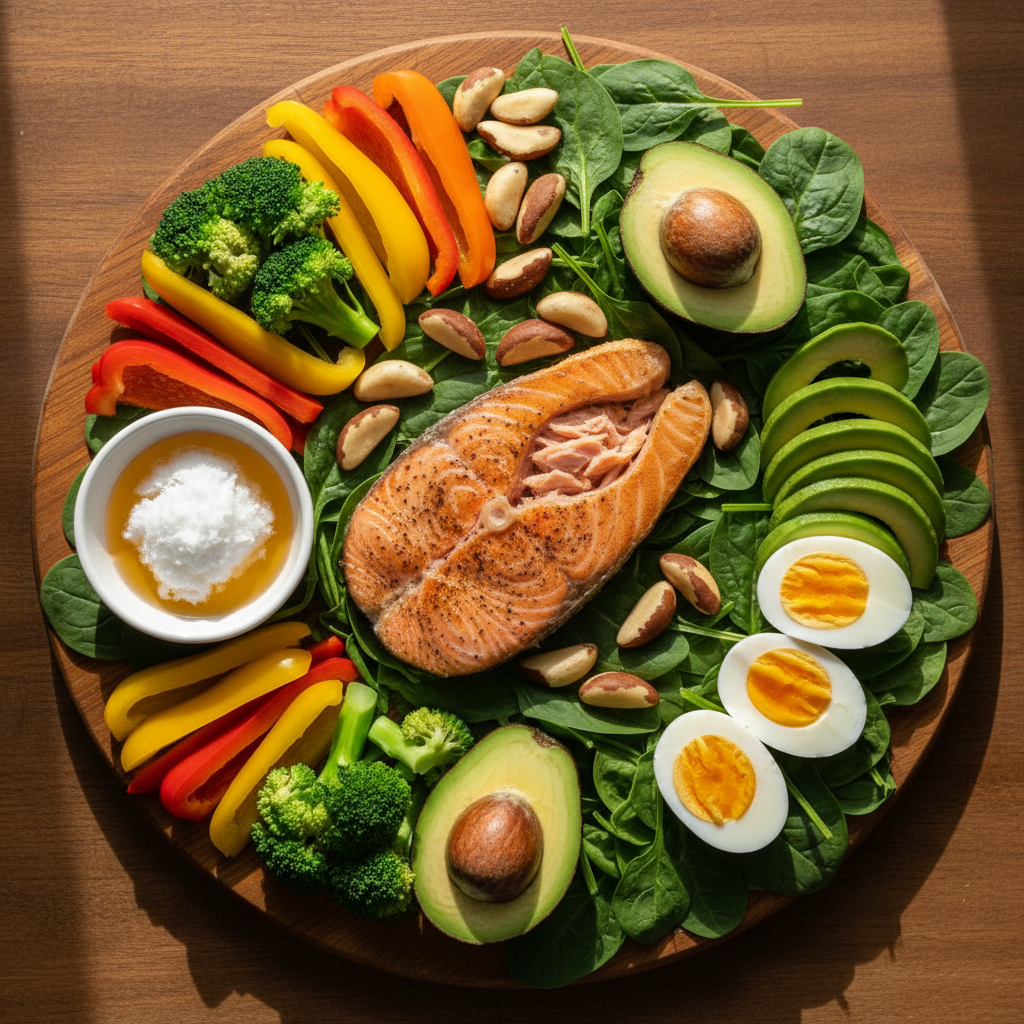
Keto-Paleo Hormone Balance: Natural Food Solutions
Are you struggling to maintain hormone balance while following your keto-paleo lifestyle? You’re not alone. Many health-conscious individuals discover that achieving optimal hormonal health requires more than just eliminating processed foods and carbs. The key lies in understanding how specific nutrient-dense foods can naturally support your endocrine system while keeping you aligned with your dietary goals.
Your hormones orchestrate everything from energy levels to sleep quality, metabolism to mood stability. When cortisol spikes from chronic stress, insulin resistance develops from poor food choices, or thyroid function slows due to nutrient deficiencies, your entire well-being suffers. Fortunately, strategic food selections within your keto-paleo framework can provide powerful support for hormonal optimization.
Understanding Hormone Balance in Keto-Paleo Living
Hormonal health depends on a delicate interplay between multiple systems in your body. Your adrenal glands produce cortisol to manage stress responses. Your pancreas releases insulin to regulate blood sugar. Meanwhile, your thyroid controls metabolism through T3 and T4 hormones.
Traditional keto and paleo approaches sometimes overlook the specific nutritional needs for hormonal support. However, when you combine these frameworks thoughtfully, you create an ideal environment for endocrine optimization.
The beauty of this approach lies in its simplicity. Instead of relying on synthetic supplements or complicated protocols, you can harness the power of whole foods that naturally contain the precursors, cofactors, and nutrients your hormones need to function optimally.
Cortisol-Supporting Foods for Stress Management
Chronic stress wreaks havoc on your hormone balance, particularly through elevated cortisol levels. Fortunately, several keto-paleo approved foods can help regulate your stress response naturally.
Adaptogenic-rich options include wild-caught salmon, which provides omega-3 fatty acids that reduce inflammatory responses to stress. Grass-fed organ meats supply B-vitamins essential for adrenal function. Avocados offer potassium and healthy fats that support cortisol regulation.
Additionally, incorporating fermented vegetables provides beneficial bacteria that communicate directly with your stress-response system through the gut-brain axis. As discussed in our Ferments and Flavor guide, these foods offer dual benefits for digestive and hormonal health.
Magnesium-rich choices like leafy greens, pumpkin seeds, and dark chocolate (85% cacao or higher) help calm your nervous system. These foods naturally lower cortisol while providing essential nutrients for overall wellbeing.
Insulin-Stabilizing Nutrients Within Your Framework
Maintaining stable blood sugar is crucial for hormone balance, especially when following a lower-carb lifestyle. The right food choices can enhance insulin sensitivity while providing sustained energy.
Chromium and fiber sources play vital roles in glucose metabolism. Broccoli, asparagus, and Brussels sprouts contain chromium that improves insulin function. These vegetables also provide fiber that slows glucose absorption and feeds beneficial gut bacteria.
Cinnamon deserves special mention for its insulin-sensitizing properties. Adding Ceylon cinnamon to your morning coffee or evening herbal tea can significantly improve glucose tolerance over time.
Healthy fats for stability include coconut oil, which provides medium-chain triglycerides that bypass normal glucose metabolism. Olive oil contains polyphenols that protect against insulin resistance. Nuts and seeds offer protein-fat combinations that prevent blood sugar spikes.
For practical meal planning that supports insulin stability, check out our Plate-First Keto-Paleo approach, which emphasizes balanced macronutrient ratios at every meal.
Thyroid-Supporting Micronutrients and Foods
Your thyroid requires specific nutrients to produce hormones effectively. Deficiencies in key micronutrients can slow metabolism and affect energy levels significantly.
Iodine and selenium sources are particularly important for thyroid function. Sea vegetables like nori and kelp provide natural iodine when consumed in moderation. Brazil nuts offer selenium, though just 2-3 nuts daily provides your entire requirement.
Wild-caught seafood supplies both iodine and selenium, along with omega-3 fats that reduce thyroid inflammation. Sardines, mackerel, and cod are excellent choices that fit perfectly within your dietary framework.
Zinc and tyrosine considerations include grass-fed beef and pasture-raised poultry, which provide zinc essential for hormone conversion. These proteins also contain tyrosine, an amino acid precursor to thyroid hormones.
Avoiding goitrogenic foods in excess becomes important for thyroid health. While cruciferous vegetables offer many benefits, consuming them cooked rather than raw reduces their potential thyroid-suppressing effects.
Strategic Meal Timing for Hormonal Optimization
When you eat can be just as important as what you eat for hormone balance. Circadian rhythms influence hormone production throughout the day.
Morning nutrition priorities should focus on protein and healthy fats to support stable cortisol awakening response. A breakfast featuring eggs, avocado, and sautéed spinach provides sustained energy without blood sugar spikes.
Avoiding late-night eating helps maintain healthy melatonin production and growth hormone release during sleep. Your last meal should occur at least 3 hours before bedtime.
Intermittent fasting alignment can support hormone balance when implemented correctly. However, women may need different approaches than men, particularly regarding cortisol and reproductive hormones.
For busy schedules, our Athlete-Approved Batch Cooking strategies can help you maintain consistent meal timing while supporting your hormonal health goals.
Building Your Hormone-Supporting Meal Plan
Creating sustainable meal plans that support hormone balance requires strategic thinking about nutrient density and food combinations.
Weekly planning essentials include rotating protein sources to ensure adequate amino acid profiles. Varying vegetable choices guarantees diverse micronutrient intake. Including different healthy fats provides various fatty acid types for optimal hormone production.
Focus on whole foods that provide multiple hormonal benefits simultaneously. For example, wild salmon offers omega-3s for cortisol regulation, protein for stable blood sugar, and selenium for thyroid health.
Preparation strategies make hormone-supporting nutrition more accessible. Washing and chopping vegetables ahead of time removes barriers to including nutrient-dense options. Cooking proteins in batches ensures you always have hormone-supporting options available.
Remember that consistency matters more than perfection. Small, sustainable changes in food choices can create significant improvements in hormonal health over time.
Conclusion: Your Path to Hormonal Wellness
Achieving hormone balance through your keto-paleo lifestyle doesn’t require complicated protocols or expensive supplements. By focusing on nutrient-dense whole foods that naturally support cortisol regulation, insulin sensitivity, and thyroid function, you can optimize your endocrine health while maintaining your dietary preferences.
Start by incorporating one or two hormone-supporting foods into your daily routine. Whether it’s adding Brazil nuts for selenium, including more wild-caught fish for omega-3s, or timing your meals for better circadian rhythm support, small changes compound into significant health improvements.
Your journey toward optimal hormonal health is unique to you. Pay attention to how different foods affect your energy, mood, and sleep quality. This awareness will guide you toward the specific combinations that best support your individual hormone balance needs.