Texture Troubleshooting: Fix Mushy Keto-Paleo Meals
If you’ve been cooking keto-paleo for any length of time, you already know the heartbreak. You follow the recipe, you do everything right – and then your keto texture fixes are needed before dinner even hits the table. The cauliflower rice looks like paste. The zucchini noodles have turned into sad, soggy ribbons. The almond flour bread could double as a doorstop. Sound familiar? You’re absolutely not alone, and honestly, I’ve been there more times than I care to admit.
The good news? These texture disasters are almost always fixable – and usually preventable. Let’s walk through the most common culprits together and talk about what actually works in a real, everyday kitchen.
Why Keto-Paleo Texture Fixes Matter So Much
Texture is one of the biggest reasons people give up on keto-paleo cooking. The food might taste fine, but if it feels like baby food, your brain isn’t satisfied. We eat with our eyes and our mouths, not just our taste buds.
When you swap traditional ingredients for keto-paleo alternatives – cauliflower for rice, zucchini for pasta, almond flour for wheat – the water content, fat composition, and fiber structure are completely different. That means cooking them the same way as their conventional counterparts is a recipe for disaster.
Understanding why these ingredients behave the way they do is the first step toward fixing them. So let’s dig in.
The Cauliflower Rice Mush Problem
Cauliflower rice is one of the most beloved keto-paleo staples – and one of the most commonly ruined. The culprit is almost always moisture.
Cauliflower is made up of about 92% water. When you heat it, that water has to go somewhere. If it doesn’t escape the pan, it steams the cauliflower from the inside and turns it to mush.
The Fix: Dry Heat and Don’t Crowd the Pan
Here’s what consistently works for me. After ricing your cauliflower, spread it on a clean kitchen towel and squeeze out as much moisture as you can. Really commit to this step – it makes a huge difference.
Then cook it in a wide skillet over medium-high heat with a generous amount of fat. Don’t cover the pan. Don’t stir constantly. Let it sit for a minute or two so the bottom gets a little color before you toss it. And please – cook it in batches if you have a lot. Crowding the pan traps steam and leads directly to mush.
For more foundational techniques like this, check out our Keto-Paleo Substitution Lab – it’s full of practical swaps that actually hold up.
Saving Zucchini Noodles From Going Limp
Zucchini noodles – or zoodles – have the same water problem as cauliflower, but they have the added challenge of being cut thin. More surface area means moisture escapes faster and the texture collapses quickly.
The Fix: Salt, Wait, and Pat Dry
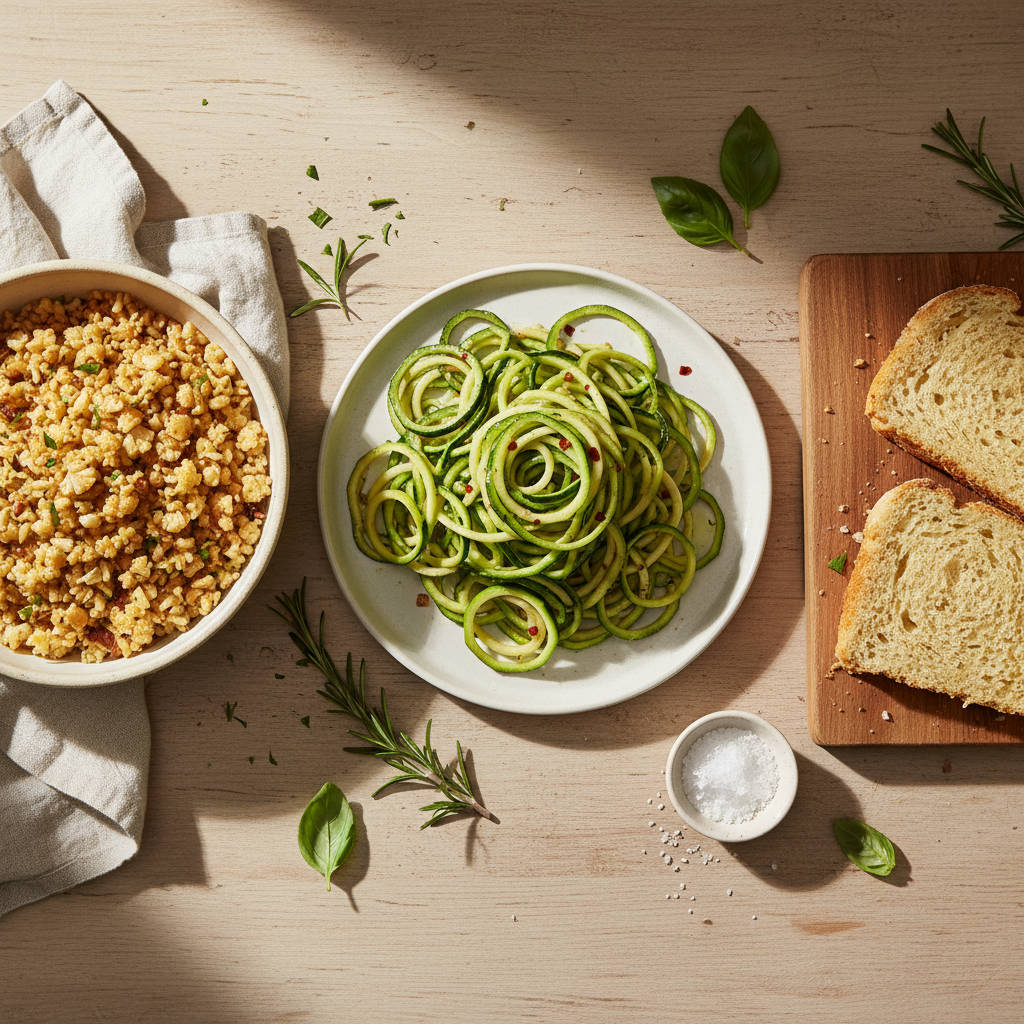
Toss your spiralized zucchini with a generous pinch of salt and let it sit in a colander for at least 15 minutes. The salt draws the moisture out through osmosis. After that rest, pat the noodles completely dry with paper towels. You’ll be amazed how much liquid comes out.
When it’s time to cook, use the same approach as cauliflower rice – high heat, wide pan, don’t crowd. Cook the zoodles for no more than 2-3 minutes. They don’t need long. And here’s a tip that changed my life: add your sauce to the plate first, then pile the zoodles on top. That way the noodles don’t continue soaking up liquid while they sit.
If you’re building a full dinner around zoodles, our 5-Ingredient, 15-Minute Keto-Paleo Dinners for Busy Weeknights has some brilliant quick-assembly ideas that keep textures intact.
Dense and Gummy Keto Bread Fixes
Keto bread is its own category of heartbreak. You pull it out of the oven and it looks beautiful. Then you slice it and the inside is dense, gummy, and wet – almost like it never fully baked through.
This one usually comes down to three things: too much liquid, eggs that weren’t beaten properly, or underbaking.
The Fix: Temperature, Eggs, and Patience
First, make sure your eggs are at room temperature before you start. Cold eggs don’t incorporate as well into almond or coconut flour batters, and the result is an uneven, dense loaf.
Second, beat your eggs really well – until they’re pale and slightly fluffy. This adds air and helps the bread rise and set properly.
Third – and this is the one most people skip – let the bread cool completely before slicing. I mean it. The interior of keto bread continues to set as it cools. Cut it too soon and the steam makes it gummy even if it was baked through perfectly.
Also, trust your thermometer over your timer. The internal temperature of a properly baked keto loaf should reach about 200°F (93°C).
Roasted Vegetables That Turn to Mush
You wanted beautiful, caramelized roasted veggies. Instead, you got a steamy pile of soft, pale disappointment. This is one of the most common keto texture fixes I get asked about.
The Fix: High Heat and Dry Vegetables
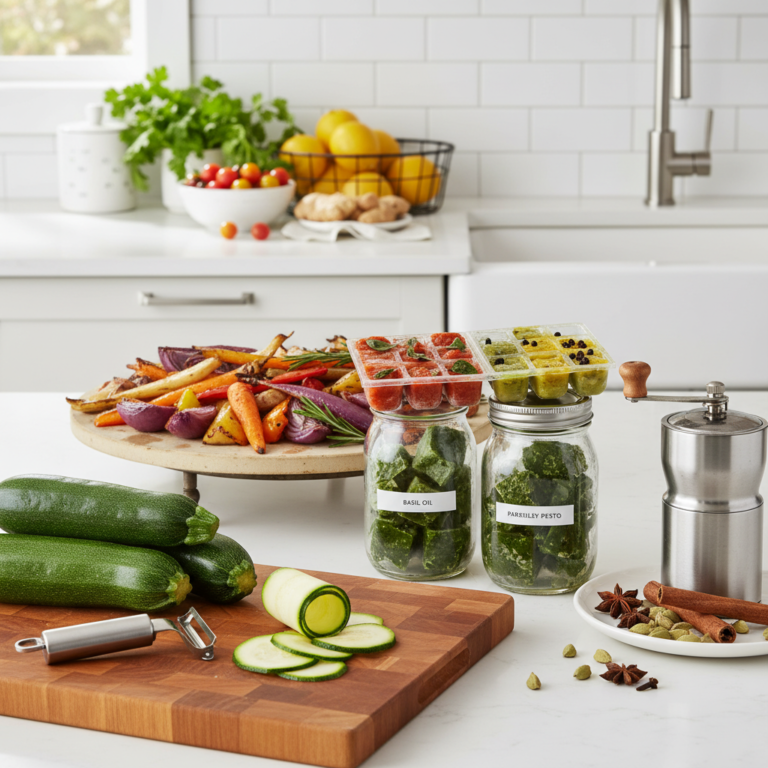
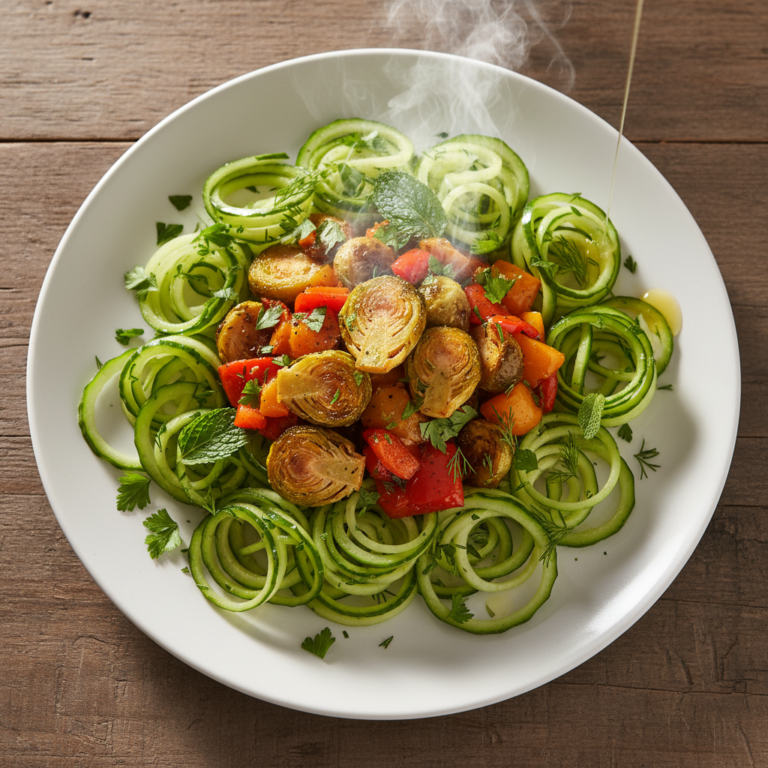
The rules here are simple but non-negotiable. Dry your vegetables completely before roasting – any surface moisture will steam instead of roast. Toss them lightly in fat, not drowning in it. Spread them in a single layer with space between each piece. And use a hot oven – at least 425°F (220°C).
Parchment paper helps with sticking, but it can also trap moisture. If you’re fighting mushiness, try roasting directly on a metal sheet pan instead. Metal conducts heat better and helps those edges crisp up.
If you’re doing big batch cooking sessions, this approach is especially important. Our Athlete-Approved Batch Cooking guide covers exactly how to prep and roast large quantities without ending up with a soggy mess.
The Coconut Flour Gumminess Trap
Coconut flour is incredibly thirsty. It absorbs liquid at a rate that can completely throw off a recipe if you’re not careful. Too much coconut flour in a recipe – or substituting it 1:1 for almond flour – leads to a gummy, dense result every time.
The Fix: Use Less and Add More Eggs
As a general rule, coconut flour needs about 1 egg per tablespoon of flour to properly bind and rise. That sounds like a lot, but it’s necessary. If a recipe feels too thick, don’t add more liquid – try adding another egg instead. The protein in the egg helps structure form without adding excess moisture that leads to gumminess.
And remember: you can never substitute coconut flour for almond flour at a 1:1 ratio. Use about ¼ the amount of coconut flour for every cup of almond flour called for.
Quick Reference: Common Keto Texture Problems and Solutions
Let’s pull this all together into a practical cheat sheet you can come back to whenever disaster strikes.
- Mushy cauliflower rice: Squeeze out moisture before cooking. Use high heat. Don’t crowd the pan.
- Limp zucchini noodles: Salt and drain for 15 minutes. Pat completely dry. Cook on high heat for 2-3 minutes max.
- Dense keto bread: Room temperature eggs. Beat well. Don’t slice until fully cooled.
- Soggy roasted vegetables: Completely dry before roasting. Space them out. Use 425°F or higher.
- Gummy coconut flour baked goods: Use less flour. Add more eggs. Never sub 1:1 for almond flour.
Building Better Texture Into Your Whole Routine
The best keto texture fixes aren’t just reactive – they’re preventive. Once you understand how moisture, heat, and fat interact with these ingredients, you start making better decisions before anything goes wrong.
A lot of texture problems also show up when meals have been prepped ahead and reheated. If that’s something you’re working with regularly, our 30-Minute Batch-Cook Blueprint shares smart storage and reheating strategies that keep textures from degrading overnight.
And if you’re still building your keto-paleo kitchen confidence in general, the Flavor Builders post is a great companion to this one – because once you’ve got texture handled, layering in bold flavors is where the real fun begins.
You’ve got this. Every soggy zoodle and brick-like loaf is just information – it’s teaching you something about your ingredients, your pan, your oven. Keep going. The good meals are right around the corner, and honestly, the troubleshooting is half the adventure.