Fix Your Keto-Paleo Grocery Cart: Smart Substitution Guide
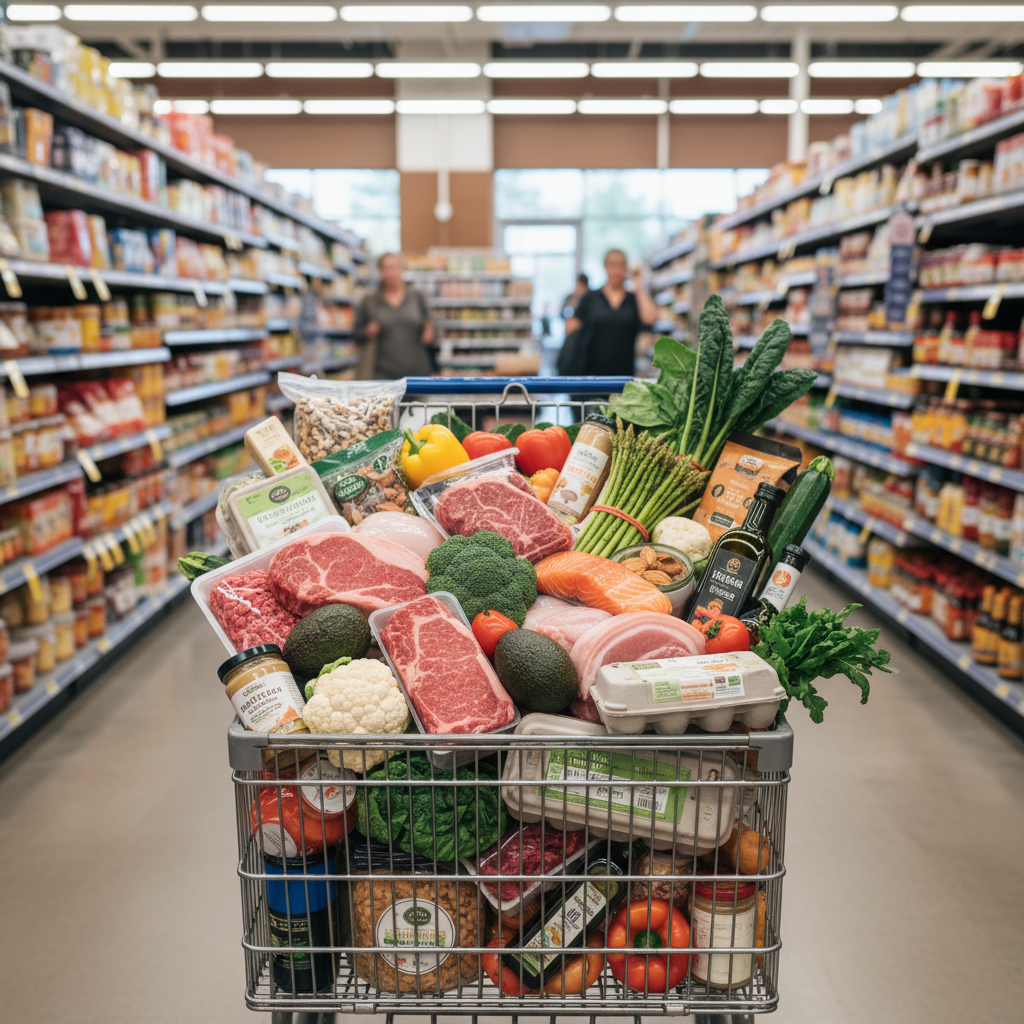
You know that sinking feeling when you walk into the grocery store with your keto-paleo list, only to find your go-to ground beef is $8 a pound or completely sold out? I’ve been there more times than I can count. That’s when smart substitutions become your lifeline.
The key to never leaving the store empty-handed isn’t having endless backup options memorized. Instead, it’s understanding the principles behind what makes a good keto-paleo substitution work. Once you get the hang of it, you’ll navigate those grocery aisles like a pro, even when nothing goes according to plan.
The Foundation of Smart Keto-Paleo Substitutions
Before we dive into specific swaps, let’s talk about what makes a substitution actually work for our way of eating. You need three things: similar macros, compatible ingredients, and realistic cooking methods.
Similar macros means you’re not accidentally swapping a high-protein food for a high-fat one when your meal planning depends on that protein. Compatible ingredients means staying within both keto and paleo guidelines – no sneaky grains or legumes. Realistic cooking methods means you can actually use this substitute in the same way as your original ingredient.
I learned this the hard way when I once tried to substitute cauliflower rice for regular rice in a stir-fry, then wondered why everything turned mushy. The cooking method wasn’t compatible, even though the macros worked.
Understanding Your Grocery Store Layout
Most of us shop the same sections repeatedly, but crisis substitution shopping requires expanding your territory. The meat department might be picked over, but the seafood counter could have perfect alternatives. The organic section might be overpriced, but the conventional produce could work just fine for your needs.
I’ve found that understanding where different protein sources live in your store makes all the difference. Don’t just know where the chicken thighs are – know where the canned fish, frozen seafood, and deli counter are too.
Protein Swaps That Actually Work for Keto-Paleo
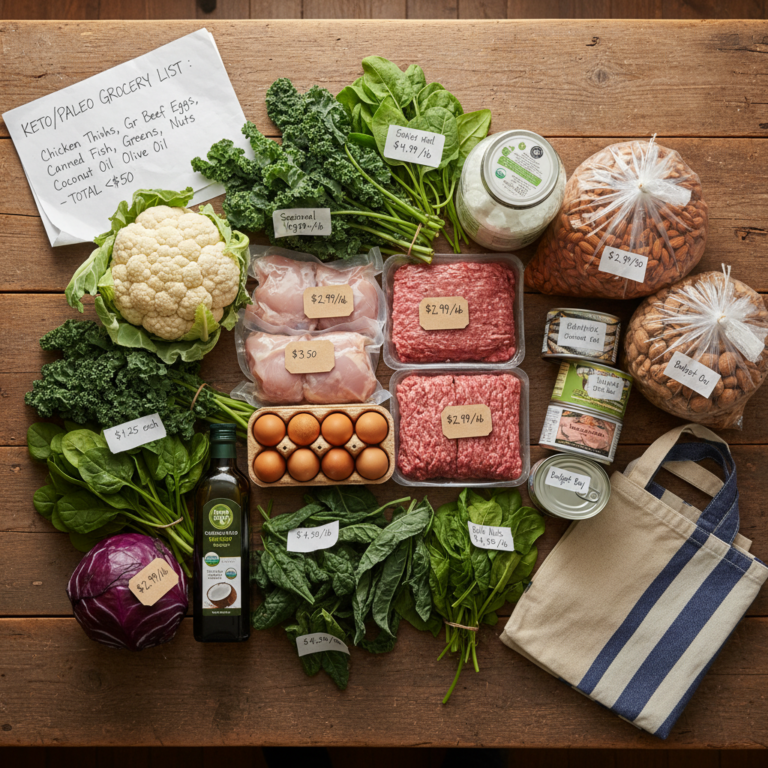
Protein is usually where grocery store disappointments hit hardest. Your planned chicken thighs are $6 a pound, or there’s literally no ground beef left. Here’s what I’ve learned about protein substitutions that won’t derail your meals.
When ground beef isn’t available or affordable, ground turkey works in most recipes. However, since turkey is leaner, add extra fat during cooking. I usually throw in an extra tablespoon of olive oil or coconut oil. Ground pork is another fantastic substitute that’s often cheaper and has better fat content.
For whole cuts of meat, this is where flexibility really pays off. If chicken thighs are expensive, check if whole chickens are on sale – you can break them down yourself. If beef is out of reach, pork shoulder or pork chops often deliver similar satisfaction at a lower price point.
Seafood as Your Secret Weapon
Don’t overlook the seafood section when your usual proteins fail you. Canned fish might not be exciting, but it’s consistent, affordable, and shelf-stable. Sardines, mackerel, and wild-caught salmon are nutritional powerhouses that work in salads, with eggs, or mixed into anti-inflammatory keto-paleo foods.
Frozen seafood is often your best bet for both price and availability. Frozen shrimp, salmon fillets, and white fish stay consistent in price and quality. Plus, they’re perfect for those nights when you need something quick after realizing your meal prep didn’t happen.
Fat Source Flexibility Without Compromise
Fat sources can be tricky because they really impact the flavor of your meals. But there are some reliable patterns for keto-paleo substitutions that work across different cooking methods.
When olive oil is overpriced, avocado oil often provides similar cooking properties at a better price point. For high-heat cooking, both work interchangeably. When you need coconut oil but it’s not available, grass-fed butter (if you do dairy) or even beef tallow can work for many applications.
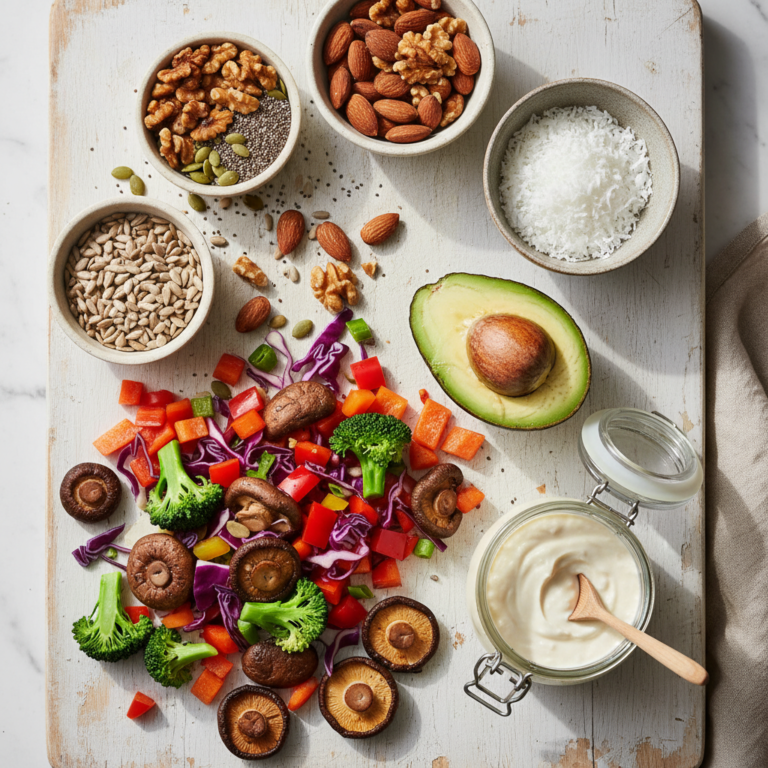
Nuts and seeds follow their own substitution logic. If almonds are expensive, sunflower seeds often provide similar crunch and fat content at a fraction of the price. Walnuts can substitute for pecans in most recipes, and pumpkin seeds work where you might normally use pine nuts.
The Avocado Alternative Reality
Let’s be real – sometimes avocados are $2 each or they’re all rock-hard. For immediate fat needs, olives provide similar satiety. For meal prep applications, canned coconut milk (the thick kind) can add creaminess where you’d normally rely on avocado.
I’ve also learned that avocado oil can sometimes deliver that rich mouthfeel you’re craving when actual avocados aren’t cooperating. It’s not the same, but it fills the gap.
Vegetable Substitutions That Don’t Ruin Your Meal
Vegetable substitutions require thinking about both nutrition and cooking properties. Broccoli and cauliflower are often interchangeable, but their cooking times differ. Brussels sprouts can substitute for cabbage in slaws, but not in soups.
When leafy greens are expensive or wilted, remember that frozen spinach often costs less and works perfectly in cooked dishes. You lose the fresh salad option, but gain convenience and consistency.
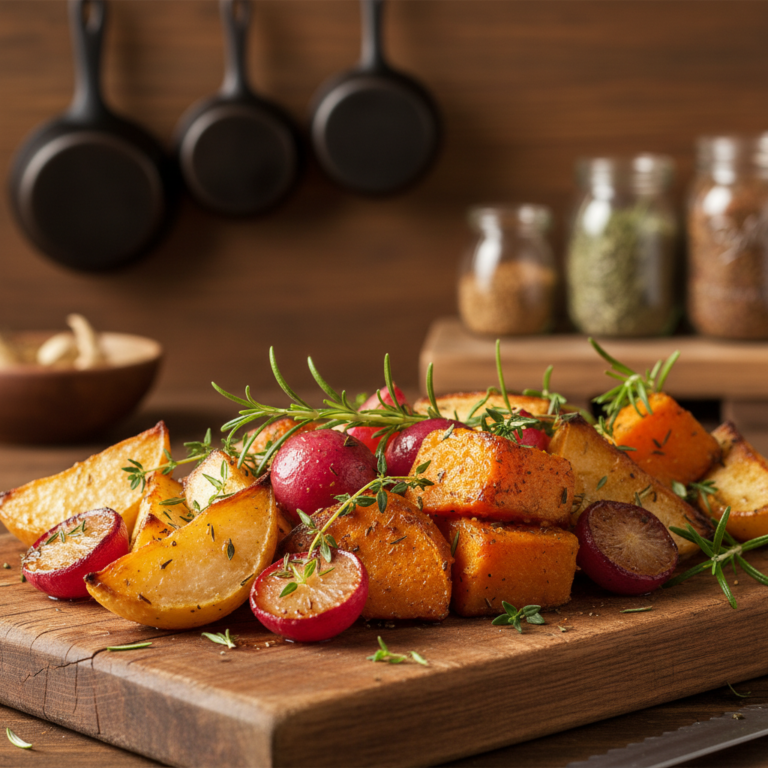
Root vegetables follow their own rules. Sweet potatoes can substitute for regular potatoes in most paleo contexts, but they’re higher in carbs for keto. Turnips and radishes can provide similar textures to potatoes with fewer carbs, though the flavor profile changes.
The Zucchini Principle
Zucchini has become the ultimate flexible vegetable in keto-paleo cooking. When you can’t find zucchini, yellow squash works identically. Cucumber can substitute in raw applications. Even cabbage can work for some cooked applications where you need bulk and mild flavor.
This kind of thinking – understanding what role a vegetable plays in your dish – makes substitution much easier than memorizing lists of swaps.
Emergency Pantry Items for Better Keto-Paleo Substitutions
Some ingredients are worth keeping stocked because they solve multiple substitution problems. Canned coconut milk solves creamy sauce issues when you can’t find heavy cream. Coconut flour can substitute for almond flour in many baking applications, though you’ll need less of it.
Canned fish provides protein backup when fresh options fail. Frozen vegetables ensure you always have something green available. These aren’t exciting purchases, but they prevent those moments when you can’t make any of your planned meals work.
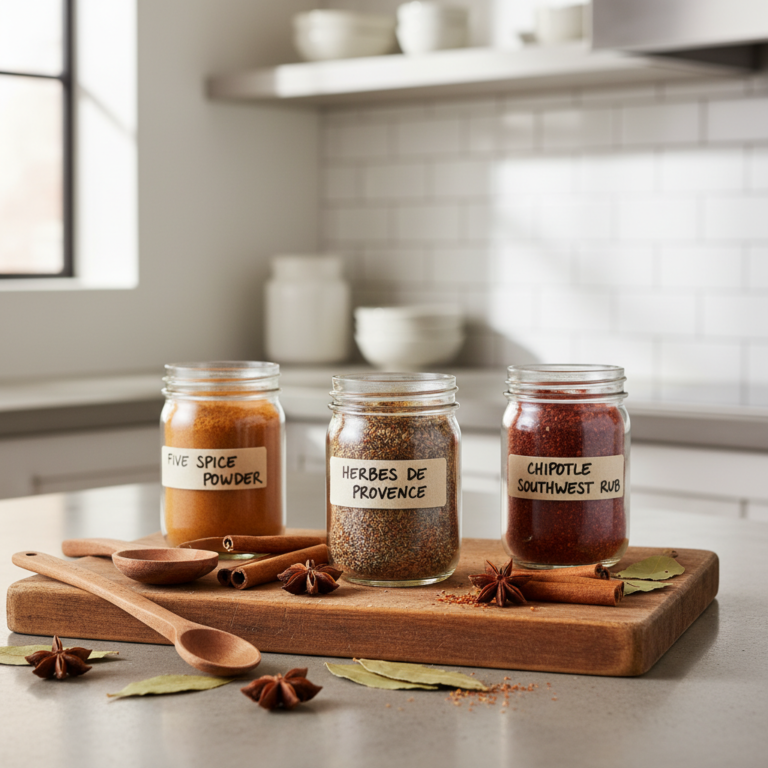
Having a few reliable spice blends also helps when substitutions change the flavor profile of your meals. Everything bagel seasoning, curry powder, and Italian seasoning can make unfamiliar ingredients taste more familiar.
Building Your Mental Substitution Database
The goal isn’t to memorize every possible swap, but to develop pattern recognition. Fatty fish can generally substitute for other fatty fish. Lean proteins need added fats. Cruciferous vegetables often work interchangeably if you adjust cooking times.
I started keeping a small note in my phone of substitutions that worked well, and which ones didn’t. After a few months, I rarely needed to check it because the patterns became automatic.
Seasonal Thinking for Consistent Keto-Paleo Success
Understanding seasonal availability helps you anticipate when substitutions will be necessary. Summer squash is cheap in summer but expensive in winter – that’s when frozen vegetables or stored root vegetables make more sense.
Similarly, certain cuts of meat go on sale predictably. Ground turkey is often cheapest around Thanksgiving. Pork tends to be cheaper in winter months. Building awareness of these patterns helps you plan substitutions before you need them.
This connects to the broader strategy of flexible meal planning that I discussed in my post about weekend warrior keto-paleo meal prep. The goal is having systems that bend without breaking.
Regional Differences in Substitution Strategy
Your location affects which substitutions work best. Coastal areas might have better seafood options when meat prices spike. Agricultural regions might have more variety in seasonal produce. Understanding your local food landscape makes substitution planning more effective.
I’ve learned to pay attention to what grows locally and when. Those foods tend to be both cheaper and fresher during their season, making them ideal substitution targets.
Making Substitutions Work in Your Existing Meal Plans
The best substitutions integrate seamlessly into meals you already know how to make. If your anti-inflammatory meal planning calls for salmon, and salmon is $15 a pound, sardines might not work in the same recipe – but mackerel probably will.
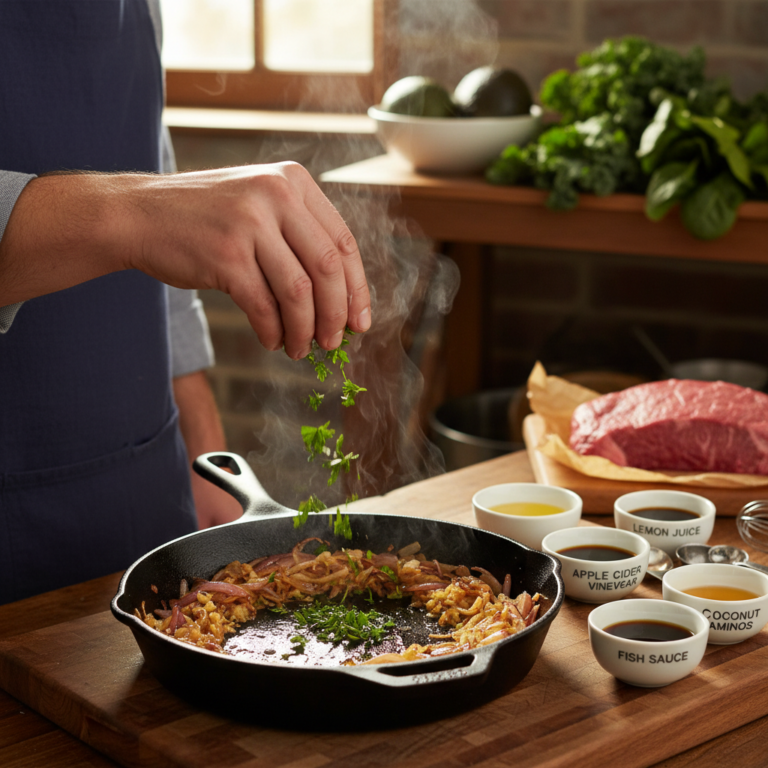
This is where understanding cooking methods becomes crucial. Roasted chicken thighs can be substituted with roasted pork chops using the same timing and temperature. Ground beef in a skillet can become ground turkey with the same seasonings and cooking time.
The key is maintaining the cooking method while changing the ingredient. This keeps your meal timing and preparation routine intact, even when your ingredients change.
Flavor Profile Considerations
Some substitutions work nutritionally but change the flavor significantly. That’s not necessarily bad, but it helps to know what you’re getting into. Lamb has a stronger flavor than beef. Duck is richer than chicken. These aren’t better or worse, just different.
When flavor changes are dramatic, I adjust seasonings accordingly. Milder proteins might need more aggressive seasoning. Stronger-flavored proteins might need simpler preparations.
Quick Decision-Making in the Store
When you’re standing in the grocery store facing empty shelves or shocking prices, you need a fast decision framework. First, identify what role the missing ingredient plays: protein, fat, or bulk vegetable. Then, look for the closest available option that fills the same role.
Don’t get caught up in finding exact matches. If your meal needs protein and fat, and chicken thighs aren’t available, ground pork might work even better. If you need vegetables for fiber and micronutrients, frozen broccoli can substitute for fresh Brussels sprouts.
The goal is maintaining your eating plan, not recreating exact recipes. This mindset shift makes substitution much less stressful.
Price Point Reality Checks
Sometimes the substitution decision is purely financial. When grass-fed beef is $12 a pound, conventional pork at $3 a pound might be the smart choice. The nutritional difference probably isn’t worth tripling your grocery budget.
I’ve learned to have a mental price threshold for different ingredients. If chicken exceeds $4 a pound, I look at alternatives. If avocados are over $1.50 each, I skip them. Having these thresholds prevents decision paralysis in the store.
Building Confidence with Keto-Paleo Substitutions
The more you practice flexible thinking about ingredients, the easier grocery store substitutions become. Start small – substitute one ingredient in a familiar recipe instead of trying to reinvent entire meals on the fly.
Keep track of what works and what doesn’t. I’ve found that successful substitutions often work again in different contexts, while failed ones teach you about ingredient properties you didn’t understand before.
Remember that perfect substitutions don’t exist. The goal is maintaining your eating pattern and nutritional goals, not recreating exact flavor experiences. Once you accept that substitution meals might taste different but still support your health goals, the pressure decreases significantly.
This flexible approach to grocery shopping has saved my eating plan countless times. It’s also made me a more confident cook overall, since I understand ingredients well enough to work with whatever’s available. Whether you’re dealing with supply issues, budget constraints, or just bad luck with timing, these keto-paleo substitution strategies will keep you eating well without compromising your goals.
The next time your grocery trip doesn’t go as planned, remember that substitution is a skill, not a crisis. With these principles in mind, you’ll leave the store with everything you need to maintain your keto-paleo lifestyle, even when none of it was on your original list.