Temperature Play: Hot & Cold Keto-Paleo Recipe Magic
Have you ever noticed how a scoop of vanilla ice cream on warm apple pie creates something absolutely magical? That same principle of temperature play can transform your keto-paleo meals into incredibly satisfying culinary experiences. I discovered this accidentally last summer when I paired leftover chilled cucumber noodles with freshly grilled chicken – the contrast was so delightful that it completely changed how I think about meal composition.
Today, let’s explore how contrasting hot and cold elements can elevate your keto-paleo cooking. From crispy warm vegetables paired with cool, creamy dips to frozen fat bombs alongside steaming bone broth, these combinations create textural excitement that keeps every bite interesting.
Why Temperature Play Works So Well
Our taste buds respond differently to temperature variations, and this response goes beyond just physical sensation. Hot foods tend to release aromas more intensely, while cold foods often taste more refreshing and clean. When you combine these contrasts in keto-paleo meals, you’re essentially creating layers of sensory experience.
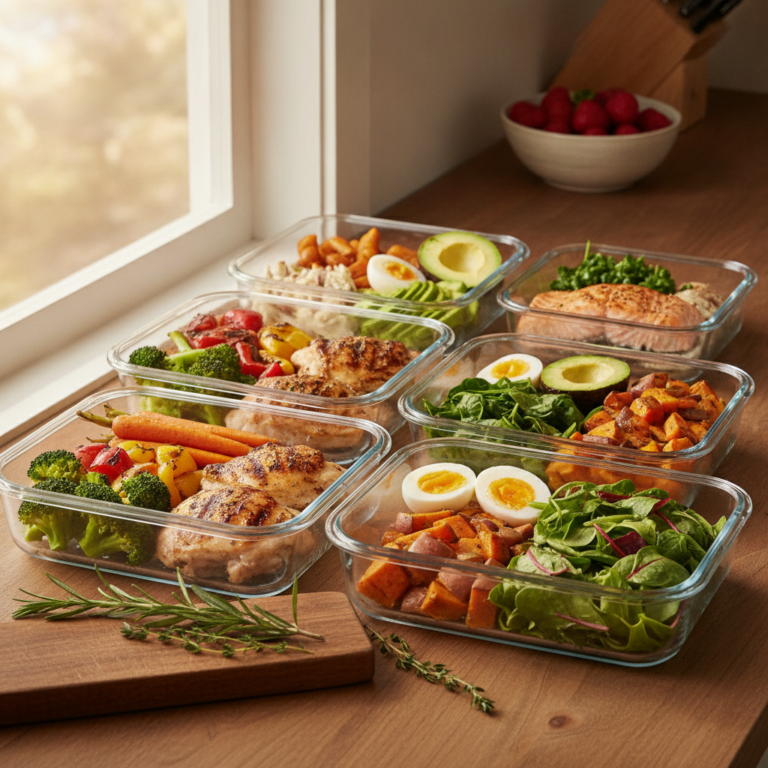
I learned this the hard way after eating the same reheated meal prep for three days straight. By day four, I was ready to throw in the towel completely. That’s when I started experimenting with serving some components hot and others cold – suddenly, my batch cooking became exciting again.
Temperature contrasts also help with satiety. The varied textures and sensations signal fullness more effectively than monotone temperatures. Plus, you’re getting different nutritional benefits – some nutrients are better absorbed when heated, while others remain more intact when served cold.
Hot & Cold Breakfast Combinations
Mornings are perfect for temperature play experimentation. Start with a warm base and add cold elements, or vice versa. Here’s what’s been working in my kitchen:
Warm Coconut Porridge with Frozen Berry Compote: Heat coconut milk with a touch of vanilla and cinnamon until steaming. Serve immediately topped with frozen mixed berries that slowly release their juices as they thaw. The contrast between the creamy warmth and the tart, cold berries is absolutely divine.
Cold Avocado Smoothie Bowl with Hot Bacon Crumbles: Blend frozen avocado with coconut milk and a pinch of sea salt until thick and creamy. Top with freshly cooked, still-warm bacon pieces. The rich, cool base paired with crispy, hot bacon creates an unexpectedly satisfying combination.
These combinations work because they provide both comfort (the warm elements) and refreshment (the cold elements) simultaneously. Moreover, they’re incredibly practical – you can prep the cold components ahead of time and just add the hot elements when you’re ready to eat.
Temperature Play Lunch Ideas
Lunch is where temperature contrasts really shine, especially when you’re looking for something more exciting than your typical salad. These combinations have saved me from countless boring midday meals:
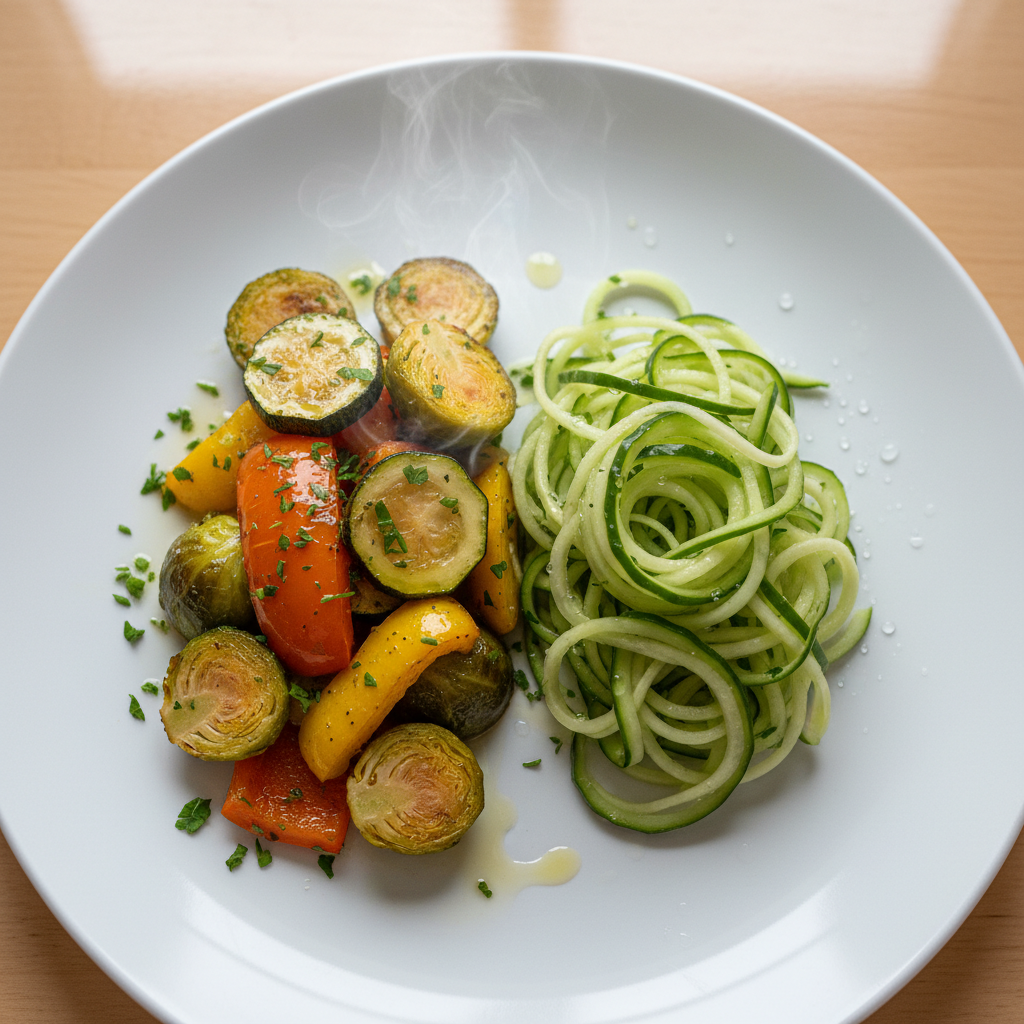
Warm Roasted Vegetable Medley with Chilled Cucumber Noodles: Roast Brussels sprouts, bell peppers, and zucchini with olive oil and herbs until caramelized. Serve over spiralized cucumber that’s been chilled and lightly dressed with lemon and mint. The warm, savory vegetables against the cool, crisp cucumber creates incredible textural interest.
Hot Bone Broth with Cold Avocado Slices: This might sound unusual, but trust me on this one. Sip steaming bone broth while eating chilled avocado slices seasoned with sea salt and lime. It’s like having soup and salad simultaneously, but infinitely more satisfying.
I often use these combinations when I’m following my plate-first approach – they make it easy to get variety in both temperatures and nutrients on one plate.
Dinner Temperature Contrasts That Work
Dinner is where you can really get creative with temperature play. These combinations have become regular features in our household rotation:
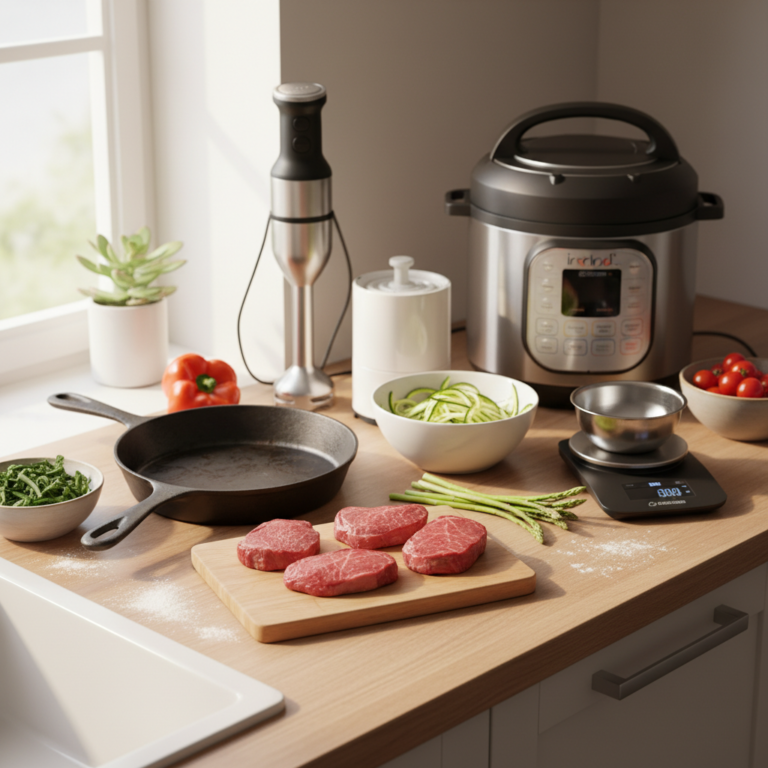
Seared Steak with Cold Cucumber-Herb Salad: Pan-sear your favorite cut of beef until it’s perfectly hot and rested. Meanwhile, prepare a simple salad of thinly sliced cucumber, fresh herbs, and a light vinaigrette that’s been chilled. The hot, rich meat paired with the cool, bright salad balances perfectly.
Hot Cauliflower Mash with Chilled Fermented Vegetables: Serve steaming cauliflower mash (made with coconut milk and grass-fed butter) alongside cold sauerkraut or kimchi. The creamy warmth of the mash contrasts beautifully with the tangy, crunchy fermented vegetables. This combination also supports gut health through the fermented elements.
These dinner combinations work particularly well because they provide both comfort and freshness. After a long day, you want something warming and satisfying, but the cold elements prevent the meal from feeling too heavy.
Sweet Temperature Combinations
Don’t overlook dessert when it comes to temperature play. Some of my most successful experiments have happened in the sweet realm:
Warm Almond Flour Cookies with Cold Coconut Cream: Serve almond flour cookies straight from the oven alongside whipped coconut cream that’s been chilled. The warm, buttery cookies soften slightly when topped with the cold cream, creating a texture that’s almost custard-like.
Hot Herbal Tea with Frozen Fat Bombs: Pair steaming herbal tea (like peppermint or chamomile) with small frozen fat bombs made from coconut oil, almond butter, and a touch of stevia. As you sip the hot tea, the fat bomb slowly melts in your mouth, creating alternating sensations of warmth and coolness.
These sweet combinations satisfy cravings while keeping you within your macros. They also extend the eating experience – you can’t rush through them, which naturally promotes mindful eating.
Practical Tips for Temperature Play Success
After months of experimenting with these combinations, I’ve learned a few tricks that make temperature play more practical:
Timing is everything: Prepare cold components first, then focus on hot elements just before serving. Cold foods can wait, but hot foods lose their impact quickly.
Temperature contrast containers: Invest in bowls that retain temperature well – ceramic for hot foods, chilled glass bowls for cold components. This helps maintain the contrast longer.
Plan for storage: Many cold components can be prepped during your weekly batch cooking sessions, making temperature play meals much more accessible during busy weekdays.
Remember, temperature play doesn’t require complex cooking techniques. Often, it’s simply about serving components at different temperatures rather than everything at room temperature or uniformly hot.
Making Temperature Play Part of Your Routine
The beauty of incorporating temperature play into your keto-paleo routine is that it prevents food boredom without requiring completely new recipes. You can take components you already love and simply serve them at contrasting temperatures.
Start small – maybe add cold cucumber slices to your next warm soup, or serve chilled avocado alongside your hot scrambled eggs. Once you experience how these contrasts enhance satisfaction and interest, you’ll naturally start thinking about temperature when planning meals.
Temperature play has transformed how I approach meal planning. Instead of thinking about dishes in isolation, I consider how different temperatures can work together to create more engaging, satisfying meals. It’s a simple concept that delivers complex results – exactly what we need in our keto-paleo kitchens.