Leftover Magic: Transform Keto-Paleo Meals Into New Favorites
I used to stare at containers of leftover roasted chicken and vegetables, wondering why they suddenly looked so uninspiring. Then I discovered the magic of leftover transformation – turning yesterday’s keto-paleo meals into completely new dishes that actually taste better than the originals. Trust me, once you master these techniques, you’ll find yourself looking forward to day-two dinners more than the first round.
The secret isn’t just reheating. It’s reimagining. That perfectly seasoned salmon becomes tomorrow’s protein-packed salad topping. Those roasted Brussels sprouts transform into a crispy hash that’ll make you forget it’s technically leftovers.
Why Leftover Transformation Works Better Than Reheating
Let’s be honest – most leftovers lose their magic in the microwave. Proteins get rubbery, vegetables turn mushy, and everything tastes like yesterday’s news. But when we approach leftovers as ingredients for new meals, something beautiful happens.
The flavors have had time to develop. That herb-crusted pork tenderloin has absorbed all those gorgeous seasonings overnight. Those roasted vegetables have concentrated their natural sweetness. We’re not working with tired leftovers; we’re working with flavor-packed building blocks.
I learned this lesson the hard way after batch cooking became my weekend ritual. Following the strategies from my athlete-approved batch cooking approach, I was preparing tons of food but getting bored with the same meals all week.
Storage Secrets That Keep Your Leftover Transformation Ingredients Fresh
Before we dive into transformation techniques, let’s talk storage. Poor storage ruins even the best leftover transformation plans. Here’s what actually works in my kitchen:
Separate components immediately. Don’t store your complete plate as one container. Separate proteins, vegetables, and sauces. This prevents everything from getting soggy and gives you more flexibility for transformations.
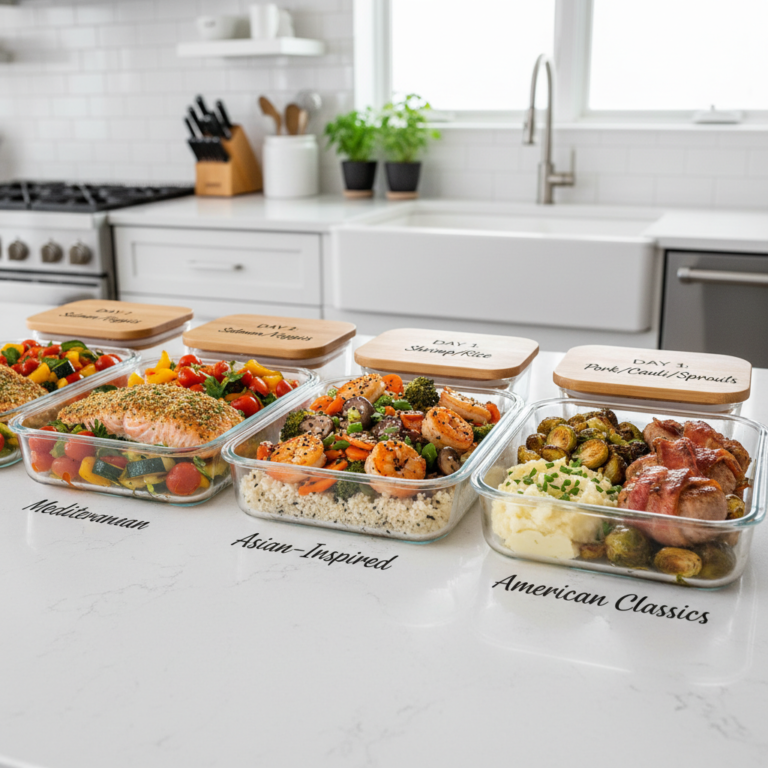
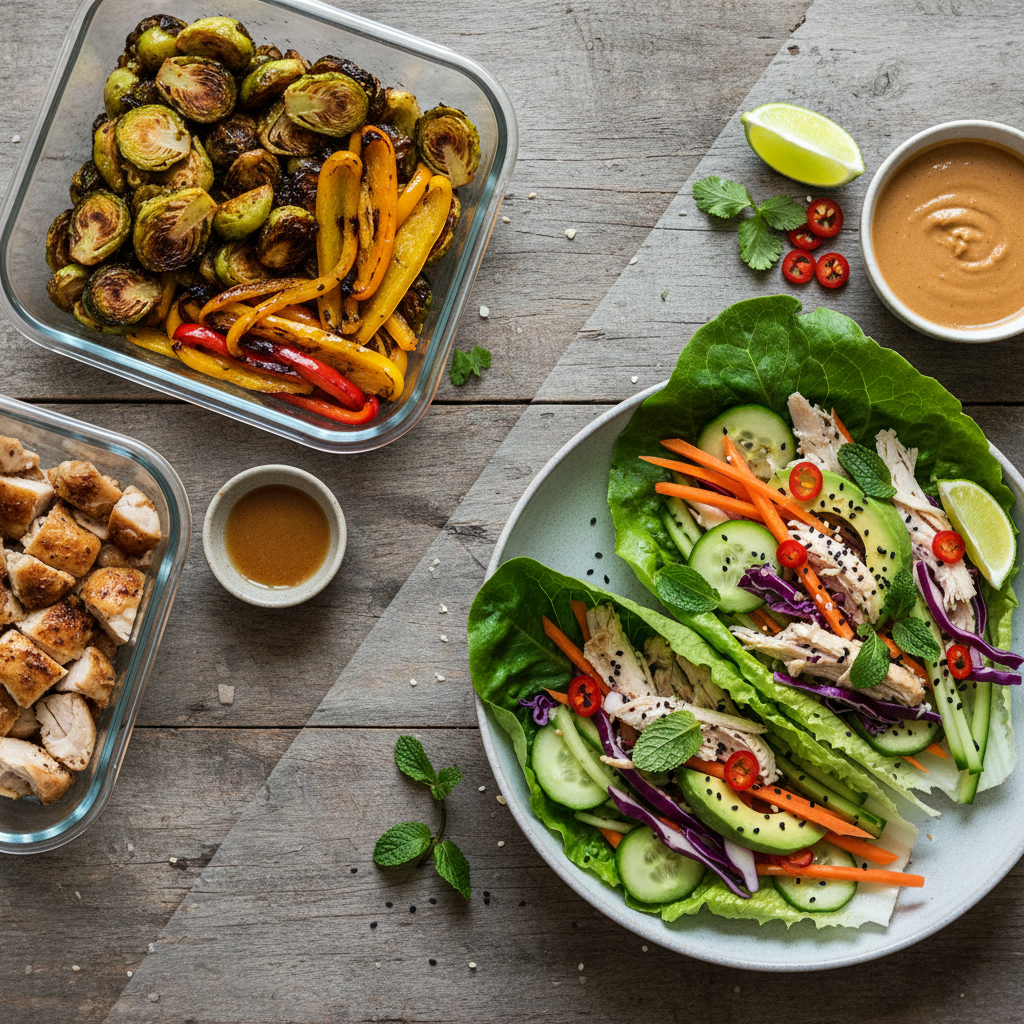
Glass containers are game-changers. They don’t absorb odors, they reheat evenly, and you can see exactly what you have without opening every container. I use different sizes – small ones for proteins, larger ones for vegetables.
Cool completely before refrigerating. I know you’re tired after dinner, but this step prevents condensation that makes everything mushy. Let foods reach room temperature, then refrigerate.
Label with transformation potential, not just contents. Instead of “roasted chicken,” I write “chicken – salads, wraps, soups.” It sparks creativity when I’m staring into the fridge wondering what to make.
Protein Transformation Techniques That Actually Work
Leftover proteins are goldmines waiting to happen. Here are my favorite transformation techniques:
Shred and sauté. Leftover roasted chicken, pork, or beef becomes completely different when shredded and quickly sautéed with fresh aromatics. Add some garlic, onions, and different spices, and you’ve got taco filling, salad protein, or soup base.
Cold proteins work beautifully in salads. That leftover salmon flakes perfectly over greens with avocado and cucumber. Room temperature steak slices become elegant salad toppers with a drizzle of olive oil and lemon.
Transform into breakfast. Leftover proteins make incredible breakfast additions. Dice that pork tenderloin and add it to scrambled eggs. Flake that salmon into an omelet with fresh herbs.
The key is treating leftover proteins as ingredients, not meals. Once you make this mental shift, possibilities multiply.
Vegetable Revival: From Sides to Stars
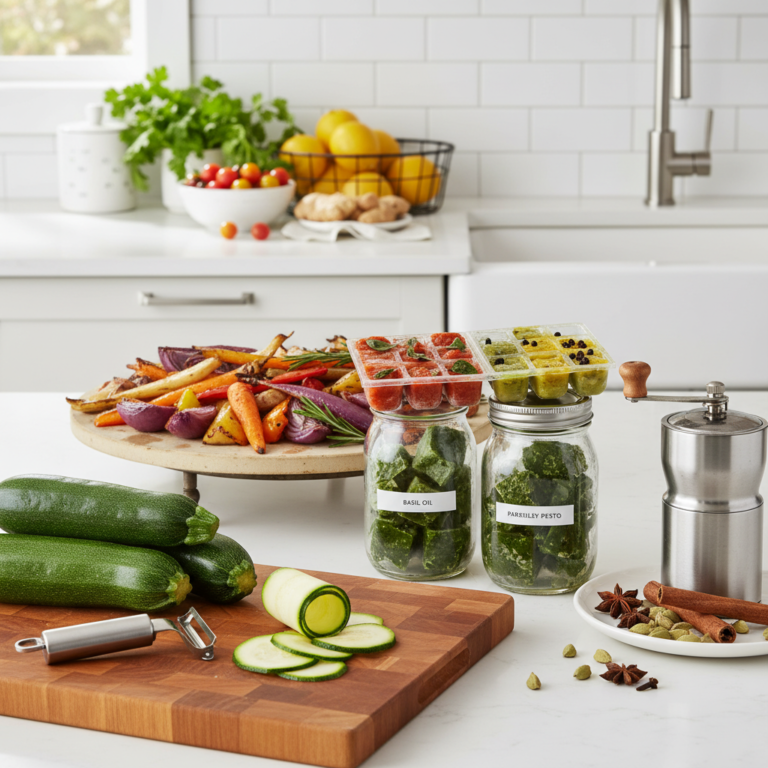
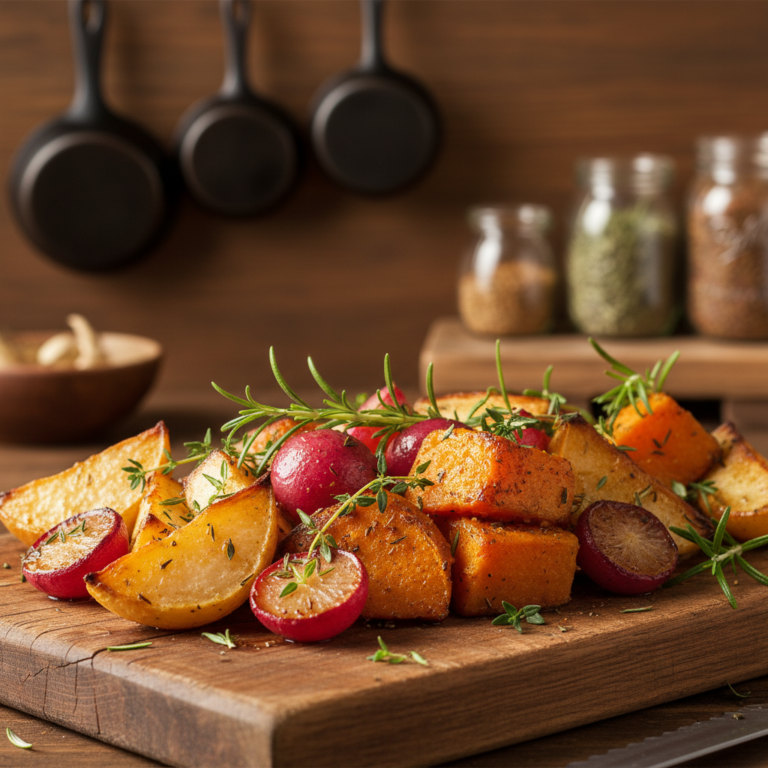
Leftover vegetables often get the worst treatment, but they have incredible transformation potential. Roasted vegetables especially develop deeper, more concentrated flavors overnight.
Hash it up. Leftover roasted vegetables make incredible breakfast or dinner hashes. Dice them roughly, sauté with some onions, and crack eggs on top. It’s rustic, delicious, and feels completely fresh.
Blend into soups. Leftover roasted vegetables, especially roots like carrots, parsnips, and butternut squash, blend into creamy soups with some bone broth. Add coconut milk for richness if you need it.
Salad additions. Cold roasted vegetables add incredible depth to salads. Those caramelized Brussels sprouts or roasted bell peppers bring sweetness and texture that fresh vegetables can’t match.
Stuff and wrap. Use larger vegetables like bell peppers or portobello caps as vessels for other leftovers. Stuff a bell pepper with leftover ground beef and vegetables, or pile shredded chicken onto a portobello cap.
Complete Meal Transformations
Sometimes you need to transform entire leftover meals. Here’s how I approach complete makeovers:
Asian-inspired bowls. Almost any leftover protein and vegetables work in Asian-style bowls. Add some coconut aminos, fresh ginger, and serve over cauliflower rice or zucchini noodles. Completely different flavor profile, same base ingredients.
Mexican transformations are incredibly versatile. Shred any protein, warm it with cumin and chili powder, and serve with avocado, salsa, and lettuce cups. The techniques from my sauce mastery guide work perfectly here.
Mediterranean makeovers. Add olives, sun-dried tomatoes, and fresh herbs to transform any leftover into a Mediterranean-style meal. Olive oil, lemon, and fresh basil work magic on day-old proteins and vegetables.
Soup solutions work for almost everything. Leftover proteins and vegetables can become hearty soups with the addition of bone broth and fresh seasonings. It’s forgiving, warming, and feels completely new.
My Favorite Leftover Transformation Recipes
Breakfast Hash Supreme: Dice leftover roasted vegetables and proteins. Sauté with onions and garlic, create wells, and crack eggs into them. Cover and cook until eggs are set. It’s a complete meal that feels restaurant-special.
Asian Lettuce Wraps: Shred leftover protein, sauté with ginger, garlic, and coconut aminos. Serve in butter lettuce cups with sliced avocado and cucumber. Fresh, light, and completely different from the original meal.
Stuffed Avocado Boats: Halve avocados, scoop out some flesh, and fill with diced leftover proteins and vegetables. Drizzle with olive oil and lemon juice. It’s elegant enough for company but easy enough for Tuesday night.
Planning for Leftover Success
The best leftover transformations start with intentional cooking. When I’m preparing meals using my plate-first keto-paleo approach, I think ahead to transformation possibilities.
Cook proteins simply initially. Heavy sauces limit transformation options. Season well but keep sauces on the side when possible. This gives you maximum flexibility for reimagining.
Make extra vegetables. They’re often the star of transformed meals, so having plenty gives you more options. Roasted vegetables especially improve with time.
Keep transformation staples stocked. Fresh herbs, good olive oil, coconut aminos, and bone broth turn basic leftovers into exciting new meals. These ingredients don’t go bad quickly and add instant upgrade potential.
When Transformation Doesn’t Work
Let’s be real – not every leftover transforms successfully. Overcooked proteins become tough no matter what you do. Vegetables that were mushy the first time won’t improve.
Don’t force it. If something was mediocre originally, transformation rarely saves it. Focus your energy on leftovers that were delicious the first time around.
Safety first. Don’t keep leftovers longer than 3-4 days, regardless of transformation plans. When in doubt, trust your nose and eyes over your meal plan.
The magic of leftover transformation isn’t just about reducing food waste – though that’s a wonderful bonus. It’s about maximizing the time you spend cooking and multiplying your meal variety without multiplying your kitchen time. Some of my family’s favorite meals started as yesterday’s “boring” leftovers.
Start small with one transformation technique that appeals to you. Master that, then expand your repertoire. Before you know it, you’ll be looking at leftovers as exciting possibilities rather than kitchen obligations.