Weekend Warrior Keto-Paleo Meal Prep: Master 2-Hour Success
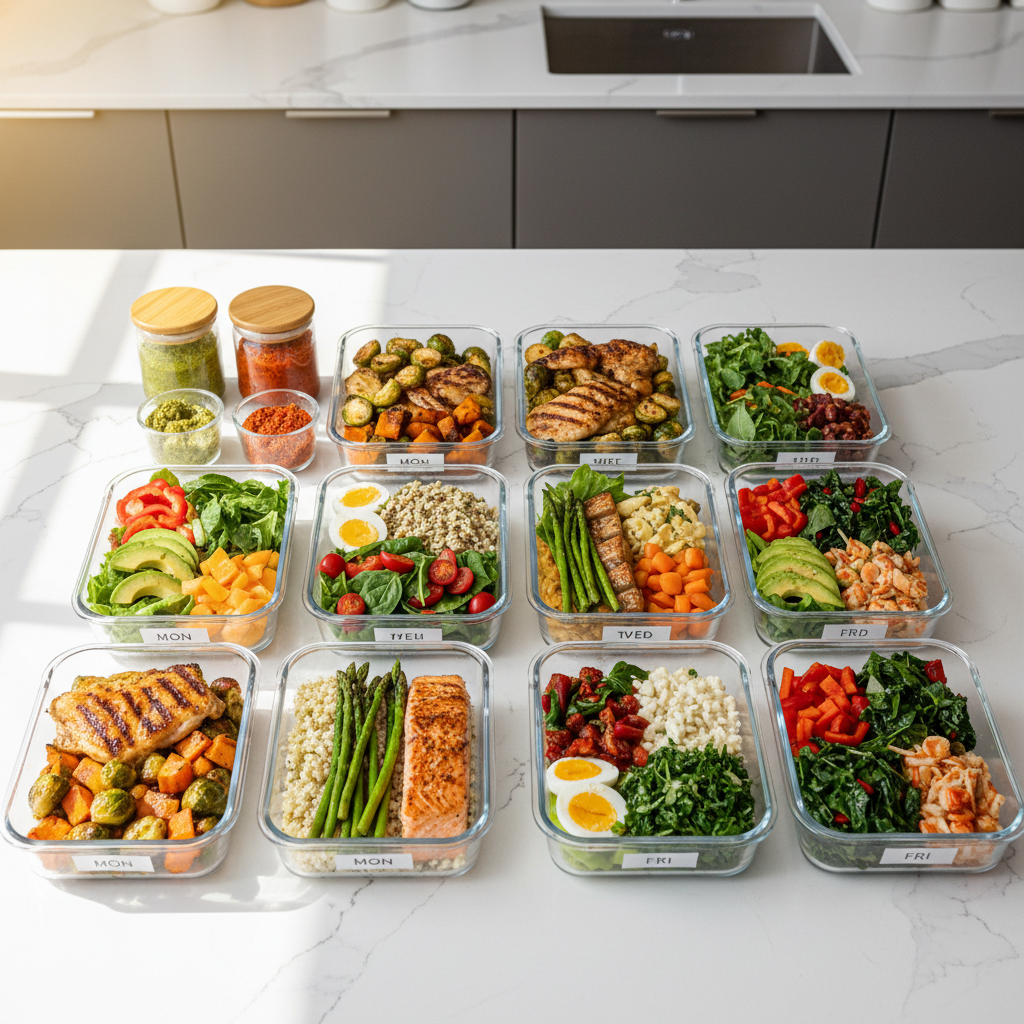
Transform your entire week with strategic keto-paleo meal prep that fits into just one weekend session. As a weekend warrior, you understand the power of preparation, and this comprehensive guide will revolutionize how you approach healthy eating throughout your busy week. With the right system, you can create delicious, nutrient-dense meals that support your metabolic goals while saving precious time during hectic weekdays.
The beauty of combining keto and paleo principles lies in their natural synergy. Both approaches emphasize whole foods, healthy fats, and quality proteins while eliminating processed ingredients that can derail your health goals. This keto-paleo meal prep strategy maximizes these benefits through smart preparation techniques.
Why Weekend Keto-Paleo Meal Prep Works
Your weekend preparation sets the foundation for metabolic success throughout the week. Instead of scrambling for healthy options during busy workdays, you’ll have perfectly portioned meals ready to fuel your body optimally.
Research shows that meal preparation significantly improves dietary adherence and reduces the likelihood of making poor food choices. When you combine this with the metabolic benefits of keto-paleo eating, you create a powerful system for sustained energy and health.
The key advantage lies in batch preparation of complementary components that can mix and match throughout the week. This approach prevents meal fatigue while maintaining nutritional consistency. For additional guidance on creating balanced meals, check out our Plate-First Keto-Paleo approach.
Essential Keto-Paleo Meal Prep Components
Success starts with understanding the core components that form the backbone of your weekly meal rotation. Each element serves multiple purposes and can be combined in various ways to create satisfying, nutritionally complete meals.
Power Proteins (Prepare 3-4 Options)
Start with high-quality animal proteins that provide essential amino acids and keep you satisfied. Prepare larger batches using methods that enhance flavor while saving time:
Slow-cooked pulled pork shoulder seasoned with herbs and spices provides incredible versatility. Use it in lettuce wraps, over cauliflower rice, or with roasted vegetables. The natural fat content aligns perfectly with keto macros while the preparation method fits paleo guidelines.
Sheet pan chicken thighs offer convenience and flavor. Season different batches with varied spice blends to prevent monotony. The higher fat content compared to breast meat supports ketosis while providing satisfying meals.
Ground meat mixtures create endless possibilities. Prepare seasoned ground beef, turkey, or lamb that can become the base for different ethnic flavors throughout the week.
Healthy Fat Foundations
Fats are crucial for both satiety and metabolic function in your keto-paleo meal prep strategy. Prepare these components in advance to easily add richness and flavor to any meal:
Homemade mayonnaise and aiolis using avocado oil provide clean, flavorful fat sources. Create different variations with herbs, garlic, or citrus to complement various proteins and vegetables.
Rendered animal fats from your protein preparation shouldn’t be wasted. Save duck fat, beef tallow, or pork fat for roasting vegetables or adding richness to dishes throughout the week.
Strategic Vegetable Preparation
Vegetables form the nutritional foundation of your meals while providing fiber and micronutrients essential for optimal health. Smart preparation techniques ensure they maintain freshness and flavor throughout the week.
Roasted vegetable medleys can be prepared in large batches using different seasoning profiles. Keep some simply seasoned with salt and herbs, while others can feature more complex spice blends for variety.
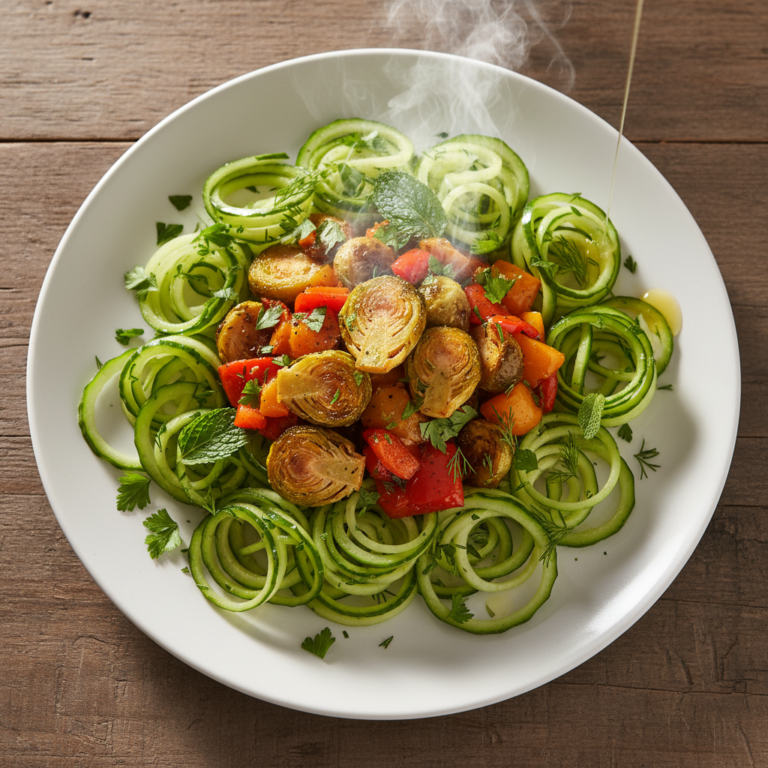
Pre-wash and chop sturdy greens like kale, cabbage, and Brussels sprouts. These vegetables maintain their texture well and can be quickly sautéed or added raw to meals for crunch and nutrition.
Cauliflower deserves special attention in keto-paleo meal prep. Prepare both riced and roasted versions. The riced version serves as a grain substitute, while roasted florets provide satisfying texture and flavor.
Fermented Additions for Gut Health
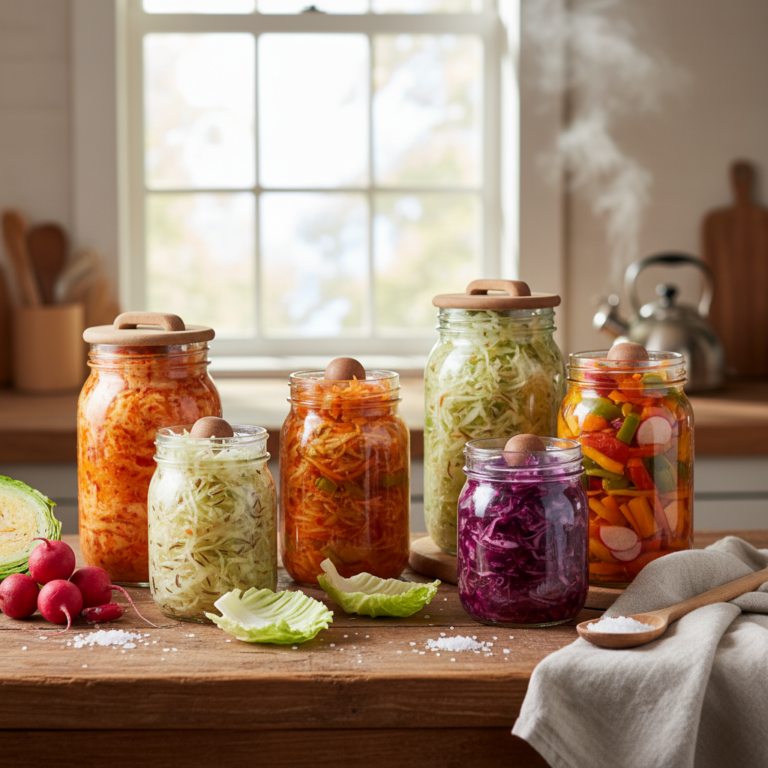
Include prepared fermented vegetables to support digestive health and add probiotic benefits to your meals. Our Ferments and Flavor guide provides detailed instructions for creating these beneficial additions.
Simple sauerkraut, kimchi, or fermented pickles require minimal preparation time but provide maximum health benefits. These additions also contribute to meal variety without additional cooking time during the week.
Time-Saving Preparation Techniques
Efficiency is crucial when you’re dedicating just 2-3 hours to prepare an entire week’s worth of meals. These techniques maximize your preparation time while ensuring optimal results.
Oven orchestration allows you to prepare multiple components simultaneously. While proteins roast on the middle rack, vegetables can cook on the top rack, and slow-cooking items can simmer on the stovetop.
Use your slow cooker or instant pot for hands-off protein preparation. This frees up oven space and attention for other components while creating incredibly tender, flavorful results.
Prepare sauces and dressings first, as they often improve with time. Having these flavor enhancers ready allows you to transform simple protein and vegetable combinations into exciting, restaurant-quality meals. For inspiration, explore our Sauce Mastery for Keto-Paleo techniques.
Smart Storage Solutions
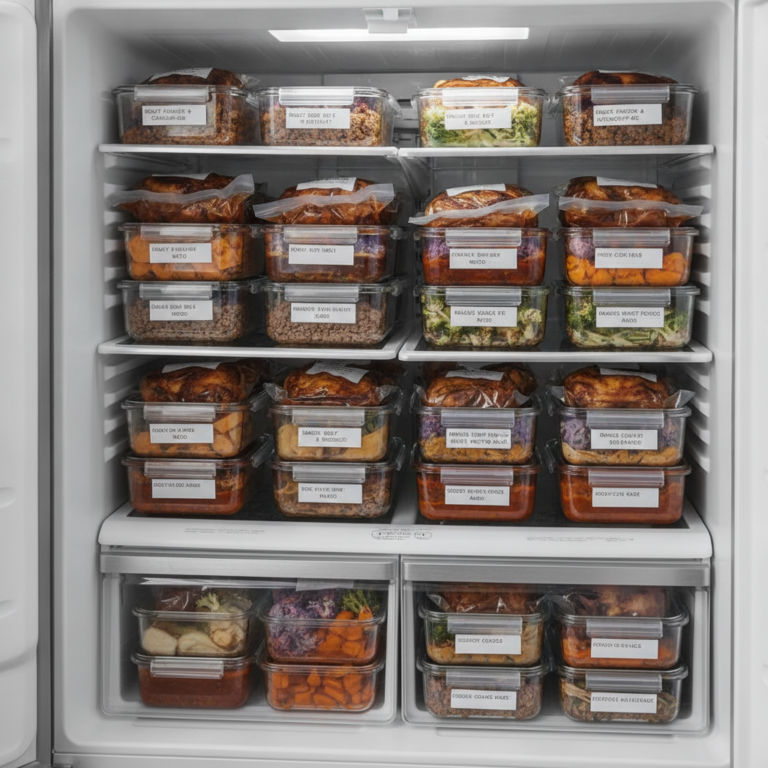
Proper storage extends the life of your prepared components while maintaining food safety and quality. Different foods require specific storage methods to maintain their best characteristics throughout the week.
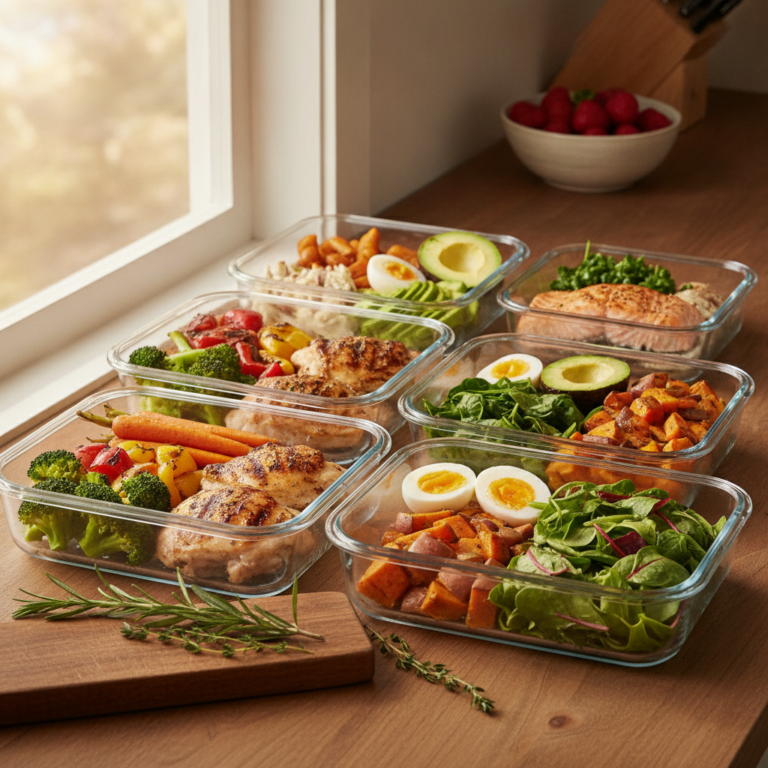
Glass containers are superior for storing prepared proteins and cooked vegetables. They don’t absorb odors, can go directly from refrigerator to oven for reheating, and allow you to see contents easily.
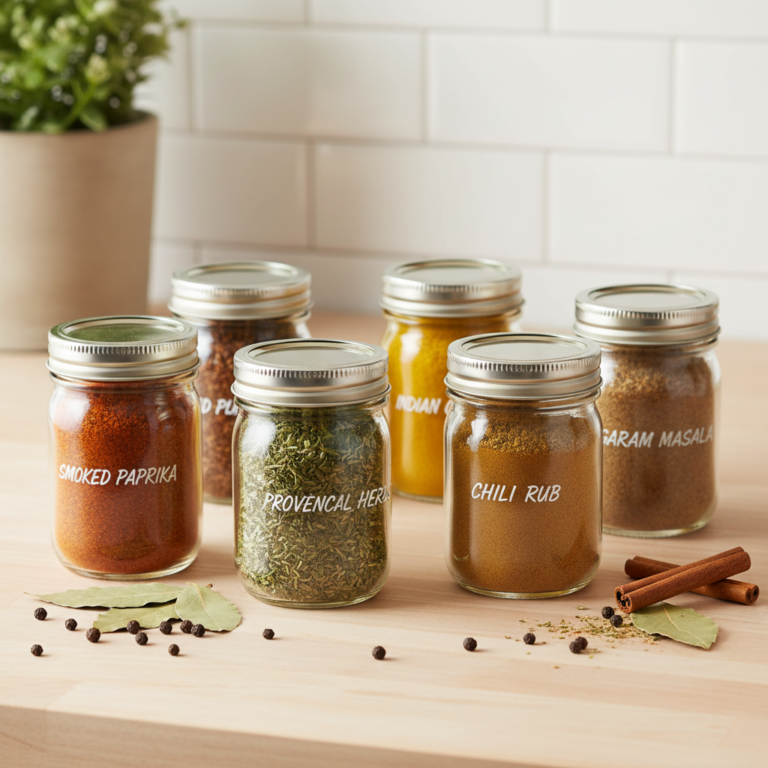
Store sauces and dressings separately from other components to prevent sogginess. Small mason jars work perfectly for portion-controlled sauce storage and can be easily transported if needed.
Layer salads strategically in jars with dressing on the bottom, sturdy vegetables in the middle, and delicate greens on top. This method keeps everything fresh and prevents wilting until you’re ready to eat.
Freezer-Friendly Options
Some components freeze beautifully and can extend your meal prep efforts. Cooked ground meat mixtures, soups, and certain roasted vegetables maintain their quality when frozen properly.
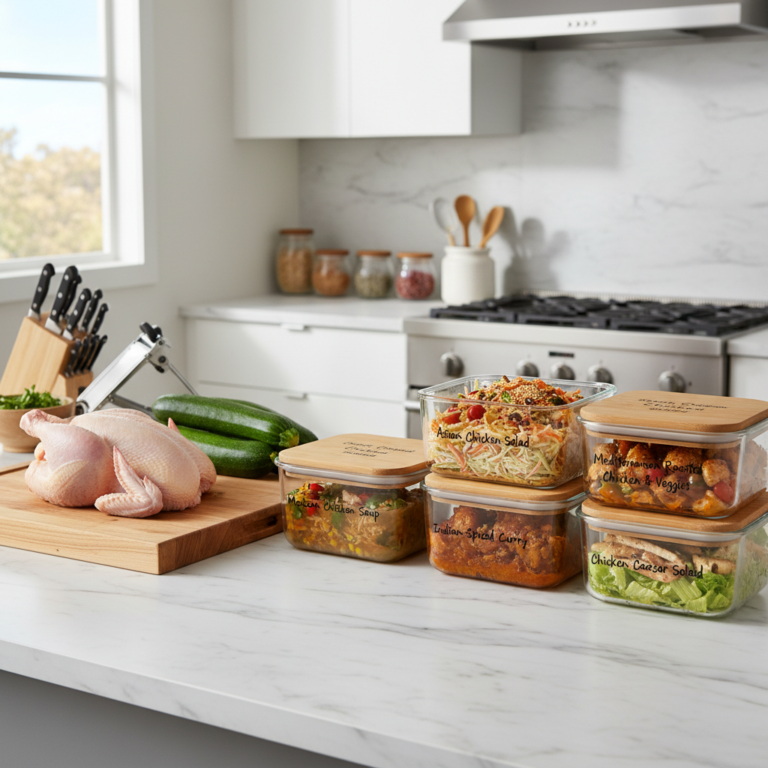
Portion these items before freezing to make weekday meal assembly even easier. Label everything clearly with contents and date to maintain an organized system.
Mix-and-Match Meal Assembly
The real magic of keto-paleo meal prep lies in creating flexible components that can be combined in numerous ways. This approach prevents meal fatigue while ensuring nutritional variety throughout the week.
Start each meal with a protein base, add healthy fats, include fibrous vegetables, and finish with flavor enhancers. This formula ensures balanced nutrition while allowing creative combinations.
Monday’s pulled pork with roasted Brussels sprouts and avocado can become Wednesday’s protein salad with different greens and a new sauce. The same components create entirely different eating experiences.
Keep a rotation of ethnic flavor profiles in your sauce arsenal. Mediterranean herbs, Asian-inspired combinations, and Mexican-style seasonings can transform the same basic ingredients into completely different meals.
Reheating for Optimal Quality
Proper reheating techniques preserve both flavor and texture in your prepared components. Different foods require specific approaches to maintain their best qualities.
Gentle oven reheating at 325°F works best for most proteins and roasted vegetables. Add a splash of broth or water and cover with foil to prevent drying while ensuring even heating.
Sauté reheating works beautifully for ground meat mixtures and can actually improve flavors as they meld together. Add fresh herbs or aromatics during reheating to brighten the dish.
Some components are best served at room temperature or cold, particularly fermented vegetables and certain salads. Plan your meals to include both hot and cold elements for textural variety.
Troubleshooting Common Challenges
Even experienced meal preppers encounter obstacles. Understanding common challenges and their solutions ensures your keto-paleo meal prep system remains sustainable and enjoyable.
Texture changes are the most common complaint about meal prep. Combat this by slightly undercooking vegetables that will be reheated and storing crispy elements separately until serving time.
Flavor fatigue develops when meals become too repetitive. Combat this by preparing neutral base components and varying the sauces, spices, and preparation methods you use throughout the week.
Storage space limitations can derail your efforts. Prioritize stackable containers and consider which components freeze well to maximize your refrigerator efficiency.
Building Your Personal System
Creating a sustainable meal prep routine requires adapting these principles to your specific lifestyle, preferences, and schedule. Start with a manageable approach and gradually expand as the system becomes natural.
Begin by prepping just 3-4 days of meals until you develop confidence and efficiency. This approach prevents food waste while you refine your techniques and discover your preferred combinations.
Document what works well for future reference. Keep notes about which components store best, which flavor combinations you enjoyed, and timing estimates for different preparation methods.
Consider exploring our Athlete-Approved Batch Cooking methods for additional efficiency techniques that complement this weekend warrior approach.
Remember that meal prep is a skill that improves with practice. Each weekend session will become more efficient and enjoyable as you develop your personal system and discover the combinations that best support your health goals and taste preferences.