How to Start Keto Safely: A 7-Day Beginner Action Plan
How to Start Keto Safely: A 7-Day Beginner Action Plan
Ready to start the keto diet without the overwhelm? This practical 7-day beginner plan walks you through daily carb targets, hydration, electrolytes, simple meals, and snack ideas so you can ease into ketosis safely. You’ll also get a printable grocery list and smart strategies to reduce keto flu while tracking your progress.
Set Your Keto Targets: Carbs, Macros, and Portions
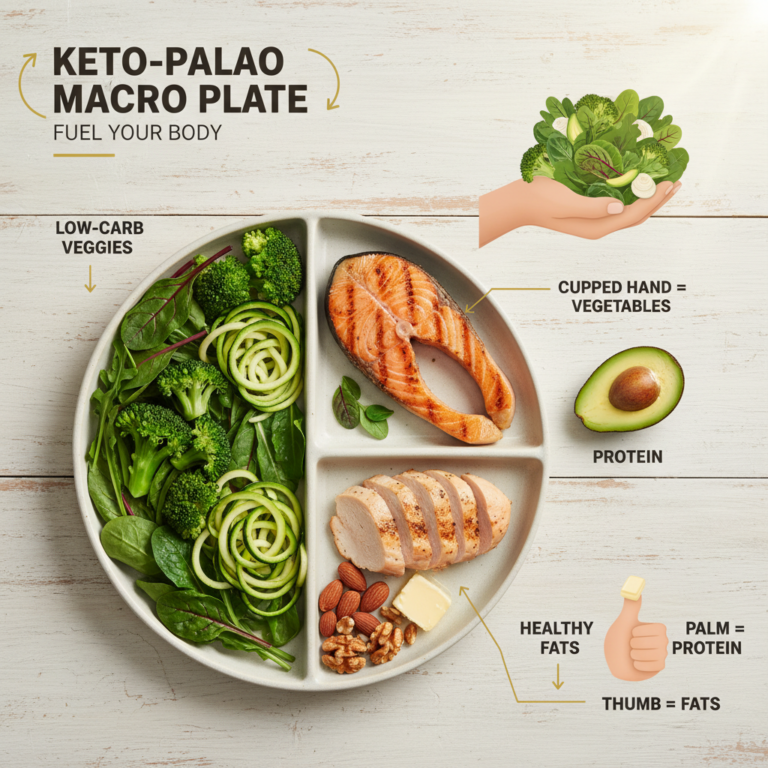
The ketogenic diet is a low-carb, higher-fat, moderate-protein approach that encourages your body to use fat and ketones for fuel. Setting simple targets keeps things clear and sustainable.
- Net carbs: Work down to 20–25 net carbs per day by the end of the week (net carbs = total carbs − fiber − sugar alcohols). Starting higher and stepping down helps reduce keto flu.
- Protein: Aim for about 0.6–0.8 g protein per pound of goal body weight (or 1.3–1.7 g/kg). Prioritize protein at every meal to maintain muscle and stay full.
- Fat: Use healthy fats to satisfy hunger, not to force-feed calories. Add olive oil, avocado, butter/ghee, olives, nuts, seeds, and full-fat dairy if tolerated.
- Calories: You don’t need to micromanage calories at first. Eat to comfortable fullness. If fat loss is a goal, a mild calorie deficit may emerge naturally as cravings stabilize.
Pro tip: Keep meals simple, repeat favorites, and measure progress weekly rather than daily. Consistency beats perfection.
Week 1 Expectations, Hydration, and Electrolytes
During your first week of keto, you may feel increased thirst, more frequent urination, and lower energy as your body shifts from glucose to fat for fuel. This is normal. The biggest helpers are hydration and electrolytes.
- Hydration: Drink 2–3 liters of water daily (more if you’re active or perspire heavily). Sip consistently through the day.
- Sodium: Aim for 4,000–5,000 mg per day from food and salt (unless your doctor advises otherwise). Add 1/2–1 teaspoon of mineral salt to meals or sip broth/bouillon.
- Potassium: Target 3,000–3,500 mg per day via foods like avocado, leafy greens, mushrooms, salmon, and meat. Avoid high-dose potassium supplements unless medically advised.
- Magnesium: 300–400 mg per day supports sleep, muscle relaxation, and regularity. Consider magnesium glycinate or citrate.
How to reduce keto flu symptoms:
- Don’t drop carbs from 200g to 20g overnight—step down over the week.
- Salt your food generously; consider a cup of salted broth between meals.
- Sleep 7–9 hours and keep early-week workouts light (walks, mobility, or easy cycling).
- Limit alcohol and added sugar; both dehydrate and disrupt progress.
7-Day Beginner Action Plan
This day-by-day plan keeps your low-carb transition manageable and repeatable. Adjust portions to your hunger and activity level.
Day 1: Prep and Gentle Start (50–60g net carbs)
- Focus: Pantry reset + hydration.
- Meals: Omelet with spinach and cheese; big salad with chicken, olive oil, and olives; bunless burger with lettuce, tomato, pickles, and a side of roasted zucchini.
- Electrolytes: 1 cup broth, salt food to taste.
- Task: Take baseline measurements (weight, waist, photos), set step goal (e.g., 7,000–8,000 steps).
Day 2: Fiber-Rich Low-Carb Veg (40–50g net carbs)
- Focus: Add leafy greens, avocado, and hydration.
- Meals: Greek yogurt (unsweetened) with chia and a few raspberries; tuna salad lettuce wraps; chicken thighs with cauliflower mash and green beans.
- Electrolytes: Add 1/2 tsp salt to water or food, magnesium at night if needed.
- Task: Skim labels for hidden sugars and starches.
Day 3: Protein Priority (30–40g net carbs)
- Focus: Hit protein target first; add fat to satiety.
- Meals: Scrambled eggs with smoked salmon; Cobb salad; taco bowl with ground beef, cheese, salsa, and shredded lettuce (skip the rice/beans).
- Electrolytes: Another cup of broth; include avocado or mushrooms for potassium.
- Task: Walk 20–30 minutes or do light mobility.
Day 4: Near-Keto Levels (25–30g net carbs)
- Focus: Swap starches for extra non-starchy veggies.
- Meals: Egg muffins; steak with asparagus and herb butter; salmon with lemon, arugula salad, and walnuts.
- Electrolytes: Salt each meal; consider magnesium 300–400 mg.
- Task: Note energy, hunger, and cravings in a journal or app.
Day 5: Keto Flow (20–25g net carbs)
- Focus: Stay steady; simple, repeatable meals.
- Meals: Chia pudding with almond milk; turkey burger with cheese and slaw; shrimp stir-fry with broccoli and coconut aminos.
- Electrolytes: Keep sodium at 4–5g/day; include leafy greens for potassium.
- Task: Optional urine ketone strips for curiosity—don’t obsess over the number.
Day 6: Fine-Tune and Batch Cook
- Focus: Batch-cook protein and veggies for next week.
- Meals: Breakfast skillet (eggs, sausage, peppers); chicken Caesar salad (no croutons); pork chops with cabbage and mustard cream sauce.
- Electrolytes: If you feel sluggish, add a salty broth or electrolyte drink.
- Task: Cook extra chicken thighs, ground beef, roasted veggies, and hard-boiled eggs.
Day 7: Evaluate and Adjust
- Focus: Review progress; plan your next week.
- Meals: Keep it simple—repeat favorites. Example: omelet with feta, burger bowl with guacamole, baked salmon with broccoli.
- Electrolytes: Continue the routine. Many people need ongoing sodium on keto.
- Task: Re-measure (weight, waist), review hunger/cravings, and set net carb goal (20–30g) for week two based on your comfort.
Beyond week one: Keep carbs low, protein steady, and fat to satiety. Consistency plus electrolytes is your foundation for entering and staying in nutritional ketosis.
Simple Meals and Snack Ideas
Keep your ketogenic diet easy with mix-and-match meals and low-carb snacks. Repeat staples you enjoy—you’ll save time, money, and decision fatigue.
Easy meal ideas:
- Eggs any style with avocado and sautéed greens
- Grilled chicken thighs with roasted Brussels sprouts and garlic butter
- Ground beef “taco bowl” with lettuce, cheese, salsa, and sour cream
- Sheet-pan salmon with asparagus and lemon
- Cauliflower rice stir-fry with shrimp, sesame oil, and coconut aminos
- Turkey burger bowl with pickles, mustard, and coleslaw
Smart keto snacks (as needed):
- Hard-boiled eggs, cheese sticks, cottage cheese (unsweetened)
- Olives, pickles, celery with cream cheese
- Macadamia nuts, pecans, or walnuts (pre-portion)
- Beef jerky or meat sticks (no added sugar)
- Cucumber slices with guacamole or tuna salad
- Protein shake with unsweetened almond milk (check labels)
Remember: Snacks are optional. If meals keep you satisfied, you don’t need them.
Printable Keto Grocery List
Use this grocery list in-store or online. Stick to the edges of the store and keep your cart heavy on protein, low-carb vegetables, and healthy fats.
Proteins:
- Chicken thighs, rotisserie chicken
- Ground beef, steak, pork chops
- Salmon, tuna, shrimp, sardines
- Eggs
- Uncured bacon or sausage (check labels)
Dairy (if tolerated):
- Cheese (cheddar, mozzarella, feta, goat)
- Greek yogurt (unsweetened), cottage cheese
- Butter or ghee, heavy cream
Low-carb vegetables:
- Leafy greens (spinach, arugula, romaine, kale)
- Broccoli, cauliflower, cabbage, Brussels sprouts
- Zucchini, cucumber, asparagus, mushrooms
- Peppers, green beans
- Avocados
Fats and oils:
- Extra-virgin olive oil, avocado oil
- Coconut oil, butter, ghee
- Olives, nuts and seeds (macadamia, pecans, chia)
- Nut butters (no sugar added)
Pantry staples:
- Broth or bouillon (for electrolytes)
- Almond milk (unsweetened)
- Chia seeds, coconut flakes (unsweetened)
- Canned fish (tuna, salmon, sardines)
- Coconut aminos, mustard, sugar-free salsa
Seasonings and extras:
- Mineral salt, pepper, garlic, herbs
- Electrolyte powder (no added sugar)
- Vinegar, lemon, lime
Drinks:
- Water, sparkling water
- Coffee or tea (unsweetened)
- Electrolyte beverages without added sugar
Track Progress and Adjust
Tracking helps you see what works and keeps motivation high. Keep it simple and consistent.
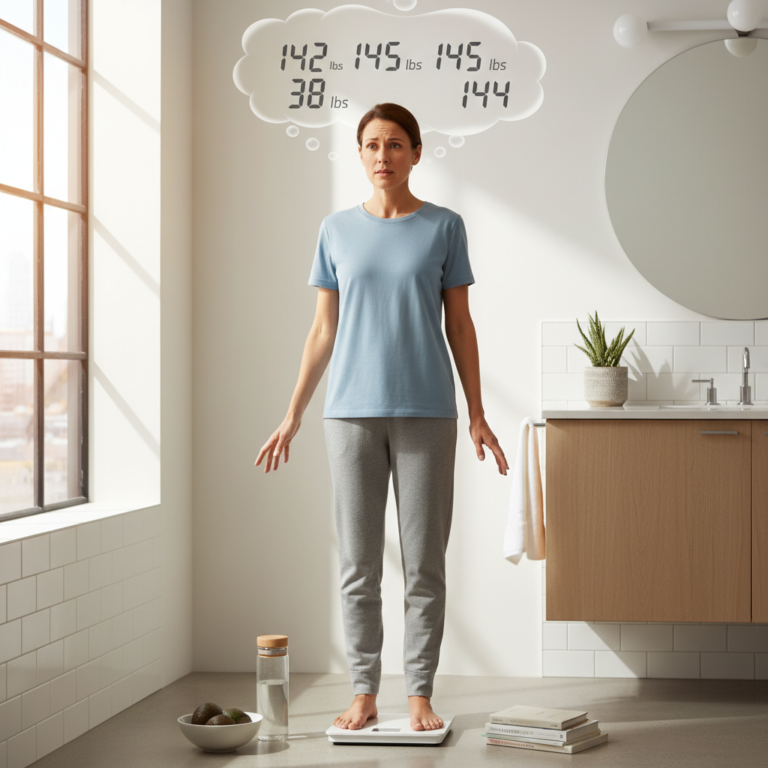
- Weekly metrics: Body weight, waist circumference, and a quick front/side photo.
- Daily notes: Energy, sleep quality, cravings, and digestion.
- Food tracking: At least for week one, track net carbs and protein. Read labels for hidden carbs (maltodextrin, sugars, starches).
- Activity: Aim for daily walks and light strength work 2–3 times per week.
- Plateaus: First adjust electrolytes, sleep, and stress before slashing calories. Ensure protein is adequate.
When to seek guidance: If you have diabetes, kidney disease, blood pressure issues, or take medications, consult your healthcare provider before and during your ketogenic diet transition.
Key Takeaways
- Step down carbs over the week to 20–25g net carbs daily; keep protein steady and add fat to satiety.
- Prioritize electrolytes—sodium, potassium, and magnesium—to reduce keto flu and support performance.
- Stay hydrated (2–3L/day), keep meals simple, and batch-cook for consistency.
- Track basic metrics weekly and use daily notes to personalize your plan.
Conclusion: Starting keto safely is about consistency, not perfection. Set clear targets, hydrate, hit electrolytes, focus on simple whole foods, and track your progress. In one week, you’ll have a sustainable low-carb routine—and the confidence to keep building healthy momentum.