Micronutrient Balance in Keto Paleo: Complete Guide
When following a micronutrient balance approach in your keto paleo lifestyle, you’re going beyond simple macro counting to ensure your body receives every essential vitamin and mineral it needs to thrive. This comprehensive strategy transforms your health journey from basic weight management into a complete wellness optimization system.
While macronutrients grab most of the attention, micronutrients are the unsung heroes that power every cellular function in your body. They’re the spark plugs that ignite energy production, support immune function, and maintain optimal brain health.
Understanding Micronutrient Balance in Keto Paleo Fusion
A successful keto paleo approach requires strategic planning to avoid common nutritional gaps. Unlike conventional diets that rely on fortified grains and processed foods, your micronutrient balance depends entirely on whole food choices.
The elimination of grains, legumes, and dairy in paleo, combined with keto’s carbohydrate restrictions, can create unique challenges. However, these limitations also force you to choose more nutrient-dense options that deliver superior bioavailability.
Most importantly, this approach encourages you to view food as medicine. Every meal becomes an opportunity to nourish your body at the deepest cellular level.
Essential Vitamins: Your Keto Paleo Priority List
Certain vitamins deserve special attention when balancing your micronutrient intake on a keto paleo plan.
Fat-Soluble Vitamins (A, D, E, K)
These vitamins thrive in your high-fat environment. Wild-caught salmon provides vitamin D, while grass-fed beef liver delivers exceptional vitamin A concentrations. Avocados and olive oil support vitamin E absorption.
Additionally, fermented foods like sauerkraut boost vitamin K2 production. Our ferments and flavor guide shows you how to incorporate these powerhouse foods seamlessly.
B-Complex Vitamins
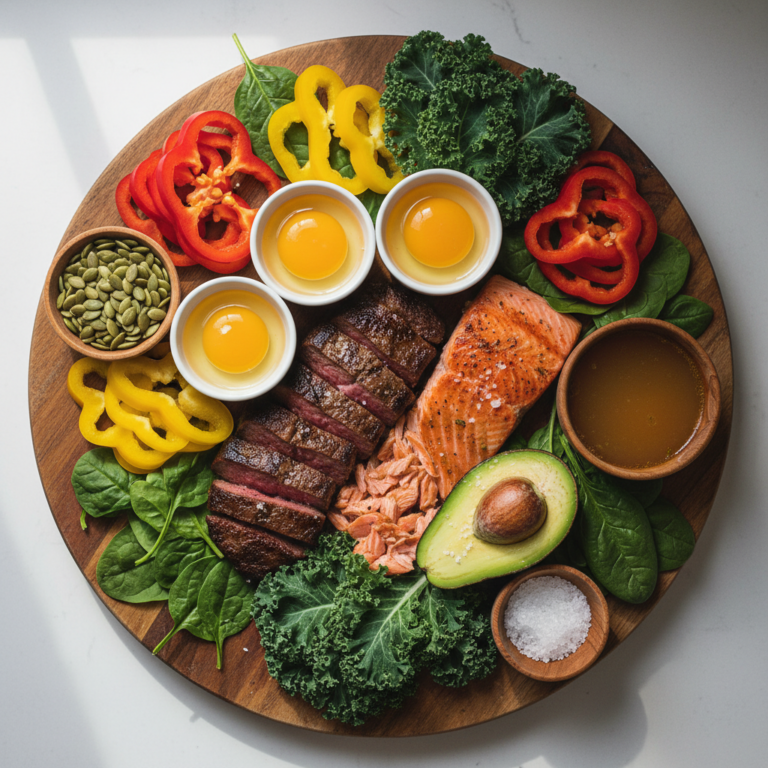
B vitamins support energy metabolism and nervous system function. Organ meats, particularly liver, provide the most concentrated sources. Eggs, leafy greens, and nutritional yeast (if tolerated) fill additional gaps.
Furthermore, proper B12 absorption becomes crucial for long-term success. Consider working with a healthcare provider to monitor levels through regular testing.
Critical Minerals for Micronutrient Balance
Mineral deficiencies can derail your progress faster than vitamin shortfalls. These essential minerals require consistent attention throughout your journey.
Electrolyte Management
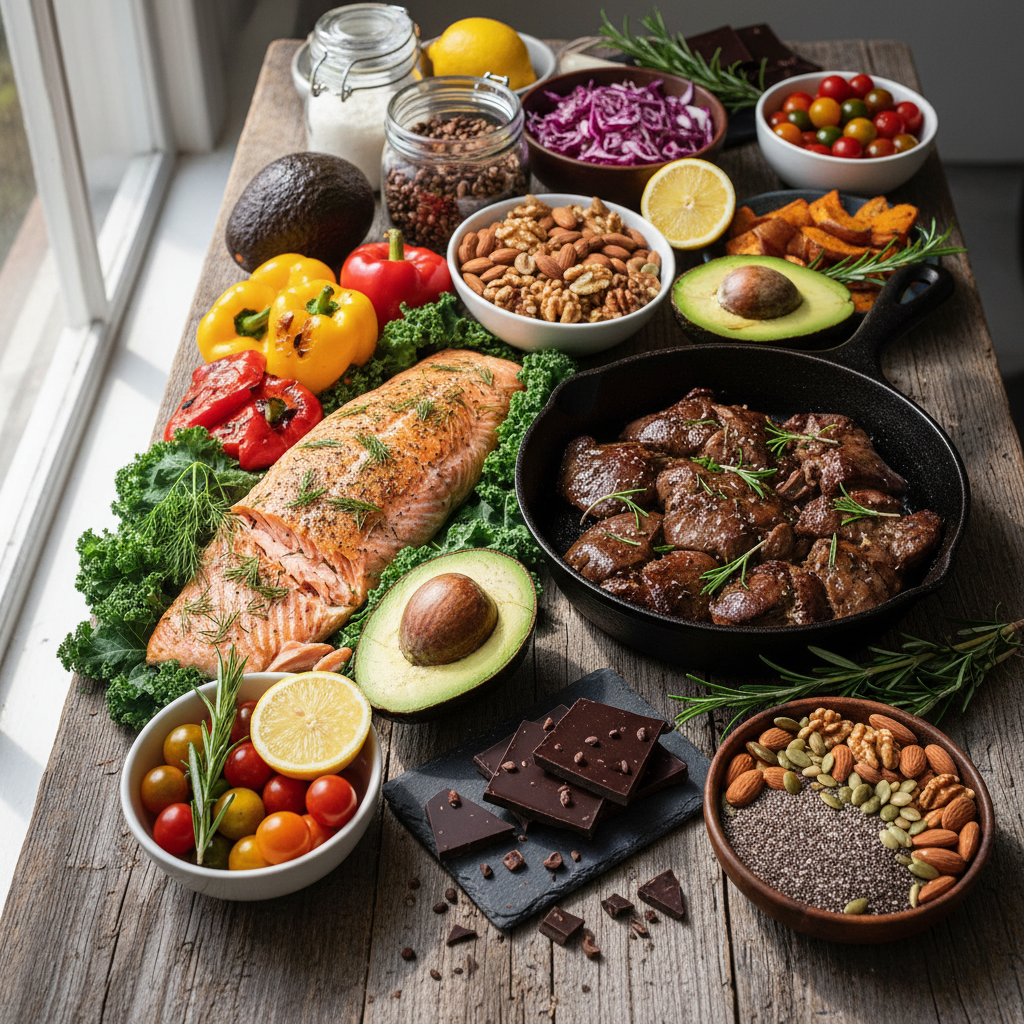
Sodium, potassium, and magnesium work together to maintain proper hydration and muscle function. Sea salt, avocados, and dark chocolate (85% cacao or higher) provide natural sources.
Moreover, electrolyte balance becomes even more critical during the initial adaptation phase. Our hydration and electrolyte mastery guide offers detailed strategies for maintaining optimal levels.
Trace Minerals
Zinc, iron, selenium, and iodine support immune function, thyroid health, and antioxidant production. Grass-fed beef, wild-caught seafood, and Brazil nuts deliver concentrated amounts in highly absorbable forms.
Consequently, rotating your protein sources ensures exposure to diverse mineral profiles. Consider implementing our 4-week protein rotation system for maximum variety.
Nutrient-Dense Food Priorities for Optimal Balance
Strategic food selection amplifies your micronutrient balance without requiring supplements or complicated tracking systems.
Organ Meats: Nature’s Multivitamin
Liver, heart, and kidney provide the highest nutrient density per calorie of any food group. Start with small portions mixed into ground meat to develop your palate gradually.
Similarly, organ meat consumption once or twice weekly can prevent most common deficiencies naturally. These foods contain nutrients in perfect ratios that synthetic supplements cannot replicate.
Colorful Vegetables: Phytonutrient Powerhouses
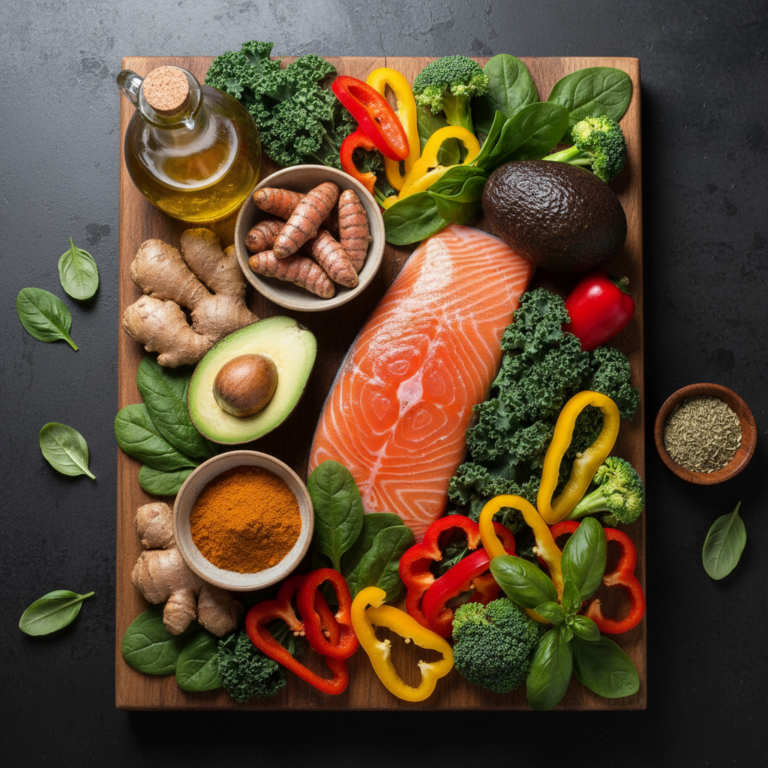
Low-carb vegetables like kale, spinach, broccoli, and bell peppers deliver antioxidants, fiber, and essential minerals. Aim for at least five different colors weekly to maximize phytonutrient diversity.
Therefore, planning your meals around vegetable variety ensures comprehensive micronutrient coverage. The visual appeal also makes meals more satisfying and sustainable long-term.
Wild-Caught Seafood: Omega-3 and Mineral Rich
Fatty fish like salmon, sardines, and mackerel provide omega-3 fatty acids, vitamin D, and selenium. Shellfish add zinc, copper, and iodine to your nutritional arsenal.
Additionally, these foods support brain health, reduce inflammation, and enhance nutrient absorption from other foods in your meals.
Common Deficiency Risks and Prevention Strategies
Understanding potential gaps helps you proactively address micronutrient balance challenges before they impact your energy or health.
Magnesium Deficiency
This mineral supports over 300 enzymatic reactions but depletes quickly during keto adaptation. Dark leafy greens, nuts, seeds, and dark chocolate provide natural sources.
However, stress, exercise, and caffeine increase magnesium needs. Consider Epsom salt baths or topical magnesium applications for additional support.
Potassium Shortfalls
Without potatoes and bananas, reaching optimal potassium levels requires creativity. Avocados, spinach, salmon, and mushrooms become your primary sources.
Furthermore, adequate potassium intake supports healthy blood pressure and prevents muscle cramps during your adaptation period.
Vitamin D Considerations
Limited sun exposure and northern climates can create vitamin D deficiencies regardless of diet quality. Fatty fish helps, but testing and targeted supplementation may be necessary.
Meanwhile, vitamin D optimization supports immune function, bone health, and mood regulation throughout your health journey.
Practical Implementation Strategies
Transform your understanding into actionable daily habits that support consistent micronutrient balance without overwhelming your schedule.
Weekly Planning Approach
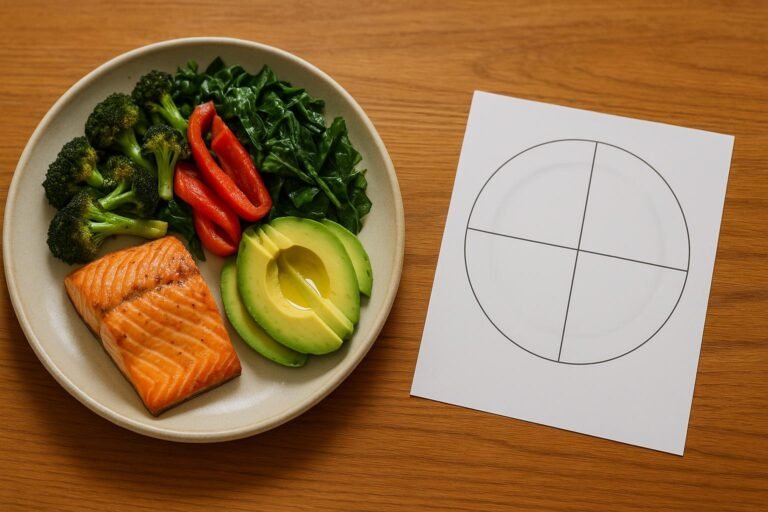
Dedicate time each week to menu planning that prioritizes nutrient density. Include at least one organ meat dish, five different colored vegetables, and three types of fatty fish.
Subsequently, batch cooking techniques can help you prepare nutrient-dense meals efficiently. Our comprehensive batch cooking guide provides time-saving strategies that maintain nutritional quality.
Seasonal Rotation Strategy
Eating seasonally naturally diversifies your micronutrient intake while supporting local food systems. Spring greens, summer berries, fall squashes, and winter root vegetables each offer unique nutritional profiles.
Therefore, building your meal plans around seasonal availability keeps your diet interesting while maximizing nutrient density and minimizing costs.
Testing and Tracking Methods
Annual comprehensive metabolic panels help identify potential deficiencies before symptoms appear. Work with healthcare providers familiar with keto paleo approaches for optimal interpretation.
Moreover, keeping a simple food diary noting energy levels, sleep quality, and mood can help you identify which foods support your individual needs best.
Sustainable Long-Term Success
Achieving lasting micronutrient balance requires consistency, patience, and flexibility as your needs evolve over time.
Remember that this journey is about progress, not perfection. Small, consistent improvements in food quality create dramatic health improvements over months and years.
Most importantly, listen to your body’s signals and adjust your approach based on how you feel, perform, and thrive. Your optimal micronutrient balance is unique to your genetics, lifestyle, and health goals.
By prioritizing nutrient density over calorie counting, you’ll discover that optimal health naturally follows. This approach transforms eating from a restrictive experience into a nourishing celebration of whole, real foods that support your vitality at every level.