7-Day Keto Paleo Meal Prep Guide for Busy Weekdays
Mastering meal prep transforms your busy weekdays into nutritious success stories. This comprehensive 7-day guide combines keto macros with paleo principles for sustainable energy. Moreover, batch cooking saves precious time while maintaining your health goals. Additionally, proper planning ensures you never compromise on nutrition.
Understanding Keto-Paleo Meal Prep Fundamentals
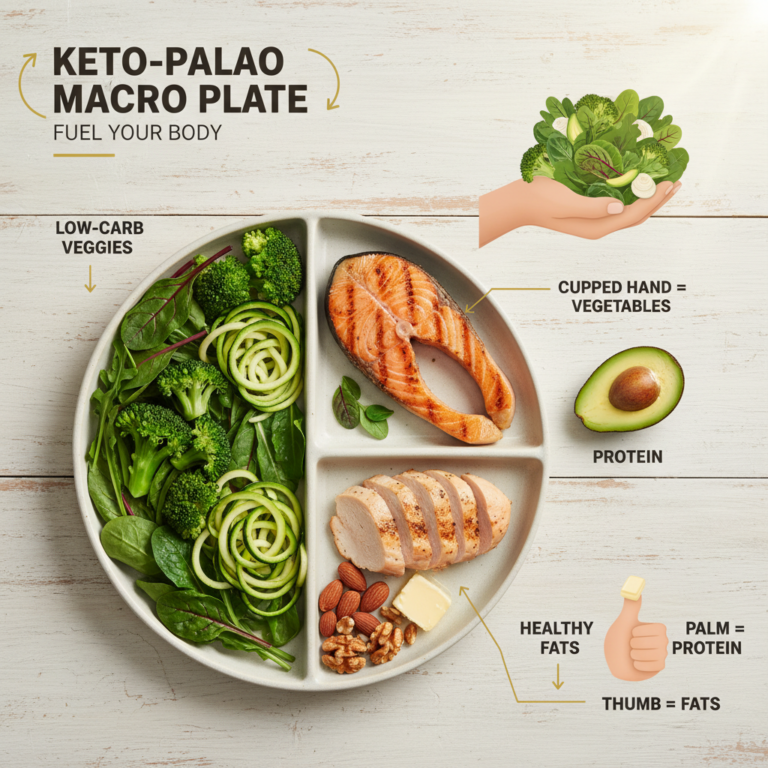
Successful meal prep requires balancing high-fat, moderate-protein, and low-carb ratios. Furthermore, paleo guidelines eliminate processed foods and grains entirely. Consequently, your shopping list focuses on whole foods and healthy fats. Therefore, planning becomes your most powerful tool for dietary success.
Quality proteins form the foundation of every prepared meal. Additionally, healthy fats like avocado and olive oil provide sustained energy. Meanwhile, low-carb vegetables add essential nutrients and fiber. Similarly, proper storage maintains freshness throughout the week.
Essential Shopping List for Week-Long Success
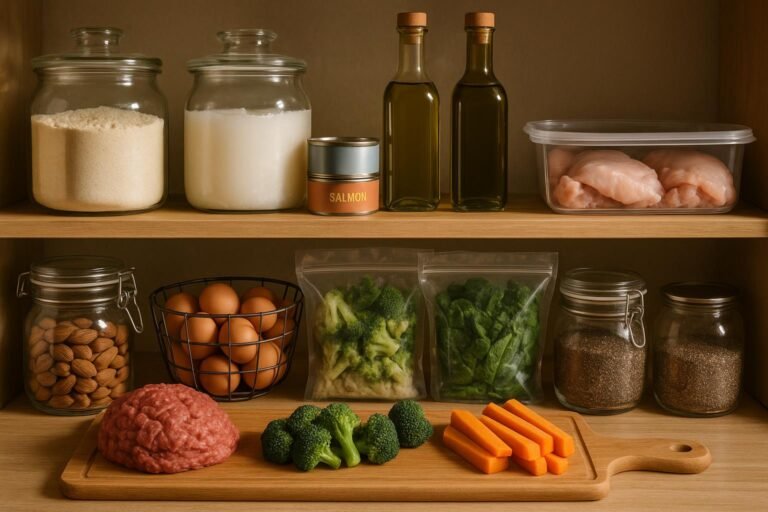
Smart shopping begins with categorizing your ingredients strategically. First, select grass-fed meats and wild-caught fish for optimal nutrition. Next, choose organic vegetables that store well in refrigerators. Finally, stock up on healthy fats and compliant seasonings.
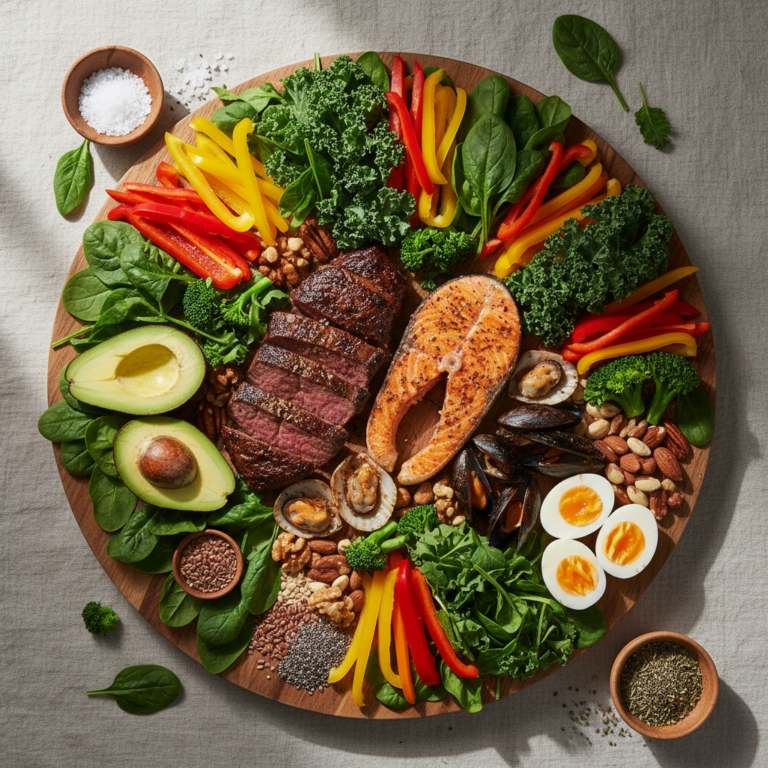
- Proteins: grass-fed beef, organic chicken thighs, wild salmon
- Vegetables: broccoli, cauliflower, spinach, bell peppers, zucchini
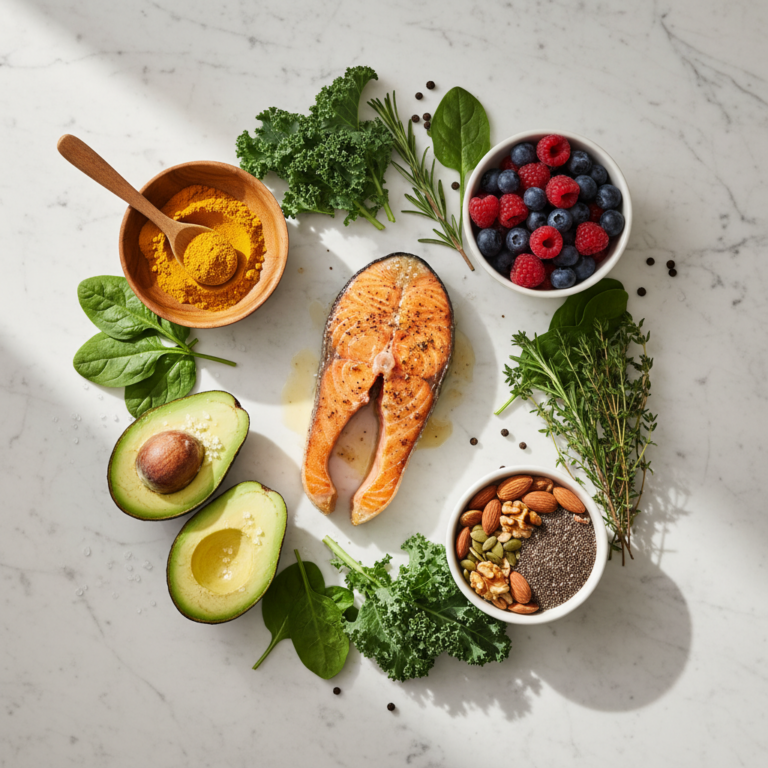
- Fats: avocados, olive oil, coconut oil, nuts, seeds
- Seasonings: sea salt, herbs, garlic, ginger, turmeric
Batch purchasing reduces weekly shopping trips significantly. Moreover, buying in bulk often decreases overall costs substantially. However, ensure proper storage capacity before purchasing large quantities. Subsequently, organize ingredients by prep day for maximum efficiency.
Sunday Batch Cooking Strategy
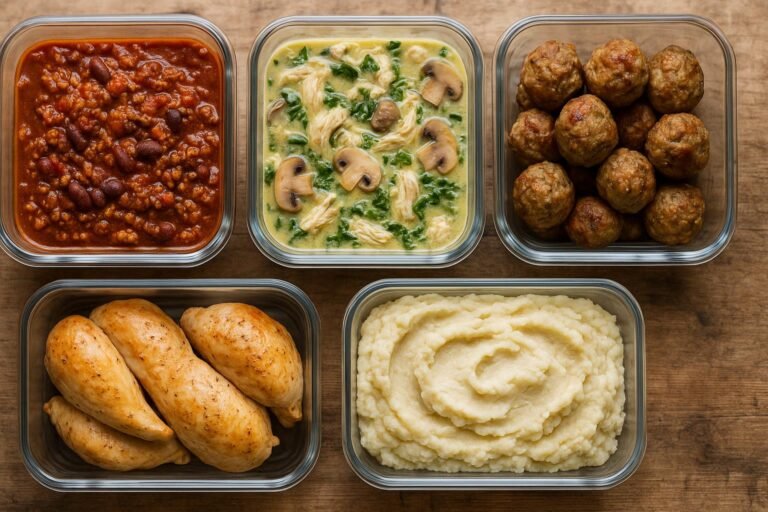
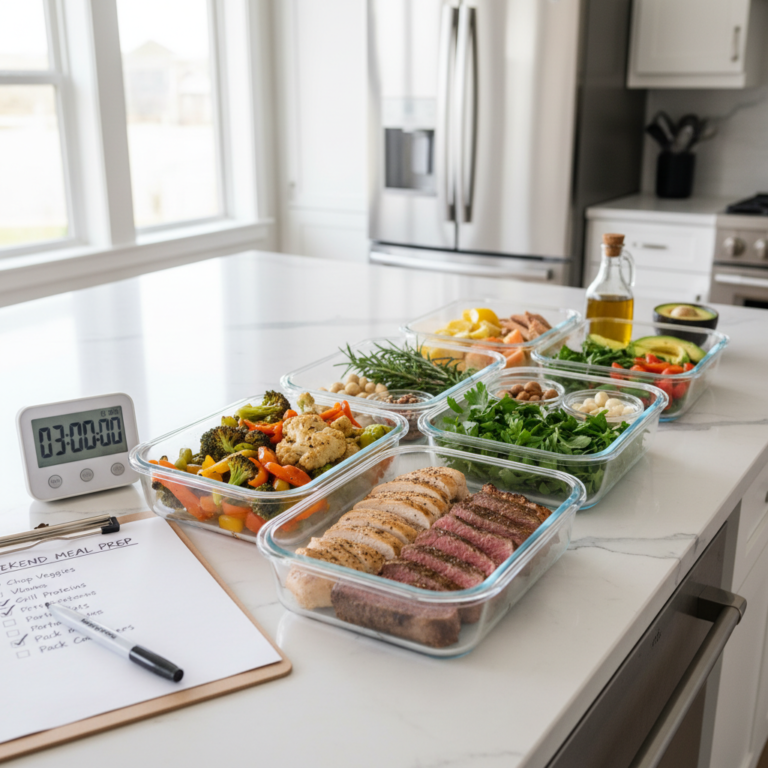
Sunday preparation sets the tone for successful weekly meal prep. Initially, start with longest-cooking proteins like roasts and whole chickens. Meanwhile, prepare vegetables that maintain texture when reheated properly. Consequently, your kitchen becomes an efficient production line.
Begin cooking proteins at different intervals for optimal timing. Additionally, roast vegetables while meats cook to maximize oven efficiency. Furthermore, prepare healthy fats and sauces during downtime periods. Therefore, everything finishes simultaneously for easy assembly.
The 30-Minute Batch-Cook Blueprint provides detailed timing schedules for efficiency. Similarly, proper container organization streamlines the entire assembly process. Moreover, labeling prevents confusion during busy weekday mornings.
Protein Preparation Techniques
Different proteins require specific cooking methods for optimal results. First, slow-cook tougher cuts like chuck roast for tender results. Next, grill chicken thighs for crispy skin and juicy meat. Finally, bake fish gently to preserve delicate textures perfectly.
Seasoning proteins before cooking enhances flavor penetration significantly. Moreover, marinating overnight develops complex taste profiles naturally. However, avoid over-seasoning since flavors concentrate during storage periods. Subsequently, taste-test before final seasoning adjustments.
Consider exploring 4-Week Keto-Paleo Protein Rotation for variety inspiration. Additionally, different cooking methods prevent meal fatigue effectively. Furthermore, proper cooling techniques ensure food safety standards always.
Vegetable Prep and Storage Solutions
Properly prepared vegetables maintain nutrition and texture throughout the week. Initially, blanch hardy vegetables like broccoli and cauliflower briefly. Meanwhile, store leafy greens with paper towels for moisture control. Consequently, vegetables stay crisp and appealing for days.
Cut vegetables uniformly for even cooking and professional presentation. Additionally, store different vegetables in separate containers for flexibility. Furthermore, pre-portioned vegetables speed up daily meal assembly significantly. Therefore, consistency becomes your greatest time-saving advantage.
Healthy Fat Integration
Incorporating healthy fats requires careful planning and proper storage techniques. First, prepare compound butters with herbs for instant flavor enhancement. Next, portion nuts and seeds into grab-and-go containers. Finally, make homemade dressings using quality oils and vinegars.
Avocados need special handling to prevent premature browning naturally. Moreover, adding lemon juice preserves color and adds bright flavor. However, consider preparing avocados fresh daily for optimal texture. Subsequently, other fats can be prepared well in advance.
Daily Assembly and Serving Strategies
Morning assembly should take less than five minutes per meal. Initially, combine pre-cooked proteins with prepared vegetables efficiently. Meanwhile, add healthy fats and seasonings for complete nutrition. Consequently, breakfast becomes a quick and satisfying experience.
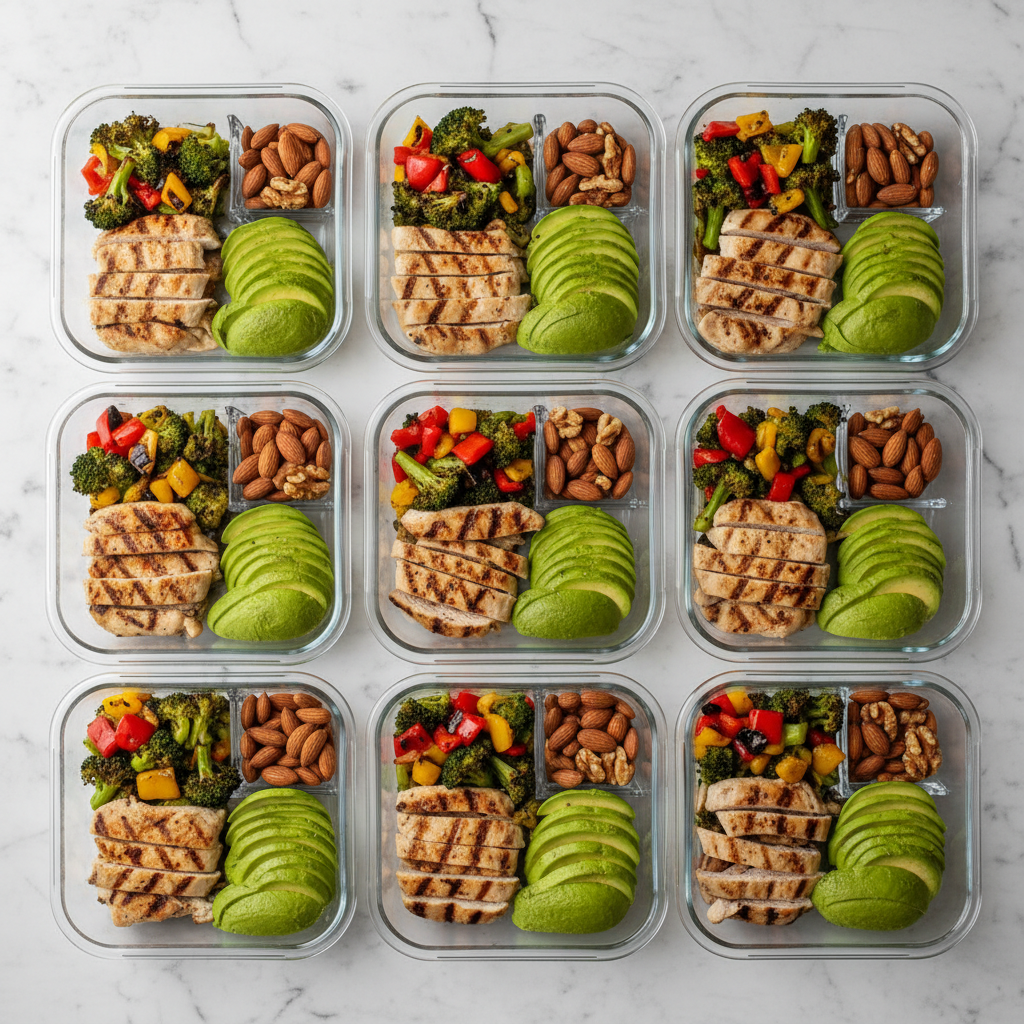
Lunch containers benefit from compartmentalized storage for ingredient separation. Additionally, pack dressings separately to prevent sogginess issues. Furthermore, include variety in textures and colors for visual appeal. Therefore, meals remain exciting throughout the busy week.
For quick evening meals, reference 5-Ingredient, 15-Minute Keto-Paleo Dinners for Busy Weeknights for inspiration. Similarly, prepared ingredients speed up cooking processes dramatically. Moreover, flexibility allows for spontaneous meal modifications easily.
Storage and Food Safety Guidelines
Proper storage extends food freshness and maintains safety standards consistently. First, cool cooked foods completely before refrigerating them safely. Next, use glass containers for even temperature distribution throughout. Finally, label everything with preparation dates for rotation purposes.
Most prepared meals maintain quality for three to four days. Moreover, freezing extends storage life for future meal planning. However, some vegetables lose texture when frozen and thawed. Subsequently, plan consumption accordingly for optimal eating experiences.
Troubleshooting Common Prep Challenges
Time management often presents the biggest obstacle for successful preparation. Initially, start with shorter prep sessions to build confidence. Meanwhile, focus on just three to four recipes per session. Consequently, overwhelm decreases while skills develop naturally over time.
Flavor fatigue occurs when meals become repetitive and boring. Additionally, rotate seasonings and cooking methods weekly for variety. Furthermore, experiment with new vegetables and protein combinations regularly. Therefore, excitement continues throughout your meal prep journey consistently.
Equipment limitations can slow down preparation processes significantly. Moreover, invest in quality containers that stack and seal properly. However, start with basic tools and upgrade gradually over time. Subsequently, efficiency improves as your system develops and matures.