Micronutrient Balance: Beyond Keto-Paleo Macros
While mastering macronutrient ratios gets most of the attention in keto-paleo circles, achieving optimal micronutrient balance is where the real magic happens for long-term health success. Beyond counting carbs and hitting fat targets, your body craves a symphony of vitamins and minerals that fuel cellular function, support hormone production, and maintain vibrant energy levels.
This comprehensive guide will transform how you approach nutrition on your keto-paleo journey. You’ll discover which nutrient-dense foods deserve priority status, identify potential deficiency pitfalls, and master practical strategies for complete nutritional optimization.
Understanding Micronutrient Balance in Keto-Paleo
The fusion of ketogenic and paleo principles creates unique nutritional opportunities and challenges. While eliminating processed foods and grains removes many anti-nutrients, it also requires strategic planning to ensure adequate vitamin and mineral intake.
Your micronutrient balance depends on food quality, not just food quantity. Every bite becomes an opportunity to nourish your cells with essential cofactors for optimal metabolic function.
The key lies in understanding which nutrients become more critical when following this combined approach. Certain vitamins and minerals require special attention due to the elimination of common food sources and the metabolic shifts that occur in ketosis.
Critical Micronutrients for Keto-Paleo Success
Several micronutrients deserve special attention when following a keto-paleo lifestyle. These nutrients often become limiting factors that can impact energy, mood, and overall well-being.
Fat-Soluble Vitamins (A, D, E, K)
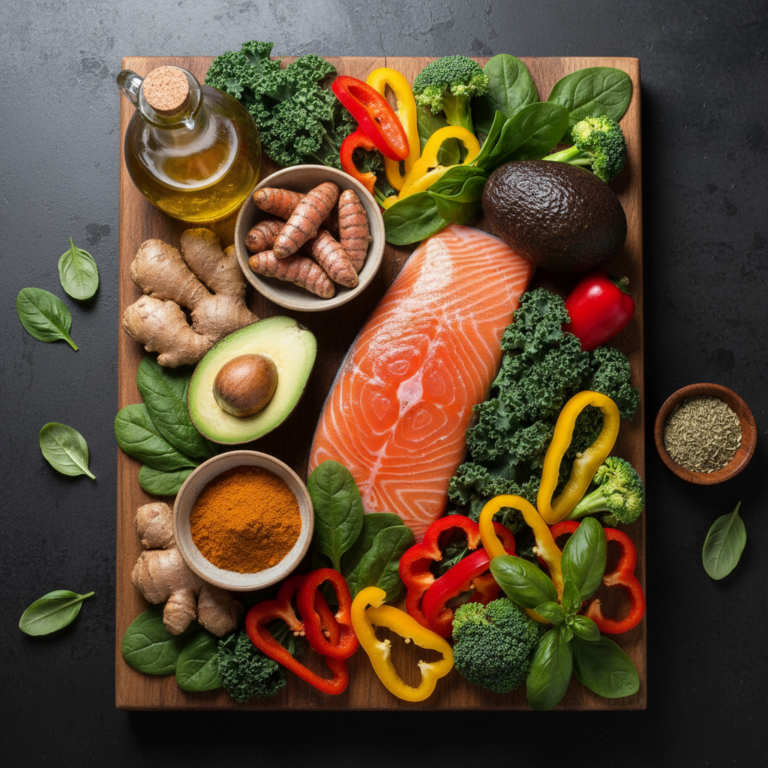
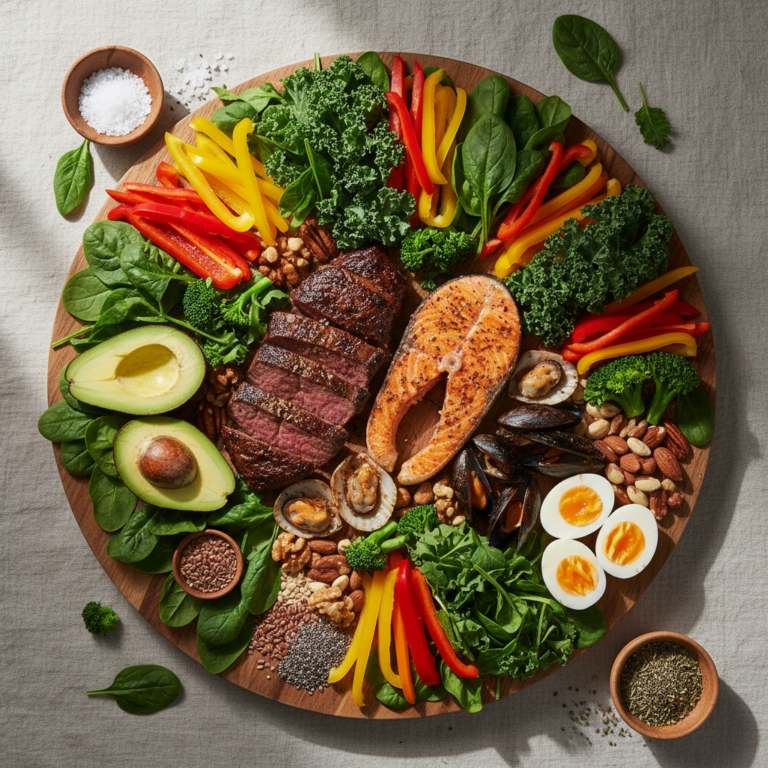
Your high-fat intake creates perfect conditions for absorbing these crucial vitamins. Prioritize grass-fed liver, pastured egg yolks, and wild-caught fatty fish for vitamin A and D. Include avocados, nuts, and olive oil for vitamin E, while fermented vegetables provide vitamin K2.
B-Complex Vitamins
Without grains and legumes, B-vitamin intake requires intentional planning. Organ meats, particularly liver, provide exceptional B-vitamin density. Nutritional yeast (if tolerated) and leafy greens help fill gaps. Consider that B12 becomes especially important for long-term health.
Essential Minerals
Magnesium, potassium, and zinc often become depleted during the initial keto adaptation phase. Sea salt, bone broth, and mineral-rich vegetables help maintain electrolyte balance. Our Hydration and Electrolyte Mastery guide provides detailed strategies for optimization.
Nutrient-Dense Food Prioritization Strategy
Building your meals around the most nutrient-dense options ensures maximum micronutrient delivery per calorie. This approach becomes essential when working within keto-paleo food restrictions.
Organ meats top the nutrient density charts, providing concentrated vitamins and minerals that support every bodily function. If organ meat consumption feels challenging, our Sauce Mastery techniques can transform these superfoods into delicious meals.
Wild-caught seafood, especially smaller fish like sardines and anchovies, provides omega-3 fatty acids plus essential minerals like selenium and iodine. Rotate through different seafood options to maximize nutritional variety.
Colorful, low-carb vegetables deliver antioxidants, fiber, and plant-based minerals. Dark leafy greens, cruciferous vegetables, and colorful bell peppers should appear regularly in your meal rotation.
Common Deficiency Risks and Prevention
Understanding potential nutritional gaps allows you to proactively address them before symptoms appear. Several micronutrients commonly become inadequate without careful planning.
Magnesium Insufficiency
This mineral supports over 300 enzymatic reactions, yet deficiency rates run high in the general population. Keto dieters face additional challenges due to increased urinary losses during ketosis adaptation.
Include magnesium-rich foods like pumpkin seeds, spinach, and dark chocolate (85% cacao or higher). Epsom salt baths provide additional transdermal absorption opportunities.
Potassium Gaps
Without traditional high-potassium foods like potatoes and bananas, creative sourcing becomes necessary. Avocados, leafy greens, and coconut water help maintain adequate levels. Monitor your intake carefully, especially during the first few weeks.
Vitamin D Optimization
Limited food sources make vitamin D challenging to obtain through diet alone. Fatty fish, egg yolks from pastured hens, and moderate sun exposure support optimal levels. Consider testing to determine individual needs.
Practical Implementation Strategies
Translating micronutrient knowledge into daily practice requires systematic approaches that fit your lifestyle and preferences.
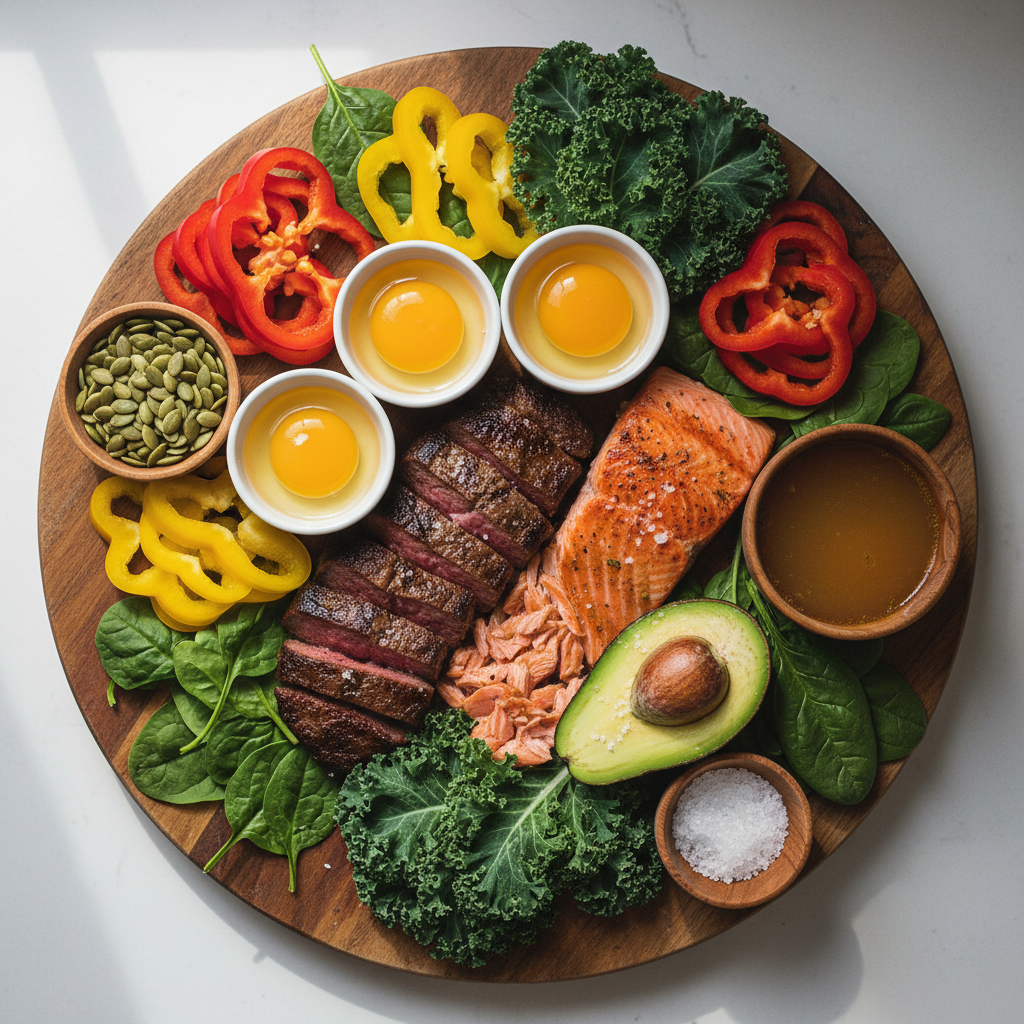
Start with our Plate-First Keto-Paleo approach, ensuring every meal includes multiple nutrient-dense components. This visual method simplifies complex nutritional requirements into actionable meal assembly.
Batch cooking nutrient-dense foods streamlines weekly nutrition optimization. Prepare organ meat pâtés, bone broths, and fermented vegetables in advance. This strategy ensures consistent micronutrient intake without daily meal stress.
Track your intake periodically using nutrition apps to identify patterns and gaps. Focus on nutrients of concern rather than obsessing over every micronutrient daily.
Advanced Optimization Techniques
Once you’ve mastered the basics, several advanced strategies can further enhance your micronutrient balance and overall health outcomes.
Nutrient Timing Considerations
Certain nutrients absorb better when consumed together, while others compete for absorption. Fat-soluble vitamins require dietary fat for optimal uptake, making them perfect companions for your high-fat meals.
Iron absorption improves with vitamin C but decreases with calcium. Time your supplements and food combinations strategically for maximum benefit.
Bioavailability Enhancement
Soaking nuts and seeds improves mineral availability by reducing anti-nutrients. Fermentation increases nutrient density and creates beneficial compounds. Gentle cooking methods preserve heat-sensitive vitamins while improving others.
Combining plant and animal sources creates nutritional synergies that enhance overall micronutrient status. This balanced approach supports optimal health outcomes.
Monitoring and Adjusting Your Approach
Regular assessment ensures your nutritional strategy remains effective as your needs evolve. Pay attention to energy levels, mood, sleep quality, and physical performance as indicators of nutritional adequacy.
Annual blood work can reveal subclinical deficiencies before symptoms appear. Focus on markers like vitamin D, B12, magnesium, and inflammatory indicators to guide your optimization efforts.
Seasonal adjustments help maintain variety and take advantage of fresh, local produce. Summer’s abundant vegetables provide different nutrients than winter’s root vegetables and preserved foods.
Your Path to Nutritional Mastery
Achieving optimal micronutrient balance on a keto-paleo lifestyle requires intention, knowledge, and consistent application. The strategies outlined here provide your roadmap for nutritional success that goes far beyond basic macro counting.
Remember that this journey is highly individual. What works perfectly for others may need adjustment for your unique needs, preferences, and health goals.
Start implementing one or two strategies this week, then gradually build your nutritional optimization toolkit. Your body will reward this attention to micronutrient detail with improved energy, better mood, and enhanced overall well-being.
Your commitment to complete nutrition sets the foundation for long-term health success. Every nutrient-dense choice you make today investments in your future vitality and wellness.